Hiking Backpacks by Activity & Use Case
The right pack for how you hike — day trips, overnights, thru-hikes, fastpacking, mountaineering, travel and more. Authoritative manufacturer specifications, sizing parameters, and sub-category master breakdown.
- 10
- Sub-Categories
- 20
- In-Depth Guides
- 127
- Products Reviewed
- Sep 2026
- Published
Affiliate disclosure: this page contains affiliate links. Purchases made through them may earn us a commission at no extra cost to you. See our affiliate disclosure.
In plain English
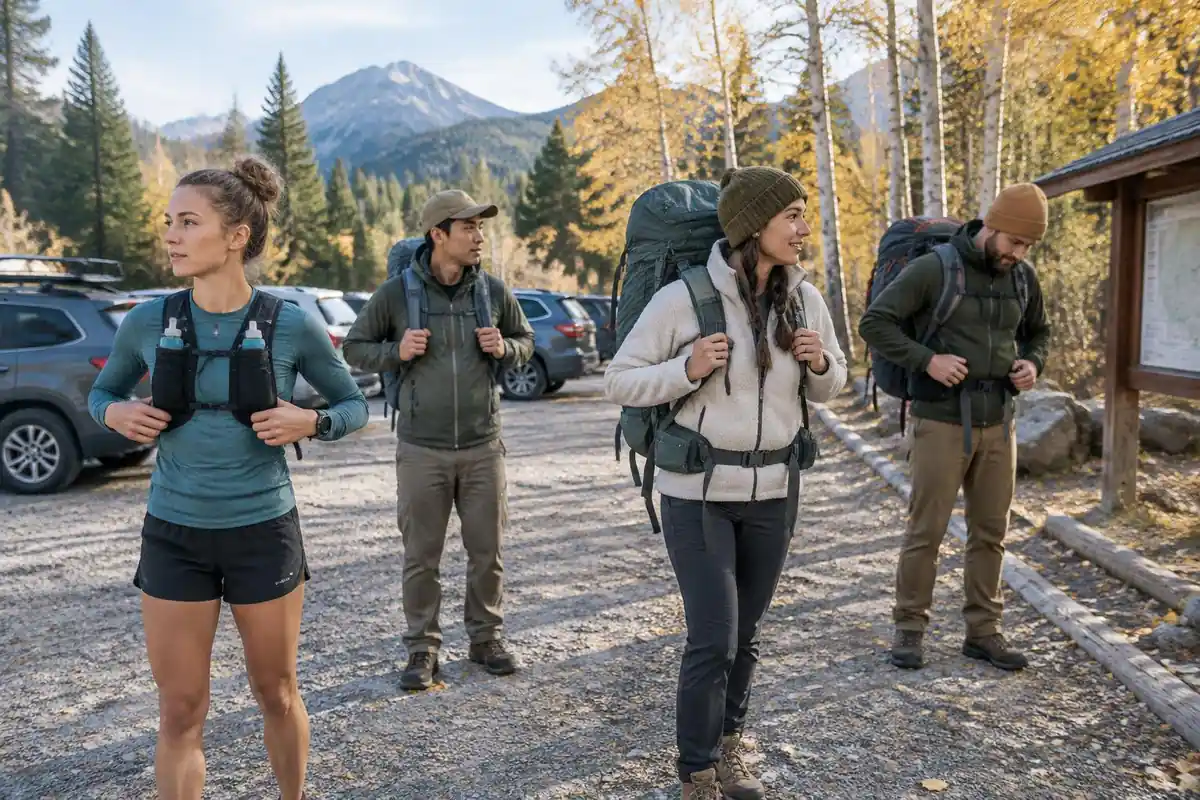
Different kinds of hiking ask different things of a backpack, the same way a school bag, a gym bag and a suitcase all do different jobs. A day hike is a few hours on a trail and back home by dinner. Backpacking means sleeping outside for one night or many, so you carry your bed, kitchen and food.
A day pack can be small, soft and simple. An overnight pack needs a stiff frame inside it and a thick padded belt around your hips, because the heavier load feels much better resting on your hips than hanging from your shoulders. Special trips add their own needs: a climber wants loops for an ice axe, a runner wants a snug vest that does not bounce, and a traveler wants a bag that fits in an airplane's overhead bin.
Most people do not need a different pack for every trip. Start with one pack that suits the trips you take most often, and add another only when your trips clearly outgrow it.
Recommended Products


Sub-Category Micro Hubs
In-depth technical analyses, material specifications, and comparative evaluation.
Day-Hiking Backpacks
Detailed evaluation of anatomical parameters, safety standards, and practical recommendations for day-hiking backpacks.
Overnight & Weekend Backpacking
Detailed evaluation of anatomical parameters, safety standards, and practical recommendations for overnight & weekend backpacking.
Multi-Day Backpacking
Detailed evaluation of anatomical parameters, safety standards, and practical recommendations for multi-day backpacking.
Thru-Hiking Backpacks
Detailed evaluation of anatomical parameters, safety standards, and practical recommendations for thru-hiking backpacks.
Fastpacking & Trail-Running Packs
Detailed evaluation of anatomical parameters, safety standards, and practical recommendations for fastpacking & trail-running packs.
Mountaineering & Alpine Packs
Detailed evaluation of anatomical parameters, safety standards, and practical recommendations for mountaineering & alpine packs.
Travel & Hiking Hybrid Packs
Detailed evaluation of anatomical parameters, safety standards, and practical recommendations for travel & hiking hybrid packs.
Hunting Backpacks
Detailed evaluation of anatomical parameters, safety standards, and practical recommendations for hunting backpacks.
Winter & Snow Backpacks
Detailed evaluation of anatomical parameters, safety standards, and practical recommendations for winter & snow backpacks.
Hut-to-Hut & Lodge Hiking
Detailed evaluation of anatomical parameters, safety standards, and practical recommendations for hut-to-hut & lodge hiking.
The way you hike sets the features a backpack needs more than any single spec. A day-hiking pack, a thru-hiking pack, and a mountaineering pack can share the same volume yet differ completely in suspension, access, durability, and weight. This hub sorts packs by activity so the pack matches the trip.
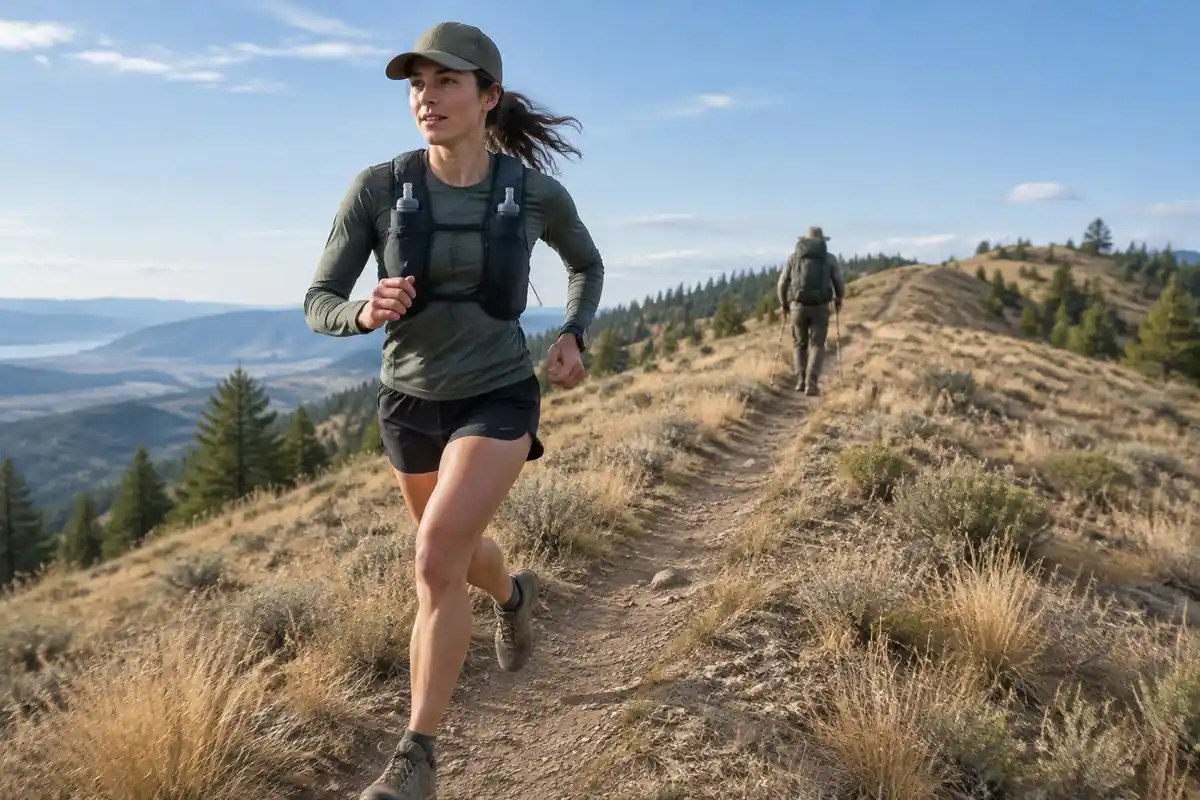
Day hiking rewards light weight, ventilation, and quick access. Overnight and multi-day backpacking need a supportive frame and hipbelt to carry a sleep system and food. Thru-hiking favors light, durable packs sized to resupply length. Fastpacking uses running-vest-derived packs; mountaineering strips features and adds ice-tool carry; travel-hiking hybrids add panel access and carry-on compliance. The sub-hubs below cover each in depth, including the flagship multi-day backpacking guide built around the highest-demand "best backpacking backpack" question.
Most hikers start with one versatile 45–55L pack and add specialized packs as their trips diverge. The buying guides here name honest trade-offs so a single pack covers the widest range of your real trips before you buy a second.
How hard each activity works your body
Exercise scientists compare activities in METs, where one MET is about 1 kcal per kilogram of body weight per hour, roughly the cost of sitting quietly.4 The 2024 Compendium of Physical Activities rates hiking at a normal pace with no load at 5.3 METs, backpacking at 7.0, and climbing hills with a 20 lb-plus load on a 5–20% grade at a moderate to brisk pace at 10.0.5 Rock or mountain climbing sits at 8.0.6
Those figures are averages, but they show why a pack for steep or fast travel is designed around weight first. Research on load carriage finds that energy cost rises with the weight carried, body mass, walking speed and grade, all at once.1 A fastpacker moving quickly uphill feels every extra kilogram more than a day hiker strolling a flat loop.
Day hikes, multi-day trips and thru-hikes are different load problems
Real long-distance loads are often heavier than the advice hikers repeat. In a study of Appalachian Trail long-distance backpackers, men's packs averaged 19.6 kg and women's 17.3 kg, or 25.0% and 27.9% of body weight respectively.2 That is why thru-hiking packs focus so hard on base weight, which the Appalachian Trail Conservancy defines as everything you carry minus consumables such as food, water and fuel.7 Food and water shrink as you walk; the base weight rides the whole way.
Base-weight categories are community labels rather than standards. Gossamer Gear calls under 20 lb lightweight, under 10 lb ultralight and under 5 lb superultralight.3 A multi-day backpacker carrying a week of food needs a stronger frame than those numbers suggest, because total load, not base weight, is what the suspension has to handle.
Specialist activities add fixed requirements
Winter and avalanche-terrain trips set a minimum kit the pack must hold. Avalanche.org says to always carry a transceiver, probe and shovel and know how to use them, and notes that a properly deployed airbag pack can help keep a person near the surface.8 A review of Wilderness Medical Society guidelines published in 2025 reports that airbags were associated with an 11% reduction in mortality in retrospective studies.9
Travel-hiking hybrids work to airline rules instead. As one example, Delta's carry-on limit is 22 x 14 x 9 inches.10 Gear choices follow security rules too: the TSA does not allow sharp-tipped hiking poles in carry-on bags, and bans flammable cooking fuel from both carry-on and checked bags.11,12
Relevant Products