
Best Women's Rain Jackets for Hiking
A rain jacket is the piece of gear you carry far more often than you wear, and the one that decides whether a wet afternoon is an inconvenience or a real problem. A shell has to block wind and rain while letting the heat you generate escape, then pack small enough that you never leave it behind. Here is what matters when choosing one, and how a women's cut changes the picture.
Affiliate disclosure: this page contains affiliate links. Purchases made through them may earn us a commission at no extra cost to you. See our affiliate disclosure.
In plain English
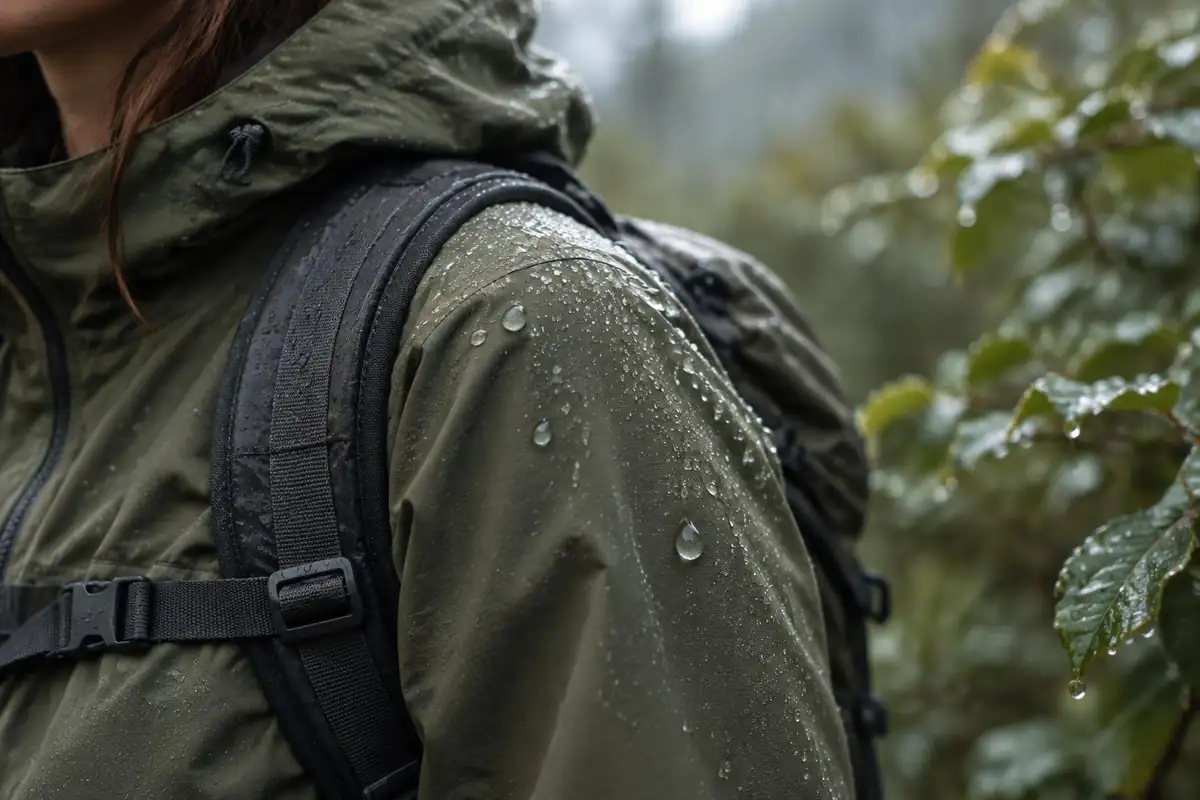
A rain jacket for hiking is a thin shell that keeps rain and wind off you. It usually has two parts working together. The fabric has a hidden waterproof layer inside, and the outside carries a finish that makes raindrops bead up and roll off, like water on a freshly waxed car.2
The tricky part is sweat. When you climb a hill, you make warm, damp air inside the jacket. A good jacket lets some of that out, but never all of it. That is why many hiking jackets have zippers under the arms: you open them to let heat escape without taking the jacket off.
Women's jackets are usually cut with narrower shoulders and more room at the hips. Try one on over the warm layer you will wear under it, then reach up and swing your arms. If it pulls or rides up, try another size or cut.
This page contains affiliate links. Purchases made through them may earn a commission at no extra cost to you. See our affiliate disclosure.
Who it's for
Day hikers in mild climates can get by with a light shell for passing showers. Anyone hiking mountains, shoulder seasons, or genuinely wet regions needs tougher waterproofing and better ventilation. Backpackers count every ounce, and hikers with broader shoulders, a fuller bust, or long arms should judge a jacket on cut rather than the size on the tag.

How to choose a rain jacket
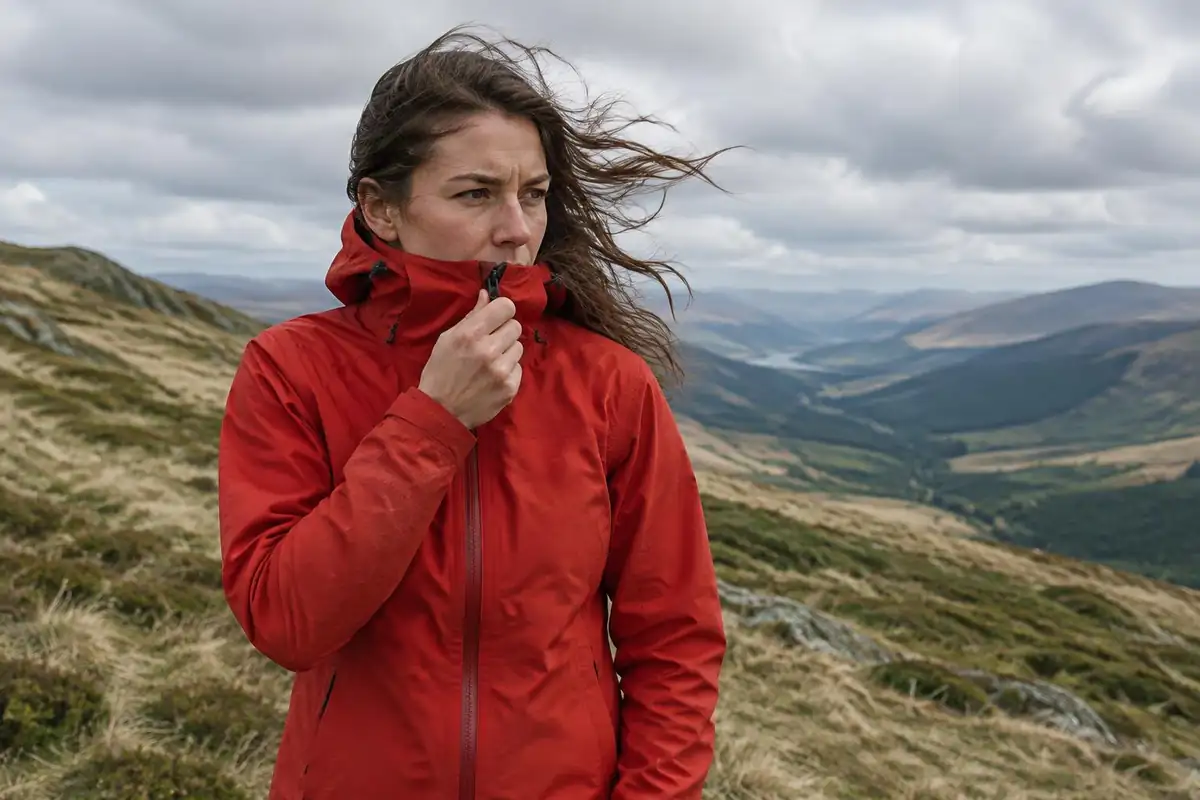
Most hiking shells pair a waterproof membrane or coating with a durable water repellent finish on the face fabric. Waterproofing keeps rain out; breathability lets sweat vapor escape, and the two work against each other, so the most weatherproof jackets usually breathe least. An outer that keeps beading instead of wetting out matters as much as the membrane.
A women's cut often means narrower shoulders, shorter sleeves, more room through the hip, and shaping at the bust and waist, though it varies by brand. Bodies vary more than patterns do, so try a jacket over the mid layer you actually hike in, then reach overhead and swing your arms. If the hem lifts or the chest pulls, size up or try another cut.
No membrane breathes fast enough for a steep climb in warm rain. Underarm zips, often called pit zips, dump heat far quicker than fabric alone and let you keep the hood up without cooking. Mesh-backed pockets and a two-way front zip help too. Venting adds a little weight, and for active hiking it usually earns its keep.
Ultralight shells stuff into a liter of pack space and weigh only a few ounces, which makes them easy to carry on the chance of rain. Thin face fabrics wear faster against pack straps and rock, while heavier shells shrug off sustained wind and downpours. Choose light if the jacket mostly rides in your pack, sturdy if you hike in it.
In a storm the hood does the most work. Look for a stiffened or wired brim that keeps rain off your face, plus adjusters at the back and sides so it turns with your head rather than blocking your view. Depth to clear a ponytail or a climbing helmet helps; a hood that cinches small suits hikers who wear neither.
A rain jacket is a shell, not insulation. It closes out a system: a wicking base layer, a fleece or light insulated piece for warmth, and the shell over the top when weather arrives. That is why you should size it over your layers rather than over a t-shirt. The layering guide at /footwear/layering-system-for-hiking-clothing/ walks through how those pieces work together.
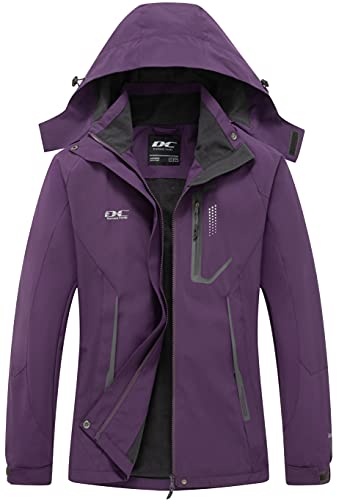
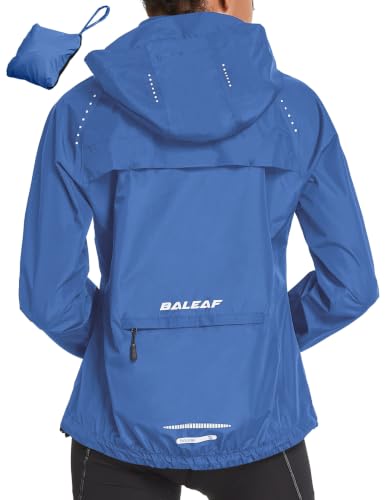
6 rain jackets to compare
Real options that fit the criteria above. We don't publish prices or ratings — check the current price and reviews on Amazon.



How waterproofness is measured
Brands often quote a waterproof rating in millimeters. That number is hydrostatic head: the height of a column of water a fabric withstands before it leaks. Sea to Summit explains that if water breaks through at 1 meter, the fabric is rated 1,000mm.3 MSR describes the test as pressing a column of water against the fabric until three drops pass through.5 Higher numbers mean more resistance to pressure, which matters where a pack strap or a kneeling knee pushes water into the fabric.
The rating says nothing about breathability, and the page is right that the two pull against each other. No single number on a hang tag predicts how damp you will feel after an hour of climbing, so venting features deserve as much attention as the waterproof figure.
Why the outer finish wears out, and how to care for it
The durable water repellent, or DWR, is an invisible finish on the outer fabric that makes water bead up and roll off.2 When it fails, the face fabric soaks up water and looks dark, which hikers call wetting out. The membrane underneath may still be keeping rain out, but a soaked outer layer slows sweat vapor escaping, so you feel damp from the inside.
Nikwax says normal laundry detergents leave a water-attracting residue on outdoor fabrics, which is why the page recommends a technical wash.2 The company also says UV exposure destroys water repellency and reduces fabric tear strength, so storing a shell out of strong sun helps it last.6 This site's library has no source on heat for jacket finishes, so follow your jacket's care label and the treatment's own label.
PFAS and rain gear
Many water repellents were historically made with PFAS, long-lasting chemicals whose components break down very slowly.7 The EPA lists stain and water repellents on clothing and other fabrics as a PFAS source.8 State laws are now pushing makers toward alternatives, and several treat heavy-duty rain gear as a special case.
California's AB 1817 exempts outdoor apparel for severe wet conditions until January 1, 2028, but requires a 'Made with PFAS chemicals' disclosure in the meantime.9 New York's restriction on the same category applies after January 1, 2028.10 Maine will require that disclosure on severe-wet-weather outdoor apparel from January 1, 2029.11 Rules differ by state, so read the label if this matters to you.
Staying warm, not just dry
A jacket that keeps rain out but traps sweat can still leave you cold. The CDC says hypothermia can develop even above 40°F if a person is chilled by rain, sweat or cold water, and it lists hikers among people at higher risk.4 The CDC Yellow Book adds that in cool conditions the priority is staying dry by layering and changing out of damp clothing quickly.12 Warning signs in adults include shivering, exhaustion, confusion, fumbling hands and slurred speech, and a body temperature below 95°F calls for immediate medical attention.4
Common questions
Is a women's rain jacket different from a men's?
Mostly in pattern, not technology. Women's shells are often cut with narrower shoulders, shorter sleeves, shaping through the bust and waist, and a hem with more room at the hip. The membranes and features are typically the same. If a women's cut pinches or rides up on you, a unisex or men's cut is a perfectly good choice.
Why do I still get wet inside a waterproof jacket?
Usually it is sweat, not leakage. A hard climb produces vapor faster than any membrane can move it, and humid air outside slows the transfer further. Open the pit zips and front zip, slow down, and shed a layer underneath before you start. If the outer fabric soaks through and looks dark, the water-repellent finish needs refreshing.
How do I keep a rain jacket working season after season?
Wash it more often than you think. Body oils, sunscreen and trail grime clog the fabric and hurt breathability, so clean it with a technical wash rather than regular detergent, and skip fabric softener. Follow the care label for any heat step, and reapply a spray-on or wash-in treatment once water stops beading up.
This is general footwear & apparel guidance, not a lab review — it explains what to look for and how to choose so you can pick well. We publish no prices or ratings; current price, availability and reviews are shown on Amazon. Product links are affiliate links: we may earn a commission at no extra cost to you. See our affiliate disclosure.