
Best Backpacking Cookware (2026)
Backpacking cookware is the small pot, pan, or mug set you use to boil water and cook meals on trail. It has an outsized effect on your pack weight and your evening routine, since it's the one piece of gear you handle at both ends of every hiking day. The right setup nests around your stove and fuel, boils fast, and cleans up in minutes so you're back in your sleeping bag sooner.
Who it's for
A solo hiker who only boils water for dehydrated meals needs little more than a single pot and a mug. Anyone actually cooking, simmering sauces, frying, or sharing meals with a partner or group needs more capacity, a real lid, and possibly a small frying pan. Winter and high-altitude trips also lean toward larger pots, since melting snow takes far longer than boiling water at a campsite spigot.
How to choose a cook set
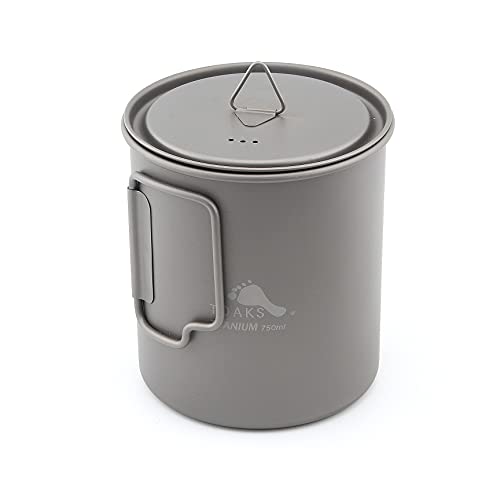
Titanium is the lightest and most corrosion-resistant option but costs more and heats unevenly, so food can scorch in a hot spot unless you stir. Hard-anodized aluminum conducts heat more evenly, cooks real meals better, and costs less, at a small weight penalty. Stainless steel is the heaviest and most durable, better suited to car camping or basecamp use than long-distance carrying.
A single hiker boiling water only can get by with 500–750ml. Two people, or anyone actually cooking rather than rehydrating, generally wants 1–1.5 liters so food doesn't boil over and there's room to stir. Oversized pots waste pack space and fuel, since more empty volume means more water brought to a boil unnecessarily.
Weight matters, but so does how the set packs down: a well-designed pot nests around your canister stove, fuel canister, and lighter so the whole cook system occupies one spot in your pack rather than several. Check that the lid seals well enough to trap heat and that handles fold flat instead of adding bulk or snagging on other gear.
A non-stick interior makes cooking actual food and wiping up afterward far easier, especially for anything beyond boiling water, but non-stick coatings scratch with metal utensils and eventually wear thin with heavy use. Plain titanium or anodized aluminum is more durable long-term and easier to scrub with sand or a scouring pad if a coating isn't a priority.
A tight-fitting lid speeds boiling and lets you use it as a strainer or a small plate. Foldable or detachable handles that lock securely while heating but collapse for storage save space and prevent burns. Look for a design where the mug, bowl, and utensil you carry alongside it all fit inside the pot, rather than rattling around loose in your pack.
4 cook sets to compare
Real options that fit the criteria above. We don't publish prices or ratings — check the current price and reviews on Amazon.


Common questions
Do I need a pot and a separate mug, or can one item do both jobs?
Many solo hikers use just one pot for boiling and eating directly from it, skipping a separate mug entirely to save weight. A dedicated insulated mug is worth adding if you want hot coffee to stay hot longer or you're sharing a single pot with a hiking partner and need your own vessel.
Is titanium worth the extra cost over aluminum?
Titanium makes the most sense if you're prioritizing minimum weight and durability over years of use, since it resists dents and corrosion well. If you actually cook rather than just boil water, hard-anodized aluminum's more even heat distribution often produces better results for a lower price, making the weight trade-off worth considering.
How do I clean cookware without soap on the trail?
Boiling a little water in the pot after cooking loosens most stuck-on food, which you can then wipe out with a bandana or paper towel and pack out. A small amount of sand or fine gravel works as a gentle scrub for stubborn residue. Avoid dumping food scraps or soap near water sources or campsites.
This is a general buying guide, not a lab review — it explains what to look for so you can choose well, and links to real products to compare. We publish no prices or ratings; current price, availability and reviews are shown on Amazon. Product links are affiliate links: we may earn a commission at no extra cost to you. See our affiliate disclosure.