Backpack Care, Repair & Accessories
Clean, waterproof, repair and store your pack, and choose the accessories — reservoirs, rain covers, liners, packing aids — that make it work. Authoritative manufacturer specifications, sizing parameters, and sub-category master breakdown.
- 8
- Sub-Categories
- 16
- In-Depth Guides
- 33
- Products Reviewed
- Sep 2026
- Published

Affiliate disclosure: this page contains affiliate links. Purchases made through them may earn us a commission at no extra cost to you. See our affiliate disclosure.
In plain English
Taking care of a backpack is a lot like caring for a good rain jacket. Dirt and sweat slowly wear down the fabric and the thin waterproof layer on it, so a quick clean now and then helps it last many years.
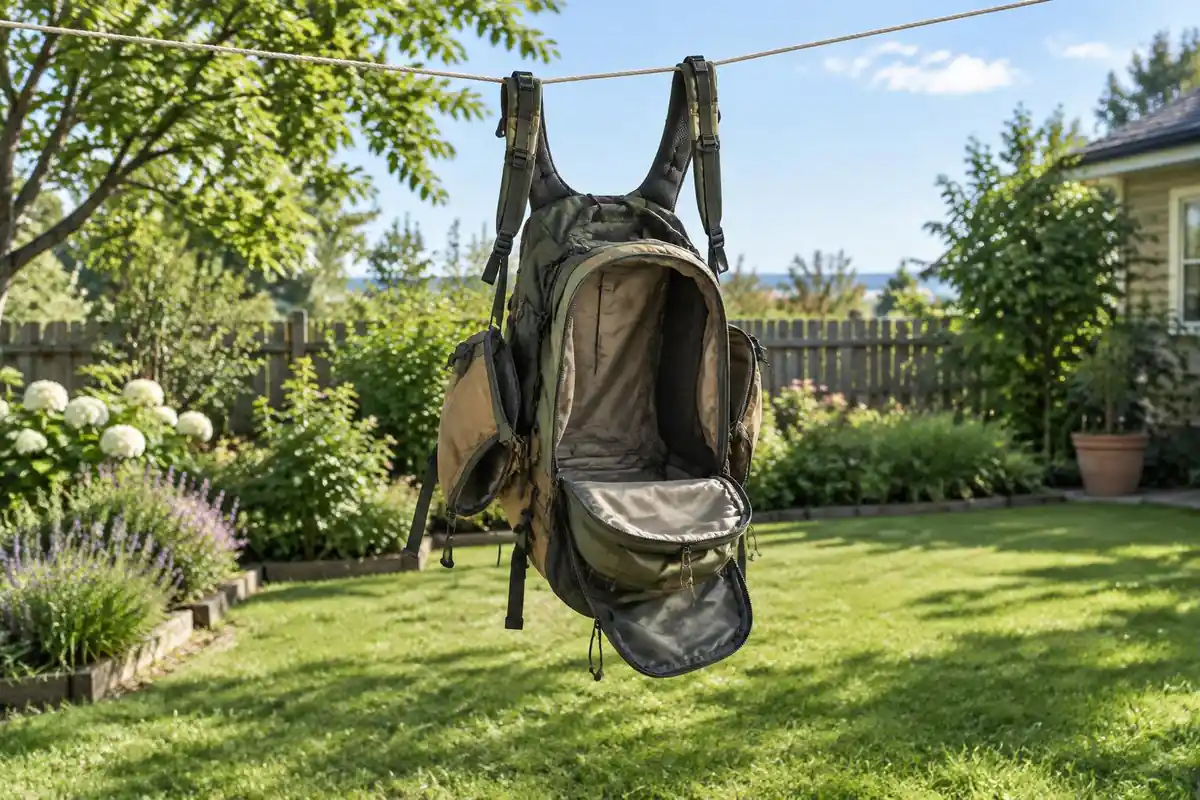
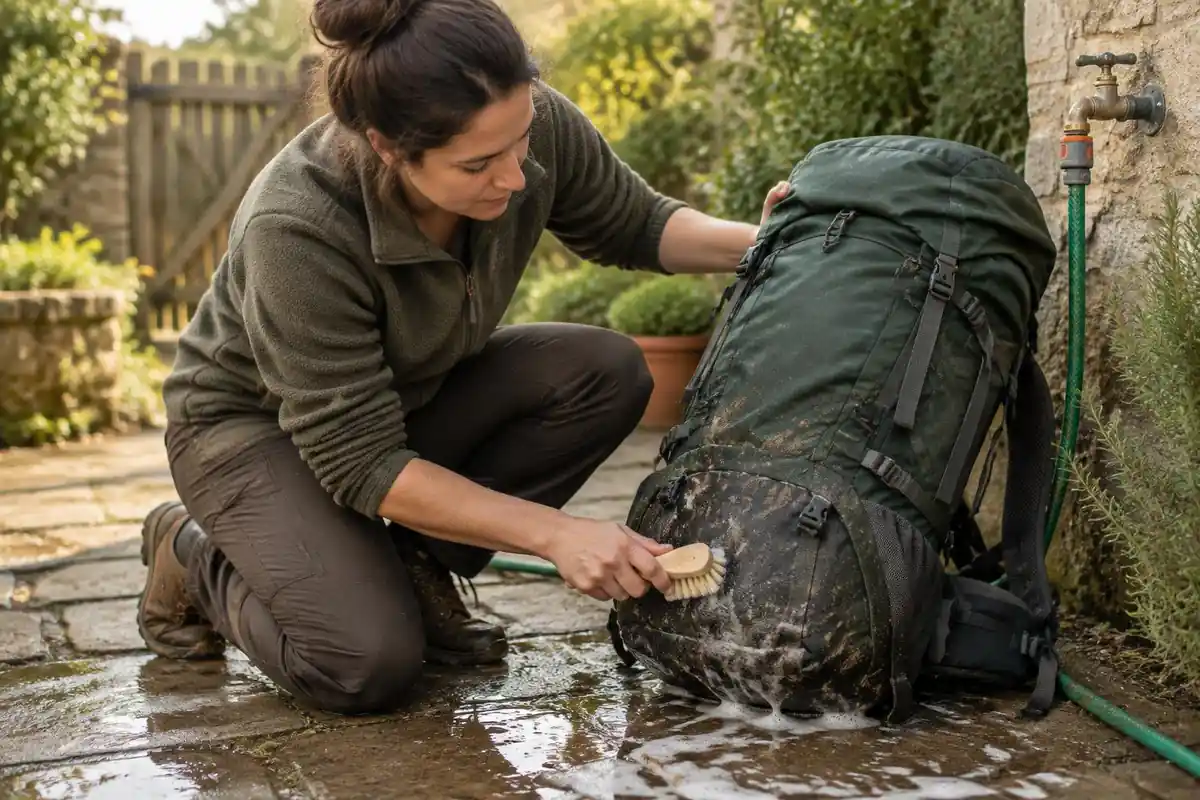
Most pack makers recommend washing by hand in a tub with lukewarm water and a mild soap, then letting the pack air dry in the shade. Sunlight and the heat of a clothes dryer can damage the fabric. Check your own pack's care label first, because brands give slightly different advice.
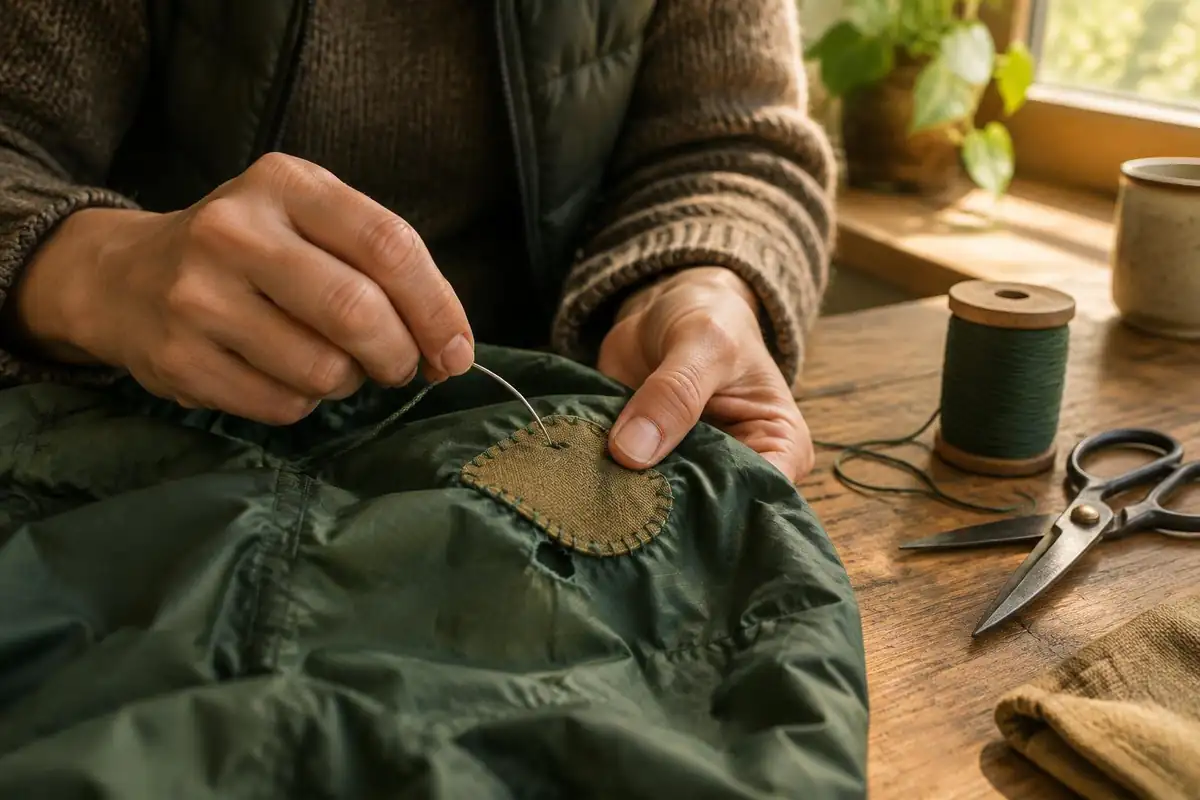
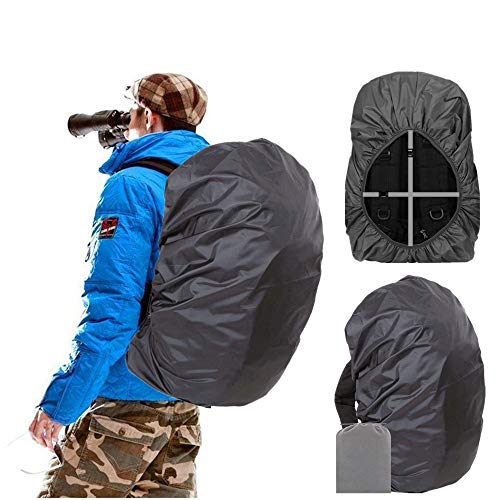
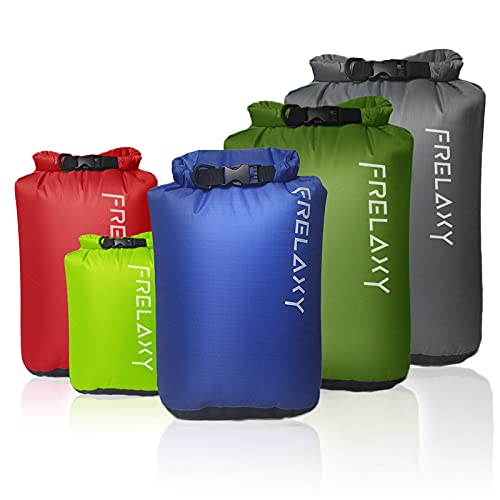
No backpack is fully waterproof. Rain can sneak in through zippers and seams, so hikers use a rain cover over the outside or a waterproof bag inside. Small rips can often be fixed at home with a sticky repair patch, and many brands will repair bigger damage for you.

Recommended Products


Sub-Category Micro Hubs
In-depth technical analyses, material specifications, and comparative evaluation.
Cleaning & Washing
Detailed evaluation of anatomical parameters, safety standards, and practical recommendations for cleaning & washing.
Waterproofing & Rain Protection
Detailed evaluation of anatomical parameters, safety standards, and practical recommendations for waterproofing & rain protection.
Field & Home Repairs
Detailed evaluation of anatomical parameters, safety standards, and practical recommendations for field & home repairs.
Storage & Off-Season Care
Detailed evaluation of anatomical parameters, safety standards, and practical recommendations for storage & off-season care.
Hydration Systems
Detailed evaluation of anatomical parameters, safety standards, and practical recommendations for hydration systems.
Rain Covers & Liners
Detailed evaluation of anatomical parameters, safety standards, and practical recommendations for rain covers & liners.
Packing Aids (Cubes, Sacks)
Detailed evaluation of anatomical parameters, safety standards, and practical recommendations for packing aids (cubes, sacks).
Trekking-Pole & Gear Attachment
Detailed evaluation of anatomical parameters, safety standards, and practical recommendations for trekking-pole & gear attachment.
A hiking backpack that is cleaned, waterproofed, repaired, and stored correctly lasts many seasons; one that is neglected fails early. This hub covers keeping a pack alive and the accessories that complete it as a system.
Hand-wash a pack in cool water with mild soap and air-dry it — machine washing and heat degrade coatings and stitching. No pack is fully waterproof, so combine a rain cover, a pack liner, and periodic DWR reproofing for sustained rain. Store a pack clean, dry, and loose in a cool place, never damp or tightly compressed. The cleaning, waterproofing, and storage sub-hubs below give the exact methods.
Most field failures — zippers, straps, buckles, and fabric holes — are repairable with tape, a needle, and replacement hardware, covered in the repairs guide. The accessory guides here — hydration systems, rain covers and liners, packing aids, and gear attachment — round out the pack into a working kit. Buying-guide picks name honest trade-offs and carry the same no-fabricated-ratings standard as the rest of the site.
Washing: why the brands disagree
Washing advice is not universal. Deuter says never to machine wash a pack because abrasion stresses the fabric and its PU coating, and recommends lukewarm water with a pH-neutral soap.1 Gregory also rules out the washing machine and dryer and warns against detergents, solvents and heavy brushing, which can damage coatings.2 REI's general guidance is never to machine wash or dry a pack, but it also says to follow the manufacturer first, since some brands say to submerge the pack and others do not.5 ULA is the clear exception: it permits washing the whole pack in a top-loader or agitatorless washer, removed before the spin cycle.3
Two details are easy to miss. Osprey says travel packs with its wheeled High Road chassis should not be immersed.6 And normal laundry detergents leave a water-attracting residue on outdoor fabrics, according to Nikwax, which works against the water-repellent finish.7 REI also advises not scrubbing zippers, since many have water-resistant coatings.5
Waterproofing: coatings, finishes and backups
A pack has two layers of water defense. Most pack fabrics carry an interior waterproof coating, yet water can still seep through seams and zippers.8 On the outside, a DWR finish makes water bead and roll off.7 When that finish wears out, Nikwax's spray-on treatment is applied to clean, wet fabric from about 6 inches away and then air dried.9
For steady rain, a backup matters more than the fabric. REI notes that waterproof stuff sacks inside the pack can work better than a rain cover in wind,8 while Deuter suggests dry bags for alpine use and a rain cover for hiking packs.1 Silicone-coated packs need a silicone sealant for seam repairs, because silicone only sticks to silicone.10
Repairs, wear and when to send it back
Adhesive patches work best when applied carefully. GEAR AID says initial adhesion is best between 50 and 104°F, that the adhesive reaches full strength in 24 hours and can be repositioned for up to 72 hours, and that large holes should be patched on both sides.4 A home fix is fine for small tears; broken frame parts, blown seams and failed buckles on the hip belt are worth sending to the maker.
Not every problem is a defect. Gregory notes that foam padding will permanently compress over time and excludes normal wear and tear from its guarantee.11 Deuter offers a lifetime repair service for incidental damage where repair is possible,12 and Gossamer Gear refers professional repairs to an outside repair shop at a discount.13 Before sending a pack in, clean it: ULA requires warranty returns to be cleaned or charges a cleaning fee.14 Between trips, Deuter recommends storing packs in a well-ventilated, dry place.1
Relevant Products