
Best Sleeping Pads (2026)
A sleeping pad does two jobs: it cushions your body from rocks and roots, and it insulates you from the cold ground beneath your bag or quilt. Without one, a warm sleeping bag alone won't keep you comfortable overnight, since the ground pulls heat away far faster than the air ever will. The right pad matches your season, your body, and how much bulk you're willing to carry.
Who it's for
Weekend car campers can prioritize comfort and thickness since weight barely matters. Backpackers trade comfort for lighter, more packable pads, especially thru-hikers counting every ounce. Three-season hikers need moderate insulation, while winter or shoulder-season campers need a higher R-value to avoid a cold, sleepless night no matter how warm the bag is.
How to choose a sleeping pad
R-value measures how well a pad resists heat loss to the ground, and it's the single most important number for sleep quality outdoors. Higher R-values mean warmer sleep: pads around 2 to 3 suit mild three-season trips, while winter camping calls for 5 or higher. You can also stack two pads to combine and add their R-values for colder trips.
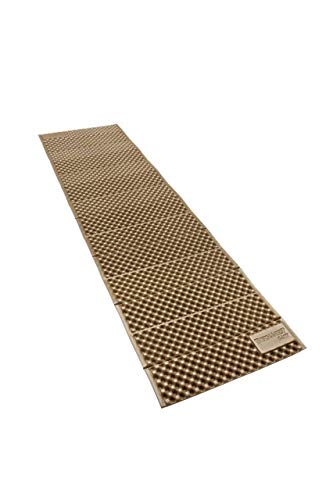
Air pads pack down small and offer excellent warmth-to-weight, but they can feel less stable and risk punctures from sharp ground debris. Self-inflating pads blend foam and air for a reliable middle ground, trading some pack size for durability and ease of setup. Closed-cell foam pads are the toughest and cheapest option, immune to punctures, though bulkier and less cushioned overall.
Thickness affects both comfort and ground insulation, with most pads ranging from about one inch to four inches when inflated. Side sleepers generally need more loft to cushion hips and shoulders from pressing through to the ground, while back sleepers can often manage comfortably on a thinner, lighter pad without sacrificing rest.
Every extra ounce matters more the further you hike, so weigh your comfort priorities against your total pack weight. Ultralight pads pack down to the size of a water bottle but often sacrifice some durability and cushioning. Car campers and short-trip hikers can reasonably choose a bulkier, heavier pad since it never leaves the trunk or trailhead.
Standard pads run about 20 inches wide and 72 inches long, but wider and longer versions exist for restless sleepers or taller hikers who roll off the edges. A pad that's too short leaves your feet on cold ground overnight. Some air pads also make a crinkly noise with every movement, which lighter sleepers may find disruptive in a shared tent.
4 sleeping pads to compare
Real options that fit the criteria above. We don't publish prices or ratings — check the current price and reviews on Amazon.


Common questions
What R-value do I need for camping?
For three-season trips (spring through fall) in moderate climates, an R-value of around 2 to 3.5 is usually enough. Winter or high-altitude camping calls for an R-value of 5 or higher. When in doubt, size up, since sleeping cold is far more common than sleeping too warm on the ground.
Is an air pad or foam pad better?
Neither is universally better; they suit different priorities. Air pads win on warmth-to-weight and packed size, making them popular with backpackers. Closed-cell foam pads win on durability, reliability and price, since they can't puncture or fail overnight. Many hikers choose based on how much weight and risk they're willing to trade for comfort.
How do I stop my sleeping pad from sliding around?
Look for a textured or grippy fabric on the pad's underside, which helps it stay put on a tent floor or footprint. Pairing your pad with a snug-fitting sleeping bag or quilt that has a sleeve or straps also helps keep everything aligned through the night, especially on a slight incline.
This is a general buying guide, not a lab review — it explains what to look for so you can choose well, and links to real products to compare. We publish no prices or ratings; current price, availability and reviews are shown on Amazon. Product links are affiliate links: we may earn a commission at no extra cost to you. See our affiliate disclosure.