Hiking Backpacks by Who's Wearing Them
Fit-first pack picks for women, men, kids, beginners, budget hikers, and long- or short-torso bodies. Authoritative manufacturer specifications, sizing parameters, and sub-category master breakdown.
- 8
- Sub-Categories
- 16
- In-Depth Guides
- 94
- Products Reviewed
- Sep 2026
- Published

Affiliate disclosure: this page contains affiliate links. Purchases made through them may earn us a commission at no extra cost to you. See our affiliate disclosure.
In plain English
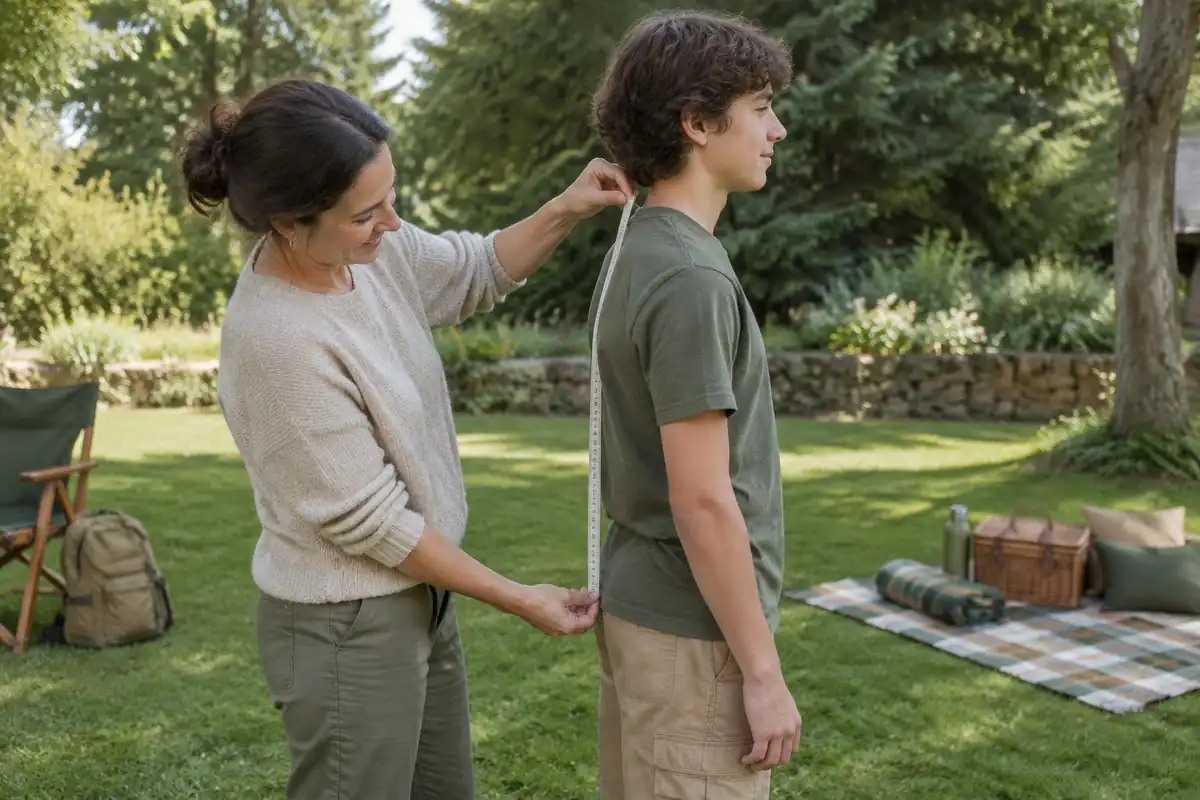
Two people of the same height can need different backpacks. What matters is the length of your back, from the bump at the bottom of your neck to the top of your hip bones. Pack makers call this your torso length. It is like shoe size for your back: a pack in the wrong size will rub and pull no matter how good it is.
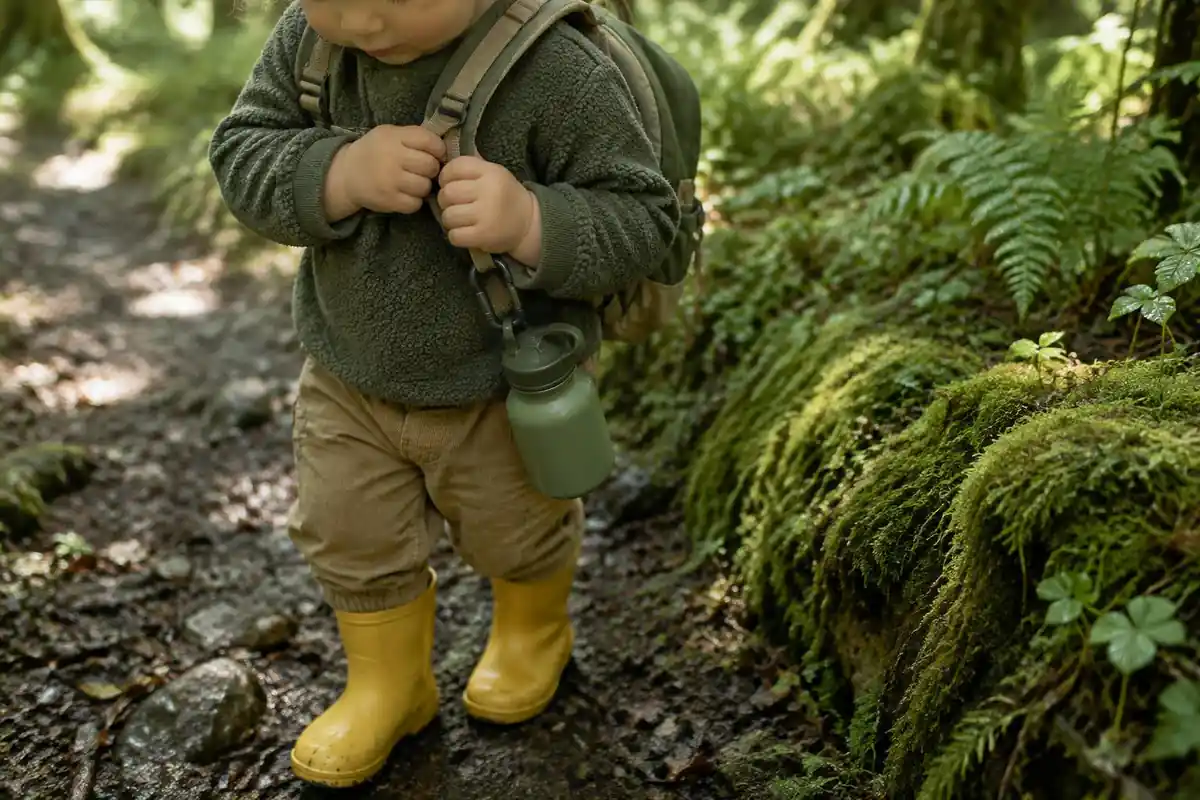
Bodies differ in other ways too. Some people have wider hips, sloping shoulders or a curvier chest, so some packs come with differently shaped straps and belts. Children need much smaller packs and lighter loads, because their bodies are still growing.
The easiest way to shop is to measure first, with a friend and a soft tape measure, then compare your numbers to each maker's size chart. Try the pack on with some weight inside. A well-fitting pack feels snug around your hips and comfortable on your shoulders, with nothing digging in.
Recommended Products


Sub-Category Micro Hubs
In-depth technical analyses, material specifications, and comparative evaluation.
Women's Hiking Backpacks
Detailed evaluation of anatomical parameters, safety standards, and practical recommendations for women's hiking backpacks.
Men's Hiking Backpacks
Detailed evaluation of anatomical parameters, safety standards, and practical recommendations for men's hiking backpacks.
Kids' & Youth Hiking Backpacks
Detailed evaluation of anatomical parameters, safety standards, and practical recommendations for kids' & youth hiking backpacks.
Child-Carrier Backpacks
Detailed evaluation of anatomical parameters, safety standards, and practical recommendations for child-carrier backpacks.
Beginner Hiking Backpacks
Detailed evaluation of anatomical parameters, safety standards, and practical recommendations for beginner hiking backpacks.
Budget & Value Backpacks
Detailed evaluation of anatomical parameters, safety standards, and practical recommendations for budget & value backpacks.
Tall & Long-Torso Backpacks
Detailed evaluation of anatomical parameters, safety standards, and practical recommendations for tall & long-torso backpacks.
Petite & Short-Torso Backpacks
Detailed evaluation of anatomical parameters, safety standards, and practical recommendations for petite & short-torso backpacks.
A backpack that fits one body can be miserable on another, so the smartest way to shop is often by the hiker rather than the trip. Torso length, shoulder width, hip shape, age, and experience all change which pack carries well. This hub segments packs by who is wearing them.
Women's-specific packs shorten the torso range and reshape the hipbelt and straps; long-torso and short-torso hikers need frames at the ends of the size chart; kids and youth need scaled loads and adjustable frames; child carriers seat a toddler on a hiking suspension. None of this is about marketing tiers — it is geometry, and the sub-hubs below explain what actually changes.
Beginners do not need the most expensive pack; they need a forgiving, adjustable fit at a fair price. The budget and beginner guides here show where cheap packs cut corners safely and where they do not. Every pick links back to the fit hub, because the correct size matters more than the brand on the label.
Two measurements do most of the work
Torso length and hip size are the numbers brands size around. Granite Gear, for example, offers Short (15–18 in), Regular (18–21 in) and Long (21–24 in) torso sizes, and bases hip-belt size on the circumference at the hip crest, roughly your regular pant waist.6 ULA takes a more tailored approach: men's belts are pant waist plus 2 inches, while for women it adds 5 inches to the smallest waist measurement for curvier builds or 3 inches for straighter ones.7
A correctly sized belt should not meet in the middle. Osprey says a well-sized hip belt leaves a 3–6 inch gap between the pad tips when tightened.8 Kelty cautions that a torso measurement is only a starting point for fit, so the pack still has to be tried with weight in it.9 Between sizes, Mystery Ranch recommends sizing down so the waist belt can tighten securely on the hips.10
What women's and shoulder-specific fits change
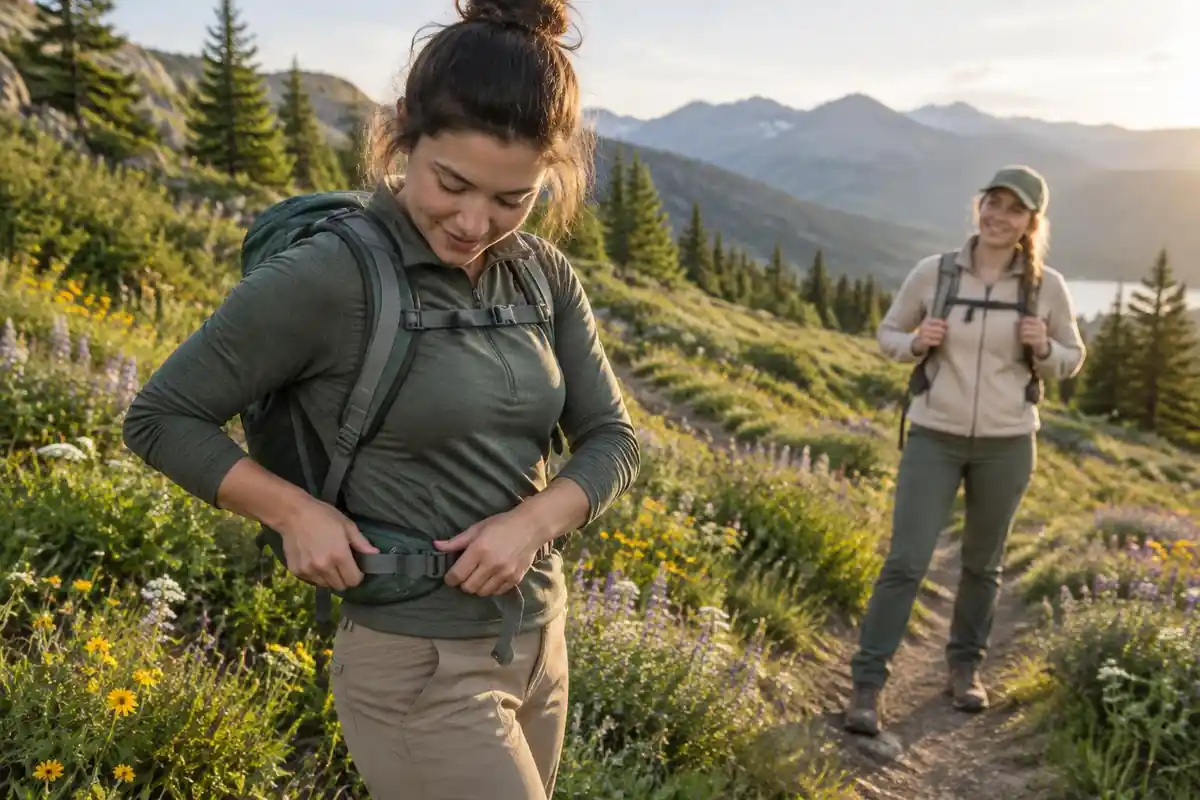
Women's packs are built around a different fit rather than simply a smaller size. Deuter's SL packs use narrower S-shaped shoulder straps and conically shaped hip fins.3 Granite Gear says its women's hip belts are built for hips with a greater angle than its unisex belts.6 Gregory, on the other hand, sizes torso ranges the same regardless of gender, so a woman with a long torso can wear a men's or unisex pack in her measured size.2
Shoulder shape matters for everyone. ULA offers J-shaped straps for flat or square shoulders and S-shaped straps for standard or sloping shoulders.7 If a pack's straps gap or pinch no matter how you adjust them, the strap shape may be the mismatch, not the size.
Kids' packs and child carriers
Guidance on children's loads varies by source. The AAP's current advice is no more than 15% of body weight.4 Nemours KidsHealth gives a 10–20% range.11 In one study of students, 75% carried more than 10% of body weight and 17% more than 20%, and the authors suggest even 20% may be too high for younger children.12 For hiking-sized packs, Deuter suggests 11–22 liters for school-aged kids and 30 liters or more from about age 8, depending on height.13
Child carriers are regulated products. Frame carriers made after December 3, 2022 must meet the federal ASTM F2549-22 requirements under 16 CFR part 1230.5 Recalls still happen: about 31,000 Osprey Poco AG carriers were recalled in 2016 over a shoulder-strap buckle, and about 5,080 Deuter Kid Comfort carriers in 2025 over kickstand hinges.14,15 Check the CPSC recall list before using a secondhand carrier.
Relevant Products