
Trip-Length Capacity Guides: Complete Guide
Comprehensive technical analysis of sizing, materials, installation requirements, and manufacturer standards for trip-length capacity guides.

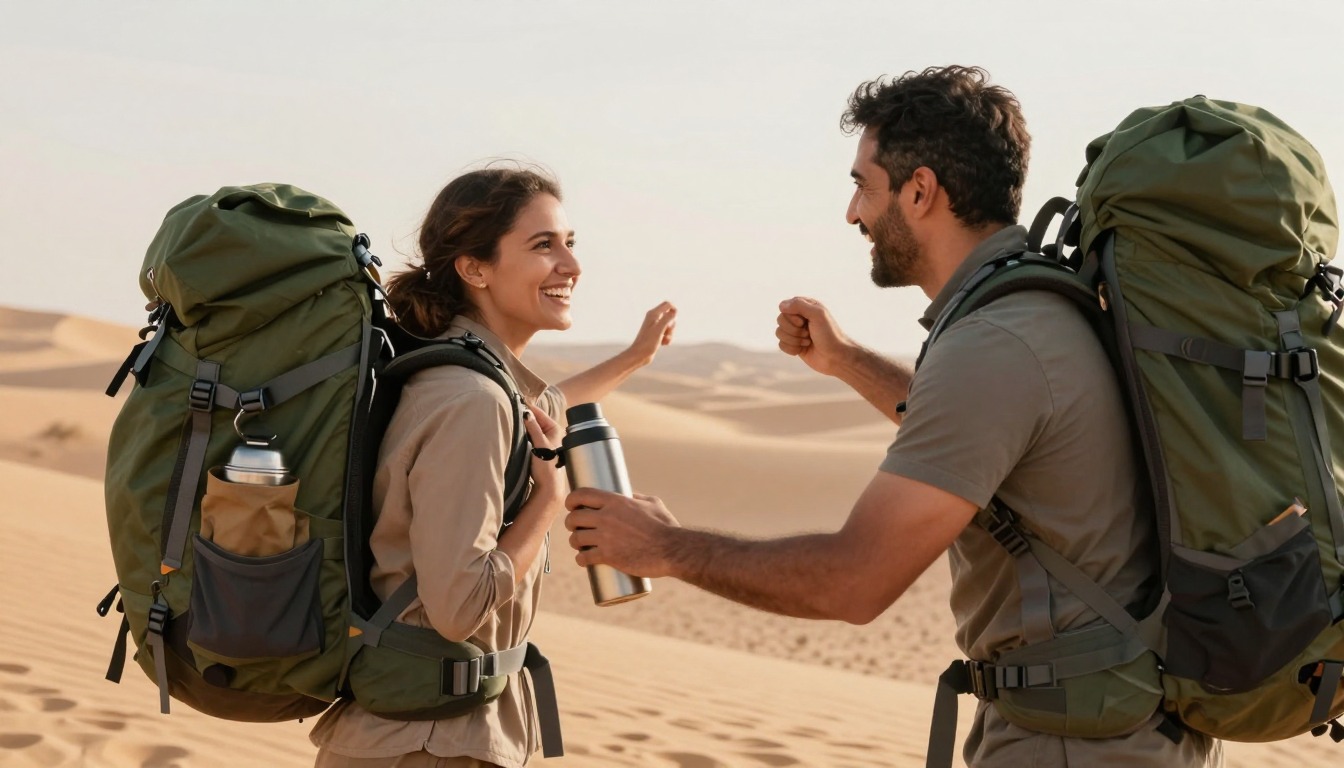
Trip length is the fastest way to size a hiking backpack: capacity should grow with each additional night on trail, and winter trips need extra room for bulkier insulation on top of that. A single-night trip and a week-long trek both carry the same core gear list — shelter, sleeping bag, pad, stove, extra layers — but the amount of food, fuel and clothing scales up with every added day, which is why liters, not a fixed size, is the right way to think about backpack capacity.
A one-night backpacking trip typically needs a 30- to 50-liter pack, enough for a shelter, sleeping bag, pad, one day of food and a change of clothes without excess dead space. Hikers running a lighter setup often land at the low end of that range, while anyone carrying a heavier tent or extra layers sits closer to 50 liters.
Base gear — tent, bag, pad, stove, cook kit — fills most of a one-night pack regardless of trip length, since that list barely changes between an overnight and a five-night trek. What changes is food, fuel and a spare layer or two, which is a small enough addition on a single night that packs in the 25-to-35-liter range often work for minimalist setups, while standard 35-to-45-liter weekend packs give more comfortable margin for bulkier gear.
Weekend trips of two to three nights typically need 45 to 60 liters, while week-long trips of six to seven nights typically need 65 to 75 liters, since each added night stacks more food, fuel and worn clothing on top of the same base gear list. The jump from weekend to week-long isn't linear with nights — food and fuel additions taper once a hiker plans a resupply, but clothing and consumables still climb steadily.
| Trip length | Nights | Typical capacity | Pack category |
|---|---|---|---|
| Day hike | 0 | Under 25L | Daypack |
| Overnight | 1 | 30–50L | 25–35L pack |
| Weekend | 2–3 | 45–60L | 35–45L weekend pack |
| Multi-day | 4–5 | 55–65L | 45–55L multiday pack |
| Week-long | 6–7 | 65–75L | 55–65L extended pack |
| Extended/thru-hike | 7+ | 65–80L+ | 65L+ expedition pack |
For trips in the four-to-five-night range, a 45-to-55-liter multiday pack is the default choice for most hikers carrying a standard three-season kit. Hikers with a low base weight can often shift down a full category from this table — someone running an ultralight sub-2-pound pack setup might fit a week-long trip into 55 liters where a traditional setup needs 70.
Food is the main variable that scales pack volume with trip length, since hikers commonly budget roughly 1.5 to 2.5 liters — about 100 to 150 cubic inches — of pack space per day of food, including snacks. A three-day trip might carry 4.5 to 7.5 liters of food volume alone, while a week-long trip can carry 10 to 17.5 liters, which is often the single biggest swing factor between a 45-liter pack and a 65-liter pack.
Freeze-dried and dehydrated meals pack denser than fresh food, so hikers planning longer trips generally shift toward dehydrated dinners and calorie-dense snacks specifically to keep food volume from outpacing available pack space. Fuel canisters add a smaller but steady volume too — typically one canister per five to seven days of cooking for a single hiker — and that fuel needs its own dedicated space alongside the food bag rather than getting squeezed into gaps.
As a general guideline, total pack weight — including food, water and fuel — should stay under roughly 20% of a hiker's body weight for comfortable multi-day travel, and a well-fitted hipbelt carries roughly 80% of that load rather than the shoulders. Both figures matter more as trip length grows, since a pack that's comfortable at 30 pounds on night one can feel very different fully loaded with a week of food on day zero.
A 5-day trek typically needs a 55- to 65-liter pack, covering the same base gear as a shorter trip plus roughly 7.5 to 12.5 liters of food volume and any extra fuel for the added days. That range assumes a standard three-season kit; winter conditions or a bulkier sleeping bag can push the same 5-day trek toward 65 to 70 liters.
Hikers planning a mid-length trek with any elevation gain or cold-weather margin should size at the upper end of the 55-to-65-liter range rather than the lower end, since running out of external strap capacity mid-trip is harder to fix than carrying a slightly larger pack. Anyone stringing multiple 5-day sections together into a longer thru-hike should plan around resupply points instead of one continuous capacity jump — reviewing a dedicated packing list for the specific trail keeps food and fuel estimates accurate section by section.
Fit still matters as much as liters on a 5-day trek: a correctly measured torso length and a properly loaded pack — heavy items centered and close to the back — both affect how a given capacity actually carries. Measuring your torso length before choosing a size, and following a sensible load order when packing, keeps a 55-to-65-liter pack comfortable even once it's carrying its full 5-day load.
Go Deeper
Detailed companion guides for trip-length capacity guides.
Backpack Capacity Guide by Trip Length
How hiking backpack capacity scales with trip length, from a one-night overnight through a week-long trek, using a simple liters-per-night formula.
Packing Lists
Related trails & trip guides guide.
Seasonal & Conditions Guides
Related trails & trip guides guide.