
Pockets & Organization: Complete Guide
Comprehensive technical analysis of sizing, materials, installation requirements, and manufacturer standards for pockets & organization.


Recommended Products
See the full ranking →

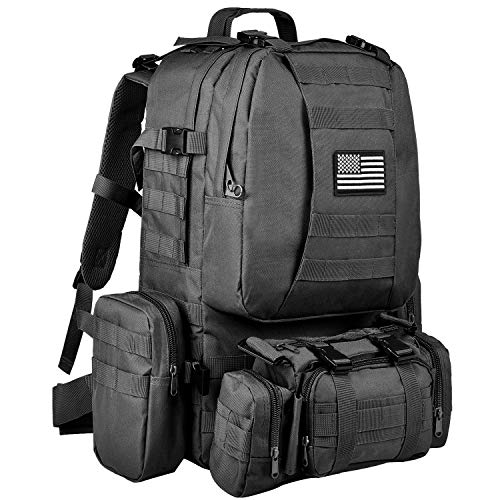
Pocket layout determines how much gear a hiker can reach without taking the pack off. Stretch front pockets, hipbelt pockets, side pockets, and a lid or brain pocket each serve a different access need, from a rain shell grabbed mid-stride to a snack pulled out at a trail junction. The right pocket configuration balances mid-hike access against the weight and cost that every extra pocket adds. Packs built for speed and ultralight travel strip pockets to a minimum, while packs built for organization on longer trips add more zippered compartments and a removable lid.
A hiking backpack needs, at minimum, two side pockets for water bottles, a stretch front pocket for wet or frequently used items, and a pair of hipbelt pockets for snacks and a phone. Overnight and multi-day packs typically add a lid or brain pocket on top, while some ultralight packs drop the lid entirely to save weight.
Each pocket type solves a specific access problem. Too few pockets forces opening the main compartment for small, frequently needed items, slowing down every break. Too many pockets adds ounces and gives gear more places to get lost.
Most hiking backpacks include some combination of the following:
- Side pockets, angled or straight, sized for one or two water bottles and often reachable without removing the pack
- A stretch front pocket, usually made of mesh or stretch-woven fabric, for a rain shell, tent fly, or anything wet
- Hipbelt pockets, one on each side, sized for a phone, snacks, sunscreen, or lip balm
- A lid or brain pocket, either fixed or detachable, for a first-aid kit, permit, map, or headlamp
- Internal pockets or a hydration sleeve, usually a mesh pouch inside the main compartment for a wallet, reservoir, or battery pack
A stretch front pocket holds items a hiker needs mid-hike without opening the main compartment: a rain shell pulled on fast, a wet tent fly packed away from dry gear, a map, or snacks for the next few hours. The stretch fabric expands to fit bulky or oddly shaped items and compresses flat when empty.
Ultralight packs, including the Gossamer Gear Mariposa and ULA Circuit, size the front pocket as one of the pack's primary storage areas rather than an afterthought, since these packs often skip a lid entirely. A large stretch front pocket on this style of pack can hold a full day's worth of snacks, a water filter, and a packed-away puffy jacket, all reachable without breaking stride.
Wet-item separation is the front pocket's most practical daily use. Packing a wet tent fly, damp socks drying in the sun, or a rain jacket still shedding water in the front pocket keeps moisture away from a sleeping bag or insulated layers stored inside the main compartment. Some hikers also use the front pocket to carry trekking poles temporarily during a scramble, though dedicated pole loops and attachment systems handle that job more securely over longer stretches.
A detachable lid, also called a brain, is a top pocket that unclips from the main pack body and converts into a small daypack, lumbar pack, or summit pack. Hikers use this feature on basecamp-style trips, unclipping the lid to carry water, snacks, and a layer on a day hike from camp while leaving the loaded main pack behind.
This feature shows up most often on traditional multi-day and expedition packs rather than ultralight designs, since the extra hardware that makes a lid detachable adds weight the ultralight category avoids. Packs known for this design include the Osprey Aether and Ariel AG series, whose lid clips onto a waist strap to form a lumbar pack, and the Gregory Baltoro and Deva, which use a similar conversion. Deuter's Aircontact Lite and Granite Gear's Crown3 also offer a removable brain, though not every removable lid converts into a wearable daypack; some simply detach to save weight.
A detachable lid suits hikers who set up a basecamp and take day trips from it, climbers who summit from a high camp, and backpackers who want the option to shed a pound or more of pack weight once they no longer need the lid's storage. It suits thru-hikers and fastpackers less well, since they rarely stop moving long enough to benefit from a separate summit pack, and the added straps and buckles run counter to a lightweight kit.
Organizing a pack by pocket means assigning each pocket a consistent category of gear, so a hiker always knows exactly where an item is without searching. Weather layers go in the front pocket, snacks and small items go in hipbelt pockets, water goes in side pockets, and emergency or camp-only items go in the lid or main compartment.
A consistent system saves real time on the trail, since a hiker reaching for sunscreen or a snack doesn't need to think about which pocket holds it that day. The system also works as a packing checklist: an empty hipbelt pocket at the trailhead is a visible reminder that snacks didn't make it into the pack.
| Best Gear to Store | Access While Wearing Pack | |
|---|---|---|
| Stretch front pocket | Rain shell, wet tent fly, extra layer | Reachable without removing pack |
| Hipbelt pockets | Snacks, phone, sunscreen, lip balm | Reachable without removing pack |
| Side pockets | Water bottles, tent poles, umbrella | Reachable with an arm stretch |
| Lid or brain pocket | Map, headlamp, permit, first-aid kit | Requires removing the pack |
| Internal pockets or hydration sleeve | Reservoir, wallet, battery pack | Requires opening the main compartment |
This same logic extends to how a pack loads from the top or the front, since packs with front-panel access make it easier to reach gear stored deep in the main compartment without unpacking from the top down. Pairing a clear pocket system with the right access style, plus a hipbelt fitted snugly enough to keep hipbelt pockets from bouncing, turns pocket layout from a minor spec into a real factor in daily comfort on the trail.
Go Deeper
Detailed companion guides for pockets & organization.
Best Packs With A Detachable Daypack
Buyer's guide: best hiking backpack with detachable daypack.
What Is a Backpack Brain (Lid)?
A backpack brain is the top lid pocket on a hiking pack. Learn what it stores, how it attaches, and when a detachable brain is worth the weight.
Hydration Compatibility
Related features, frames & materials guide.
Attachment & Compression Systems
Related features, frames & materials guide.