
The day hike packing list
A day hike needs less than you'd think — but the few things people skip are the ones that turn a good day bad. This is a complete day-hiking setup, explained piece by piece: what each item is for, why the kit is put together this way, and how to adapt it into your own.
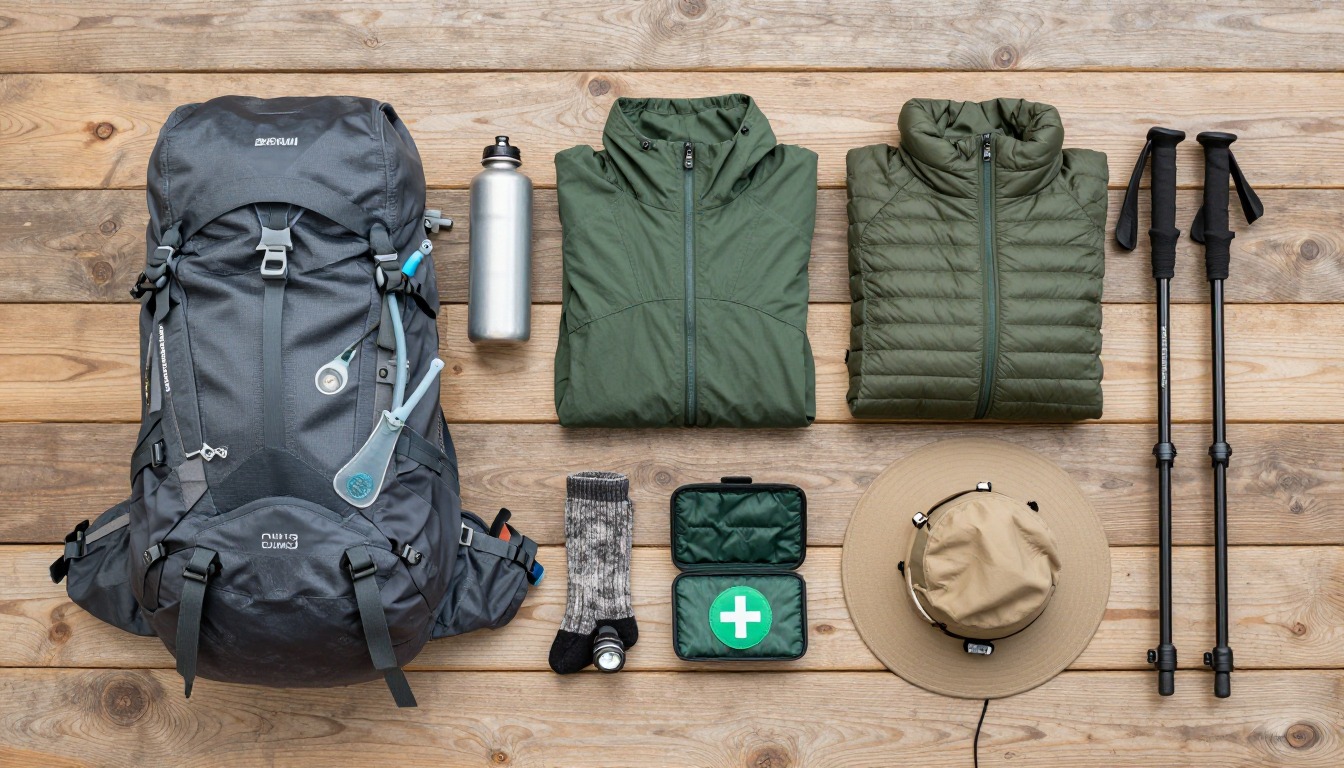
A day kit is built around the Ten Essentials: enough water, food, layers, light and first aid to handle the hike going a little wrong, carried in a pack light enough to enjoy. Everything here earns its place by being useful on a normal hike or important when things aren't — nothing is padding.
First-timers and regular day hikers on marked trails, in fair-to-changeable weather, out for a few hours to a full day. Scale down for a short, warm evening stroll; scale up toward the weekend list if you're heading somewhere remote or above the treeline.
- Start with the pack and fit it to your torso — everything else rides on that.
- Add the non-negotiables next: water (plus a way to treat more), food, a warm layer and a rain shell.
- Layer in the safety kit — light, first aid, navigation — which weighs almost nothing.
- Finish with trip-specific extras for the season and terrain, then weigh it and trim what you won't use.
About this setup
Day hiking is the most forgiving way to be in the mountains — you sleep in your own bed — but it's also where people get caught out, precisely because it feels casual. Most day-hike trouble isn't dramatic: it's a dead phone with the only map on it, a cotton shirt that won't dry, water that ran out an hour from the car, or a twisted ankle as the light fades. Every one of those is cheap to prevent, and that prevention is what this setup is.
The organizing idea is the Ten Essentials — not ten specific products, but ten categories (navigation, light, sun protection, first aid, a knife or repair kit, fire, emergency shelter, extra food, extra water, and extra clothing) that together let you handle a night out you didn't plan. On a normal hike you'll use a fraction of it. On the rare bad day, it's the difference between an inconvenience and an emergency.
Everything below is organized the way you'd actually build the kit: the pack first, then the non-negotiables (water, food, layers), then the small, light safety items that punch far above their weight. Treat it as a starting point, not a prescription — the right day kit flexes with the trail, the weather and you.
The pack
A 15–30 liter daypack is the sweet spot — big enough for layers, food and the essentials, small enough to stay light.
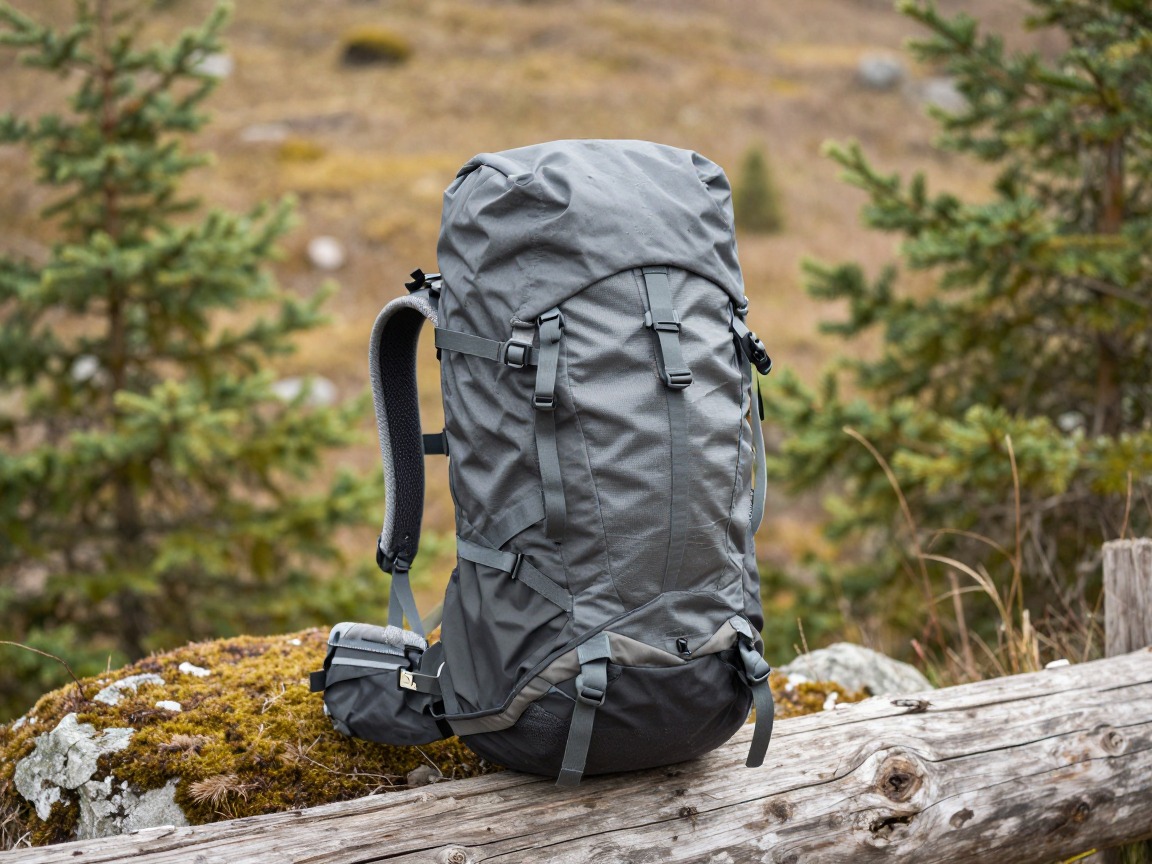
A day-sized backpack
Holds the whole kit with room for shed layers; look for a comfortable back panel and a simple hip belt to steady the load.
What to look for: A supportive back panel, a simple hip belt to steady the load, and 18–25 L for most day hikes. Fit and comfort beat feature count every time.
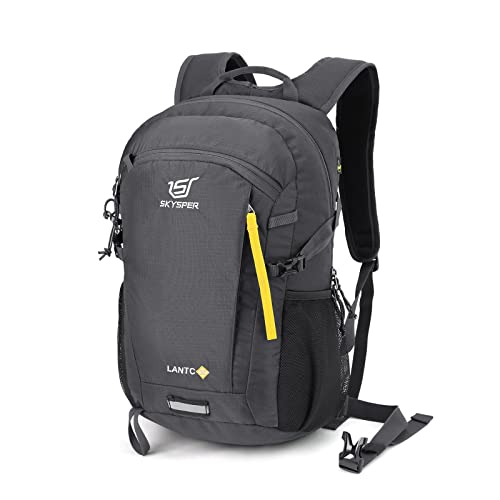 SKYSPER Small Hiking Backpack Check price
  Osprey Sportlite 20L Lightweight Hiking Backpack Check price
 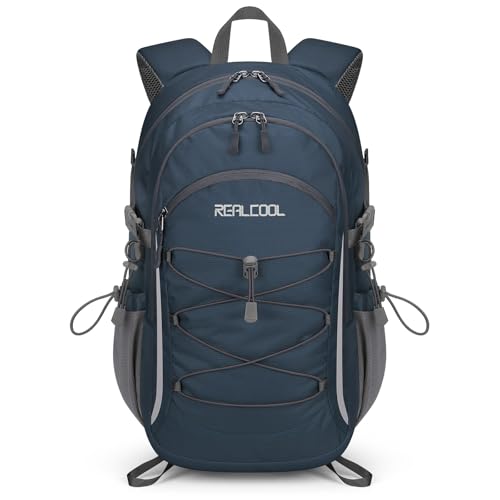 RealCool 20L Lightweight Hiking Backpack Check price
 Water & food
Carry more water than you think, plus a way to treat more — and treat food as fuel, not an afterthought.
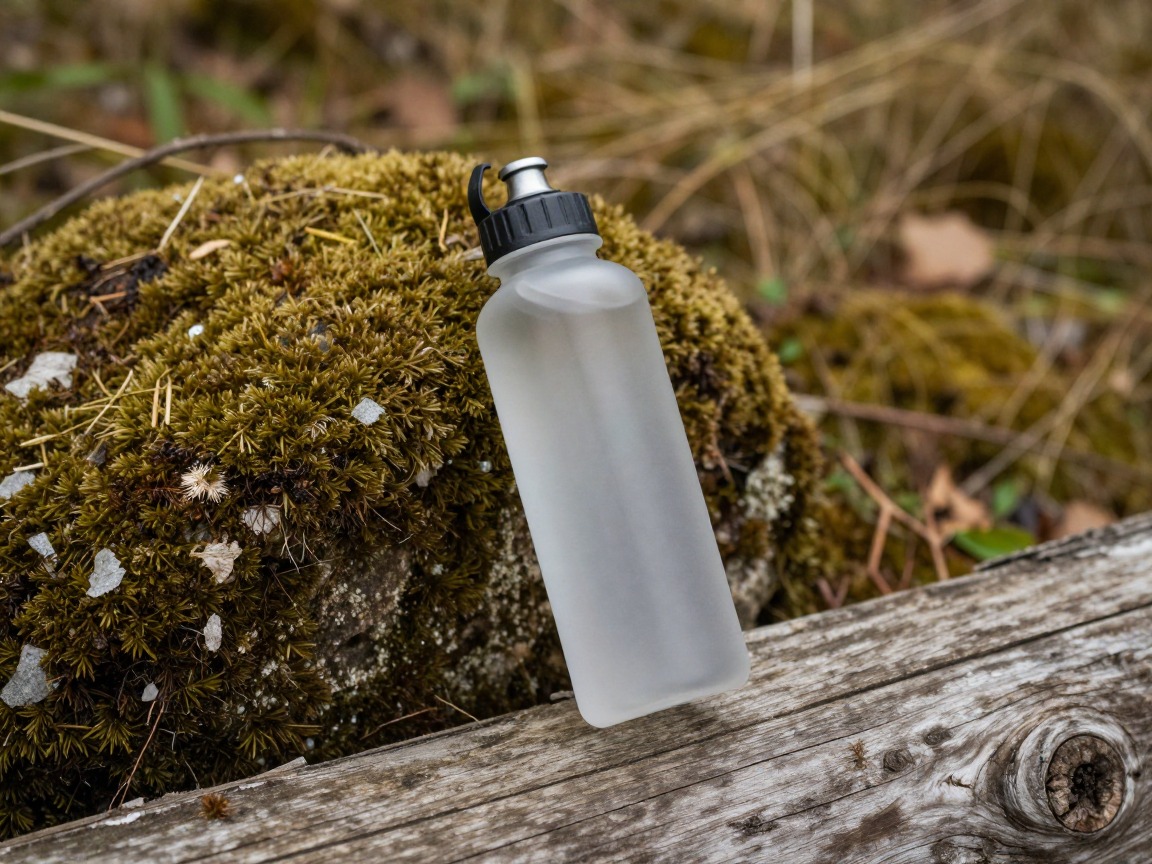
Water bottle
Simple, tough and easy to refill — a wide mouth is easier to fill from a stream or add electrolyte tabs to.
What to look for: A tough, wide-mouth bottle — easy to refill from a stream and to drop electrolyte tabs into. 1 L is a handy unit; insulated if you hike in real heat or cold.
 Nalgene 32 oz Wide Mouth Water Bottle Check price
  Nalgene 32 oz Wide Mouth Water Bottle Check price
  Nalgene 32 oz Wide Mouth Water Bottle Check price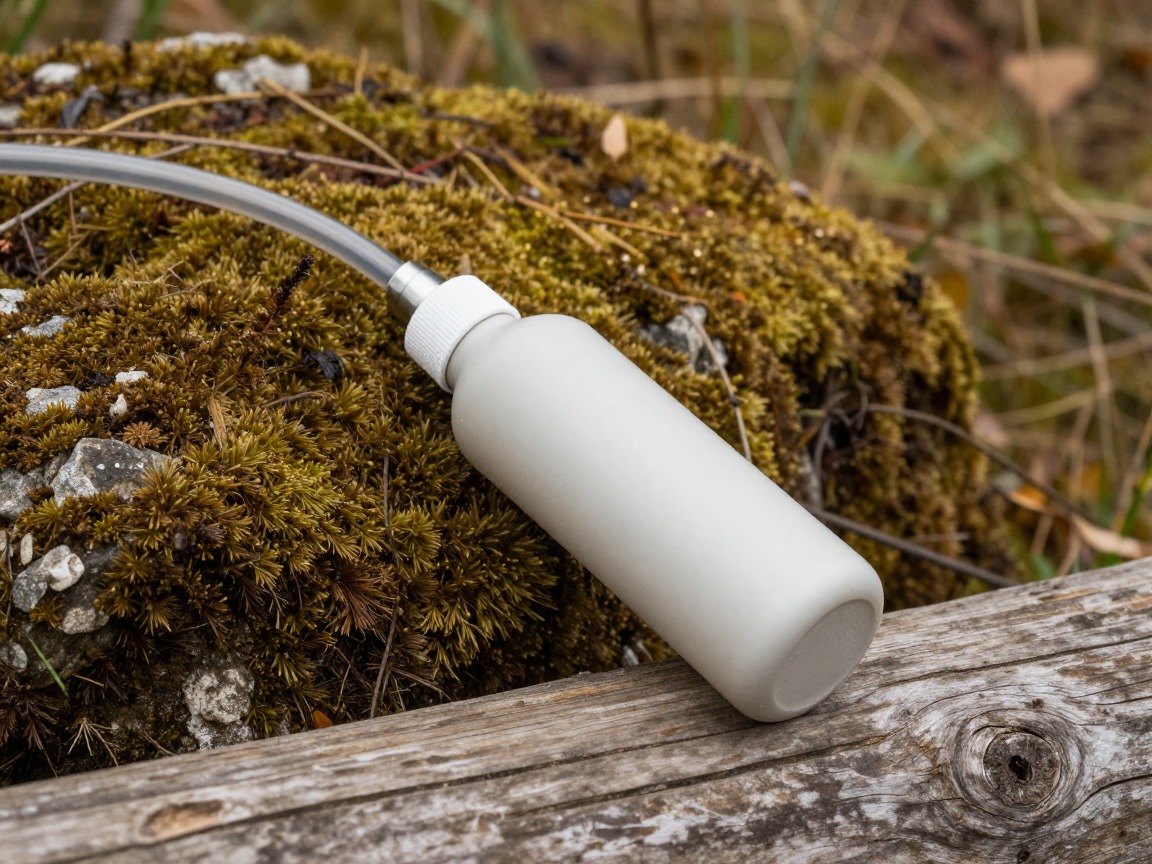
Hydration reservoir
A bladder and hose let you sip hands-free and often, which is why hikers who use one tend to drink enough.
What to look for: A 1.5–2 L bladder with a lockable bite valve, a wide fill opening for cleaning, and a hose that clips within reach. Check it fits your pack's sleeve.
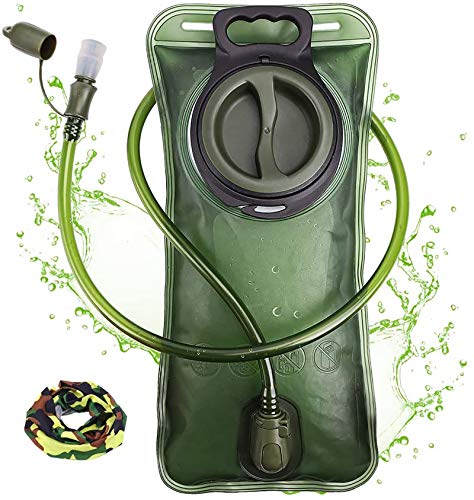 Hydration Bladder Check price
  Hydration Bladder Check price
  Mdvora 1.5L/2L/2.5L/3L Hydration Bladder Check price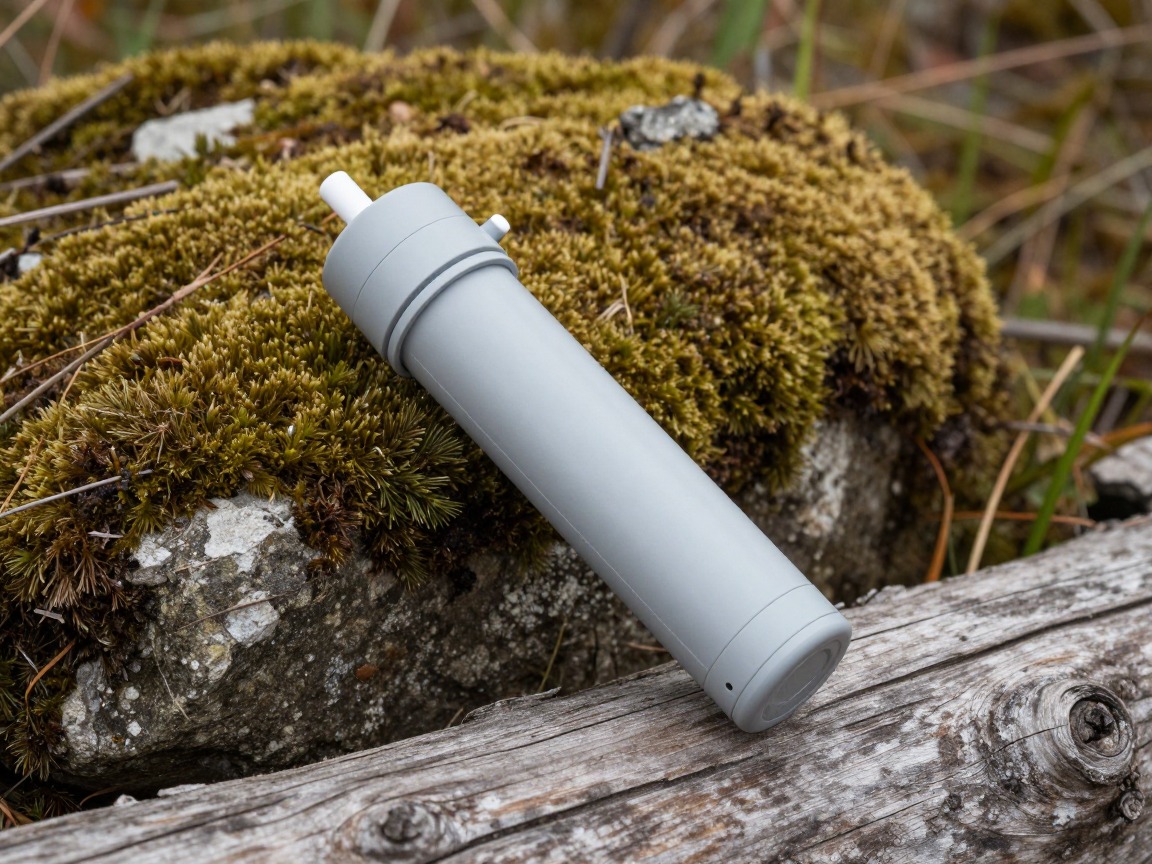
Water filter
Turns any stream into safe drinking water so you're never fully dependent on what's on your back.
What to look for: Fast flow, easy backflushing, and low weight — a squeeze filter covers most day hikes. Note its flow rate and, in winter, its freeze limits.
 Sawyer Squeeze Water Filtration System Check price
  Sawyer Products SP128 Mini Water Filtration System Check price
  LifeStraw Personal Water Filter for Hiking Check price
 - Lunch + high-energy snacks
- Electrolyte tabs or drink mix
- A spare day's emergency food
Clothing & layers
Dress in layers you can add or shed, and never rely on cotton — a warm layer and a shell pay for their weight the moment the weather turns.
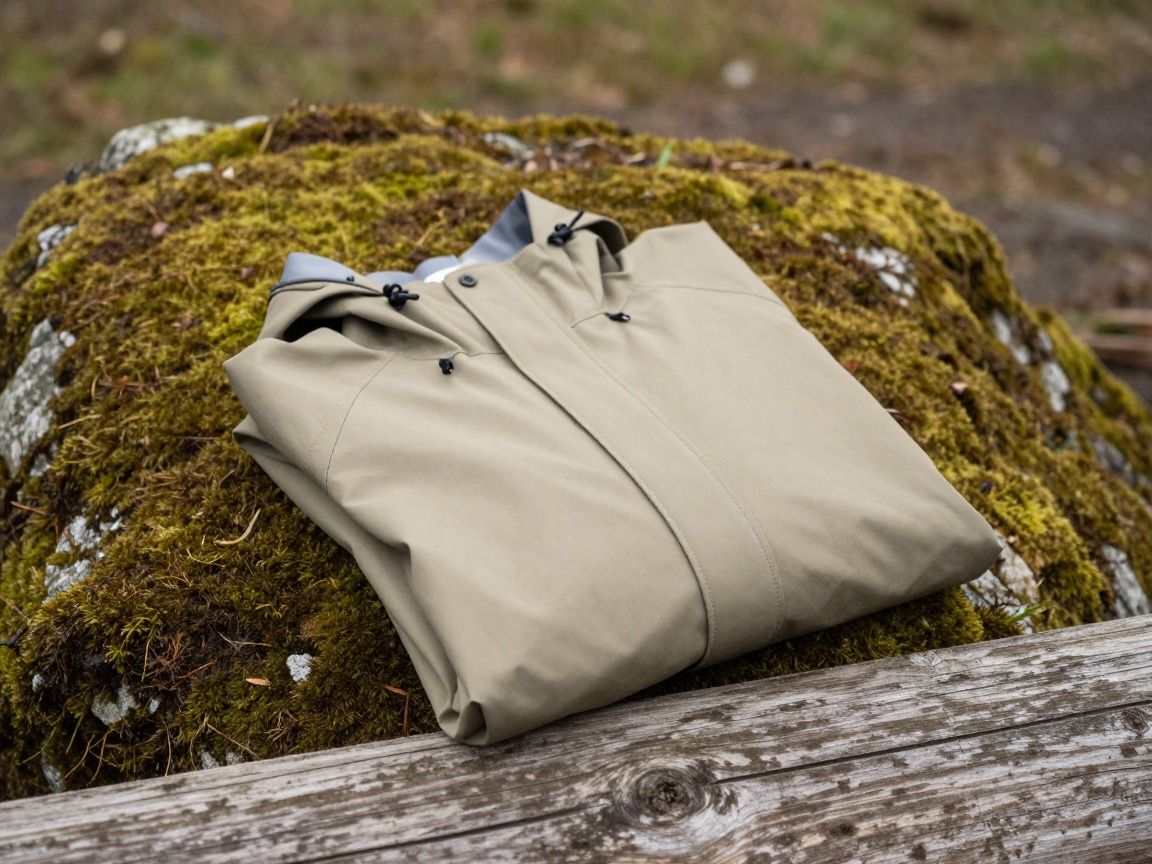
Rain shell
A packable waterproof jacket blocks wind as well as rain — the single most weather-proofing item for its weight.
What to look for: Waterproof and breathable, with a hood that fits over a hat and pit zips to dump heat on the climb. Small enough packed that you always bring it.
 UIQUR Mens Rain Jacket Raincoat Waterproof Windbreaker Black L Check price
  COOFANDY Men's Waterproof Hiking Travel Shell Breathable Rain Jacket Check price
  Columbia Womens Arcadia II Waterproof Rain Jacket Check price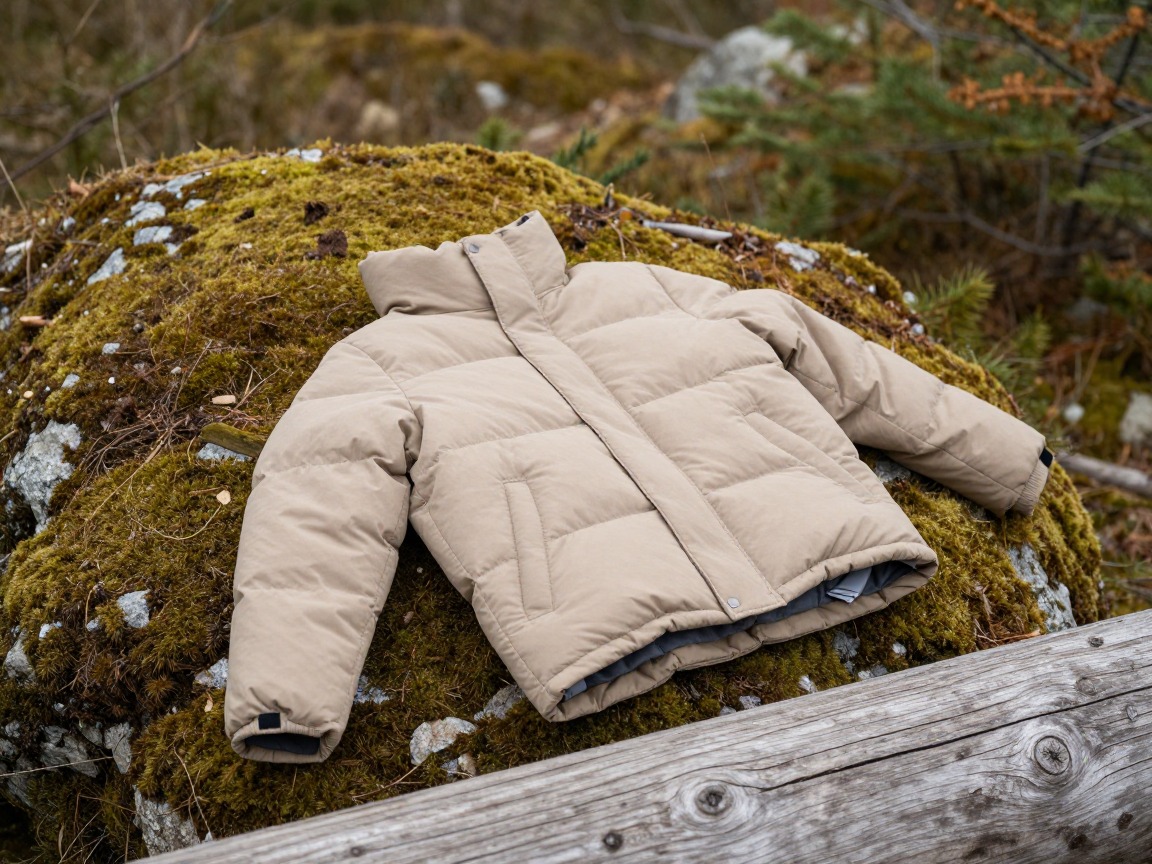
Warm layer
A light fleece or packable puffy for breaks, summits and unexpected cold; it stuffs down to nothing in the pack.
What to look for: The most warmth for its weight and pack size — a light fleece for active warmth, or a packable puffy for breaks and summits. Synthetic shrugs off damp better than down.
 Outdoor Ventures Women's Packable Lightweight Puffer Jacket with Hoo Check price
  Amazon Essentials Women's Lightweight Long-Sleeve Water-Resistant Pa Check price
  Outdoor Ventures Women's Packable Lightweight Puffer Jacket with Hoo Check price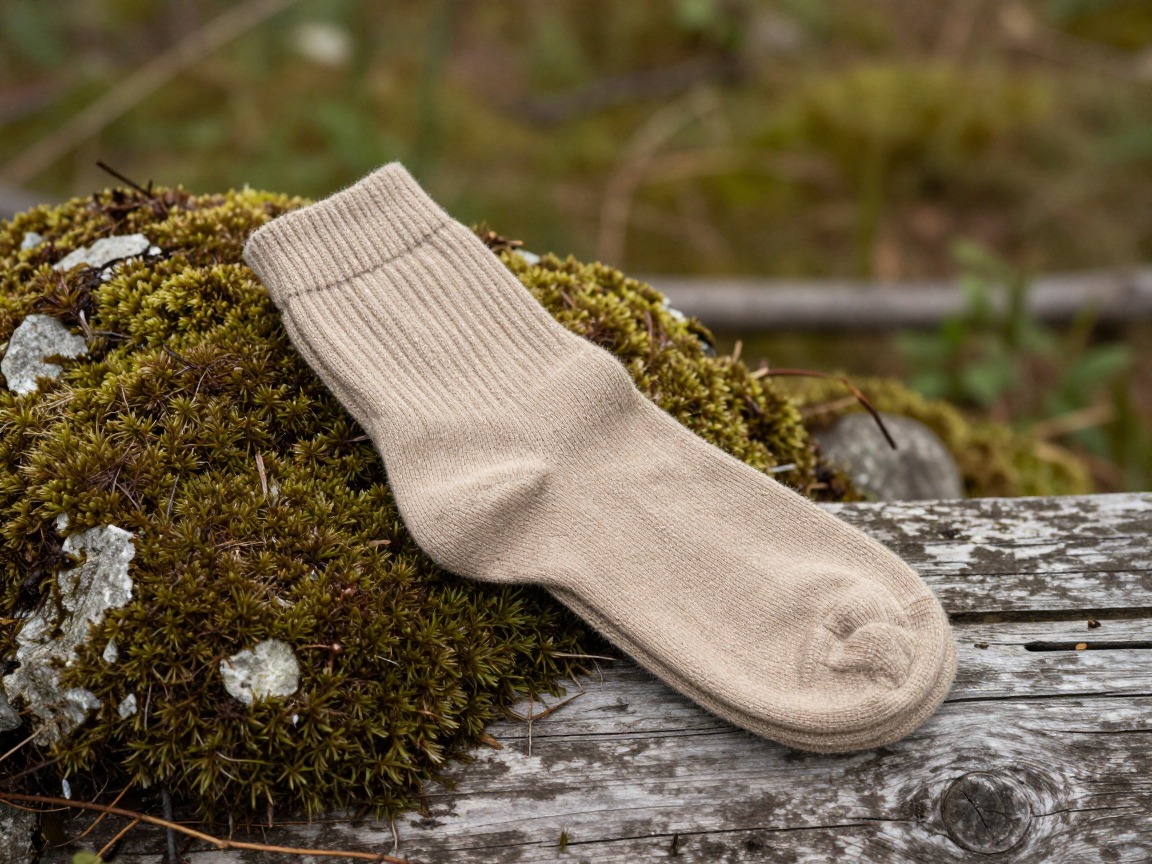
Hiking socks
Wool or synthetic socks manage moisture and prevent the blisters that end more hikes than any other injury.
What to look for: Wool or a wool blend, cushioned where your boot rubs, tall enough to clear the cuff. Never cotton — it holds sweat and breeds blisters.
 Alvada Merino Wool Hiking Socks Thermal Warm Crew Winter Boot Sock F Check price
  DANISH ENDURANCE Merino Wool Socks for Men & Women Check price
  innotree 3 Pack Men's Merino Wool Hiking Socks Check price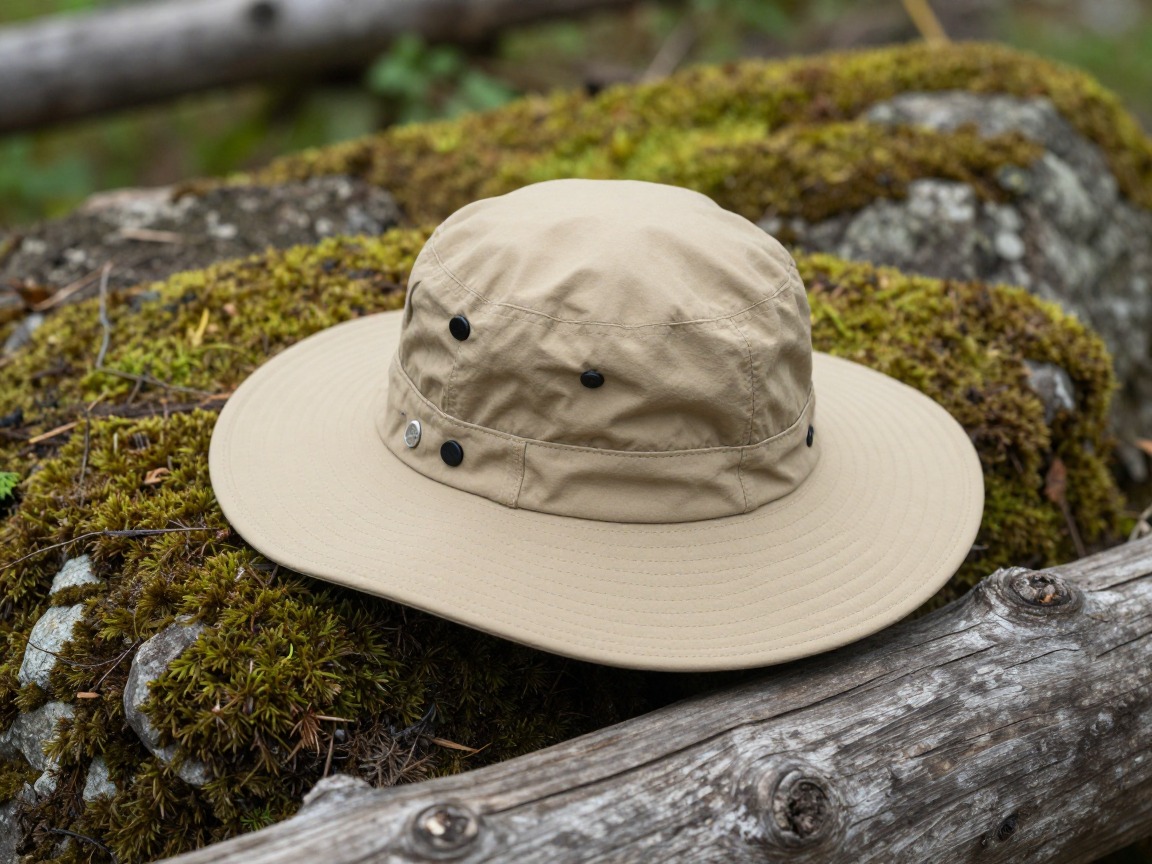
Sun protection
A brimmed hat plus sunscreen and sunglasses; sun exposure adds up fast on exposed trails.
What to look for: A brim that actually shades your face and neck, breathable and packable, paired with UV sunglasses and sunscreen. Skip cotton if it'll get sweaty.
 FURTALK Womens Sun Hat with Ponytail Hole Beach Hiking Summer Wide B Check price
 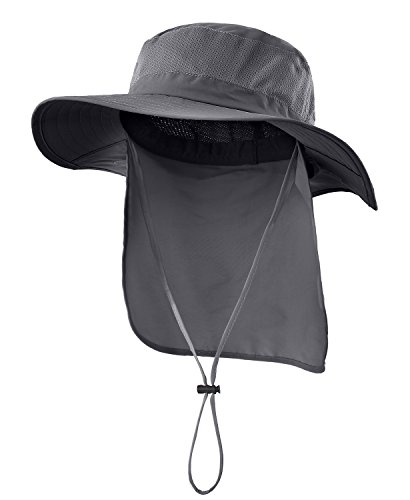 Home Prefer Outdoor UPF50+ Mesh Sun Hat Wide Brim Fishing Hat with N Check price
  FURTALK Sun Hats for Men Fishing Hat UPF Protection Wide Brim Bucket Check price
 - Moisture-wicking shirt & hiking pants/shorts
- Warm hat or buff (shoulder seasons)
Navigation, light & safety
A light, a map and a small first-aid kit turn 'benighted and lost' into 'a bit late' — and they weigh almost nothing.
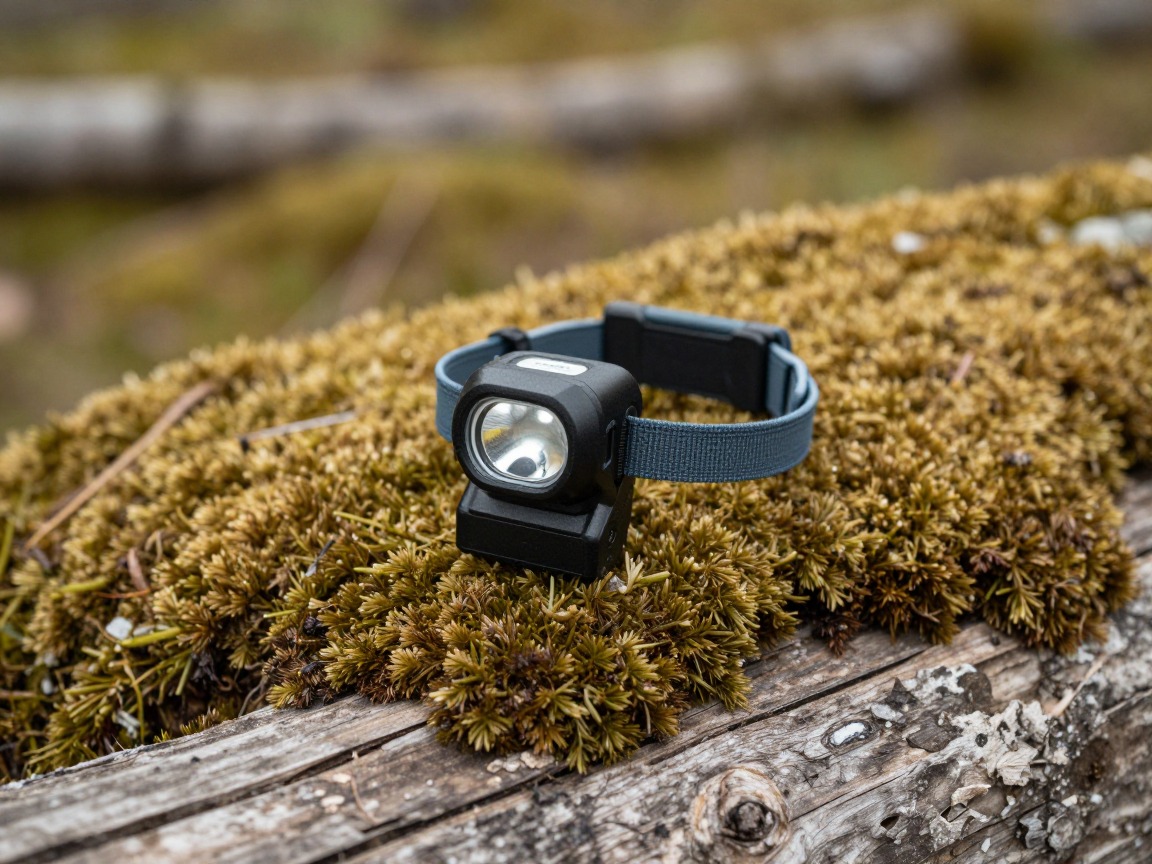
Headlamp
Hands-free light for an unplanned late finish; always worth carrying even when you 'won't need it'.
What to look for: Enough output to hike by (roughly 200+ lumens), a comfortable strap, and either rechargeable or easily-swapped batteries. A lock mode stops it draining in your pack.
 LHKNL Headlamp Flashlight Check price
 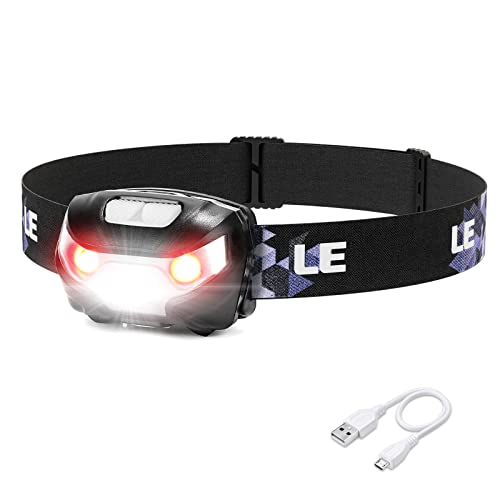 Lepro LED Headlamp Rechargeable IPX4 Waterproof Headlight 5 Modes - Check price
 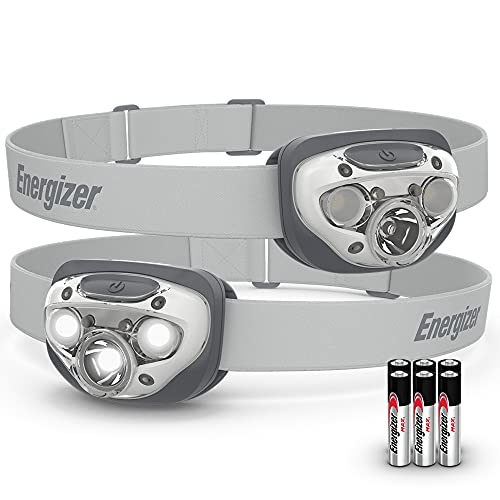 Energizer LED Headlamp PRO Check price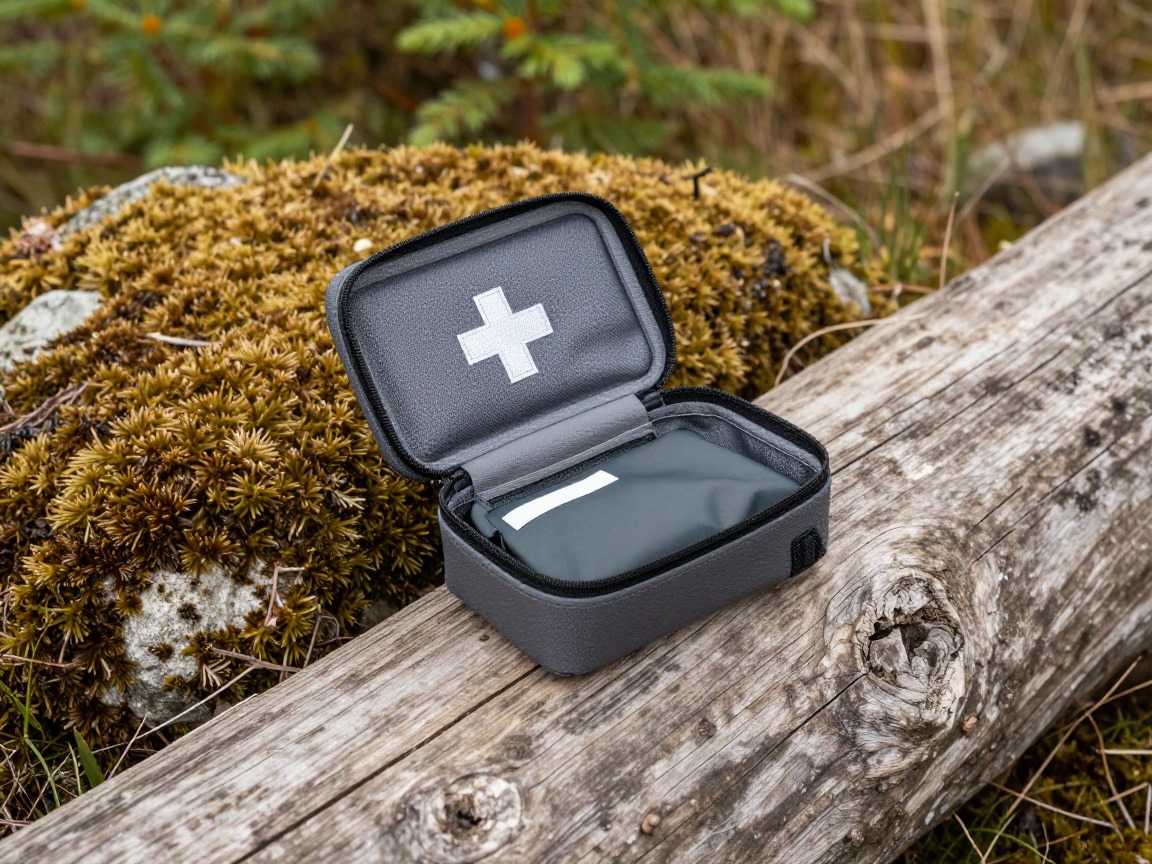
First-aid kit
A compact kit for blisters, cuts and the small stuff — pair it with knowing how to use it.
What to look for: A compact kit weighted toward blisters, cuts and the meds you actually use — then learn what's in it. Bigger isn't better if you can't use it.
 Mini First Aid Kit - 150 Piece Small Waterproof EVA Hard Shell Case Check price
  Adventure Medical Kits Ultralight/Watertight Medical Kit .5 Check price
 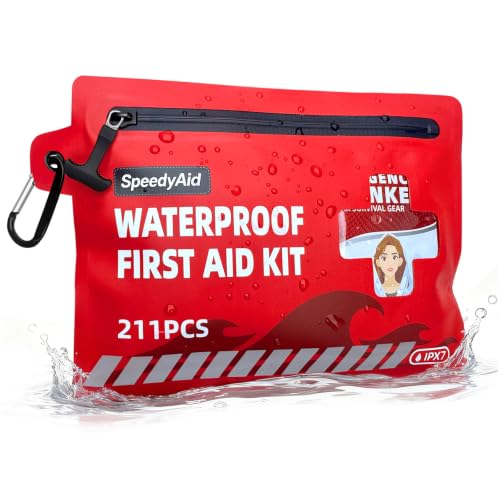 211 PCS Waterproof First Aid Kit Check price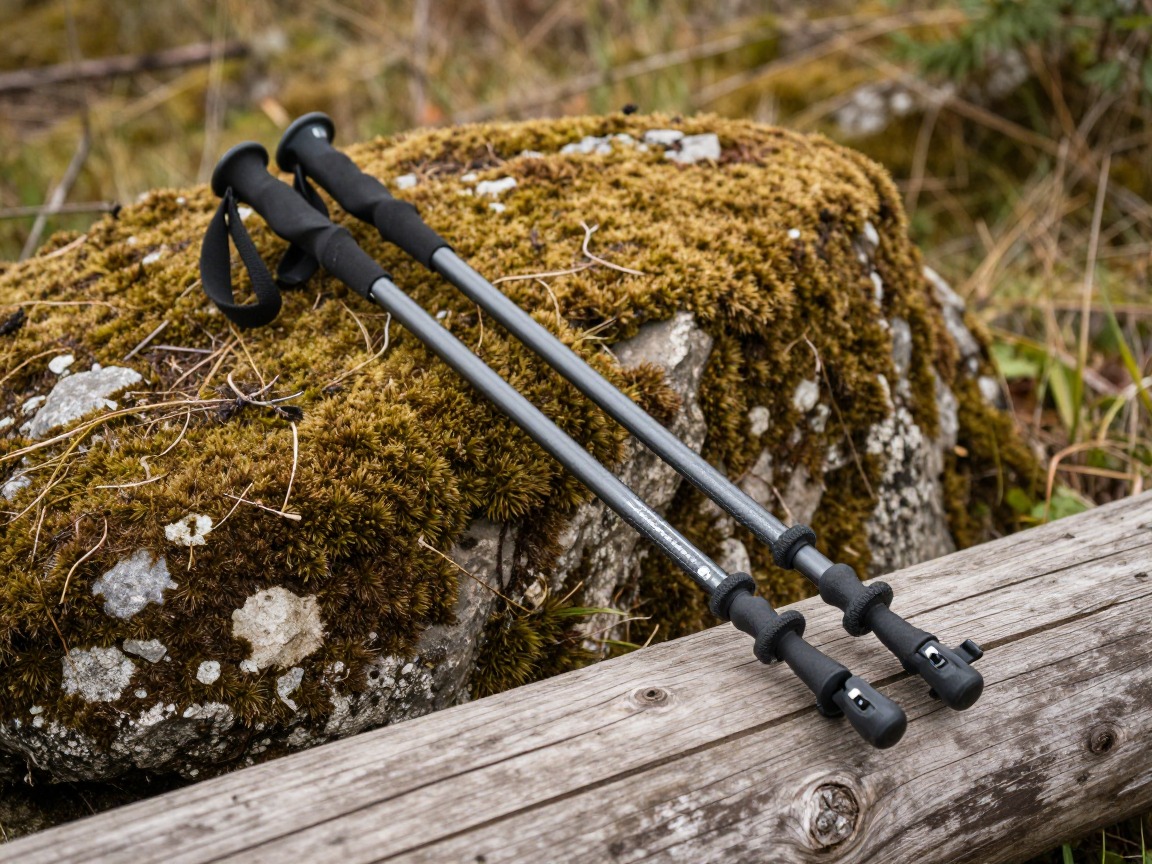
Trekking poles
Optional, but they save your knees on descents and add stability on rough or slippery ground.
What to look for: Adjustable, comfortable grips (cork or foam beat plastic on long days) and locks that hold under load. Carbon saves weight; aluminium takes more abuse.
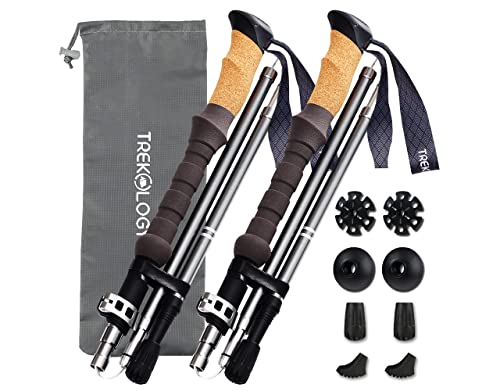 Trekology Trek-Z Cork Grip Collapsible Lightweight Hiking Trekking P Check price
 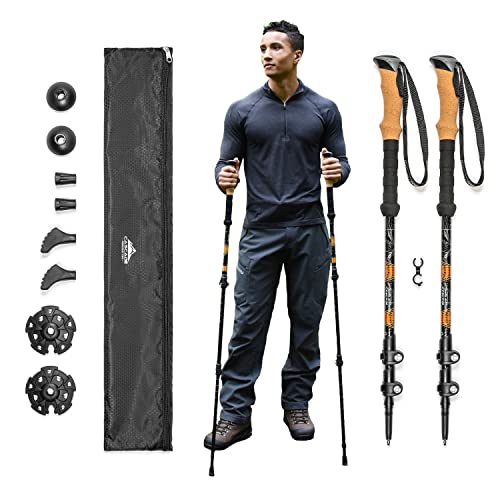 Cascade Mountain Tech Trekking Poles Check price
 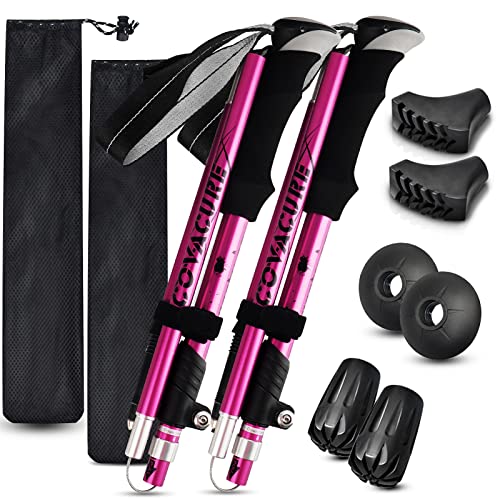 covacure Hiking Poles Check price
 - Map + compass or GPS (with offline maps)
- Sunscreen & SPF lip balm
- Whistle
- Phone + power bank
- Fire — lighter/matches
- Emergency shelter (bivy/space blanket)
How to adapt this setup
A quick, warm, well-marked stroll? Drop to a 15 L pack and trim the spare layers — but keep water, a light shell and the safety trio. The essentials don't get optional just because the hike is short.
Big miles or empty trails mean more of everything: extra water and food, a fuller first-aid kit, and a shift toward the redundancy on the weekend backpacking list. Being far from help changes the maths.
Water leads: carry more than the distance suggests, bring a way to treat more, and add electrolytes and real sun protection. Start early and plan your turnaround around the heat.
Add an insulating layer, a warm hat and gloves, and pack for early darkness with a reliable headlamp. For snow and ice underfoot, step up to the winter day-hike setup.
Common mistakes to avoid
- Carrying too little water — with no filter or tablets to safely top up when it runs out.
- Wearing cotton socks or a cotton shirt that stay wet, chafe and chill you.
- Leaving the rain shell and warm layer behind 'because the forecast was clear'.
- No headlamp, so an unplanned late finish turns into a night-time epic.
- Not telling anyone your route, or hiking with no turnaround time in mind.
- Hauling a big, heavy pack you don't need instead of a light day pack that fits.
Make it yours
Frequently asked questions
What should I pack for a day hike?
The Ten Essentials, sized to the trip: a 15–30 L pack, water plus a way to treat more, food, a warm layer and a rain shell, sun protection, a headlamp, a small first-aid kit, navigation, and a fire and emergency-shelter option. That covers a normal hike and most of the ways one can go sideways.
How much water should I bring on a day hike?
A common guide is about half a liter per hour of moderate hiking, and more in heat or at altitude. Just as important, carry a filter or purification tablets so you can safely refill from a stream and never be fully reliant on what's on your back.
What size backpack do I need for day hiking?
Most day hikers are well served by 15–30 liters — enough for layers, food, water and the essentials without carrying a half-empty bag. Warm, short outings can go smaller; winter or camera-laden days go bigger. Our pack-size finder and daypack guides can dial it in.
Do I really need a first-aid kit for a day hike?
Yes. A compact kit for blisters, cuts and the small stuff keeps a minor issue from ending your day, and it matters far more when help is hours away. Carrying it is only half the job — knowing how to use it is the rest, so consider a basic first-aid course.
Are trekking poles worth it for day hiking?
For many hikers, yes: poles take load off your knees on descents and add stability on loose, wet or uneven ground. They're optional on easy, flat trails but a real help on steep or rough terrain.
Illustrative images show the type of gear, not specific products. Recommendations link to similar items on Amazon; we only ever link real listings and never show fabricated prices or ratings. General planning guidance, not a substitute for your own judgment or professional backcountry-safety instruction.