
The overnight backpacking setup
Your first night backpacking doesn't need to be complicated. This is the full overnight system — pack, shelter, sleep, kitchen, clothing and safety — kept simple and sized for one night, so you can focus on the trail instead of second-guessing your gear.
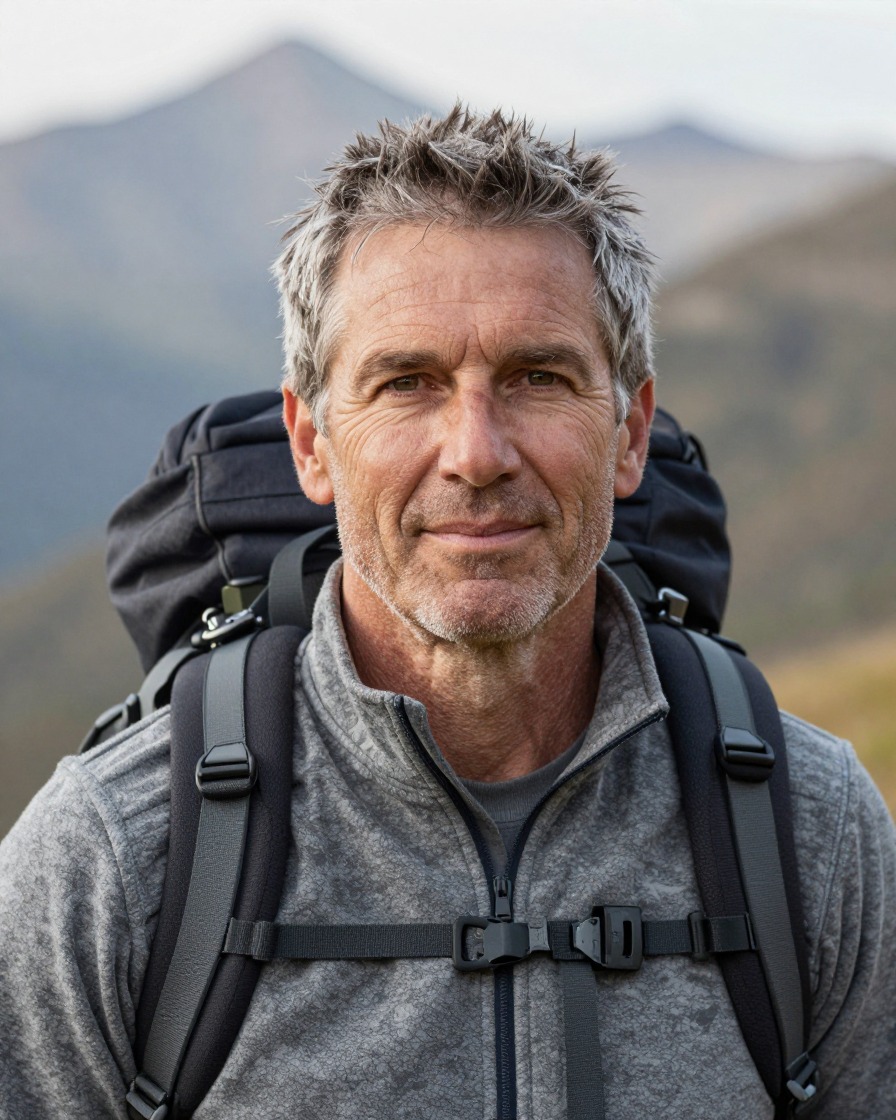
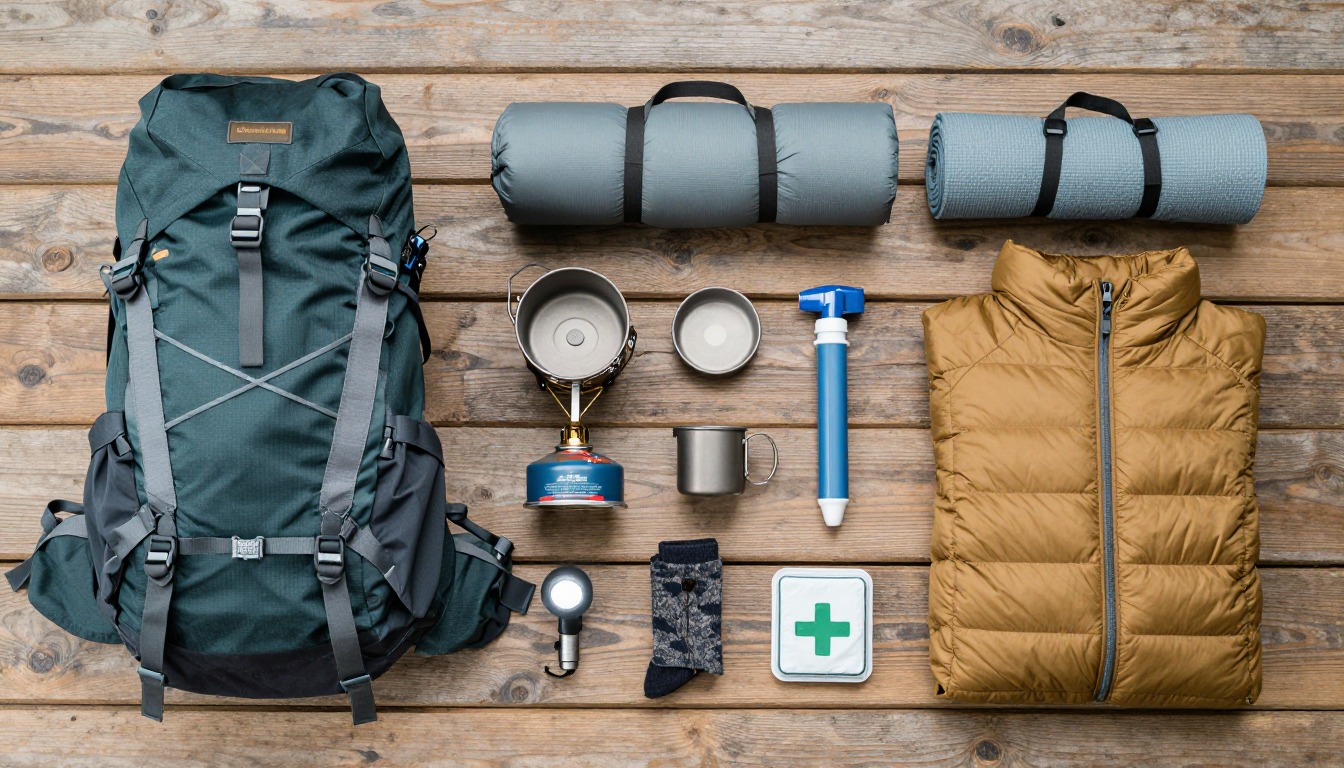
A single night out only asks for one dinner, one breakfast and one sleep, so the kit stays deliberately small. Everything here is chosen to do one job well: keep you warm, fed and safe for about a day and a night on the trail, without the redundancy or bulk a longer trip would need. Keep the list this tight and the pack stays light enough that carrying it barely changes how the hike feels.
This setup suits anyone doing their first overnight, or anyone who wants a simple, no-fuss kit for a quick one-night trip on an established trail in three-season weather. If you're already comfortable overnight and heading out for two or three nights, step up to the weekend backpacking list; if you want to go lighter and faster once you've got a night or two behind you, an ultralight setup is the next move.
- Start with the pack — a mid-size pack, roughly 35–45 L, is plenty for one night's gear.
- Build the sleep system next: a bag rated for the expected overnight low, and a pad with enough insulation underneath it.
- Keep the kitchen to one pot and a canister stove — you're only cooking two meals.
- Add the clothing and safety layers, weigh the finished pack, and trim anything you added 'just in case'.
About this setup
Your first night backpacking is really just a day hike that doesn't end at the trailhead — the same trail, roughly the same effort, plus the small system that lets you sleep out and walk out again in the morning. It's one of the best ways to find out whether backpacking is for you, because the stakes stay low: one night, a couple of meals, and a car waiting nearby if anything goes sideways.
The easiest mistake on a first overnight is copying the weekend list wholesale — extra food 'just in case,' a bigger stove than you need, a first-aid kit sized for a week out. None of that helps; it just adds weight to a pack that was supposed to teach you how backpacking actually feels. This setup deliberately covers the same six categories as a longer trip — pack, shelter, sleep, kitchen, clothing, safety — but sized down to exactly what one night requires.
Treat this trip as a dress rehearsal. Pitch the tent in the yard first if you haven't before, test the stove at home, and pack the bag a day early so you're not guessing what goes where at the trailhead. Once you've pulled off one night successfully, adding a second or third is a small step — the weekend backpacking list picks up right where this one leaves off.
The pack
One night's gear fits comfortably in a mid-size pack — you don't need the volume a longer trip would call for.
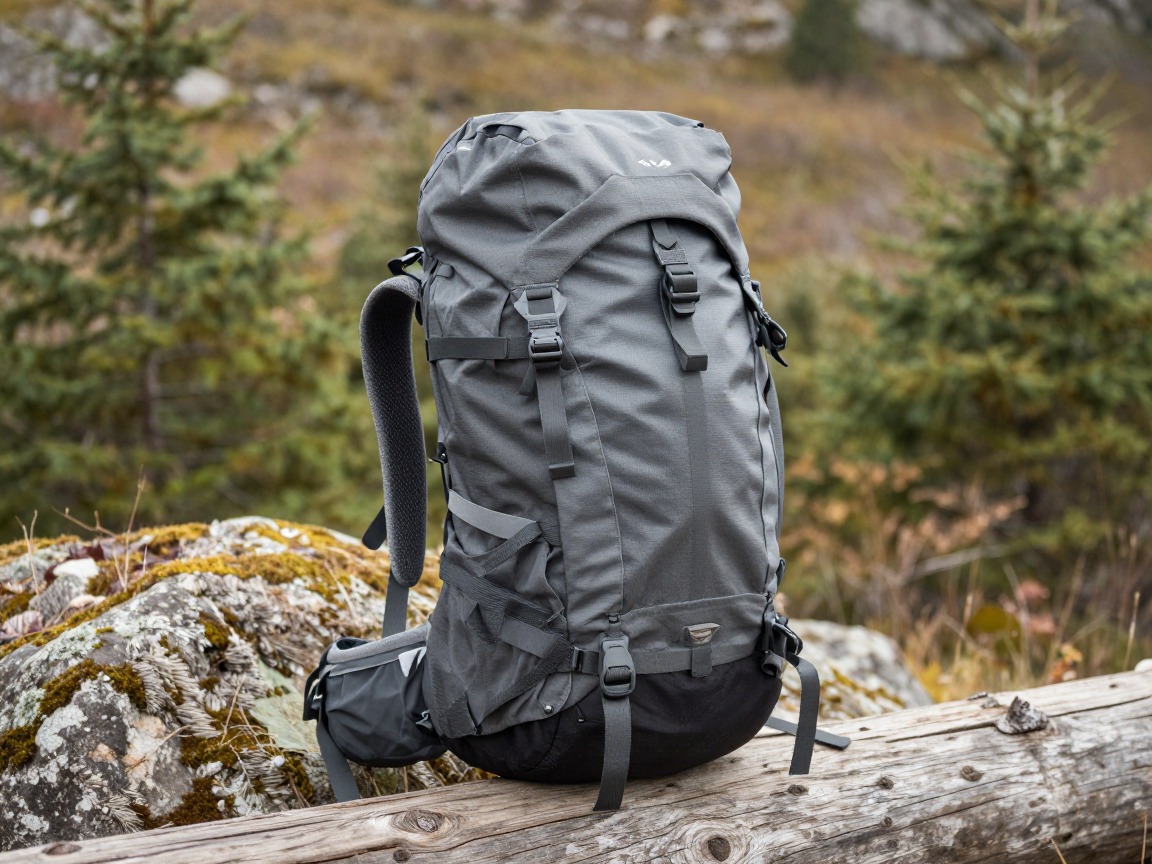
Overnight pack
Carries your shelter, sleep system and one day of food and fuel — smaller and lighter than a multi-night pack because there's simply less to carry.
What to look for: A supportive hip belt, a torso length that actually fits you, and roughly 35–45 L — plenty for one night without the extra bulk of a bigger multi-day pack.
 WoneNice 50L Check price
  Teton 55L Scout Internal Frame Backpack for Hiking Check price
 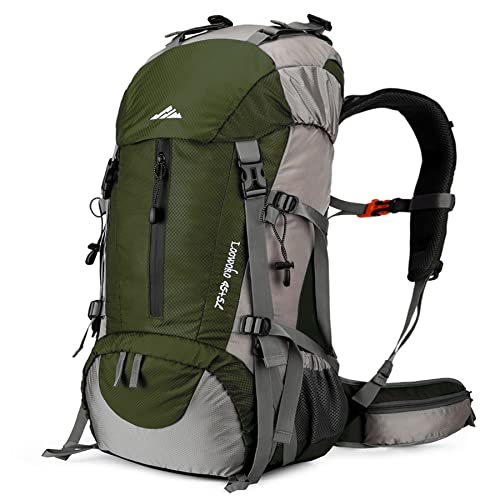 Loowoko 50L Hiking Backpack with Rain Cover for Both Men & Women Check price
 - A pack rain cover or liner
Shelter
A simple, easy-to-pitch shelter is all a single night calls for — save the specialized options for once you've got a few nights of practice.
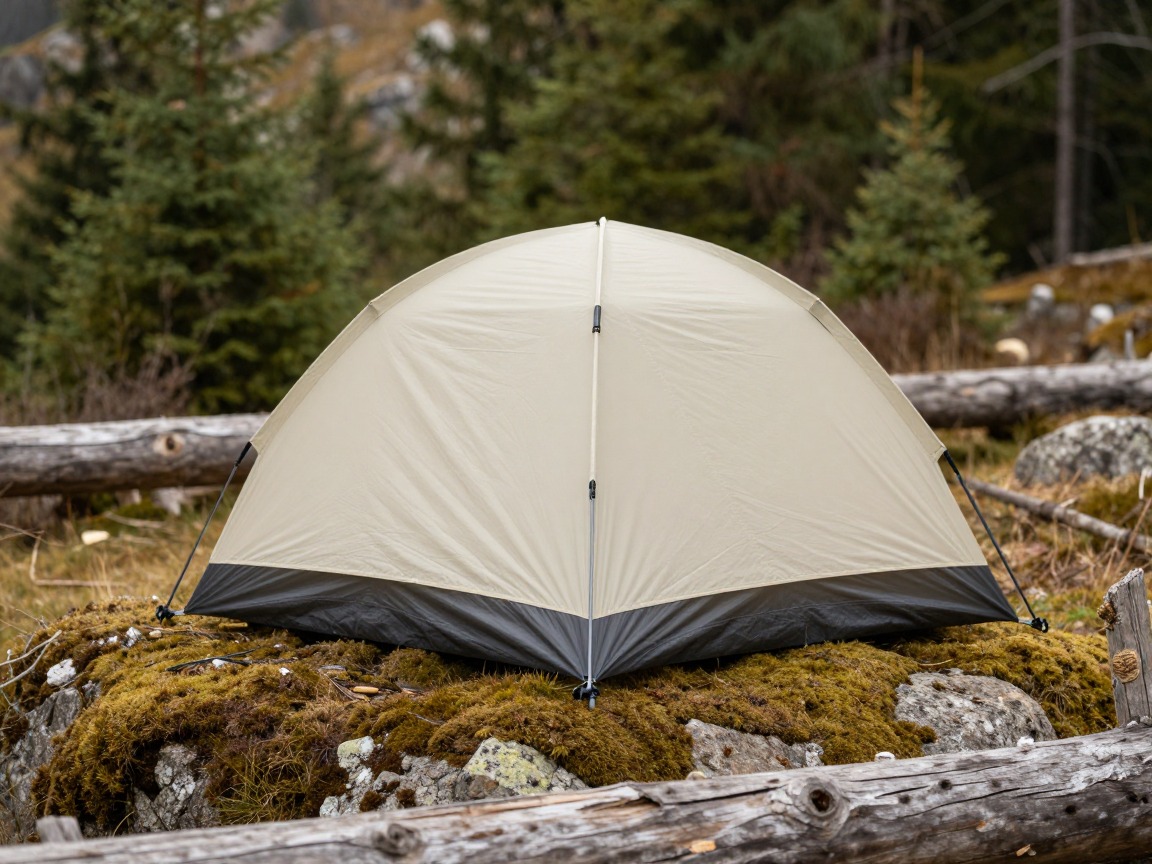
Backpacking tent
Your shelter for the night — a freestanding two-person tent is quick to pitch even if it's your first time doing it away from home.
What to look for: Easy, forgiving setup, a full-coverage rainfly, and a packed weight you're happy carrying for one night. A two-person tent gives one person and their gear room to spare.
 Night Cat 2-Persons Backpacking Tent: Waterproof Lightweight Camping Check price
  BISINNA 2/4 Person Camping Tent Lightweight Waterproof Backpacking T Check price
  Forceatt Tent for 2 Person is Waterproof and Windproof Check price
 - Stakes & guylines
Sleep system
One good night's sleep is the whole point of the sleep system — match it to the actual overnight low, not just the season.
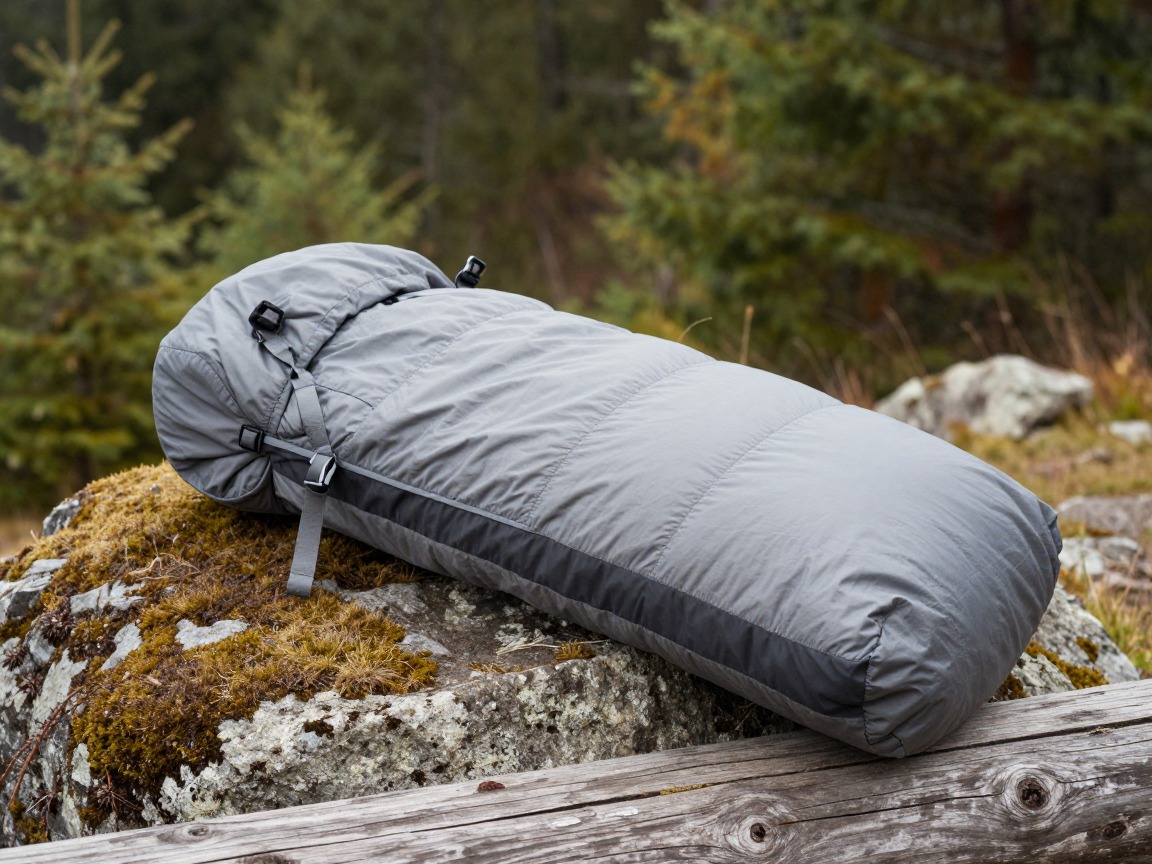
Sleeping bag
Keeps you warm through the one night that matters most on this trip — rated a bit below the forecast low so you have a margin.
What to look for: A comfort rating a little colder than the expected overnight low, and a fill — down or synthetic — that suits the conditions. You only need one bag that's warm enough, not the lightest bag that might be.
 MalloMe Sleeping Bags for Adults Cold Weather & Warm - Backpacking C Check price
 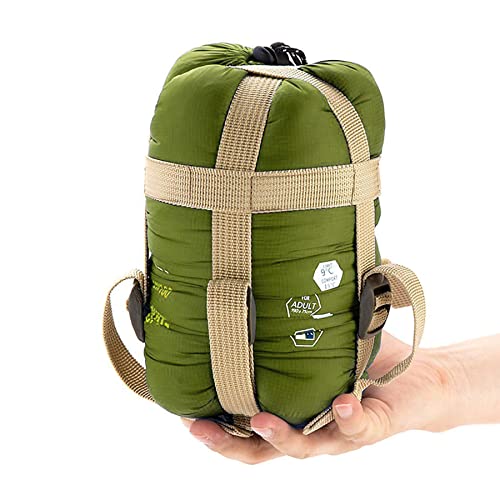 ECOOPRO Portable Check price
  Teton Trailhead Check price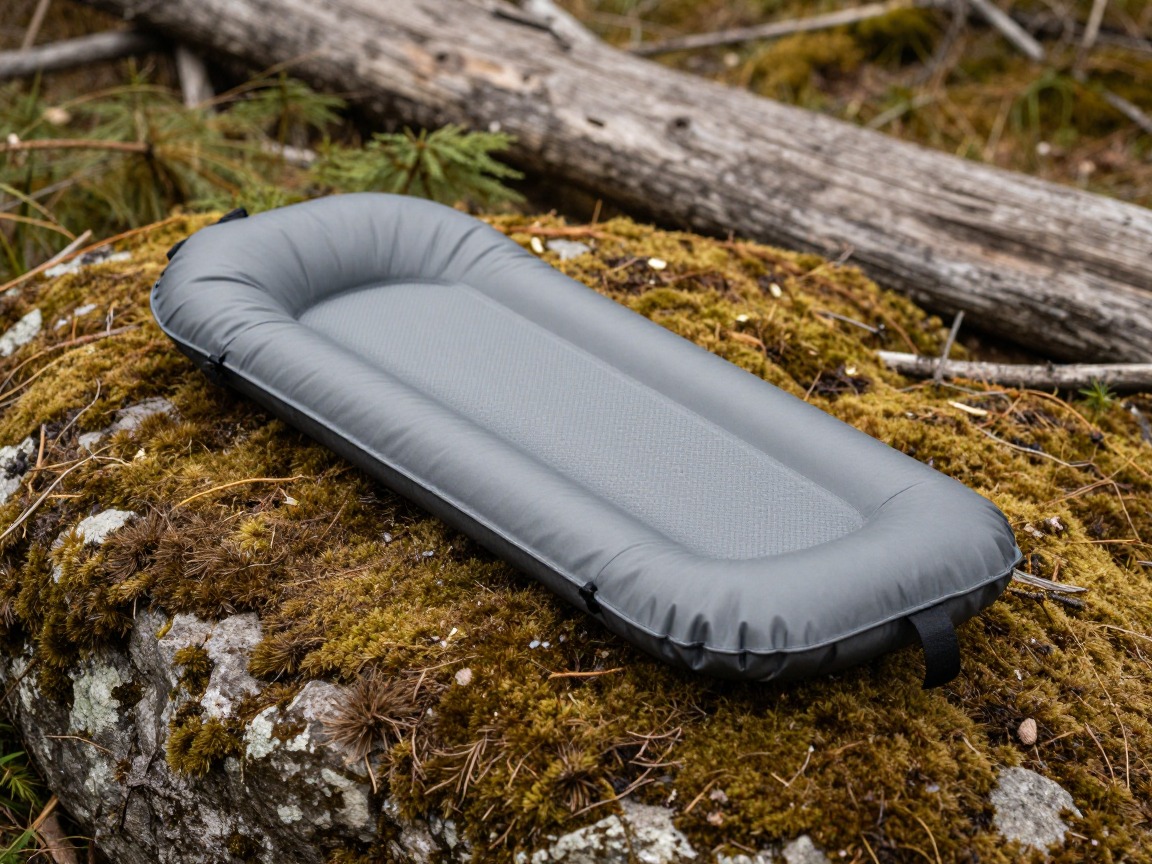
Sleeping pad
Insulates you from the cold ground beneath you — as important to staying warm as the bag itself.
What to look for: Enough R-value for the season (around 3+ for three-season nights) and a comfort level you can actually sleep on. A simple, reliable pad beats a fussy one on your first night out.
 FUN PAC Camping Sleeping Pad Check price
  Gear Doctors® Ether 17.5oz Ultralight Camping Sleeping Pad Check price
  Oramoose 4in Ultralight Camping Sleeping Pad with Pillow and Foot Pu Check price
 - Inflatable or stuff-sack pillow
Kitchen & water
You're only cooking two meals, so keep the kitchen as small as it can be — one stove, one pot, one way to treat water.
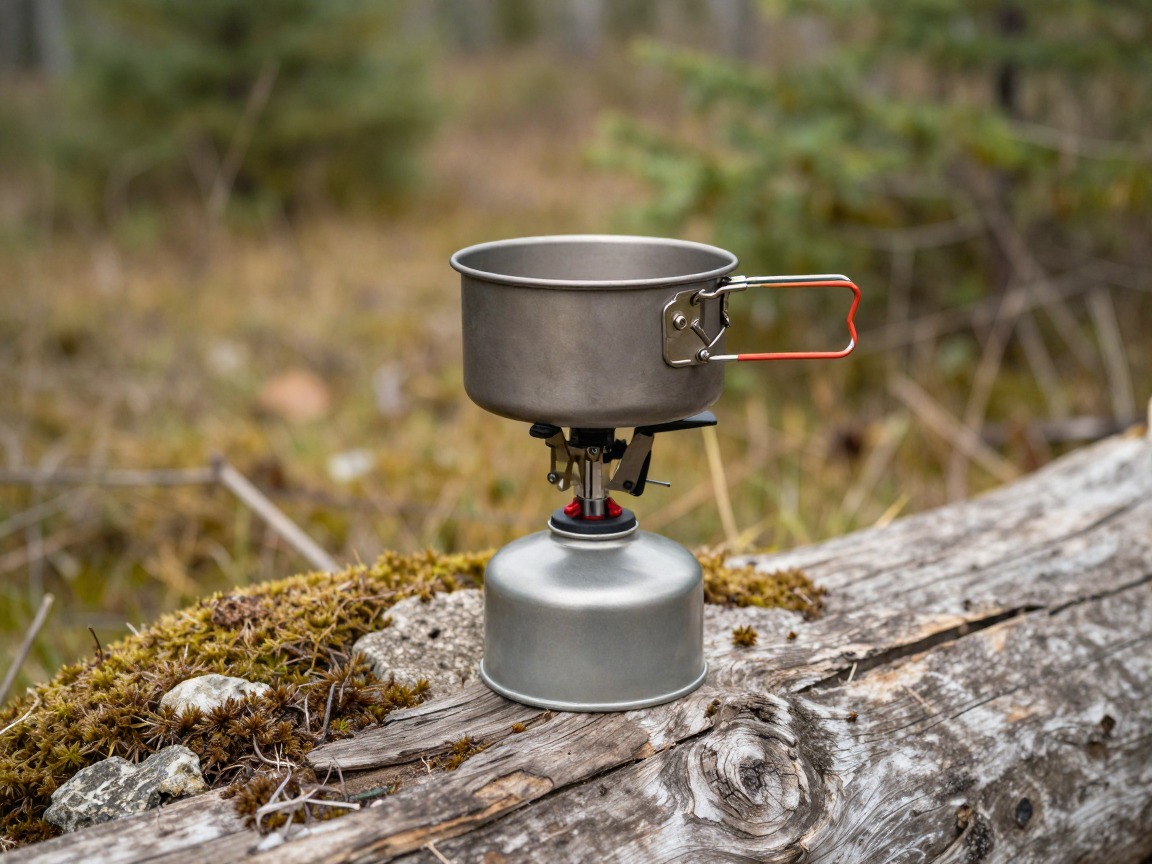
Backpacking stove
Boils water for dinner and a hot breakfast — a small canister stove is all a one-night trip needs.
What to look for: A stable, simple canister stove that boils water quickly. Save the multi-burner or simmer-focused stoves for trips where you're cooking more than twice.
 AOTU Portable Camping Stoves Backpacking Stove with Piezo Ignition S Check price
  MSR PocketRocket 2 Ultralight Camping and Backpacking Stove Check price
  Fire-Maple Greenpeak 1 Camping Stove with Piezo Ignition Portable Ga Check price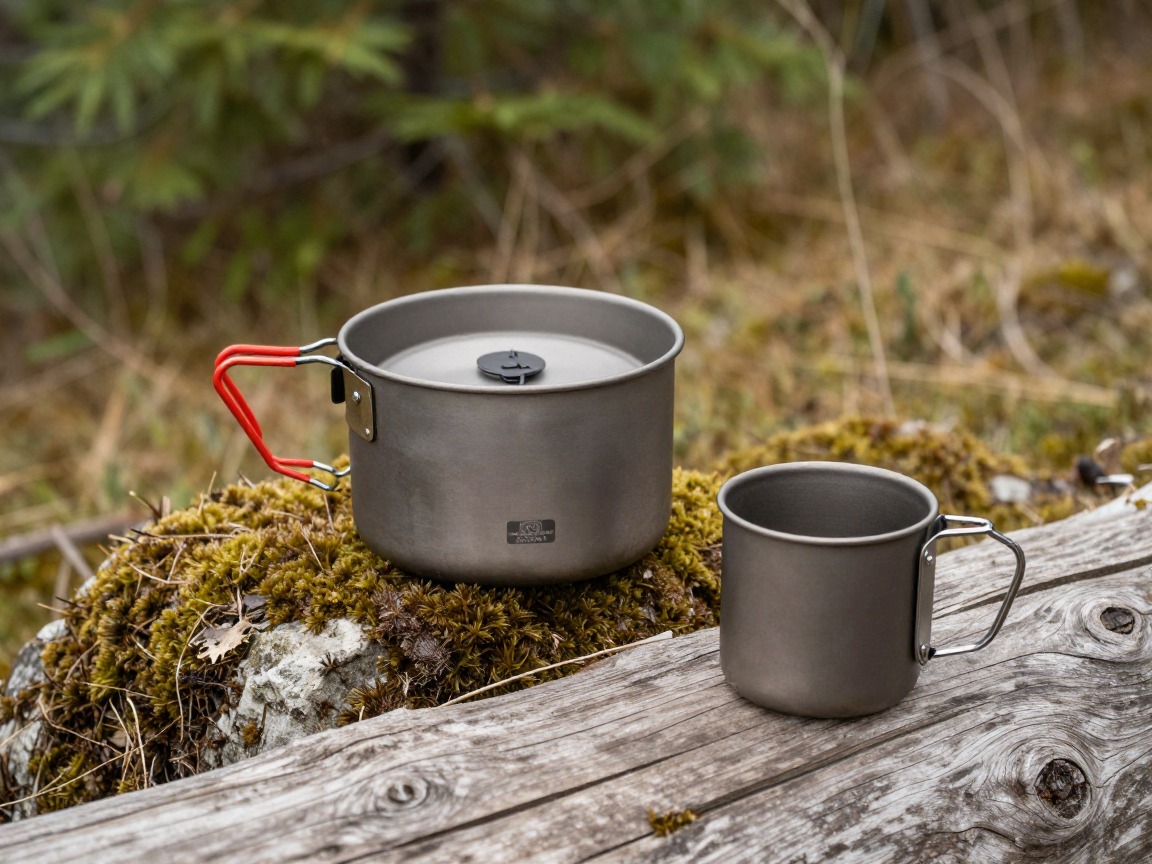
Pot & mug
One small pot handles both meals and doubles as your bowl, keeping the kitchen down to a single item.
What to look for: One pot sized for one person's meals (around 500–700 ml), a lightweight metal like titanium or aluminum, and a lid you can eat off of.
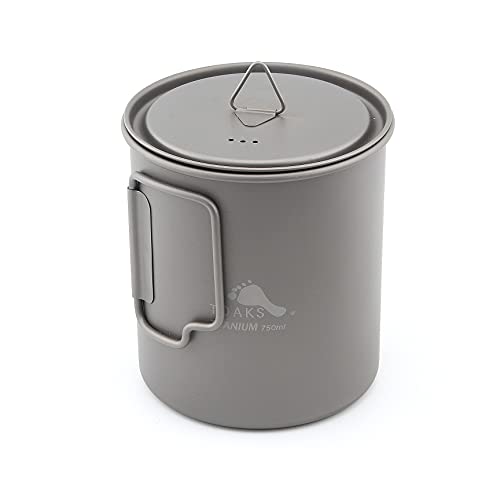 TOAKS Titanium 750ml Pot Check price
  TOAKS Titanium 750ml Pot with Bail Handle for Ultralight Camping Check price
  TOAKS Titanium 1100ml Pot with Pan Check price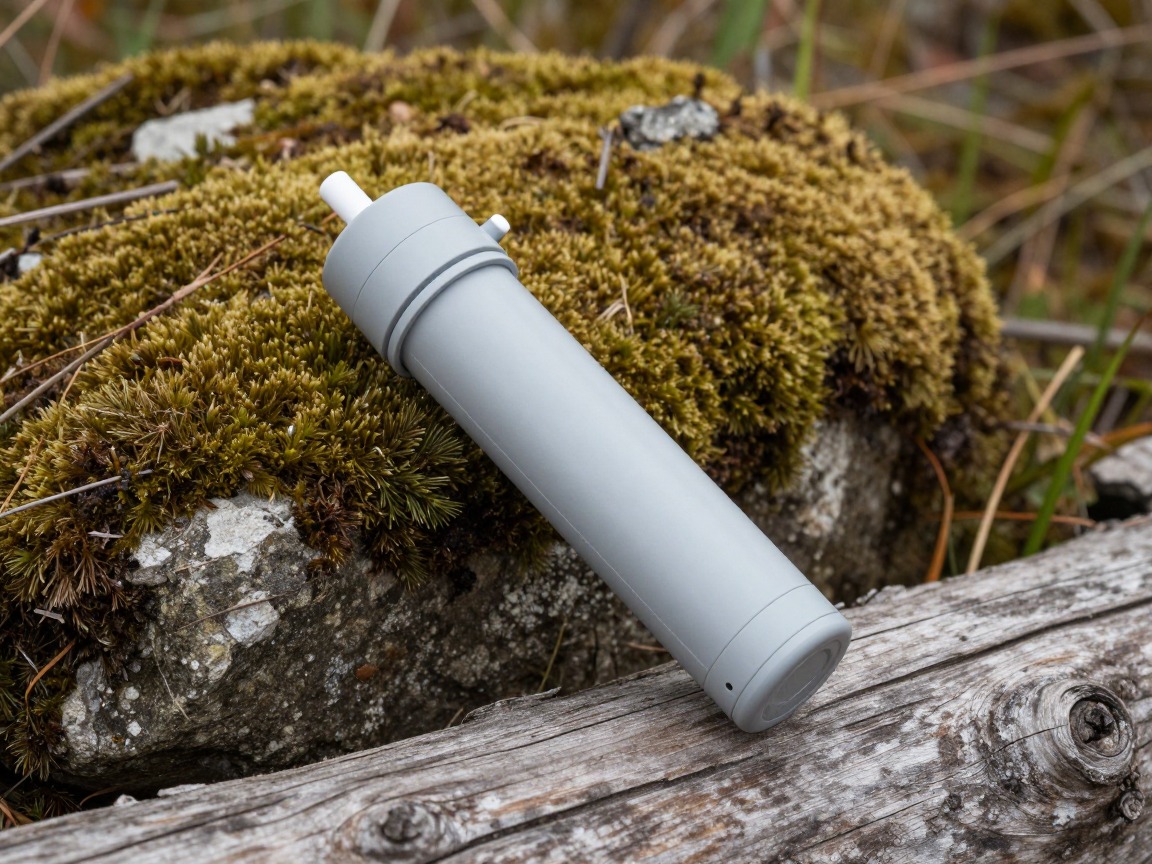
Water filter
Lets you refill from a stream or lake instead of carrying all your water for the trip.
What to look for: A simple squeeze or gravity filter that's fast and easy to use — for one night, you don't need a heavy-duty or high-volume system.
 Sawyer Squeeze Water Filtration System Check price
  Sawyer Products SP128 Mini Water Filtration System Check price
  LifeStraw Personal Water Filter for Hiking Check price
 - Fuel canister
- Spork & lighter
- Dinner, breakfast & snacks
- Food storage (bag + hang line, or a canister where required)
Clothing & layers
Pack a light layering system rather than a full wardrobe — you're only out for one night, so a few smart layers cover you.
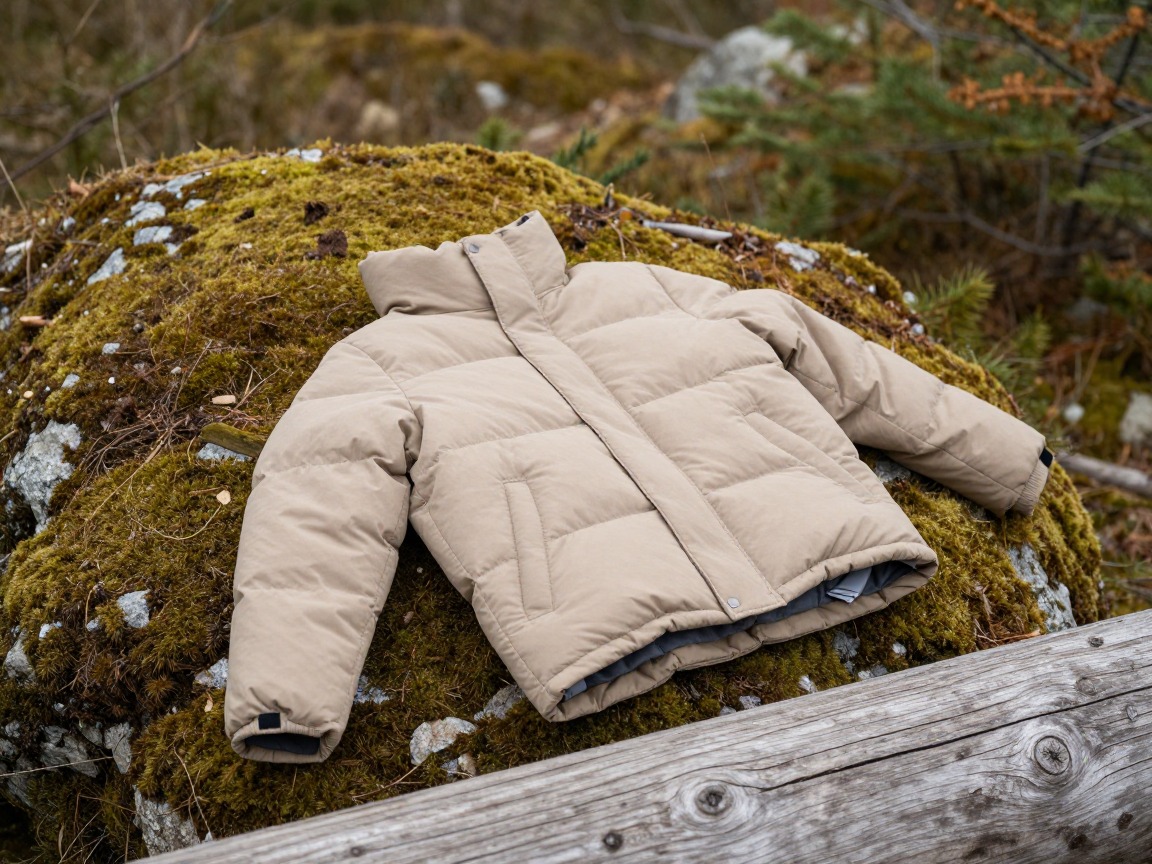
Insulating layer
A packable puffy or fleece for the evening at camp and a cool morning — the layer you'll actually wear the most.
What to look for: The warmth you need for one evening and morning, packed as small and light as you can manage. A puffy jacket earns its keep the moment the sun goes down.
 Outdoor Ventures Women's Packable Lightweight Puffer Jacket with Hoo Check price
  Amazon Essentials Women's Lightweight Long-Sleeve Water-Resistant Pa Check price
  Outdoor Ventures Women's Packable Lightweight Puffer Jacket with Hoo Check price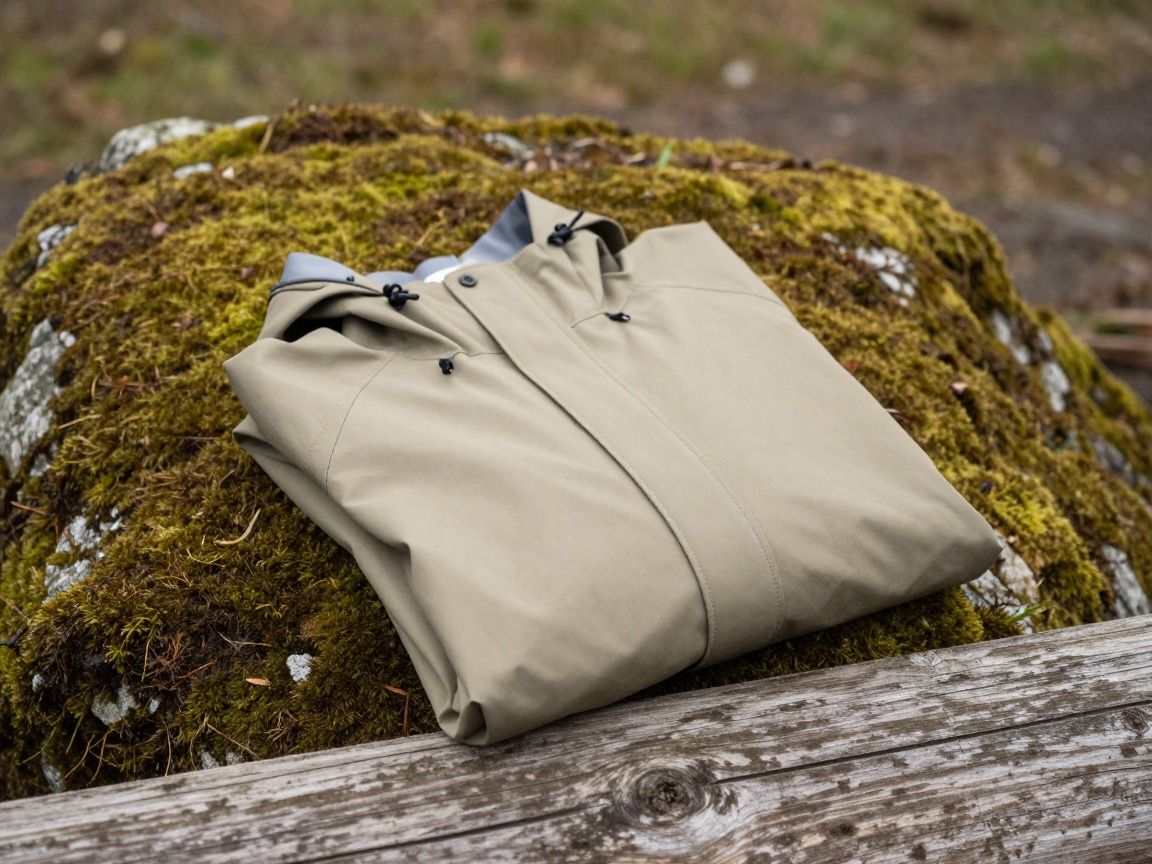
Rain shell
Protects you from rain and wind on the trail, and doubles as a windbreaker around camp.
What to look for: Genuinely waterproof rather than just water-resistant, with a hood and enough breathability that you'll actually wear it instead of sweating underneath it.
 UIQUR Mens Rain Jacket Raincoat Waterproof Windbreaker Black L Check price
  COOFANDY Men's Waterproof Hiking Travel Shell Breathable Rain Jacket Check price
  Columbia Womens Arcadia II Waterproof Rain Jacket Check price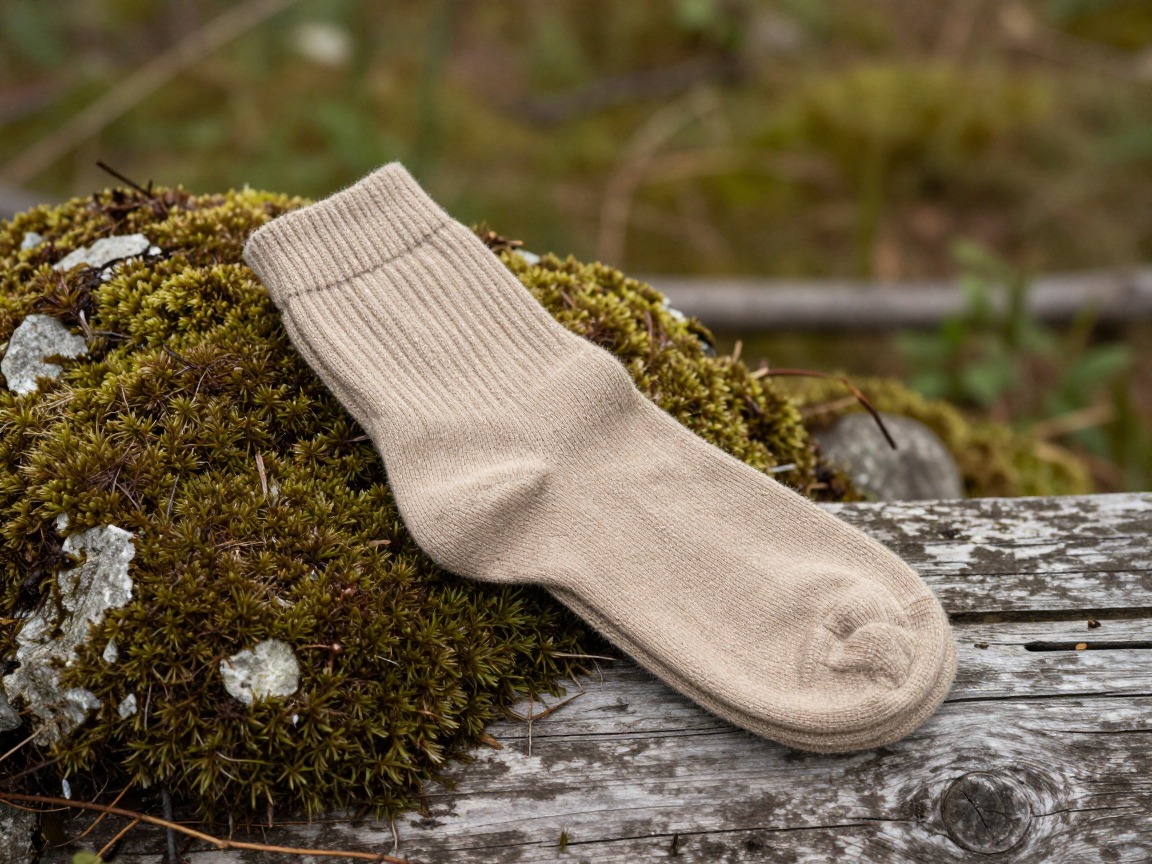
Spare hiking socks
Dry feet for the walk out start with a spare pair you change into back at camp.
What to look for: Wool or a wool blend, and a second pair distinct from the ones you hiked in — dry socks at camp are a small luxury worth the weight.
 Alvada Merino Wool Hiking Socks Thermal Warm Crew Winter Boot Sock F Check price
  DANISH ENDURANCE Merino Wool Socks for Men & Women Check price
  innotree 3 Pack Men's Merino Wool Hiking Socks Check price
 - Base layer & hiking clothes you're already wearing
- Camp/sleep clothes
- Warm hat & gloves (shoulder seasons)
- Sun hat & sunglasses
Navigation, light & safety
The safety basics matter just as much for one night as for three — you're still away from the car after dark.
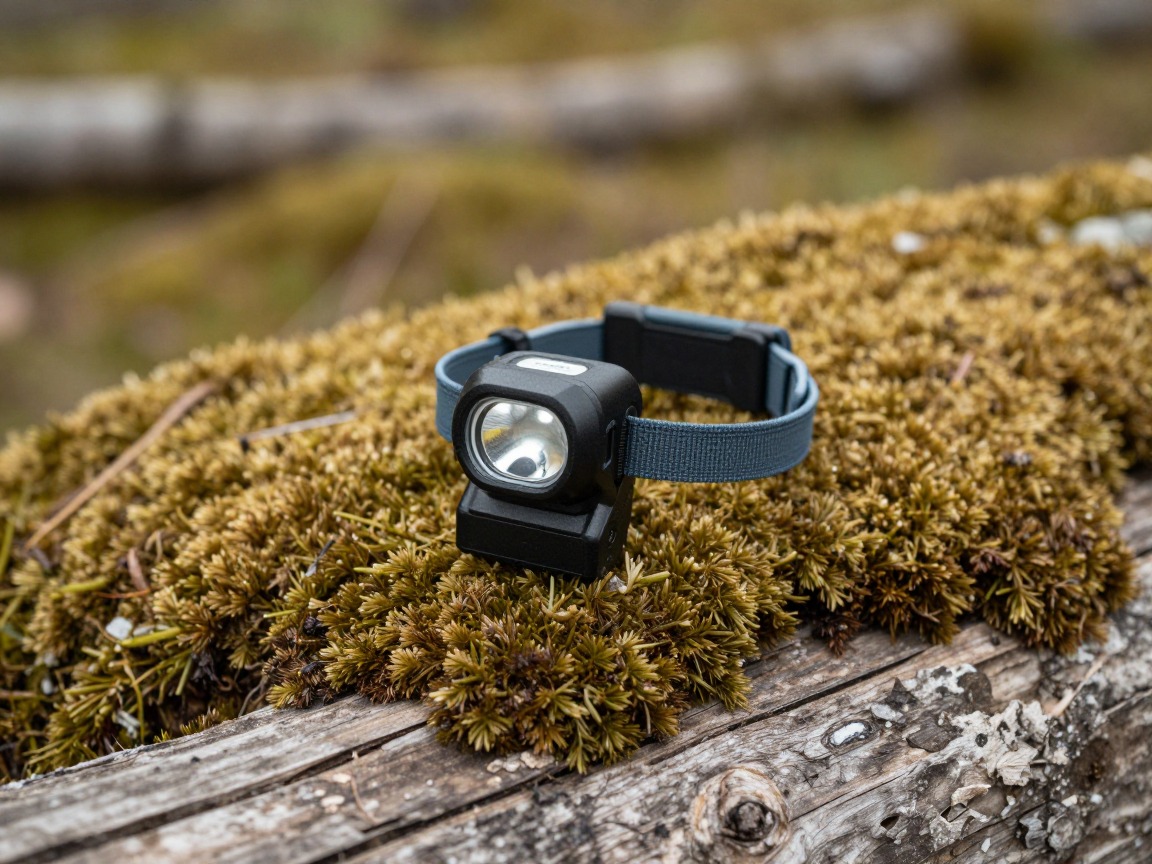
Headlamp
For cooking, setting up camp and any nighttime trips out of the tent — pack it even if you don't think you'll need it.
What to look for: Enough brightness to walk by, a comfortable strap, and batteries or a charge you're confident will last the trip.
 LHKNL Headlamp Flashlight Check price
 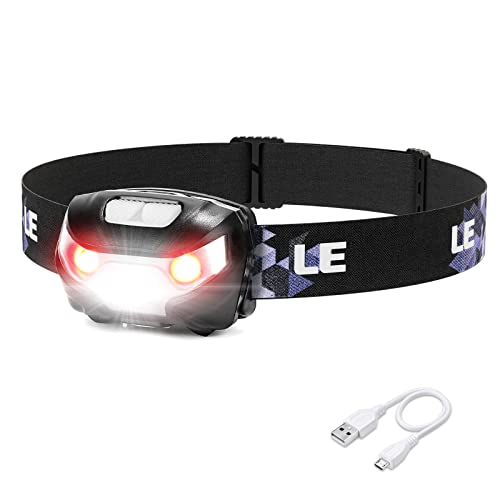 Lepro LED Headlamp Rechargeable IPX4 Waterproof Headlight 5 Modes - Check price
 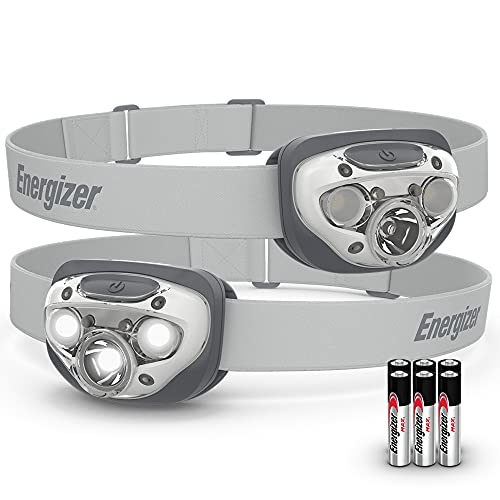 Energizer LED Headlamp PRO Check price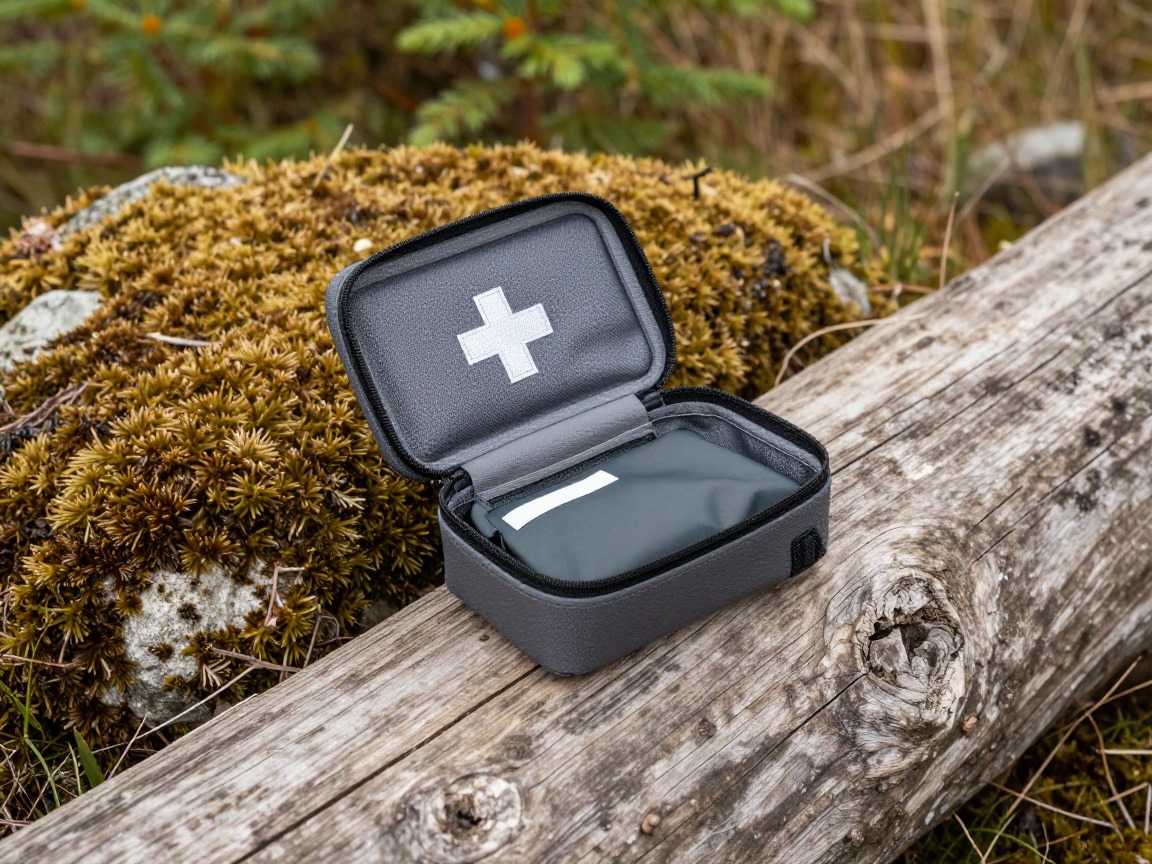
First-aid kit
A compact kit for blisters, cuts and the basics — appropriately sized for a short trip close to help.
What to look for: A kit weighted toward blisters and small cuts, plus any personal medication you rely on. Know what's in it before you need it.
 Mini First Aid Kit - 150 Piece Small Waterproof EVA Hard Shell Case Check price
  Adventure Medical Kits Ultralight/Watertight Medical Kit .5 Check price
 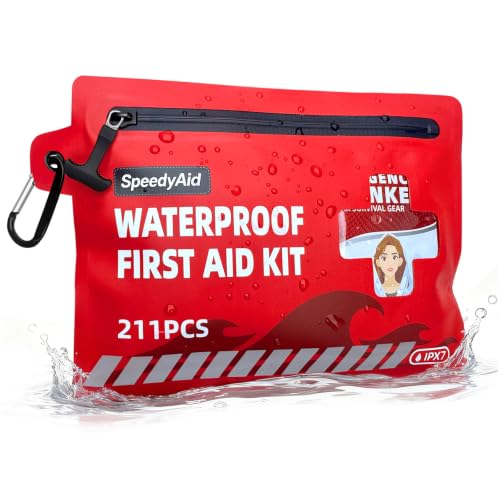 211 PCS Waterproof First Aid Kit Check price
 - Map + compass or GPS (offline maps)
- Trekking poles
- Sunscreen & lip balm
- Whistle
- Phone + power bank
- Fire — lighter/matches
- Toilet kit — trowel, TP, waste bags (Leave No Trace)
How to adapt this setup
Picking somewhere close to the car for your very first night is smart — it takes the pressure off if something in the kit isn't quite right, and you can always hike out early.
Lighten the sleep system to match the season, lean on breathable layers, and lead your water planning around the heat rather than the cold.
Bump up the bag's warmth rating, add a warmer pad, and pack a hat and gloves — early darkness and a colder night change the plan more than the extra distance does.
Once one night feels easy, the jump to the weekend backpacking setup is mostly more food, a slightly bigger pack, and the same system you already know.
A solo first night means no one to double-check your kit at the trailhead — lean harder on the checklist, and pick a well-traveled trail with other hikers around.
Common mistakes to avoid
- Packing the full weekend list for a single night — extra weight with no extra benefit.
- Skipping a practice pitch of the tent, then fumbling with it for the first time at camp.
- A sleep system too cold for the actual overnight low, not just 'the season.'
- No water treatment, so you're stuck carrying every drop from the trailhead.
- Choosing a remote, unfamiliar trail for your very first night instead of somewhere well-traveled and close to help.
- Forgetting food storage and leaving food or scented items in or near the tent.
Make it yours
Frequently asked questions
What should I pack for my first overnight backpacking trip?
The full system, sized for one night: a 35–45 L pack, a simple tent, a sleeping bag and pad matched to the night's low, a one-pot kitchen with a way to treat water, a light layering system, and the safety basics — navigation, a headlamp and first aid.
How is an overnight setup different from a weekend backpacking setup?
It's the same six categories — pack, shelter, sleep, kitchen, clothing, safety — just sized down. You're carrying one day of food and fuel instead of two or three, so the pack can be smaller and the whole kit lighter.
What size backpack do I need for one night?
Most first-time overnighters do well with 35–45 liters — enough for a tent, sleeping bag, pad and one day of food without carrying unused space. Go a little bigger if your sleeping bag or tent runs bulky.
Where should I go for my first overnight backpacking trip?
A short, well-traveled trail with an established campsite close to the trailhead is ideal. Familiar terrain and a quick way back to the car take the pressure off if anything in the kit needs adjusting.
Do I need a bear canister or food storage for just one night?
Check the regulations for where you're hiking — many areas require a canister or a proper hang regardless of trip length. Even where it isn't required, storing food away from your tent is a basic overnight habit worth building from night one.
Illustrative images show the type of gear, not specific products. Recommendations link to similar items on Amazon; we only ever link real listings and never show fabricated prices or ratings. General planning guidance, not a substitute for your own judgment or professional backcountry-safety instruction.