
Best Women's Base Layers for Hiking
A base layer is the thin top or bottom that sits against your skin, and on a hiking day it does more work than almost anything else you wear. Its job is to move sweat off your body and keep you from chilling when the wind picks up or you stop for lunch. This page covers the fabric choices, weight classes, and fit details that separate a base layer you forget about from one you keep fussing with.
Affiliate disclosure: this page contains affiliate links. Purchases made through them may earn us a commission at no extra cost to you. See our affiliate disclosure.
In plain English
A base layer is the shirt or leggings that touch your skin. Its main job is not warmth. It moves sweat away from your body so you do not get cold and clammy. Think of a paper towel that pulls a spill off the counter and spreads it out so it dries faster.
The two main choices are merino, a soft, fine wool, and synthetics such as polyester. Merino stays fresh-smelling for longer. Synthetics usually cost less and stand up better to rubbing from backpack straps. Both are far better than cotton, which soaks up sweat and stays wet.
Base layers come in thin, medium and thick versions. Thin ones are for warm days and hard climbs. Thick ones are for cold, slow days. The fit should sit close to your skin without squeezing, like a comfortable T-shirt that does not flap around.
This page contains affiliate links. Purchases made through them may earn a commission at no extra cost to you. See our affiliate disclosure.
Who it's for
Needs split by how hard you work and how cold it gets. A summer day hiker mostly wants a light, fast-drying top. Cold-weather and shoulder-season hikers want more warmth, and often reach for wool. Thru-hikers weigh odor resistance against durability, since one shirt has to last weeks. Body shape matters too: torso length, bust, and hip width all affect whether a cut stays put.
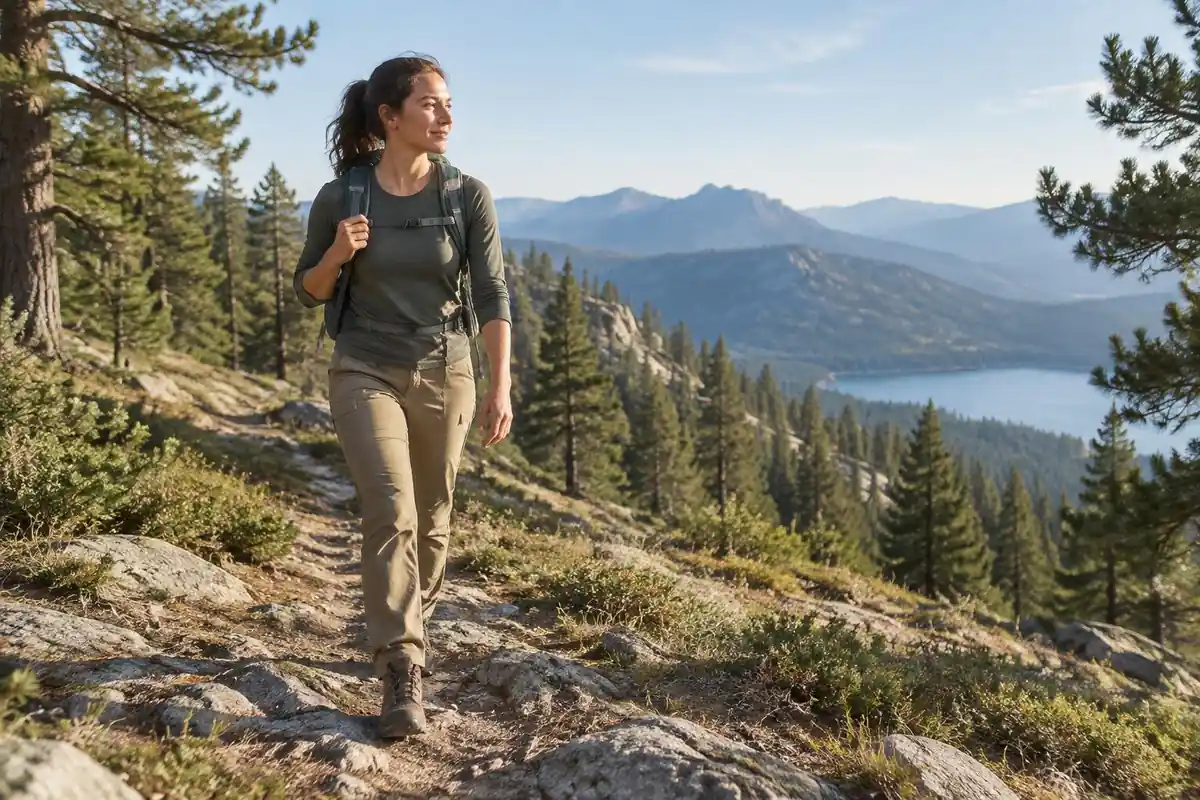
How to choose a base layer
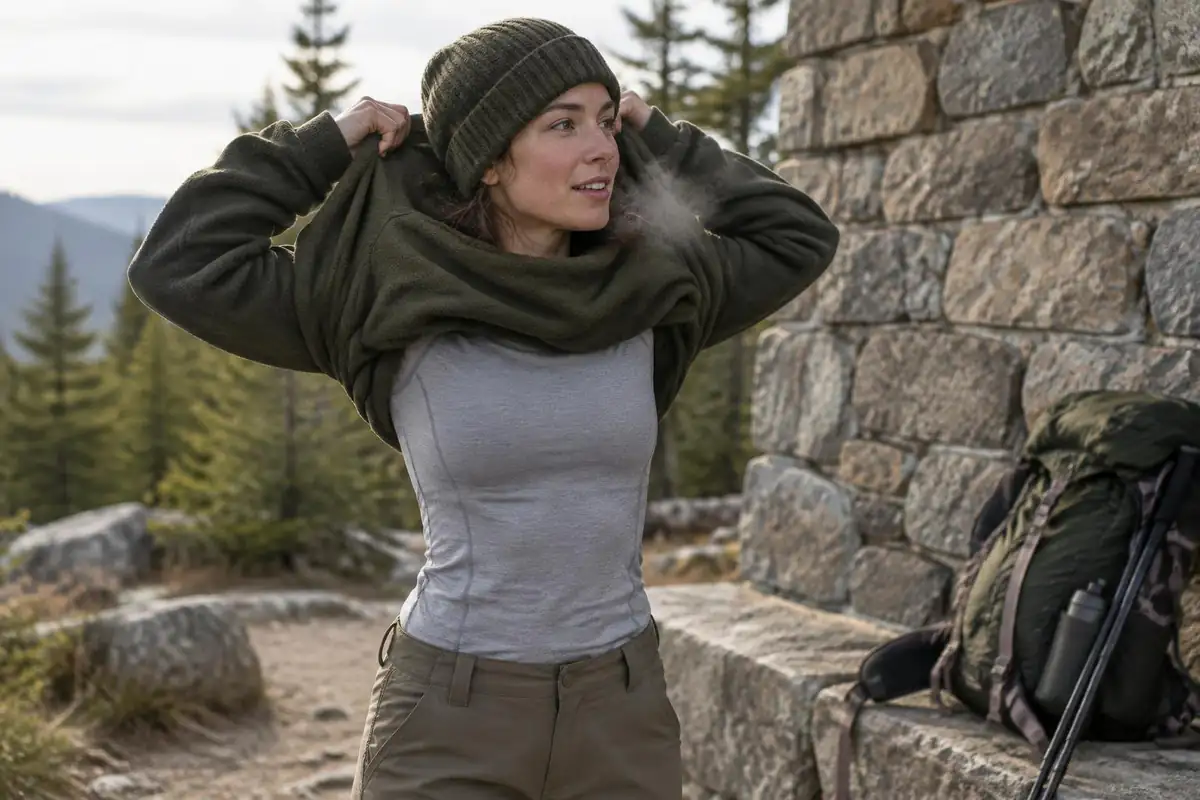
Merino wool resists odor for days and feels soft against the skin. Synthetics such as polyester and polypropylene cost less and shrug off abrasion from pack straps better. Blends split the difference and have become a common middle ground. Neither is objectively better; pick for trip length and how often you can wash.
Base layers are sold as lightweight, midweight, and heavyweight, and the label refers to fabric density rather than warmth alone. Lightweight suits summer, high output, and anything where you expect to sweat hard. Midweight is the year-round workhorse for three-season hiking and cool mornings. Heavyweight belongs on cold, low-output days such as snowshoeing or winter camp, and will cook you on a climb.
Cotton soaks up sweat and holds it against your skin instead of passing it outward, so it stays wet, loses any insulating value, and pulls heat out of you as it slowly dries. That is why hikers repeat the old warning about cotton in the cold. Wool and synthetic fibers wick moisture to the surface where it can evaporate, which keeps you warmer and less chafed.
A base layer should sit close without squeezing: contact is what moves moisture, but pressure points cause chafe. Women's cuts vary a lot in bust room, shoulder width, and torso length, so check that the hem stays down when you reach overhead and that seams miss your pack straps and bra band. Flatlock seams, a longer back hem, and offset shoulder seams are worth hunting for.
A base layer is the first of three jobs: move moisture, insulate with a fleece or puffy, then block weather with a shell. Choose one thin enough that your midlayer still slides over it without compressing the sleeves, which kills warmth. If you are building the whole system rather than replacing one piece, start with our guide to the layering system for hiking clothing at /footwear/layering-system-for-hiking-clothing/.
4 base layers to compare
Real options that fit the criteria above. We don't publish prices or ratings — check the current price and reviews on Amazon.


What each fiber really does with sweat
The National Park Service's layering rule is simple: base layers should wick moisture away from skin.1 Cotton fails that job because it absorbs water into its fibers and stays wet a long time.1 Weber State University's outdoor program puts it more bluntly, saying cotton keeps you cold by trapping moisture next to the skin.4 Wet fabric also rubs, and dermatologists note that cotton soaking up sweat can lead to friction and chafing.5
Some guides say synthetics dry faster than merino. That claim is repeated widely across the outdoor industry, but no neutral, independent source in this site's library measures drying speed for the two fibers, so treat it as general experience rather than settled fact. Weber State does note that polyester fleece dries quickly and stays warm when damp, though that finding is about fleece mid layers, not thin base layers.4
Odor: the one comparison with real research
Odor is where the evidence is clearest. In Rachel McQueen's worn-T-shirt research at the University of Alberta, polyester retained the most odor and merino wool the least.2 That is why merino dominates on multi-day trips where you cannot wash anything. The finding is about smell, not warmth, drying time or durability, so it should not be stretched into a claim that merino is better in every way.
For thru-hikers the practical trade is odor against wear. Pack straps and hip belts rub the same spots for weeks, and the page notes synthetics handle that abrasion better. A blend, or a synthetic hiking shirt paired with a merino piece for camp, is a common way to split the difference.
Why a damp base layer is a safety issue
Cold injuries do not need freezing temperatures. The CDC says hypothermia can develop above 40°F when a person gets chilled by rain, sweat or cold water, and it lists hikers among people at higher risk because they spend long periods outdoors.3 The CDC Yellow Book says the priority in cool conditions is staying dry by layering and changing out of damp clothing quickly.6
That is the case for carrying a dry spare base layer on cold or shoulder-season hikes. Change into it when you stop for the night or for a long break, and keep the damp one for walking. Hypothermia is dangerous partly because the person affected may not realize it is happening, and a body temperature below 95°F calls for immediate medical attention.3
Common questions
Do I need a base layer in summer?
Often yes, just a light one. A thin wicking tee moves sweat better than cotton, dries quickly at rest stops, and gives sun and pack-strap protection on exposed trail. In genuine heat, that light base layer may be your only top. Save midweight and heavyweight fabrics for cool mornings, high elevation, and shoulder season.
Is merino worth it over synthetic?
It depends on your trip. Merino earns its keep on multi-day hikes where you cannot wash anything and odor decides whether you can wear the same shirt twice. Synthetic wins for frequent day hikes, hard sweating, and anyone rough on gear, since it costs less and handles abrasion better. Many hikers own both and choose by forecast.
Should a base layer be tight or loose?
Snug but not compressive. The fabric needs skin contact to pull moisture away, so a loose top leaves damp patches and cold spots. It should still let you take a full breath, raise your arms, and slide a midlayer over it without bunching. If seams dig in under a loaded pack, size up or try a different cut.
This is general footwear & apparel guidance, not a lab review — it explains what to look for and how to choose so you can pick well. We publish no prices or ratings; current price, availability and reviews are shown on Amazon. Product links are affiliate links: we may earn a commission at no extra cost to you. See our affiliate disclosure.