
Overnight & Weekend Backpacking: Complete Guide
Comprehensive technical analysis of sizing, materials, installation requirements, and manufacturer standards for overnight & weekend backpacking.

Recommended Products
See the full ranking →

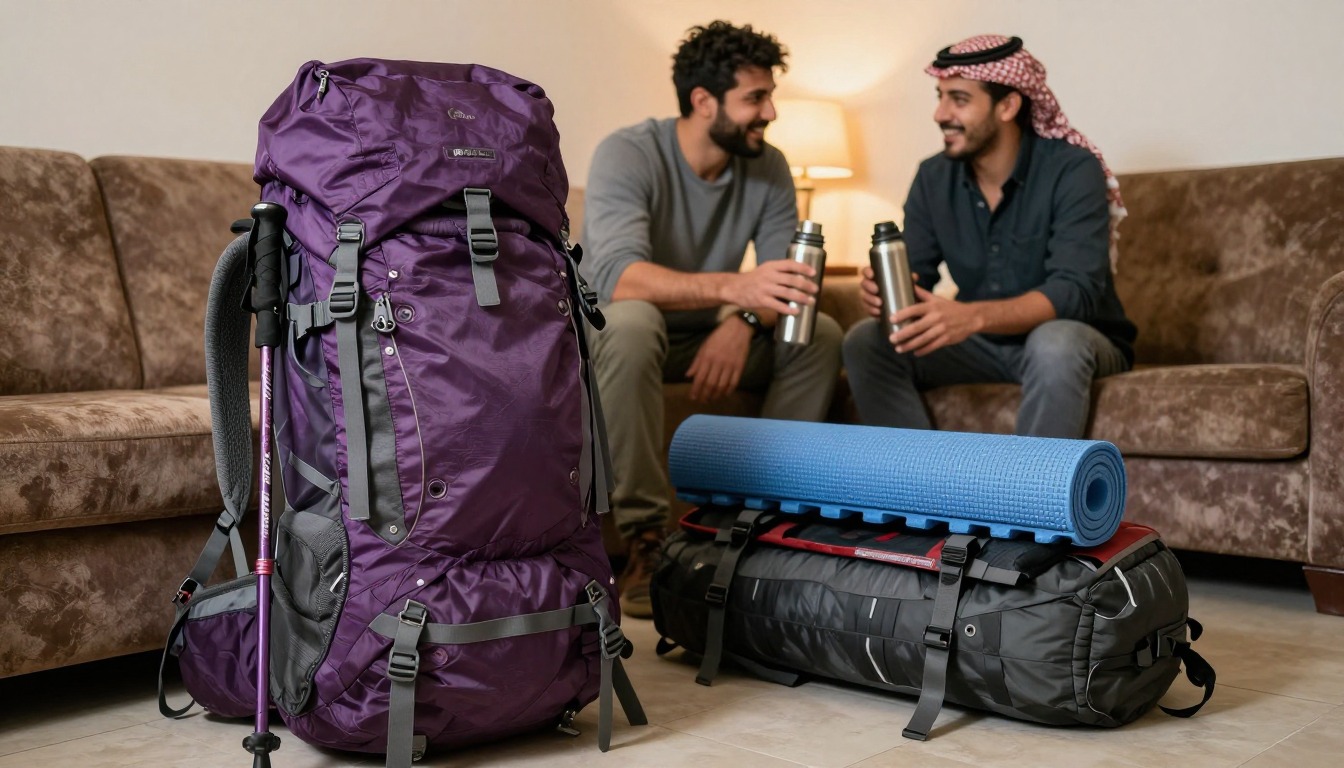
An overnight backpacking pack carries a sleep system, shelter, and food for one to two nights on trail, which typically lands it in a 35–55L range depending on season and gear bulk. This is the entry point into backpacking that most hikers reach first: a single night out and back on a nearby trail, rather than the extended mileage of a thru-hike or the technical load of mountaineering. An overnight pack sits above a daypack, since it has to carry a shelter and full sleep system rather than just snacks and a rain layer, but below the volume most multi-day packs need for a week of food and fuel. Matching pack size to this specific trip length, rather than buying the largest pack that seems safe, keeps the load light and the pack easy to manage on a first or fifth overnight trip.
A 35–55L backpack fits most overnight trips: 35–45L suits minimalist or lightweight-leaning packers carrying a compact sleep system, while 45–55L suits hikers with a standard three-season kit or a bit of extra insulation. Trip length alone doesn't decide the number — gear bulk, food weight, and season matter more for a single night out than for longer trips, where volume scales more predictably with nights.
Fit still comes before volume. Torso length, not height, determines how a pack rides, and it's measured from the C7 vertebra, the bony bump at the base of the neck, down to the iliac crest, the top of the hip bones. Most overnight-friendly internal-frame packs come in small, medium, and large torso sizes, or an adjustable range, with the hipbelt sized separately. A correctly fitted hipbelt carries roughly 80% of the load, with the shoulder straps mainly providing stability, which is why a pack that's the right liter count but the wrong torso length still rides poorly. Several well-known packs sit in this overnight-friendly range, including the Osprey Exos and Eja series, the Gregory Zulu and Jade lines, the REI Co-op Flash 45 and 55, and the Gossamer Gear Mariposa — lighter-leaning internal-frame packs built around one to three nights of gear rather than a week of supplies.
A one-night trip requires a shelter, a sleep system (bag or quilt plus pad), a stove or cold-soak setup, one to two days of food and a way to treat water, one extra clothing layer, a headlamp, and basic first-aid and navigation. That's a shorter list than a multi-day trip carries, which is why overnight packs can run smaller than packs built for extended food carries.
- Shelter: a one- or two-person tent, tarp, or bivy
- Sleep system: a sleeping bag or quilt rated to the night's expected low, plus an insulated pad
- Cook system: a canister stove, fuel, and a pot, or a cold-soak container for no-cook meals
- Food and water: one to two days of food and a filter or purification tablets
- Clothing layers: one dry camp layer and one insulating layer beyond what's worn while hiking
- Navigation and light: a map, a charged phone or GPS, and a headlamp with spare batteries
- Safety basics: a small first-aid kit, a whistle, and a way to signal for help
A weekend backpacking checklist covers two nights instead of one, adding roughly one extra day of food and fuel to the same core gear list used for a single overnight. The categories don't change — shelter, sleep system, kitchen, clothing, and safety — only the quantities inside each one grow slightly.
- Shelter & sleep: tent or tarp, sleeping bag or quilt, sleeping pad, optional groundsheet
- Kitchen: stove, two nights of fuel, pot, spork, two to three days of food, water filter
- Clothing: hiking layer worn on trail, dry camp layer, insulating layer, rain shell, extra socks
- Safety & navigation: first-aid kit, map and a compass or GPS app, headlamp, whistle, small repair kit
- Extras: trekking poles, camp shoes, trowel and toilet paper, bear-resistant food storage where required
An overnight load and a weekend load differ mainly in food and fuel weight, not in the core gear list. Expect roughly 3 to 6 lbs more total pack weight on a two-night weekend trip than on a single overnight, most of it from one extra day of food, water treatment, and stove fuel.
| Factor | One-Night Overnight | Two-Night Weekend |
|---|---|---|
| Food weight | ~1.5–2.5 lbs | ~3–5 lbs |
| Fuel margin | Small canister, light use | Small canister, more margin needed |
| Typical pack volume | 35–45L | 45–55L |
| Typical total pack weight | 20–28 lbs | 25–33 lbs |
| Room for an extra layer | Tight | More room |
Keeping total pack weight at or under roughly 20% of body weight is a widely used comfort guideline for both trip lengths, and it's easier to hit on an overnight trip simply because there's one less day of food to carry. Hikers who only ever do single-night trips can stay in the 35–45L range and travel light. Those whose weekends often stretch to two nights, or who want one pack that comfortably handles both, are usually better served sizing toward 45–55L and packing it lighter on shorter outings. Getting the torso measurement right, using how to measure your torso for a backpack, matters more than chasing an exact liter number, and hikers planning trips longer than a weekend should look at packs built for multi-day backpacking rather than sizing an overnight pack up past its limit.
Go Deeper
Detailed companion guides for overnight & weekend backpacking.
Best Backpacks For Overnight Hiking
Buyer's guide: best backpack for overnight hiking.
Best Weekend Backpacking Packs
Buyer's guide: best backpack for weekend backpacking.
Overnight vs Multi-Day Packs
How an overnight backpacking pack differs from a multi-day pack in size, weight, and gear list, and when a one-night pack gets too small for longer trips.
Multi-Day Backpacking
Related backpacks by activity guide.
Thru-Hiking Backpacks
Related backpacks by activity guide.