

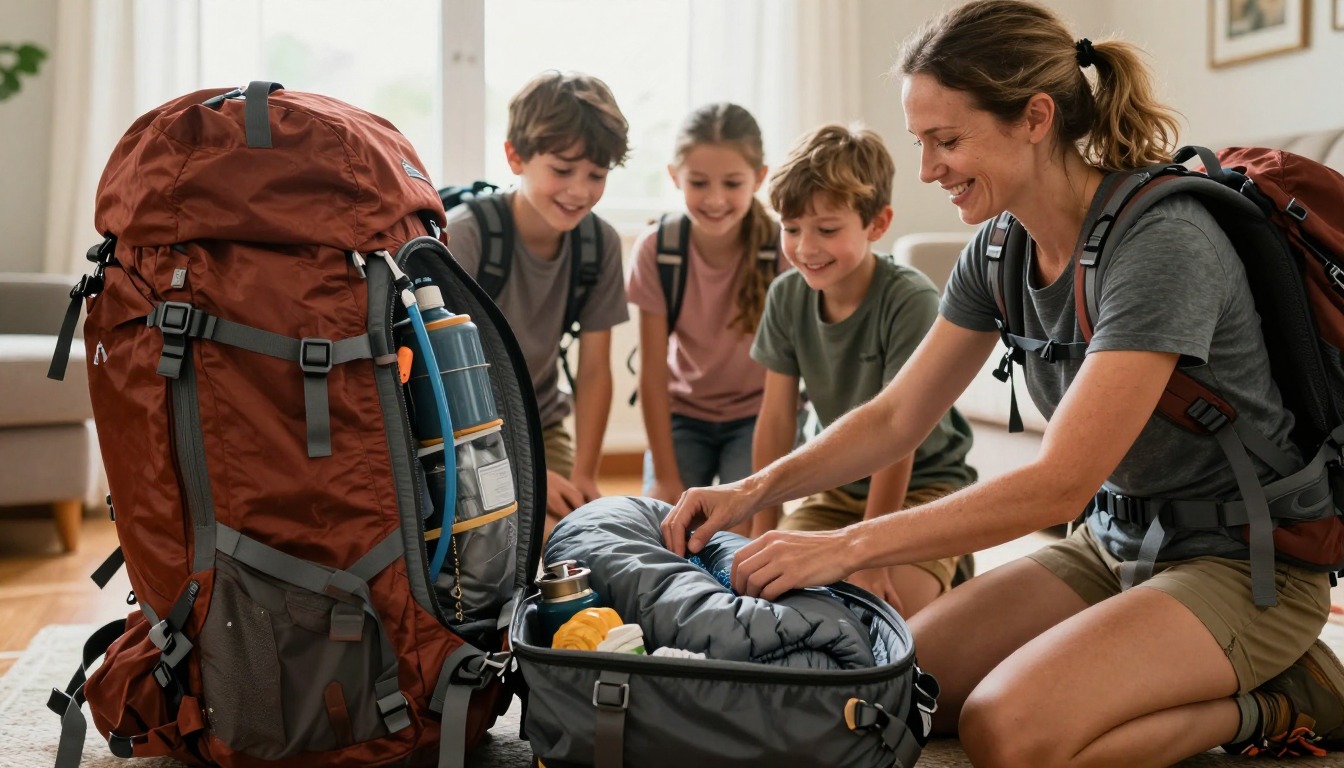


How long a hiking backpack lasts depends on how often it's used, what terrain it sees, and how well its highest-wear points are maintained, rather than on brand or price alone.
What affects a backpack's lifespan?
Fabric denier, zipper quality, and how close to its rated load the pack is carried all affect lifespan more than overall weight class. A pack carried near or above its stated maximum load wears out its stitching and frame attachment points faster than a pack carried well within range, regardless of whether it's an ultralight or traditional design.
How does usage frequency change the numbers?
| Use pattern | Typical lifespan |
|---|---|
| Occasional weekend trips | 8–10+ years |
| Regular multi-day trips, several per year | 5–8 years |
| Daily use on a single thru-hike | One full trail season (2,000+ miles) without failure, if within load range |
A pack used daily for months compresses years of wear into a single season, which is why thru-hikers pay closer attention to fabric denier and repair support than someone using the same pack a handful of weekends a year.
What typically fails first?
Zippers, hipbelt buckles, and stitching at the shoulder-strap and hipbelt attachment points typically fail before the main fabric body does. Roll-top and buckle-closure packs, common on ultralight models, avoid the zipper failure point entirely, which is one reason some thru-hikers favor them for long trails.
Can a pack last an entire thru-hike?
Yes — most hikers complete an entire thru-hike on a single pack when it's sized correctly for their base weight and load range, and when high-wear points are checked and, if needed, patched with a basic repair kit along the way. Packs pushed well beyond their rated load, or exposed to unusually abrasive terrain like dense brush or granite scrambling without care, are more likely to need mid-trail repair or replacement.