
Deuter Backpacks: Complete Guide
Comprehensive technical analysis of sizing, materials, installation requirements, and manufacturer standards for deuter backpacks.


Recommended Products
See the full ranking →

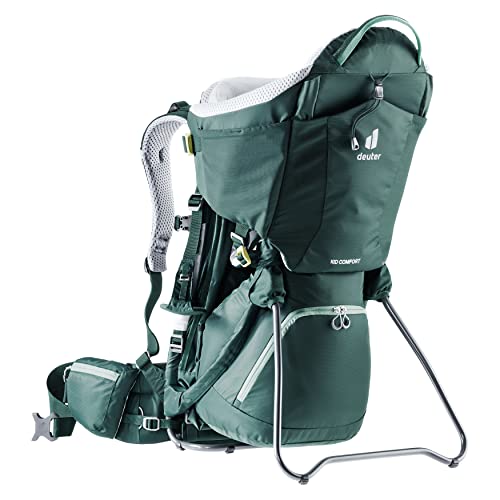
Deuter is a German hiking-backpack maker built around its Aircontact and Aircomfort back systems, which use a mesh-and-foam suspension to keep air moving between the pack and the hiker's back. The brand splits its hiking line into two suspension families: Aircontact, a framed, close-to-back design for heavier multi-day loads, and Aircomfort, a trampoline-style mesh back for lighter loads and warmer-weather ventilation. Deuter sizes most of its adult packs by back length rather than a single fixed harness, and several models come in separate men's/unisex (SL-free) and women's-specific (SL) versions with shorter back panels and narrower shoulder straps. Buyers choosing between Deuter and rivals like Osprey or Gregory are usually weighing Deuter's German engineering and adjustable-back sizing against the broader US dealer network and warranty terms those competitors offer.
Deuter is known for its Aircontact and Aircomfort back systems, adjustable-length back panels sized independently of pack volume, and a product range that spans hiking, backpacking, cycling, skiing, and child-carrier packs. The company was founded in Germany in the 19th century and has built its reputation specifically around load-carrying comfort and back ventilation.
Three things define the Deuter approach across its hiking line. First, the back-system split: Aircontact packs run a framed, closer-fitting design meant to keep a heavier load stable and close to the hiker's center of gravity, while Aircomfort packs use a curved, tensioned mesh panel that stands off the back for airflow, trading some load stability for ventilation. Second, sizing: many Deuter packs let you adjust back length independently through a system sometimes marketed as VariQuick, so the same pack model can be set to fit a range of torso lengths rather than forcing a buyer into a fixed small/medium/large harness. Third, breadth: Deuter builds far more than backpacking packs, including dedicated child-carrier packs, ski-touring packs, and daypacks, which means the brand's engineering choices get cross-tested across very different use cases. A recurring small-but-notable Deuter design touch is a safety whistle molded into the sternum-strap buckle on many hiking models, a detail long associated with the brand.
Deuter fits by back length, measured the same way most hiking-pack brands measure it: from the C7 vertebra at the base of the neck down the spine to the point level with the top of the iliac crests, or hip bones. Several Deuter models offer tool-free back-length adjustment, and many hiking packs come in a separate SL (Slim Line) version cut for a shorter back and narrower shoulder and hip contours.
Getting a Deuter pack to fit well means matching back length first, then load-carrying need, then back-system preference. A hiker with a shorter torso should look for the SL version of a given model where one exists, since it changes the harness geometry rather than just shrinking the whole pack. Someone who runs hot or hikes in warm, humid conditions typically leans toward an Aircomfort model for the ventilated mesh back, while someone carrying heavier multi-day loads over rough terrain typically leans toward Aircontact for the closer, more stable carry. Hipbelt fit matters as much as back length: the belt should sit on the iliac crest, not above it, so most of the pack's weight transfers to the hips rather than the shoulders, the same guideline that applies across every framed hiking backpack regardless of brand. Shoulder straps should wrap over the shoulder and pull inward slightly at the yoke without gapping, and load-lifter straps at the top of the shoulder should sit at roughly a 45-degree angle back to the pack body once tightened.
Which Deuter pack to buy depends on trip length and load: the Aircontact line suits multi-day backpacking trips with heavier loads, the Futura line suits day hikes and lighter overnight trips where ventilation matters more than maximum load stability, and smaller Aircomfort daypacks suit day hikes and short outings.
The table below compares Deuter's core hiking lines by what each is built for.
| Line | Back system | Typical use |
|---|---|---|
| Aircontact | Framed, close-to-back | Multi-day backpacking, heavier loads |
| Futura | Aircomfort mesh, ventilated | Day hikes, warm-weather multi-day trips |
| Aircomfort daypacks | Aircomfort mesh, compact | Day hikes, short outings |
Within these lines, exact volumes, materials, and features vary by model year, so buyers should confirm current specifications directly with Deuter or an authorized retailer before purchase rather than relying on older reviews for exact numbers. Most Deuter hiking packs also share general features common across the category regardless of line: a hydration-reservoir sleeve with a hose port near the shoulder strap, external compression straps to cinch down a partial load, and daisy-chain or loop attachment points on the front panel for lashing gear like trekking poles or an ice axe.
Deuter backs its packs with a manufacturer's warranty against defects in materials and workmanship, and buyers should always confirm the current warranty terms directly with Deuter or the retailer at time of purchase, since coverage details and length can change between markets and model years. Deuter sells through outdoor retailers and its own channels, and warranty claims typically route through the original point of sale or Deuter's customer service directly.
A hiker comparing Deuter's warranty support to competitors should also weigh how established the brand's dealer and repair network is in their specific region, since a strong warranty is only as useful as the ease of getting a pack serviced or replaced locally. Buying from an authorized dealer, rather than an unverified third-party marketplace listing, is generally the safest way to ensure a warranty claim is honored without complication.
Go Deeper
Detailed companion guides for deuter backpacks.
Best Deuter Backpacks
Buyer's guide: best deuter backpack.
Best Deuter Hiking Backpack
Buyer's guide: best deuter hiking backpack.
Deuter Aircontact Lite Review
A look at the Deuter Aircontact Lite: its framed Aircontact back system, adjustable fit, and who this backpacking pack suits best on the trail.
Deuter Futura Review
A look at the Deuter Futura: its ventilated Aircomfort back system, adjustable fit, and who this hiking backpack line suits best out on the trail.
REI Co-op Backpacks
Related brands & model reviews guide.
Granite Gear Backpacks
Related brands & model reviews guide.