

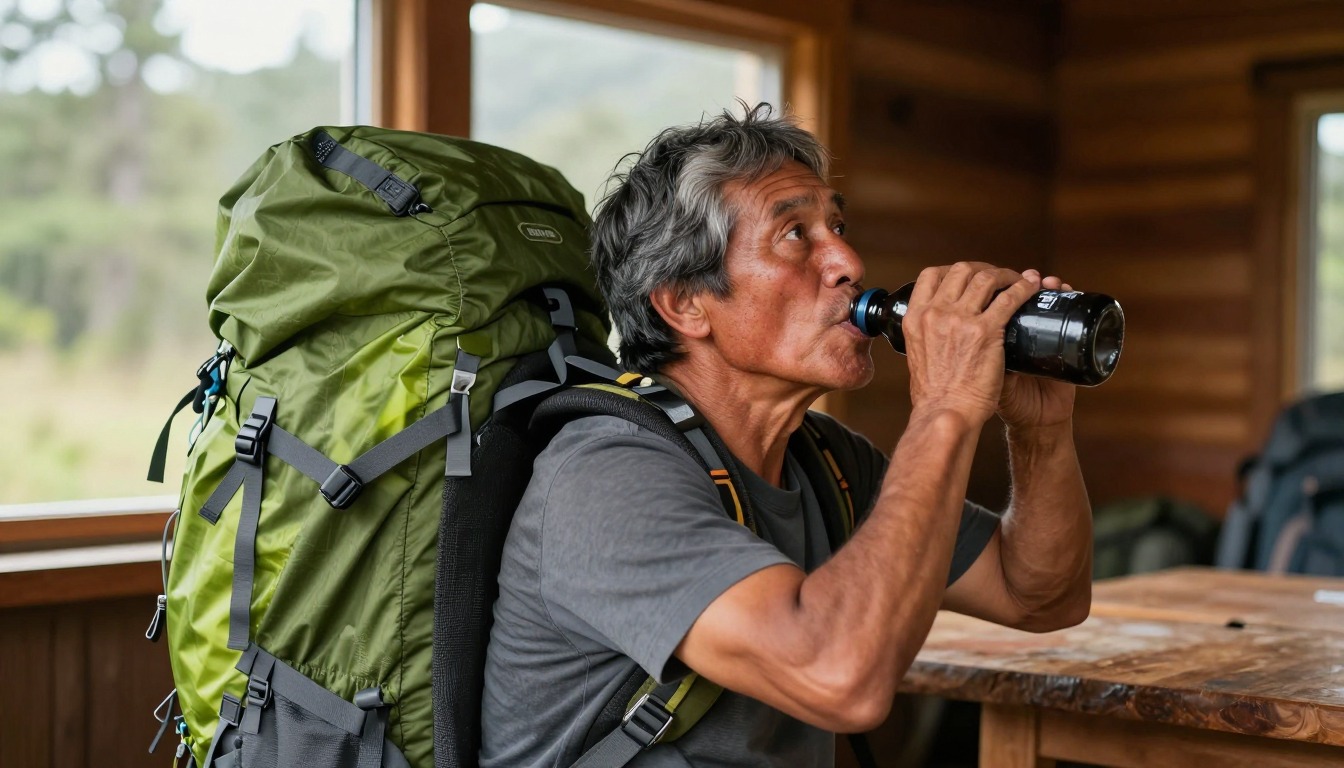


Granite Gear backpacks are worth it for hikers who prioritize low pack weight and are comfortable with a more minimal frame system than mainstream brands like Osprey or Gregory typically offer. The brand's decades of experience building canoe-portage packs for Minnesota's Boundary Waters carries over into simple, durable, lightweight construction on its hiking packs.
Who gets the most value from a Granite Gear pack?
Thru-hikers, fastpackers, and any hiker focused on minimizing base weight get the most value from a Granite Gear pack, since the brand's core design philosophy trades some structure and cushioning for lower weight and generally lower prices than premium ultralight competitors. Hikers moving up from a heavy, entry-level pack often notice the weight savings immediately.
Where do Granite Gear packs fall short?
Granite Gear packs generally offer less padding and structure than heavily cushioned mainstream packs, which matters most for hikers regularly carrying loads above what a lightweight single-stay frame is built for. Hunters, winter backpackers, and anyone with a heavy, bulky gear list may find a more structured pack, whether that's Granite Gear's own Blaze or a mainstream framed pack, more comfortable.
How does Granite Gear compare with mainstream and ultralight brands?
Granite Gear sits between mainstream backpacking brands and cottage-industry ultralight makers on both weight and price, generally lighter and less padded than mainstream packs while more affordable and more widely available than made-to-order ultralight gear.
| Comparison | Mainstream brands (Osprey, Gregory) | Granite Gear | Cottage ultralight brands |
|---|---|---|---|
| Typical weight | Heavier, more structure | Lighter, moderate structure | Lightest, minimal structure |
| Typical price | Mid to premium | Mid-range | Premium, often made to order |
| Availability | Widely available at retail | Widely available at retail | Often direct-order only |
For most hikers deciding whether Granite Gear is worth it, the answer comes down to where their typical pack weight and load style fall on that spectrum. A hiker who packs light and wants to cut pounds without paying ultralight cottage prices is a strong match; a hiker who consistently carries heavy loads may be better served by a more structured pack.