
Thru-Hiking Backpacks: Complete Guide
Comprehensive technical analysis of sizing, materials, installation requirements, and manufacturer standards for thru-hiking backpacks.

Recommended Products
See the full ranking →

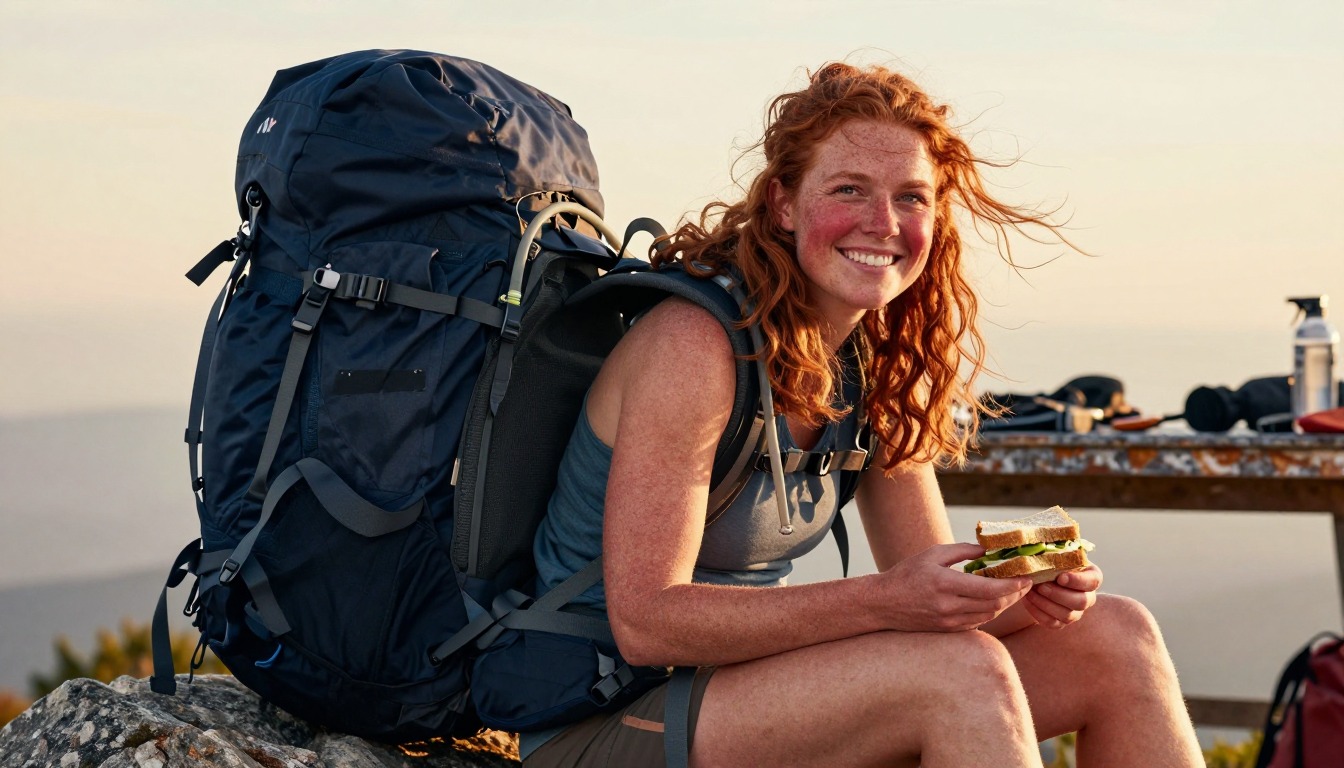
A thru-hiking pack is a light, durable, high-mileage backpack sized for resupply-length carries on long trails like the Appalachian Trail, Pacific Crest Trail, and Continental Divide Trail. It typically holds 45 to 65 liters, enough to carry three to seven days of food between town stops, while staying light enough to move well across 2,000 or more miles of varied terrain. Most thru-hiking packs sit in a lighter weight class than general backpacking packs, trading some structure and padding for lower overall weight, since every ounce carried compounds across a multi-month trail. This guide covers what separates a thru-hiking pack from a standard backpacking pack, how light the pack itself should be, the frame-type trade-offs specific to long trails, and what actually holds up over thousands of miles.
A good thru-hiking pack balances low weight against enough structure to carry three to seven days of food comfortably, fits the hiker's torso length precisely, and uses fabric that survives repeated abrasion from rock, brush, and trail debris across a multi-month hike, all while staying close to 2 to 3.5 pounds empty for most hikers. Capacity matters as much as weight: 45 to 55 liters covers most resupply stretches, while remote sections with longer gaps between towns, common on the Continental Divide Trail, push some hikers toward 60 to 65 liters. A trampoline-style mesh back panel, used on packs like the Osprey Exos and Eja, improves airflow on long, sweaty days better than a foam back panel does. Side pockets reachable without removing the pack matter more on a thru-hike than on a weekend trip, since most thru-hikers grab water bottles dozens of times a day rather than stopping to dig through a top lid. A front shove-it pocket for a wet rain jacket or tent fly, and hipbelt pockets for snacks and a phone, round out the features that get used daily rather than occasionally.
Most thru-hikers target a pack in the 2 to 3.5 pound empty-weight range, sized to a base weight — gear excluding food, water, and fuel — of 10 to 15 pounds; hikers running a full ultralight base weight under 10 pounds can drop to a frameless or single-stay pack under 2 pounds without sacrificing comfort. The pack itself is only one part of the weight equation: a properly fitted hipbelt carries roughly 80% of total loaded weight, and total loaded pack weight should stay under about 20% of body weight for comfortable carrying, mile after mile. Buying the lightest pack available before cutting base weight elsewhere backfires on a thru-hike, since a frameless pack under a heavy kit sags and shifts weight onto the shoulders instead of the hips. The more reliable approach is trimming the "big three" — pack, shelter, and sleep system — together, so the pack's weight class actually matches what goes inside it for months on end.
Frameless packs suit thru-hikers with a base weight under about 10 pounds and loaded weights staying under 20 to 25 pounds between resupplies, while single-stay and full internal-frame packs suit hikers carrying heavier food loads, a bear canister, or a base weight above 12 to 15 pounds, since their frame sheet or stays transfer more weight onto the hips.
| Frame type | Typical empty weight | Comfortable loaded max | Best suited to |
|---|---|---|---|
| Frameless | Under 2 lb | ~20–25 lb | Base weight under 10 lb, short resupply carries |
| Single-stay | 2–3 lb | ~25–35 lb | Base weight 10–15 lb, moderate food carries |
| Internal frame (dual stay) | 3–4.5 lb | 35–50+ lb | Base weight 15 lb+, bear canisters, longer food carries |
Some thru-hikers switch frame class mid-trail as their kit gets lighter through gear swaps, or as a specific stretch demands a heavier carry — a bear-canister section through the Sierra Nevada, or a long, dry stretch of the Pacific Crest Trail's desert section, both push loaded weight up temporarily even for hikers who run frameless the rest of the trail.
A thru-hiking pack needs to survive granite scrambles, dense brush, and repeated loading and unloading for months, so fabric denier, stitching at stress points, and zipper quality matter more than on a pack used for occasional weekend trips; most hikers see a single pack through an entire trail without structural failure, though high-wear points need regular checking. Dyneema Composite Fabric (DCF) resists water fully at the seams and doesn't sag or stretch over months of use, but it holds up less predictably against sharp granite and dense brush, the kind found in the Sierra Nevada or New Hampshire's White Mountains, than robic nylon does. Nylon in the 100 to 210 denier range trades a bit of weight for better abrasion resistance over months of contact with rock and branches, though it needs a pack liner or dry bags for full water protection. Zippers are the most common failure point on any backpack, which is one reason roll-top and buckle-closure designs, common on lighter thru-hiking packs, hold up well over a full trail. Warranty and repair support matter more on a multi-month trail than on occasional trips: Osprey backs its packs with a lifetime guarantee regardless of purchase date or condition, while cottage brands like ULA Equipment, Gossamer Gear, and Zpacks offer direct repair services, useful if a pack needs mending mid-trail or once the hike is done.
Go Deeper
Detailed companion guides for thru-hiking backpacks.
Best Backpacks For Thru-Hiking
Buyer's guide: best backpack for thru hiking.
Best Backpacks For Section Hiking
Buyer's guide: best backpack for section hiking.
Thru-Hike Pack Durability & Longevity
How long a hiking backpack actually lasts on trail, what wears out first, and how trail terrain, fabric choice, and daily care affect its overall lifespan.
Fastpacking & Trail-Running Packs
Related backpacks by activity guide.
Mountaineering & Alpine Packs
Related backpacks by activity guide.