
Best Backpack For Section Hiking
Best Backpack For Section Hiking, ranked from aggregated owner ratings and reviews, not first-hand testing. Real pros, cons, and who each pick is best for.
Affiliate disclosure: this page contains affiliate links. Purchases made through them may earn us a commission at no extra cost to you. See our affiliate disclosure.
In plain English
Section hiking means walking a very long trail in pieces. Instead of hiking the whole Appalachian Trail in one six-month push, you might do a long weekend this spring, a week next fall and another stretch the year after. You still finish the trail, just on your own schedule.
Because the pieces happen in different seasons, the gear you carry changes a lot. A summer trip might need only a thin sleeping bag. A late-fall trip needs a warmer bag, extra layers and more food, which all take up space and add weight. Picking a pack is a bit like picking a suitcase for a family that travels both to the beach and to the snow: it has to handle the bigger trip.
The pack also spends months sitting in a closet between trips. How you store it, and whether you check it over before the next section, affects how long it lasts.
Our Top 3 Picks
Quick Comparison
| Shell | Extras | Buy | ||||
|---|---|---|---|---|---|---|
| 1 | Osprey Exos 48L Men's Ultralight Backpacking BackpackTop Overall Pick | 48 L | 2.8 lb | — | Hydration | View |
| 2 | Gregory Focal 48L Ultralight Backpacking PackBest Value | 48 L | — | — | Vented back | View |
| 3 | Granite Gear Crown3 60L Backpack Dunes/Black 60L LongBest for Multi-Day | 60 L | — | — | — | View |
| 4 | Osprey Talon 44L Men's Lightweight Hiking BackpackMost Breathable | 44 L | 3.5 lb | — | Vented back | View |
| 5 | Osprey Aether 65L Men's Backpacking BackpackAlso Great | 65 L | 4.9 lb | — | Rain cover | View |
| 6 | Naturehike 45L Rock 2.0 Upgraded Internal Frame Hiking Backpack forBest Ultralight | 45 L | 2.6 lb | — | Rain cover | View |
Section hiking calls for a different set of priorities than a continuous thru-hike, even when both are working toward completing the same long trail.
What is section hiking?
Section hiking means completing a long trail, such as the Appalachian Trail or Pacific Crest Trail, across multiple separate trips over months or years rather than one continuous thru-hike; each section can range from a weekend to several weeks depending on the hiker's schedule and the segment chosen. Because sections are often hiked in different seasons and under different personal schedules, a section hiker's gear needs can vary more trip to trip than a thru-hiker's, whose kit stays fairly constant for months at a stretch.
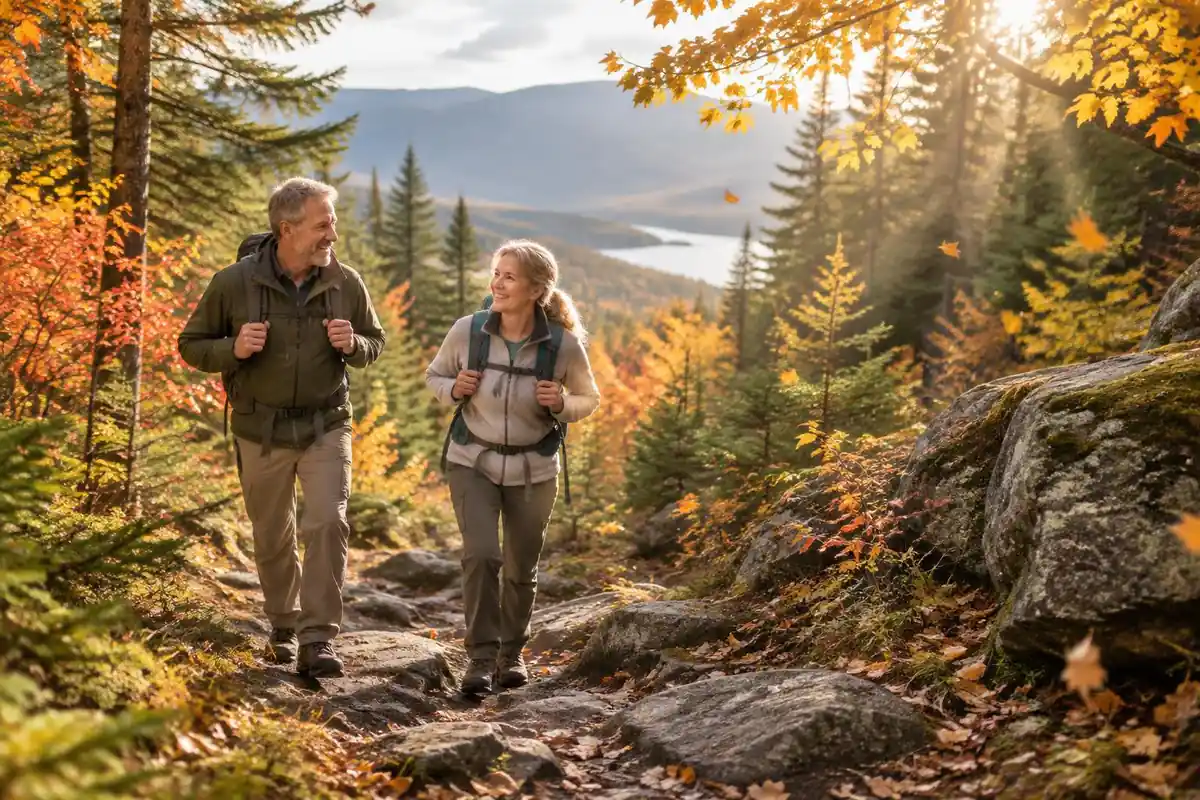
How is gear different for section hiking vs thru-hiking?
Section hikers can prioritize versatility and comfort margin over the extreme weight-cutting a continuous thru-hike rewards, since their pack accumulates fewer total miles per year even on the same trail. A single-stay or standard internal-frame pack often suits a section hiker well, since it comfortably handles the variable loads that come with hiking different sections in different seasons — a lighter summer section versus a section requiring extra insulation or rain gear. That said, weight savings still matter for enjoyment on trail; section hikers just aren't under the same pressure to shave every ounce that a hiker carrying the same pack for 2,000-plus continuous miles is.
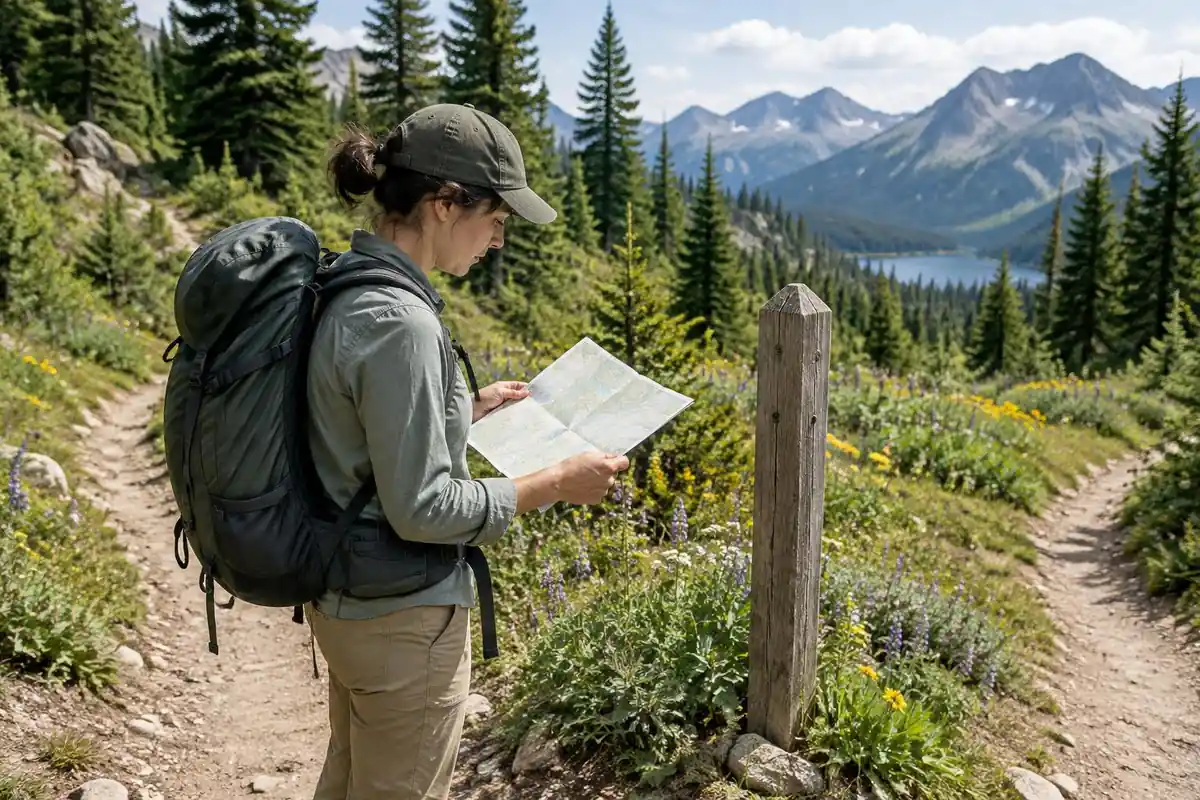
What capacity works across different section lengths?
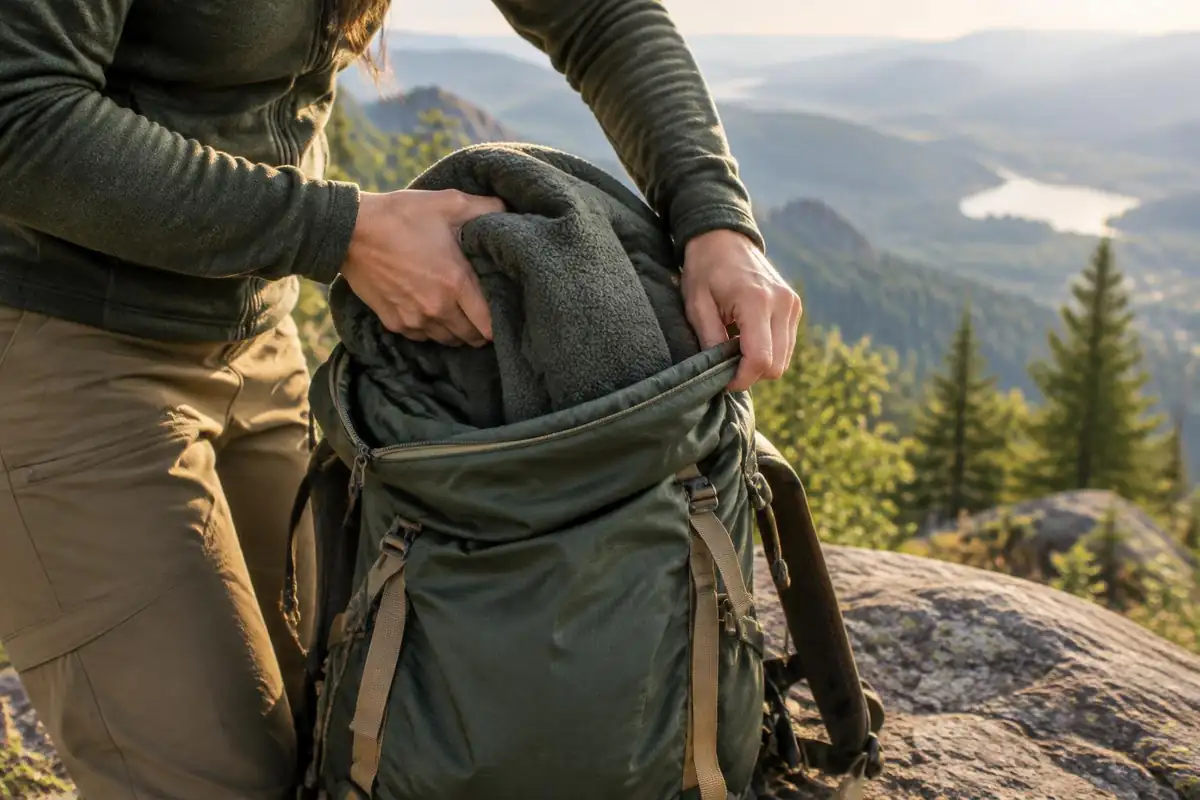
Size a pack to your longest planned section rather than your shortest, since a larger pack compresses down reasonably well for a short trip, while an undersized pack can't expand for a longer one. A 45 to 60 liter pack covers most section lengths from a weekend to a week or more; hikers planning occasional sections of two weeks or longer benefit from sizing closer to what a thru-hiker would carry, since long food carries drive volume needs regardless of hiking style. Buying one slightly larger, versatile pack is generally more practical than buying multiple packs sized for each specific section length.
Should section hikers buy an ultralight pack?
An ultralight pack isn't required for section hiking, and a single-stay or lightweight internal-frame pack often fits better with the variable loads section hikers carry trip to trip. Since total annual mileage on a section hiker's pack is typically much lower than a continuous thru-hiker's, the extreme weight savings of a frameless ultralight design matter less than having a pack that comfortably handles a heavier winter-section load one trip and a light summer-section load the next.
Does pack durability matter less for section hiking?
Cumulative mileage builds up more slowly for a section hiker, so a given pack likely lasts more calendar years before reaching the wear level a continuous thru-hiker sees in a single season. That said, gaps between sections mean proper storage matters: keep the pack clean and dry between trips, since fabric left dirty or damp in storage degrades faster than fabric used regularly and cared for. Check zippers, buckles, and stitching at the start of each new section rather than assuming the pack is exactly as it was the last time it was packed away, since months of storage can loosen buckles or let small tears go unnoticed until they're loaded again.
Full Ranking, Reviewed

Best for Backpacks for Section Hiking
- 48 L capacity
- 2.8 lb empty
- Hydration-ready
- Hipbelt Pockets
- Hydration sleeve keeps water within easy reach
- Tunable harness helps you find a comfortable carry
- The 48 L size is a versatile in-betweener rather than a specialist at either end.
Verdict: This 48 L hiking pack pairs room for a bladder with real hip-belt support, making it a strong choice for Backpacks for Section Hiking.

Best for Backpacks for Section Hiking
- 48 L capacity
- Ventilated back panel
- Airflow channels help your back stay cooler under load
- Padded hip belt shifts load onto your hips, not your shoulders
- Light enough that you forget you are wearing it
- At 48 L it sits between a daypack and a backpacking pack — a touch large for quick hikes, a touch small for long multi-night loads.
Verdict: This 48 L hiking pack pairs a breathable back with real hip-belt support, making it a strong option for Backpacks for Section Hiking.

Best for Backpacks for Section Hiking
- 60 L capacity
- Long Torso
- Granite Gear
- That 60 L volume is overkill for quick hikes and better suited to multi-night trips.
Verdict: This 60 L backpacking pack keeps things refreshingly simple, making it an easy shortlist pick for Backpacks for Section Hiking.
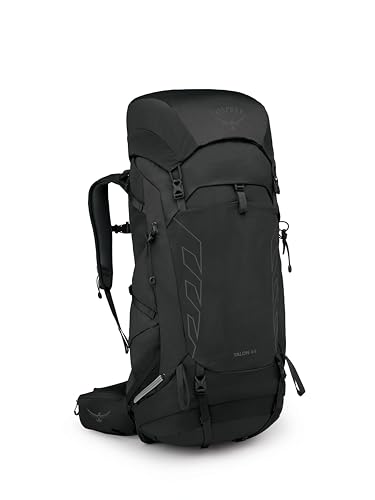
Best for Backpacks for Section Hiking
- 44 L capacity
- 3.5 lb empty
- Ventilated back panel
- Lightweight & versatile design
- Breathable mesh back keeps air moving against your spine
- Supportive hip belt takes weight off the shoulders
- The 44 L size is a versatile in-betweener rather than a specialist at either end.
Verdict: This 44 L hiking pack pairs a breathable back with real hip-belt support, making it a strong option for Backpacks for Section Hiking.

Best for Backpacks for Section Hiking
- 65 L capacity
- 4.9 lb empty
- Rain cover included
- Custom Fit
- Packs an integrated rain cover to keep gear dry
- Adjustable torso dials the fit to your back length
- At 65 L it is more pack — and more weight — than a day hiker needs; it earns its keep on overnight and multi-day loads.
- Empty weight (4.9 lb) runs above ultralight rivals.
Verdict: This 65 L backpacking pack pairs a bundled rain cover with real hip-belt support, making it an easy shortlist pick for Backpacks for Section Hiking.

Best for Backpacks for Section Hiking
- 45 L capacity
- 2.6 lb empty
- Rain cover included
- Ergonomic Suspension System
- Includes a rain cover for sudden downpours
- Supportive hip belt takes weight off the shoulders
- The 45 L size is a versatile in-betweener rather than a specialist at either end.
- The fabric is water-resistant rather than fully waterproof, so a pack liner helps in sustained rain.
Verdict: This 45 L hiking pack pairs a bundled rain cover with real hip-belt support, making it a strong option for Backpacks for Section Hiking.
Why the season swing changes what the pack must carry
Colder sections add insulation that takes up space. Big Agnes suggests a sleeping pad rated R-value 4 to 4.8 for spring through fall because shoulder seasons still bring cold nights, and R-value 5 or higher for sleeping on snow or frozen ground.1 Warmer pads and bags are usually bulkier, which is one reason the page advises sizing for your longest, coldest section. Cold is not only a winter issue: the CDC notes hypothermia can develop even above 40°F if you get chilled by rain, sweat or cold water.2 The Park Service advises choosing wool or synthetic layers over cotton, which absorbs moisture and won't keep you warm when wet.3
Dry sections change the load in a different way. Guadalupe Mountains National Park tells backpackers to carry one gallon of water per person per day and notes water weighs about 8 pounds per gallon.4 Some sections also require a bear canister. Rocky Mountain National Park, for example, requires one for all wilderness overnights,5 while other areas only recommend them. Rules differ by park and change over time, so check them for each section you plan.
Capacity for different section lengths
The Washington Trails Association gives a useful baseline: a 45 to 50 liter pack should fit gear for a one- or two-night trip, a 50 to 70 liter pack suits trips of 3 to 7 nights, and packs of 70 liters or more are for carrying a lot of gear and food.6 That fits the page's 45 to 60 liter range for most section hikers, with the upper end reserved for long food carries.
A canister eats into that volume because it rides inside the pack. Typical canisters measure about 8 by 12 inches and hold up to 5 days of food for one person, according to New York's environmental agency.7 A pack that is roomy enough for a summer weekend may have no space left once a canister and a winter sleeping bag go in. Frame choice follows the heaviest trip too, since REI notes frameless packs are much less comfortable under heavy loads.8
Storing and checking a pack between sections
Deuter recommends storing packs in a well-ventilated, dry place after cleaning them with lukewarm water and pH-neutral soap.9 REI advises drying packs in shade or indoors because UV light can degrade the fabric.10 Washing advice is not universal: most brands say never to machine wash a pack, but ULA permits washing its packs in a top-loader or agitatorless washer as long as you remove the pack before the spin cycle.11 Follow your own pack maker's instructions.
Before a new section, check whether the fabric still repels water. Deuter suggests dropping water on it; if it soaks in rather than beading up, the pack needs reproofing.9 Also expect padding to change over years of use. Gregory notes that foam padding will permanently compress over time,12 and warranties generally exclude normal wear. Deuter's, for example, excludes wear and tear and improper use.13 A pack that felt fine three years ago may need a closer fit check now.
Frequently Asked Questions
Can I use my thru-hiking pack for section hikes?
Yes, a pack sized and built for thru-hiking works fine for section hikes, since it's simply seeing less cumulative annual mileage than it would on a continuous trail. The reverse isn't always true — a pack chosen specifically for section hiking's variable loads may not suit the sustained daily carry of a full thru-hike as well.
How many liters do I need for a week-long section?
A week-long section typically needs 45 to 55 liters, enough for roughly seven days of food alongside a standard 3-season kit. Sections requiring a bear canister or extra water carries may need closer to 55 to 60 liters even at the same trip length.
Is it OK to use different packs for different sections?
Using different packs for different sections is common and practical, especially when sections span very different seasons or conditions — a lighter pack for a summer section and a larger, more structured pack for a winter or shoulder-season section. There's no requirement to use the same pack for every section of a trail.
Related Buying Guides
Planning a hiking trip? Compare hotels, lodges and guesthouses.
Book on Booking.com Book on AgodaAffiliate links: we may earn a commission at no extra cost to you.