
Budget & Value Backpacks: Complete Guide
Comprehensive technical analysis of sizing, materials, installation requirements, and manufacturer standards for budget & value backpacks.

Recommended Products
See the full ranking →
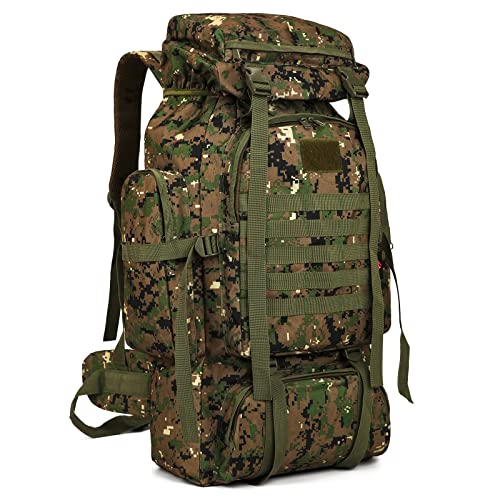

A budget hiking backpack delivers a functional frame and fit under a set price without unsafe compromises. Spending less on a pack means giving up refinements — lighter fabrics, more pockets, adjustable suspensions — rather than giving up the core job of carrying weight safely on the back. The real question for a value-conscious hiker isn't whether a cheap pack "works," but which specific features get cut first, and whether those cuts matter for the trips actually being planned. A pack priced under $100 and one priced over $300 both use a hipbelt, shoulder straps and some form of frame; the differences show up in materials, adjustability, and how long the pack survives repeated abrasion.
Under $100, expect a single-density foam back panel or a basic internal stay, fixed rather than adjustable torso sizing, 400–600 denier polyester or nylon fabric, and fewer than five pockets. This price band covers daypacks up to about 35 liters and some full-size backpacking packs, though backpacking packs at this price sacrifice more comfort features than daypacks do.
Packs under $100 typically use heavier fabric than premium packs because thicker denier costs less per yard than lightweight ripstop or high-tenacity nylon. A 600D polyester pack weighs more than a 210D equivalent but resists trailside abrasion about as well, which is why sub-$100 packs often survive rough use fine even though they weigh more empty. Zippers, buckles and webbing are usually mid-grade rather than the reinforced hardware found on premium packs, meaning they function correctly but wear faster under heavy use over multiple seasons.
Budget packs cut corners in three consistent places — suspension adjustability, ventilation, and pocket organization — not in basic load-bearing safety. A hipbelt still transfers weight to the hips on a budget pack; it just doesn't fine-tune to an individual's exact hip angle or torso length the way a premium suspension does.
| Feature | Where budget packs cut | Why it matters less than it sounds |
|---|---|---|
| Torso adjustment | Fixed length, sized S/M/L instead of dial-adjustable | Fine if you buy the correct fixed size for your torso |
| Back-panel ventilation | Flat foam panel instead of trampoline mesh | Runs warmer on the back; doesn't affect load transfer |
| Pocket count | 3–5 pockets instead of 8–10 | Less quick-access organization, same total capacity |
| Fabric weight | Heavier 400–600D fabric | Adds a few ounces; often more abrasion-resistant |
| Frame type | Single aluminum stay or plastic sheet | Still transfers load; less refined than dual-stay systems |
None of these cuts affect the load-safety basics: a properly fitted budget pack still lets the hipbelt carry roughly 80% of total weight, and the 20%-of-bodyweight load guideline applies the same regardless of price. What a hiker gives up is refinement — ounces of frame weight, adjustability for an unusual torso length, and organizational convenience — not the ability to carry a load safely.
Paying more buys lighter fabrics, adjustable suspensions that dial in torso length without buying a specific size, ventilated back panels, and often a lifetime warranty from brands that repair packs for the original owner. Premium packs also tend to use DCF (Dyneema Composite Fabric) or high-denier ripstop nylon that cuts pack weight by a pound or more compared to a budget equivalent of the same capacity.
- Weight savings: premium ultralight packs can weigh close to half what a budget pack of the same liter capacity weighs empty
- Adjustable suspension: a dial or ladder-lock system that fits a range of torso lengths in one pack, useful for a household with more than one hiker
- Ventilated back panels: a trampoline-style mesh back that keeps a gap between pack and body, reducing sweat on hot climbs
- Warranty and repair support: many premium brands offer lifetime warranties and in-house repair, extending the pack's useful life well beyond a typical budget pack's lifespan
The packs that punch above their price share a specific combination: a torso fit that's correct for the hiker, a hipbelt that actually transfers load rather than sitting decorative, and fabric heavy enough to survive real trail abrasion. Real examples of value-positioned hiking packs include the TETON Sports Scout 3400 and Explorer 4000, ALPS Mountaineering's Zion and Mythos series, REI Co-op's Trailmade line, Kelty's Redwing and Coyote series, and Osprey's Daylite Plus daypack — all built around straightforward frames and mid-weight fabric rather than premium materials.
These packs earn their reputation less from any single standout feature and more from getting the fundamentals right: a hipbelt that fits, a frame that doesn't flex under load, and seams that hold up over repeated trips. A hiker just starting out, covered in more detail for beginner hiking backpacks, often finds a value pack in this range does everything a first pack needs to do. Hikers deciding how much capacity they actually need should also check the guide to choosing pack capacity before comparing prices, since buying the wrong liter size wastes money regardless of how good the deal looks.
Go Deeper
Detailed companion guides for budget & value backpacks.
Best Budget Hiking Backpacks
Buyer's guide: best budget hiking backpack.
Best Hiking Backpacks Under $100
Buyer's guide: best hiking backpack under 100.
Best Budget Backpacking Backpacks
Buyer's guide: best budget backpacking backpack.
Best Hiking Backpacks Under $200
Buyer's guide: best hiking backpack under 200.
Budget vs Premium Packs: The Real Differences
See exactly what changes between a budget and a premium hiking backpack — fabric, suspension, ventilation — and which upgrades are worth paying for.
Tall & Long-Torso Backpacks
Related backpacks by hiker guide.
Petite & Short-Torso Backpacks
Related backpacks by hiker guide.