

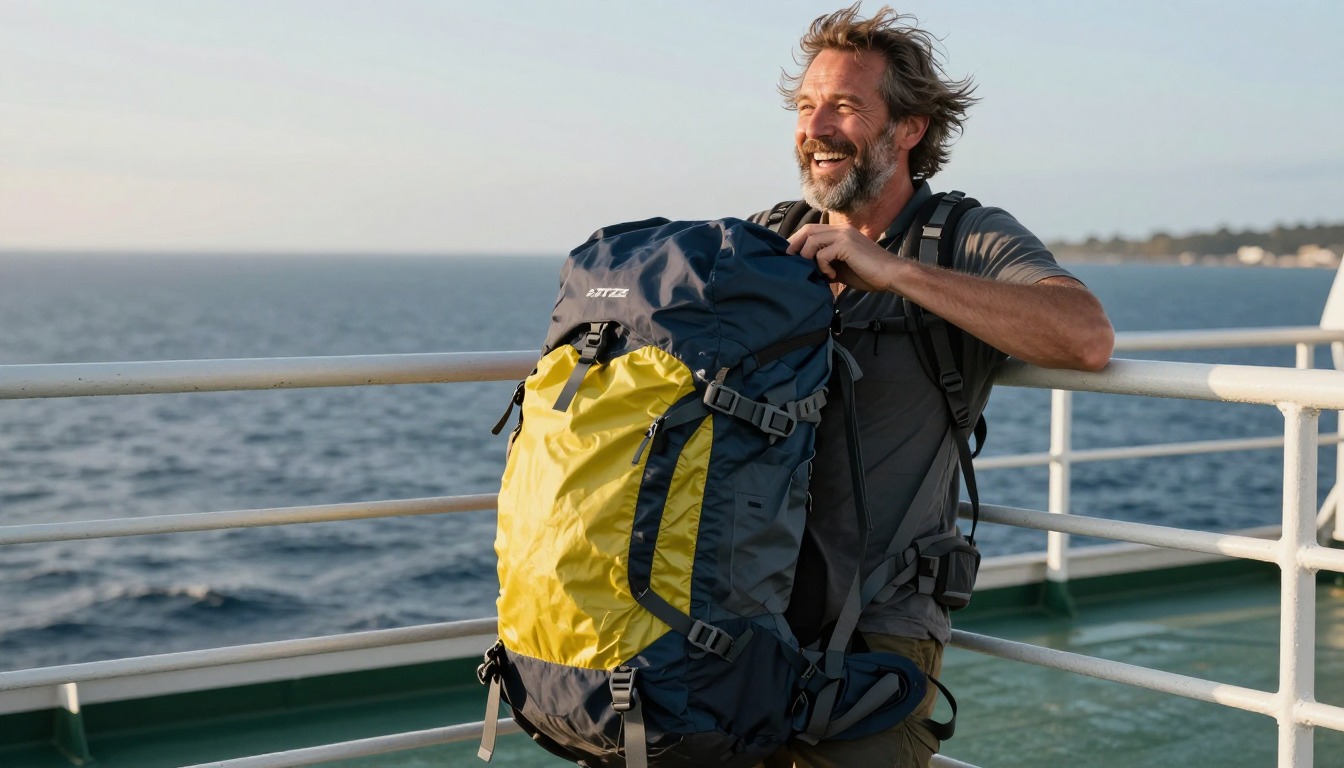


A torso shorter than a pack's minimum frame length causes the hipbelt to ride up toward the waist instead of settling onto the hip bones, which shifts load-carrying duty from the hips to the shoulders — the opposite of how a framed pack is designed to work.
Signs a pack is too long for your torso
A too-long pack typically shows the hipbelt sitting above the hip bones rather than wrapping over them, shoulder straps that meet the shoulder well behind the collarbone instead of directly on top of it, and load-lifter straps pulling almost flat rather than angling upward from shoulder to pack. Any of these signs, especially combined with shoulder soreness after a loaded hike, points to a frame that's too long for the hiker's measured torso.
What to do about it
- Measure first. Confirm torso length from the C7 vertebra to the iliac crest before assuming the pack itself is the problem.
- Check for a shorter size. Many brands sell the same pack model in an XS or short-frame option; switching sizes within the same line often solves the issue without changing pack style.
- Try an adjustable-harness pack. Packs with a sliding back panel can be shortened past what a fixed "Small" size offers, covering torsos that fall between standard size bands.
- Consider a different brand. Size charts vary enough between brands that a torso too short for one company's Small may fit comfortably in another's XS.
When a kids' pack is the better answer
For torsos shorter than roughly 14 inches, a dedicated kids' hiking backpack — rather than an adult XS — usually fits better, since adult size charts generally don't extend that short. Kids' packs also cap capacity and recommended load lower, which matches the lighter gear loads a smaller hiker should carry.