

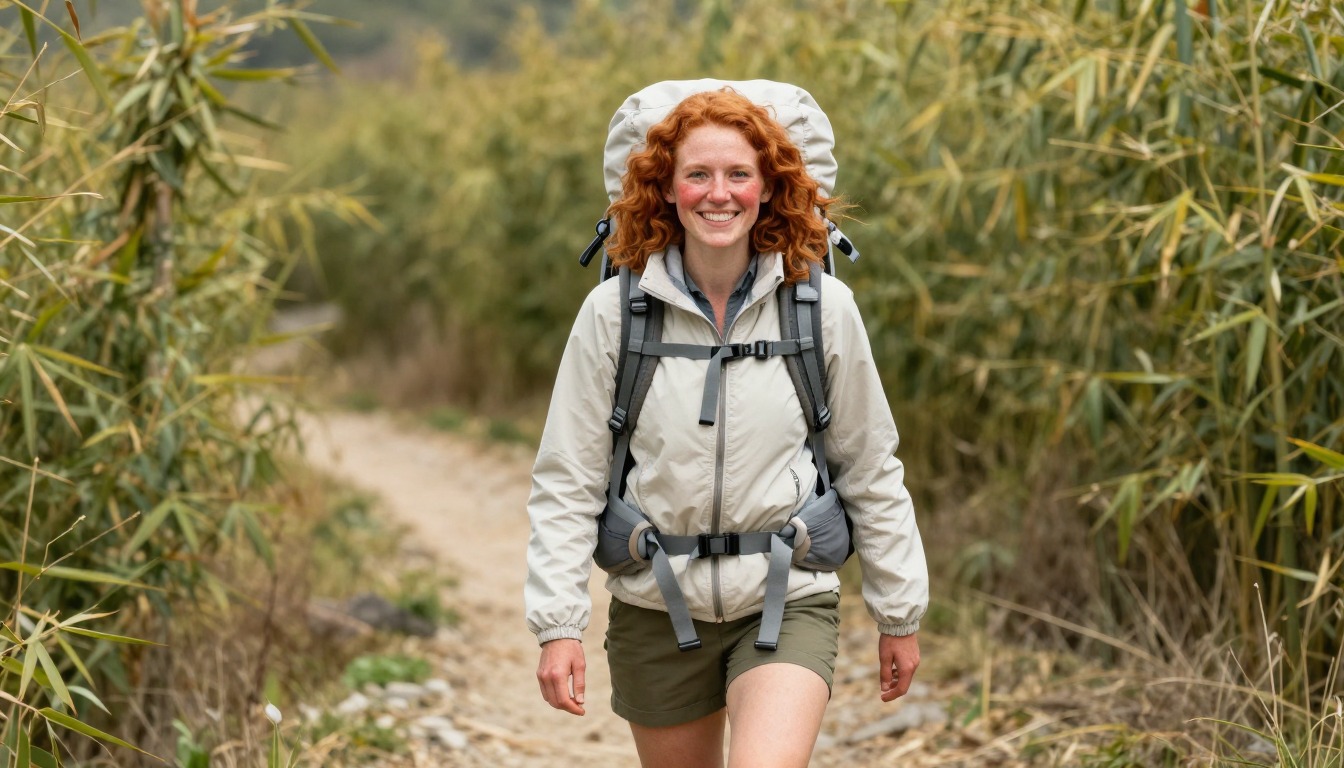


The starting point for any hiking backpack is fit, not features: measure torso length from the C7 vertebra at the base of the neck to the iliac crest at the top of the hip bones, then match that number — typically 16 to 20 inches for most adults — against a brand's size chart rather than shopping by height.
Capacity by trip type
| Trip type | Typical capacity |
|---|---|
| Day hikes | 18–25L |
| Day hikes + first overnight | 30–50L |
| Multi-day backpacking | 45–55L |
Fit and load-carrying features
Beyond size, a padded hipbelt matters most, since a correctly fitted one carries roughly 80% of a loaded pack's weight off the shoulders. Look for a structured hipbelt on any pack expected to carry more than 15 pounds, and an adjustable torso-length suspension if you're not yet certain of your exact measurement. A ventilated back panel — mesh or channeled foam — reduces sweat buildup on warm hikes, and external attachment points for trekking poles or a sleeping pad add usefulness without adding much weight.
Frame type
An internal-frame pack, built around one or two aluminum stays or a semi-rigid framesheet, suits most hikers better than a frameless pack, since the frame keeps a load stable and transfers weight to the hipbelt even with imperfect packing. Frameless designs work well for loads under 10-15 pounds but offer little structure above that.
What not to prioritize first
Skip chasing the lightest possible pack or the newest fabric technology — Dyneema Composite Fabric, minimalist hardware and ounce-counting frame designs matter most to hikers who already know their gear list and base weight. A well-known mid-range pack from a brand like Osprey, Gregory, or REI Co-op, correctly sized and adjusted, outperforms an expensive ultralight pack that doesn't fit.