

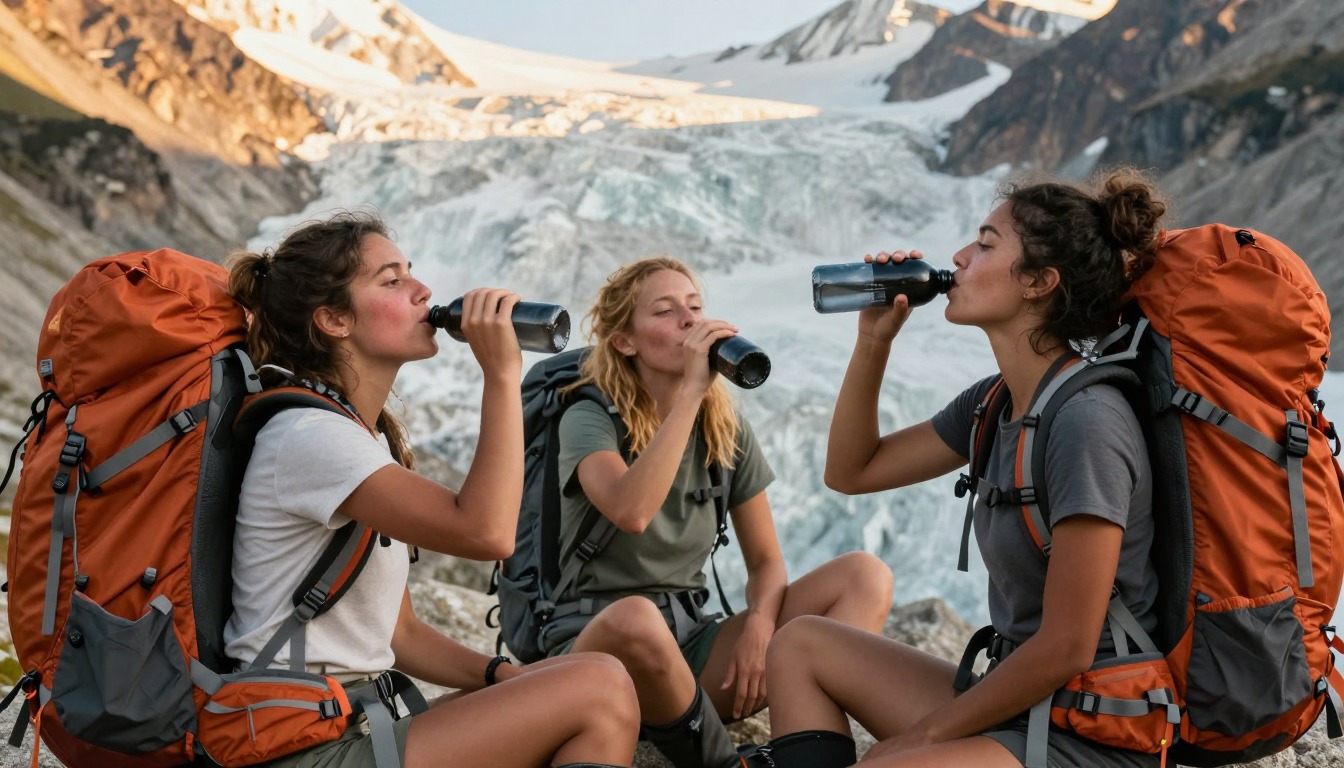


Torso length, not height or clothing size, determines how a women's-specific pack fits, since two women of the same height can have torso lengths that differ by several inches.
Step-by-step measurement
What the number means
| Torso length | Typical size |
|---|---|
| Under 14 in | Often below standard women's range; check XS or petite-specific sizing |
| 14–16 in | Extra-small |
| 16–17.5 in | Small |
| 17.5–19 in | Medium |
Ranges vary by half an inch or more between brands, so treat this table as a starting point, not a universal chart.
After sizing, confirm fit under load
Load the pack with a few pounds of gear and put it on. The hipbelt padding should center over the hip bones, not ride above them onto the waist or below them onto the thighs. Shoulder straps should wrap the shoulder without gapping at the collarbone, and load lifters should run at roughly a 45-degree angle from the shoulder to the pack body. A hiker between two sizes on the chart should size down if the pack has an adjustable suspension, since it's easier to lengthen a strap than to shorten a frame that's built too long.