
The multi-day backpacking setup
Three to five nights out changes the math: you're carrying more food and fuel, and carrying it farther, with no store or cabin in between. This multi-day setup covers the same system as a weekend trip — pack, shelter, sleep, kitchen, clothing and safety — rebuilt around what actually changes: consumables and base weight.
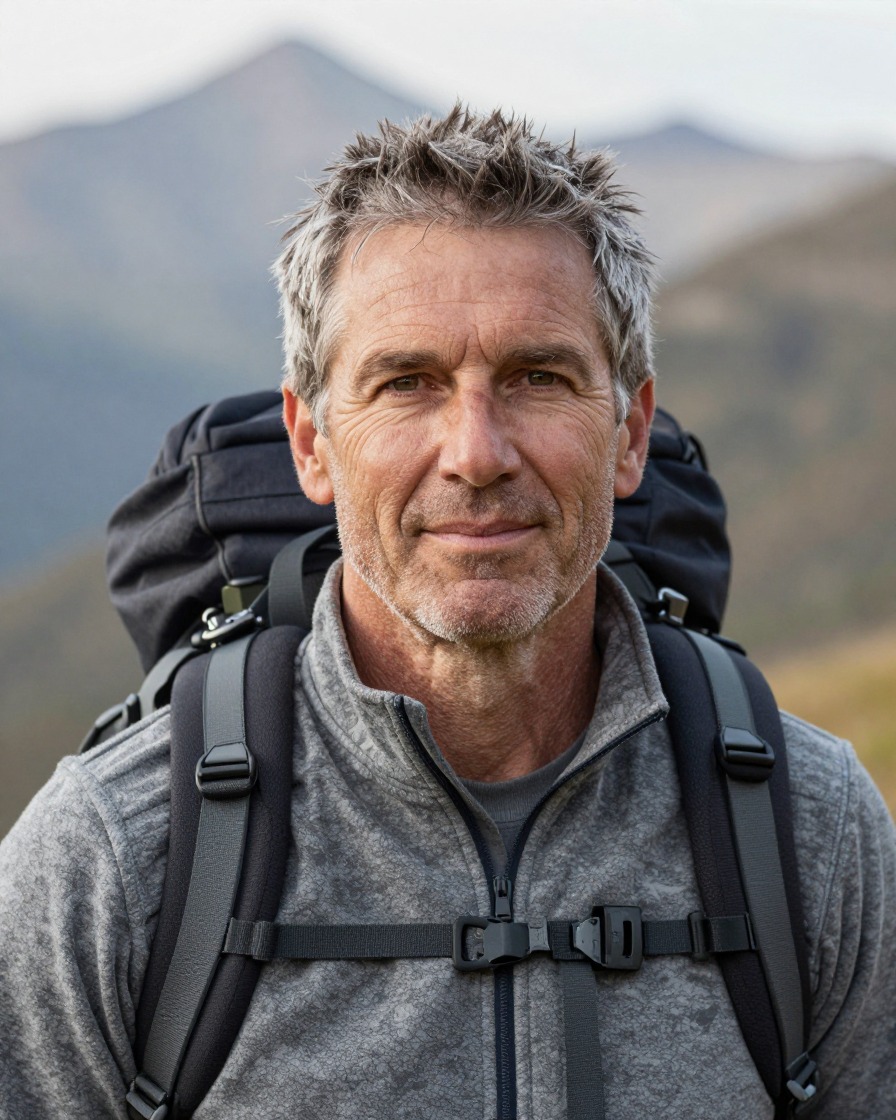
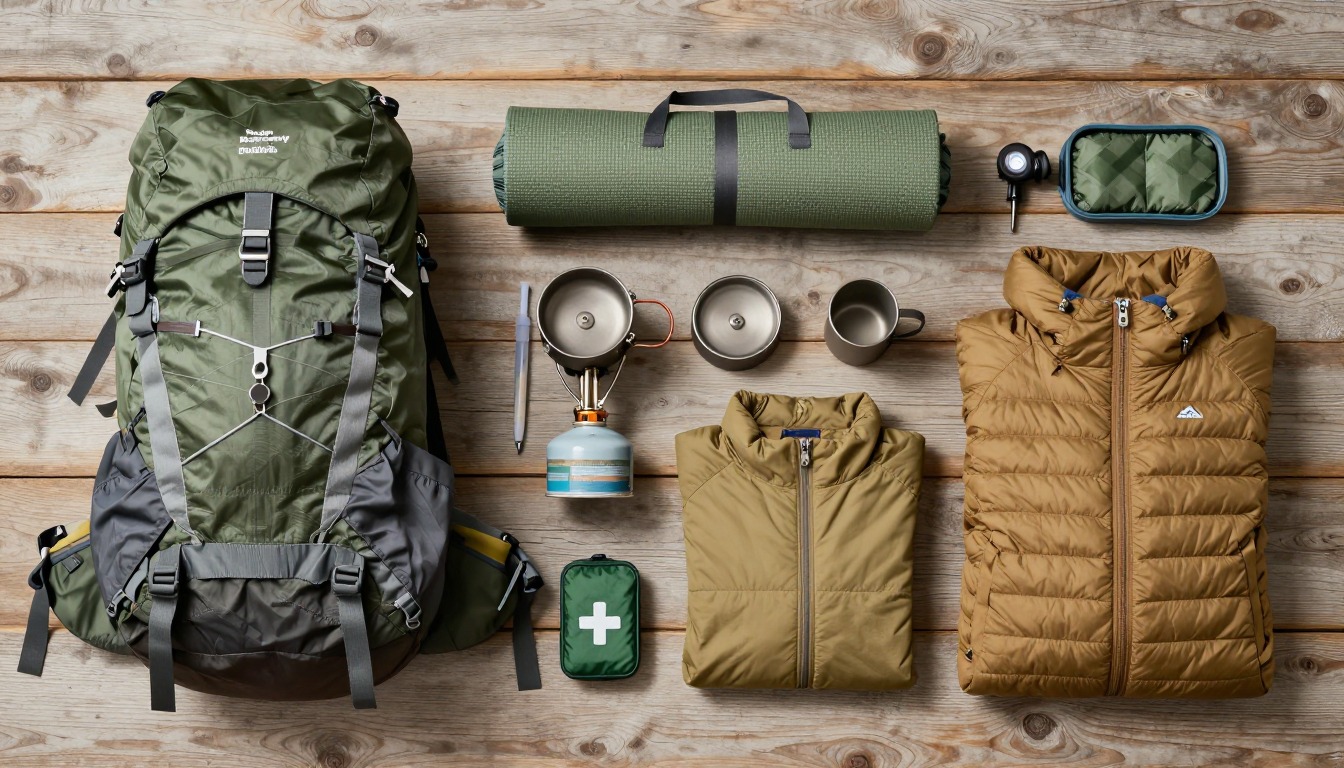
A multi-day kit is the weekend system carried further — the pack, shelter and sleep system barely change. What changes is everything that gets used up: four or five days of food weighs real pounds, fuel adds up, and your headlamp and phone need power for more nights without a plug. We size food storage and base weight to that reality, because every ounce here is carried for days, not one.
Backpackers who've done a weekend or two and are ready for three to five nights fully self-supported — no resupply, no bailout point closer than the trailhead you started from. Planning a week or more? Look at the thru-hike setup instead.
- Start from your weekend kit and add capacity — a 55–65L+ pack sized to several days of food and fuel.
- Plan meals for the full trip before you pack: calorie-dense food, no resupply, plus a spare day's margin.
- Size your power and food storage to the trip length — a bigger power bank, more fuel, proper storage.
- Weigh the finished pack and set your daily pace against real mileage, not what you'd manage on a shorter trip.
About this setup
A multi-day trip is where backpacking stops being a single system and starts being logistics. The jump from a weekend to three or five nights isn't really about new gear — it's the same pack, shelter, sleep and kitchen system you already know, but carrying enough consumables to be fully self-supported for longer, with no store, cabin or shortcut back to the car in between.
Food is the number that grows fastest. At roughly 1.5–2.5 lb of calorie-dense food per person per day, five days out means ten-plus pounds of food alone, on top of the fuel to cook it and, in many places, a bear canister or Ursack to store it properly. That's real, unavoidable weight — which is exactly why trimming your base weight is worth more effort here than on a weekend: every ounce you cut is carried for days, not one.
Pacing matters just as much as packing. A daily mileage that feels easy on day one can wear you down by day three, and small problems — a hot spot, a cold night, a low power bank — have more time to compound before you're back within reach of help. Build in a buffer day, plan assuming no resupply unless you've deliberately arranged one, and treat the kit below as a system you adjust to your trip, not a fixed list.
The pack
Three to five days of food and fuel take real space — most multi-day packs run 55 to 65 liters or more.
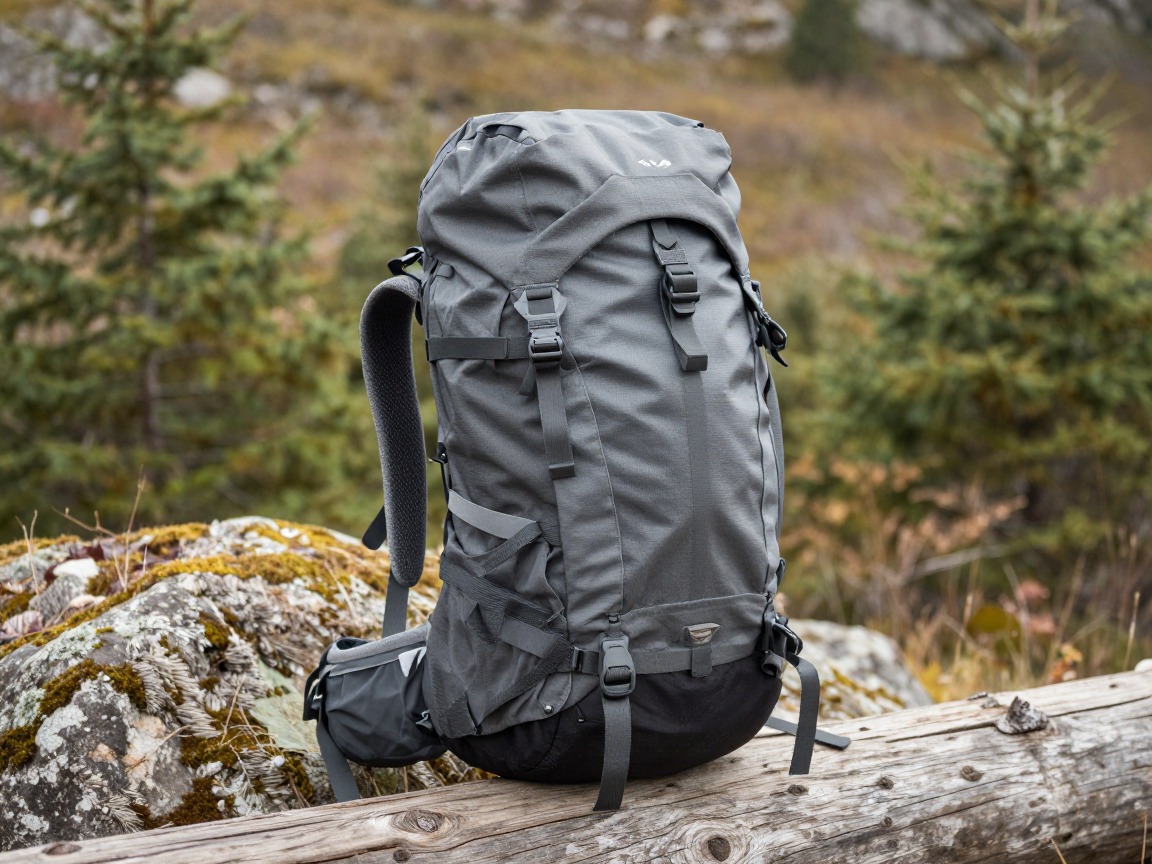
Multi-day pack (55–65L+)
Big enough for four or five days of food plus your full weekend system, with a suspension built to carry that heavier starting weight comfortably.
What to look for: A real, load-bearing hip belt, 55–65+ liters for the food and fuel bulk, and a frame rated for a heavier starting pack weight. Compression straps matter more here — they cinch the load down as food is eaten.
 WoneNice 50L Check price
  Teton 55L Scout Internal Frame Backpack for Hiking Check price
 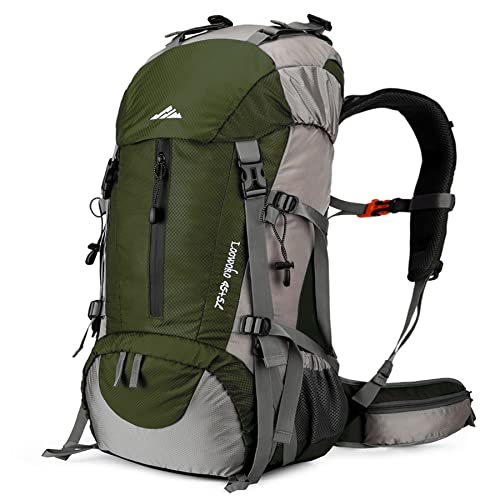 Loowoko 50L Hiking Backpack with Rain Cover for Both Men & Women Check price
 - A pack rain cover or liner
- Compression straps for a shrinking food bag
Shelter
The shelter doesn't change much from a weekend trip — more nights out just means more chances to actually meet bad weather.
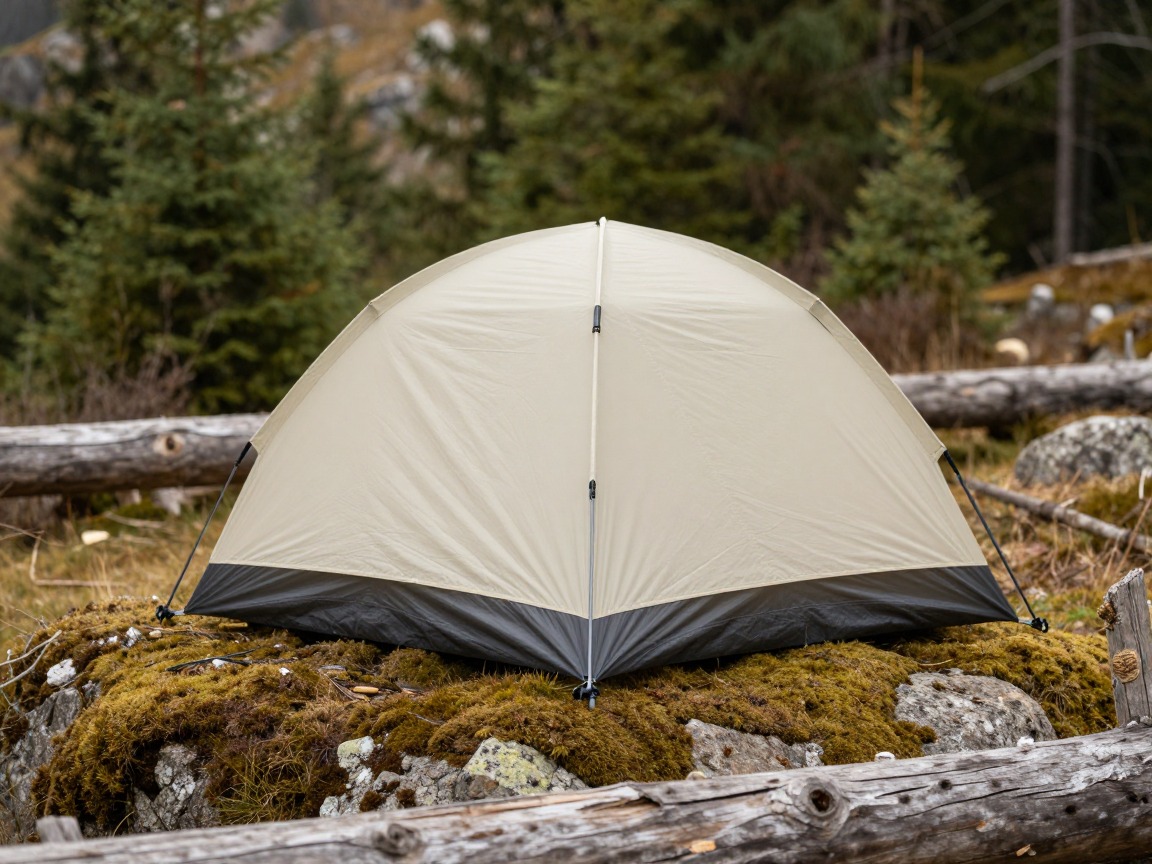
Backpacking tent
Your home for several nights running — a freestanding two-person tent is forgiving to pitch and gives you room to wait out weather.
What to look for: A freestanding or semi-freestanding two-person tent, a full-coverage fly, real vents to fight condensation over consecutive nights, and a packed weight around 2–4 lb. Quick, reliable pitching matters more on your fourth tired evening in a row.
 Night Cat 2-Persons Backpacking Tent: Waterproof Lightweight Camping Check price
  BISINNA 2/4 Person Camping Tent Lightweight Waterproof Backpacking T Check price
  Forceatt Tent for 2 Person is Waterproof and Windproof Check price
 - Stakes & guylines
- Groundsheet / footprint (optional)
- A little repair tape for poles or fabric
Sleep system
Same logic as a weekend trip — a bag rated below the expected low, on a pad that insulates you from the ground.
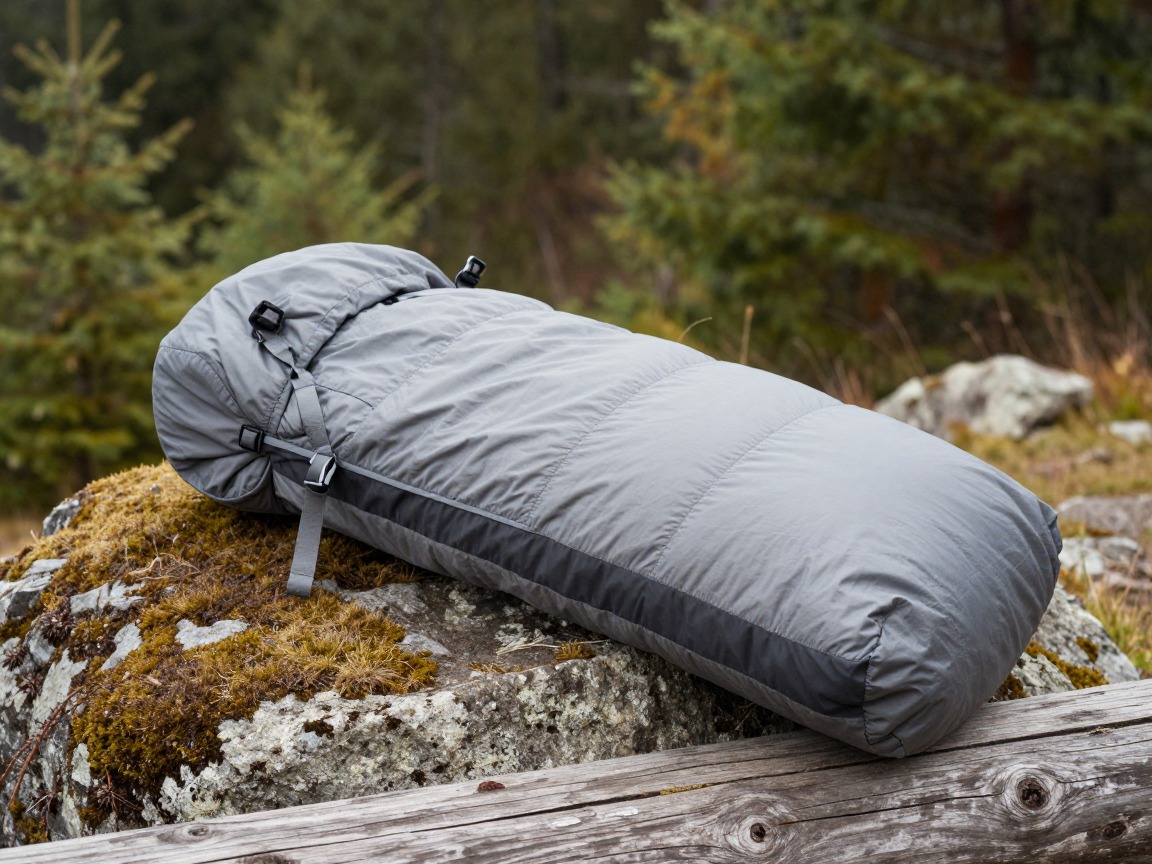
Sleeping bag
Rated a little below the coldest night you expect; a bag that's warm on night one should still be warm on night five.
What to look for: A comfort rating below your real expected low, not the survival rating, in a fill suited to the trip: down for weight, synthetic for sustained damp. A good hood and draft collar keep the warmth you paid for.
 MalloMe Sleeping Bags for Adults Cold Weather & Warm - Backpacking C Check price
 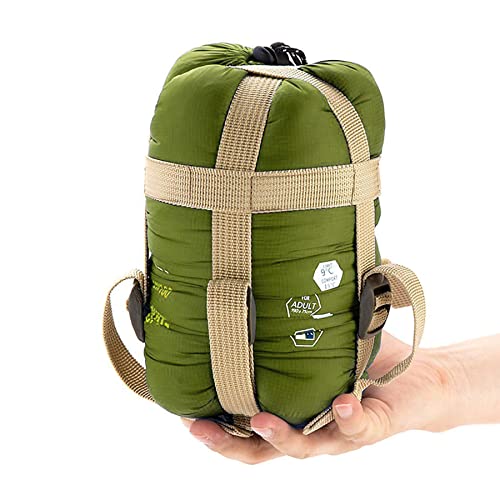 ECOOPRO Portable Check price
  Teton Trailhead Check price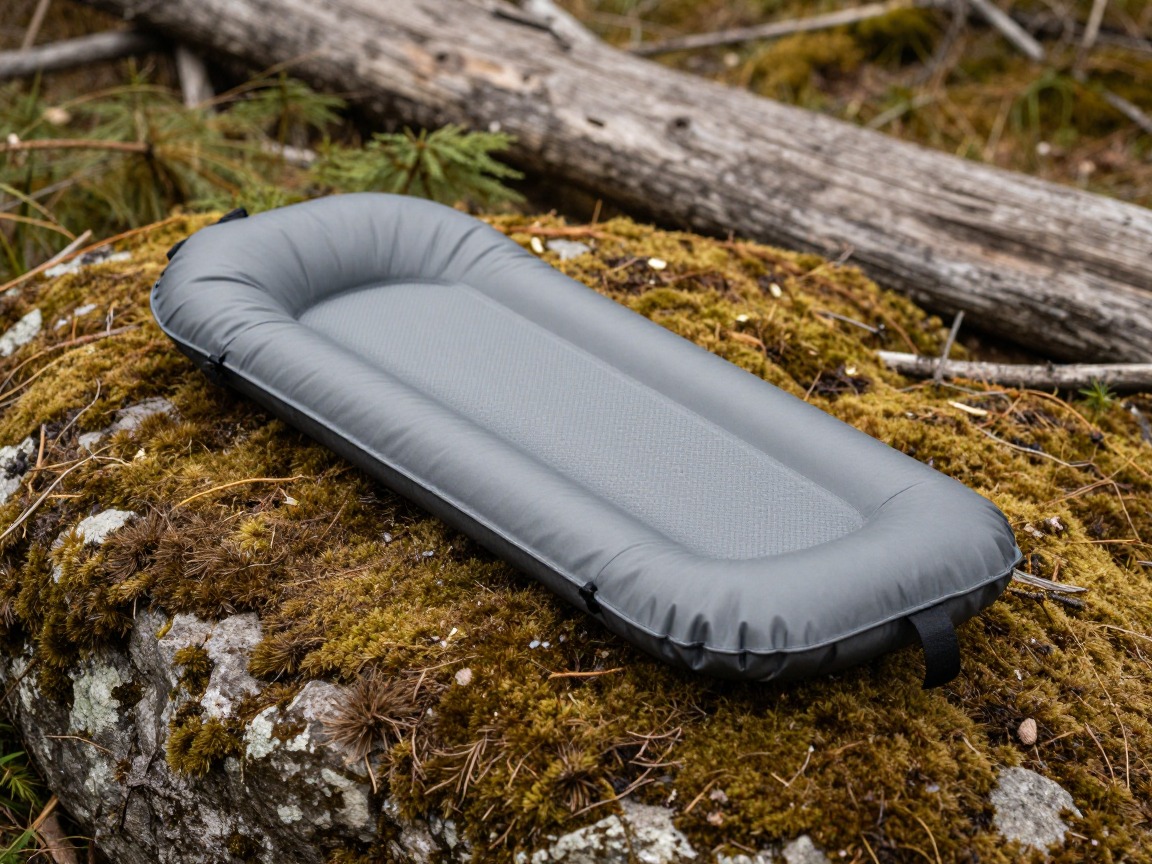
Sleeping pad
Insulates you from the ground night after night — a slow leak is a bigger problem four nights from the trailhead than one.
What to look for: Enough R-value for the season (roughly 3+ for three-season trips), a packed size you're happy carrying for days, and a field repair kit you know how to use.
 FUN PAC Camping Sleeping Pad Check price
  Gear Doctors® Ether 17.5oz Ultralight Camping Sleeping Pad Check price
  Oramoose 4in Ultralight Camping Sleeping Pad with Pillow and Foot Pu Check price
 - Inflatable or stuff-sack pillow
Kitchen & food
This is where a multi-day trip diverges from a weekend: more meals, more fuel, and food storage that matters more the deeper you go.
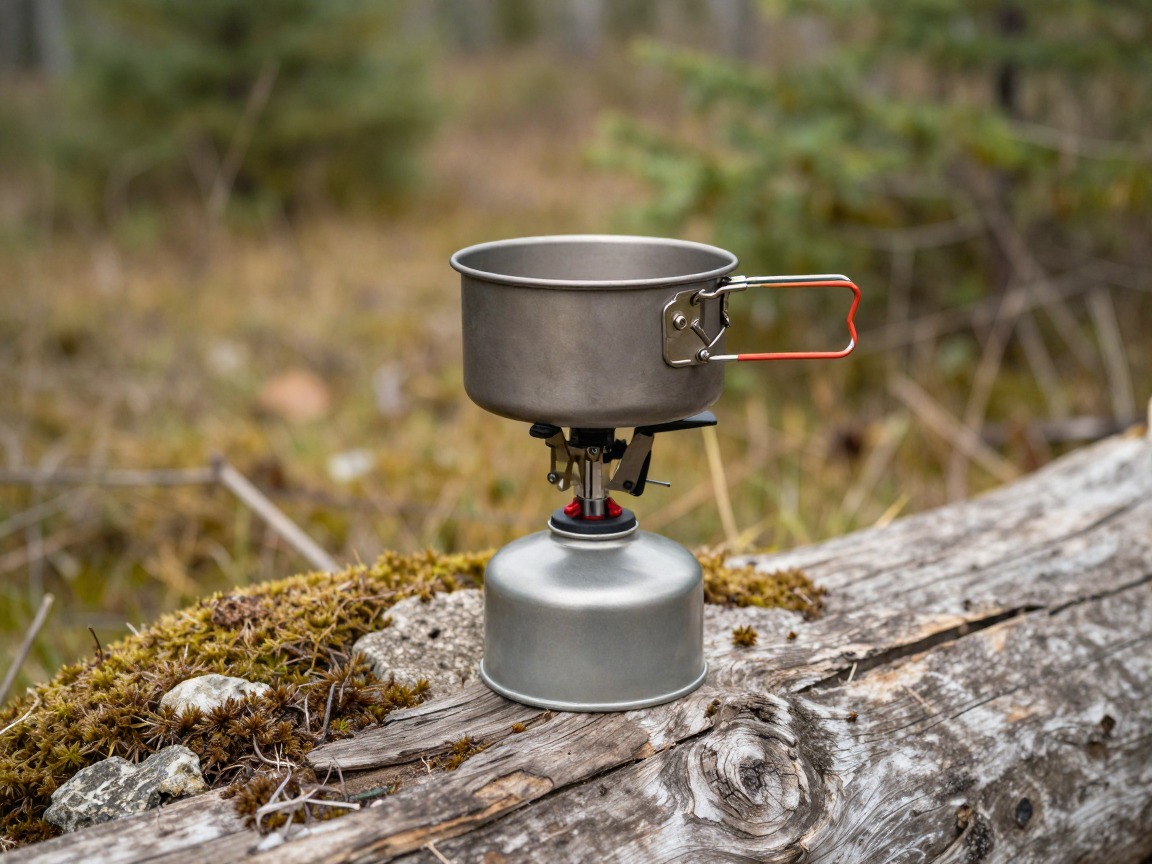
Backpacking stove
A canister stove boils water for four or five days of dinners and hot drinks; fuel math starts to matter over multiple days.
What to look for: Reliable simmer control, a fast boil, and a canister size matched to your trip length — running short of fuel on day four is a real problem.
 AOTU Portable Camping Stoves Backpacking Stove with Piezo Ignition S Check price
  MSR PocketRocket 2 Ultralight Camping and Backpacking Stove Check price
  Fire-Maple Greenpeak 1 Camping Stove with Piezo Ignition Portable Ga Check price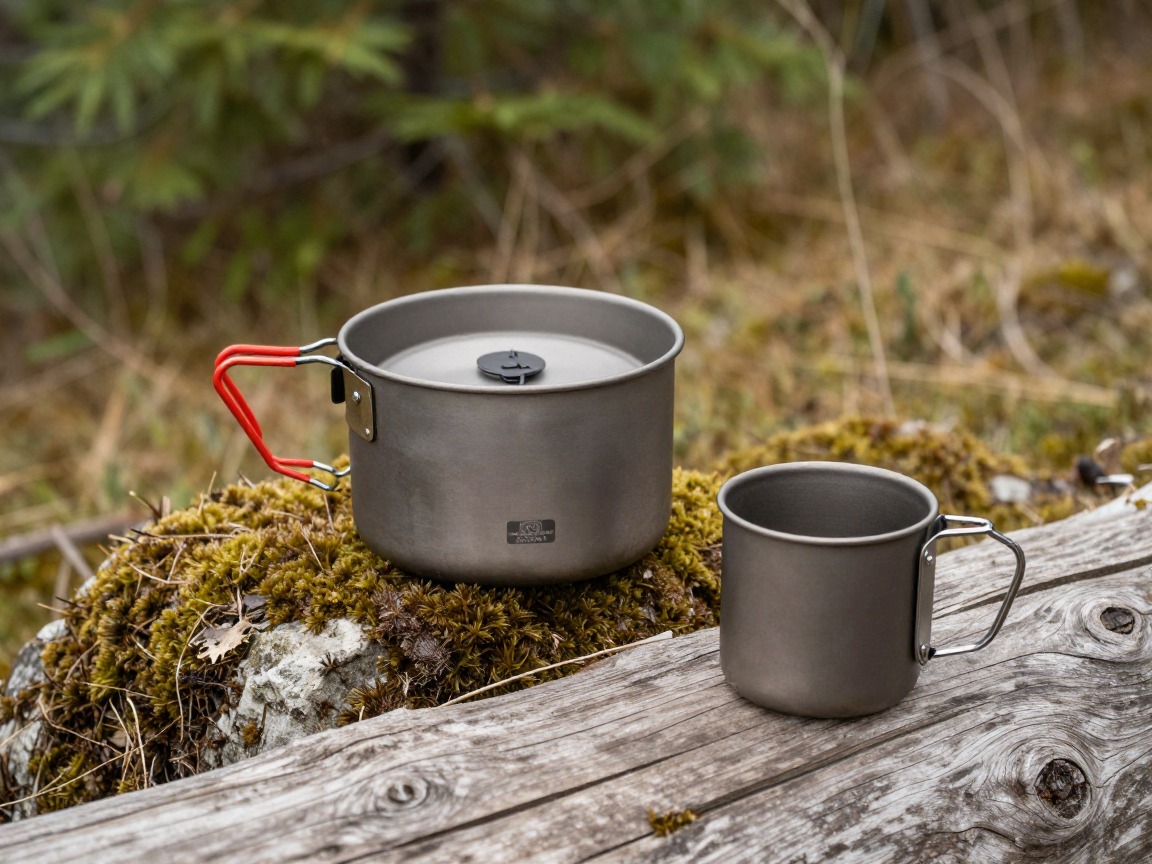
Pot & mug
One pot doubling as your bowl covers most multi-day meals — keep it simple over several days running.
What to look for: One pot sized to your group (roughly 700–900 ml for one person), a light metal like titanium or hard-anodized aluminum, and a lid that doubles as a plate.
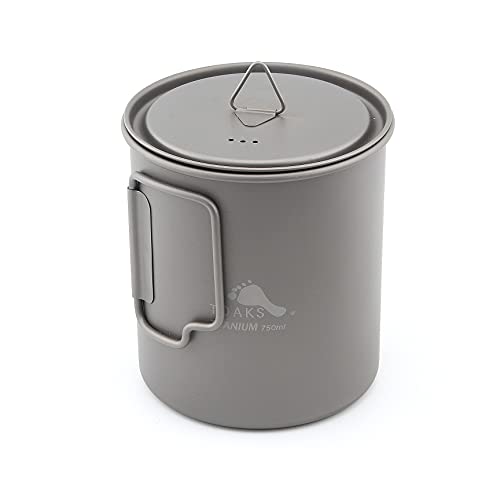 TOAKS Titanium 750ml Pot Check price
  TOAKS Titanium 750ml Pot with Bail Handle for Ultralight Camping Check price
  TOAKS Titanium 1100ml Pot with Pan Check price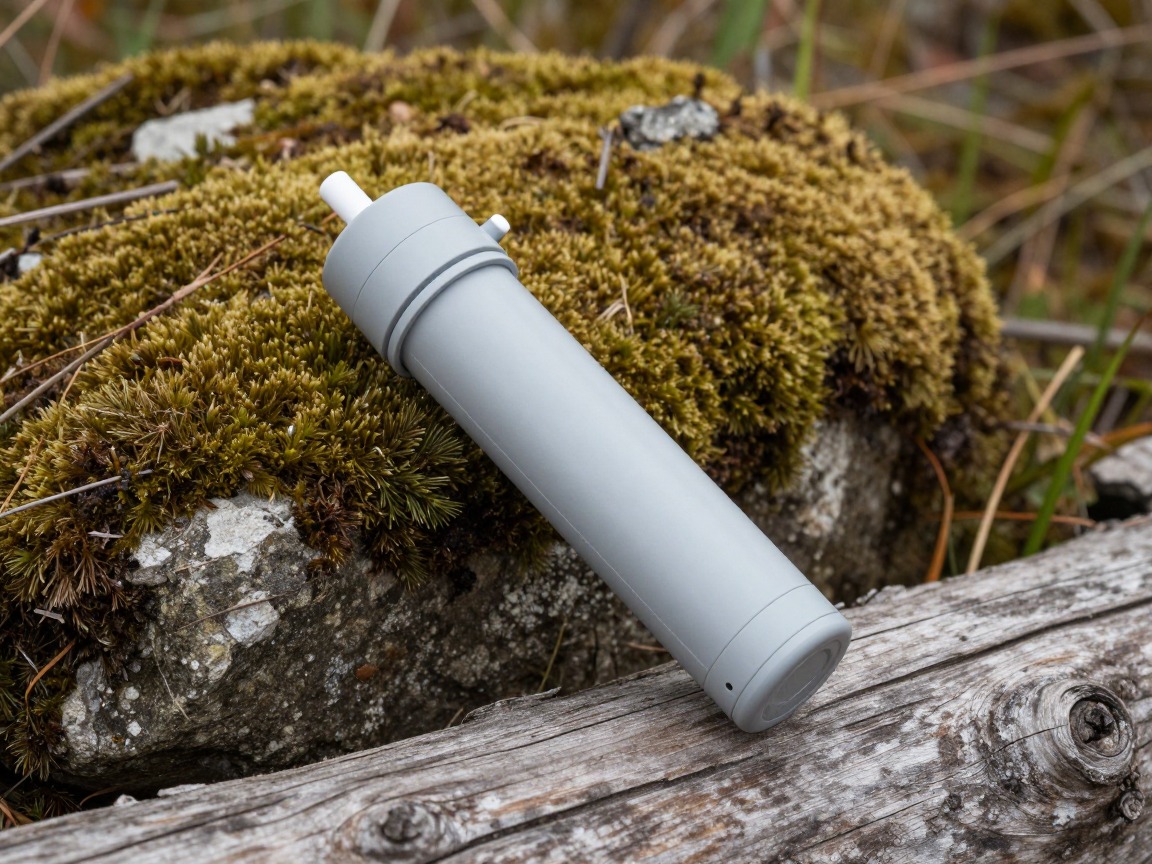
Water filter
Non-negotiable over multiple days — treats every stream you pass so you never carry more than what gets you to the next source.
What to look for: Fast flow, easy field cleaning, and a filter you trust — a clogged filter on day three of five is a real problem. Know its freeze limits in the shoulder season.
 Sawyer Squeeze Water Filtration System Check price
  Sawyer Products SP128 Mini Water Filtration System Check price
  LifeStraw Personal Water Filter for Hiking Check price
 - Fuel canister(s) for the full trip, plus a margin
- Food storage — bear canister or Ursack + hang line
- Spork & lighter
- 3–5+ days of food, planned with no resupply
- A spare day's emergency food
Clothing & layers
The layering system barely changes from a weekend trip — you're just wearing it longer, so moisture and odor control matter more.
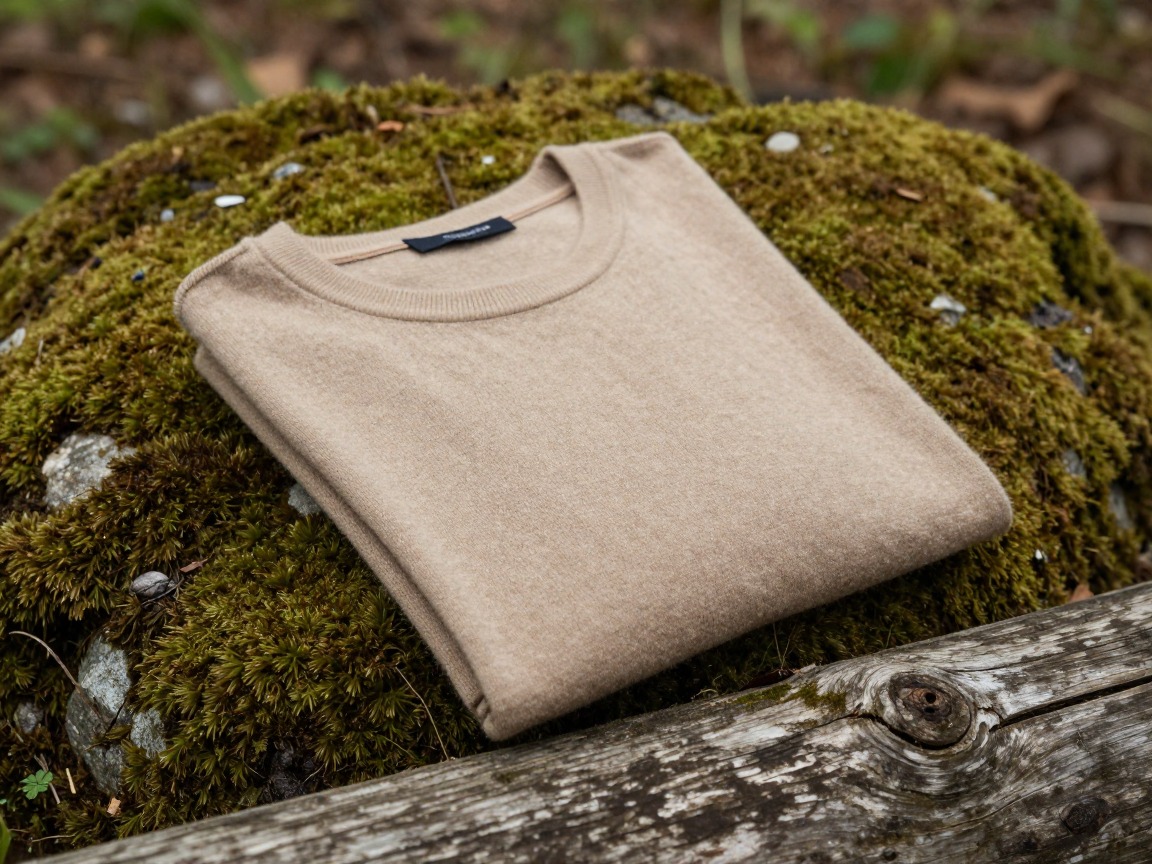
Base layer
Worn against the skin for days running, so it needs to wick sweat and resist odor, not just look good on day one.
What to look for: Merino or a merino blend for odor resistance over multiple days, a close-but-not-tight fit, and a weight matched to the season.
 100% Merino Wool Base Layer Men Set - Thermal Underwear for Men Long Check price
  Merino.tech Merino Wool Base Layer Women Set - Heavyweight Check price
  100% Merino Wool Base Layer Men Set - Thermal Long Underwear with Ba Check price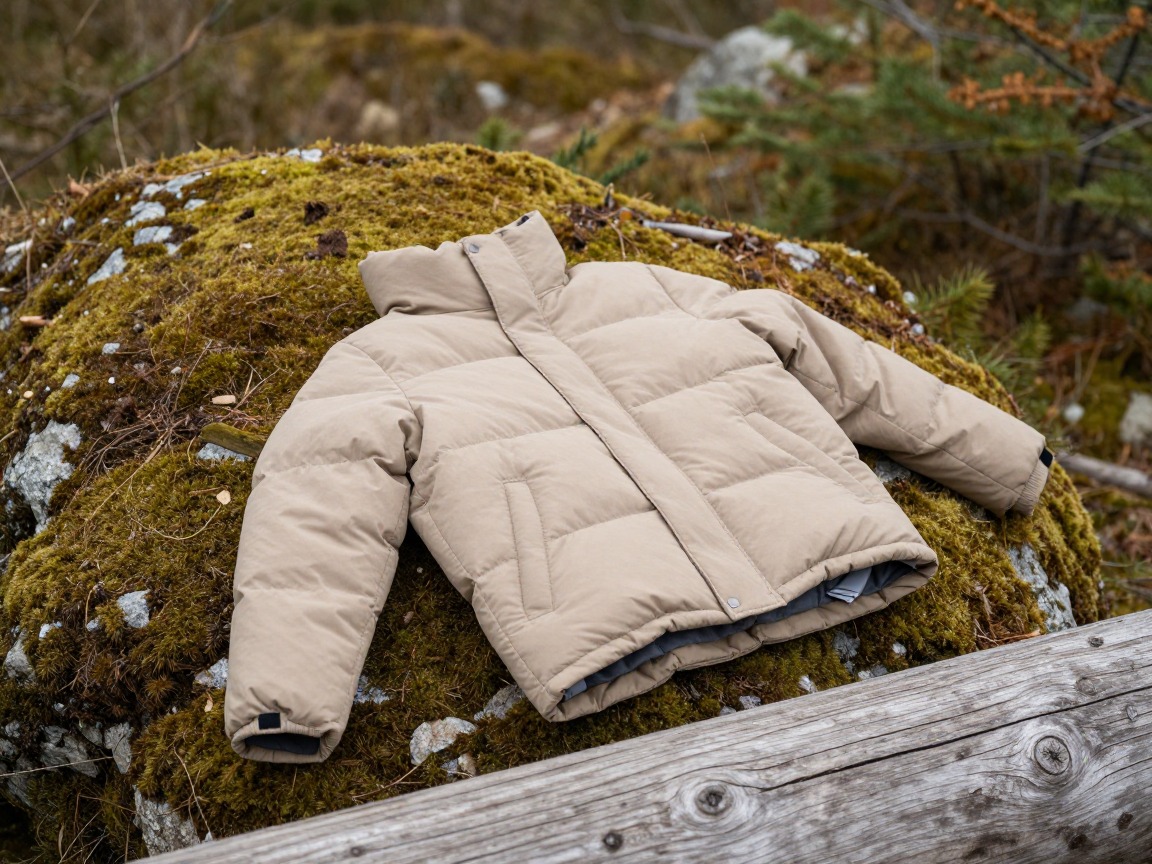
Insulating layer
Camp warmth for cold mornings and evenings across the whole trip; down packs smallest, synthetic keeps working if it stays damp.
What to look for: The most warmth for its weight and pack size — down for a dry trip, synthetic for sustained damp. Size it to layer over your base and under your shell.
 Outdoor Ventures Women's Packable Lightweight Puffer Jacket with Hoo Check price
  Amazon Essentials Women's Lightweight Long-Sleeve Water-Resistant Pa Check price
  Outdoor Ventures Women's Packable Lightweight Puffer Jacket with Hoo Check price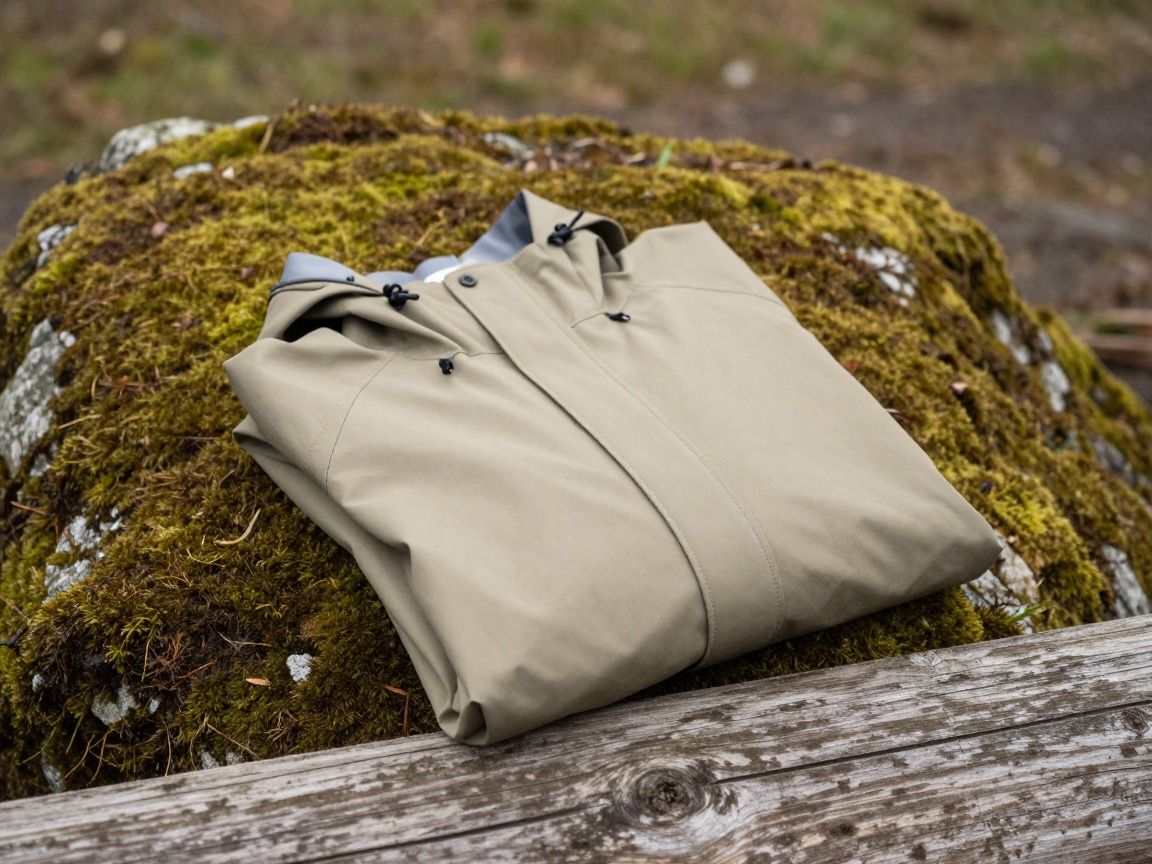
Rain shell
Waterproof, breathable protection you'll likely need at least once across four or five days out, plus a wind layer around camp.
What to look for: Genuinely waterproof, not just water-resistant, with a sealing hood and pit zips to vent on the move. Over several days it doubles as your evening wind layer.
 UIQUR Mens Rain Jacket Raincoat Waterproof Windbreaker Black L Check price
  COOFANDY Men's Waterproof Hiking Travel Shell Breathable Rain Jacket Check price
  Columbia Womens Arcadia II Waterproof Rain Jacket Check price
 - Spare hiking socks — rotate to keep feet dry
- Camp/sleep clothes
- Warm hat & gloves (shoulder seasons)
- Sun hat & sunglasses
Navigation, light & safety
Redundancy matters even more over three to five nights — you're farther from a trailhead, for longer, with more time for small problems to grow.
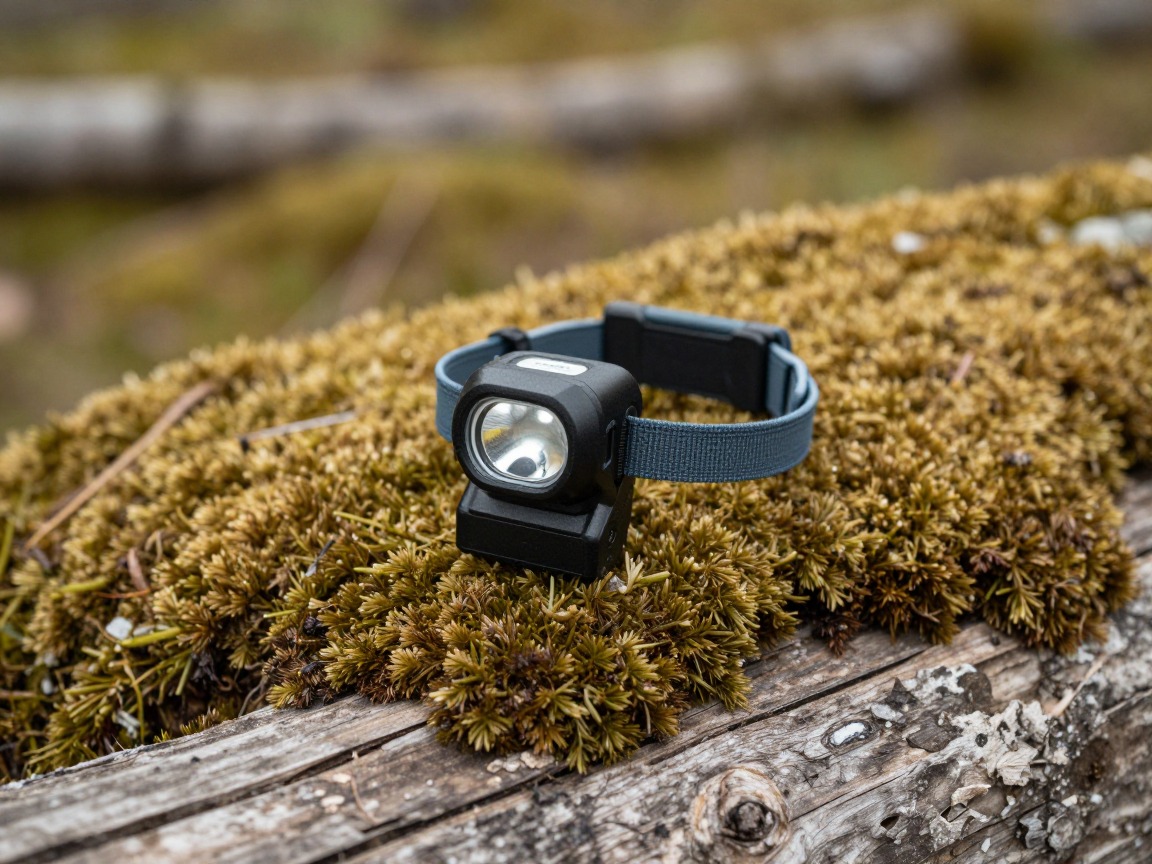
Headlamp
Used for cooking, camp chores and navigation every night out, not just an emergency backup — bring enough power for the whole trip.
What to look for: Bright and comfortable, with a red mode for camp, and either a rechargeable model with a way to top it up or enough spare batteries for the full trip.
 LHKNL Headlamp Flashlight Check price
 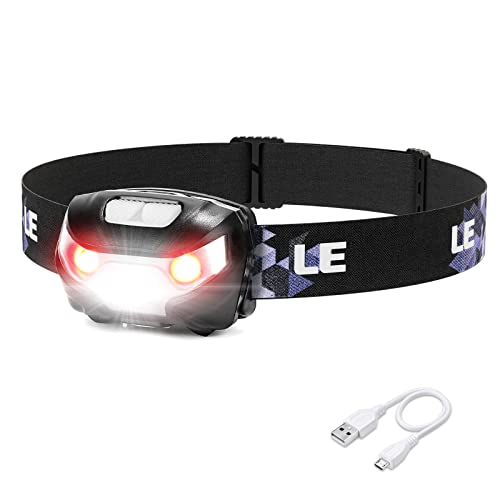 Lepro LED Headlamp Rechargeable IPX4 Waterproof Headlight 5 Modes - Check price
 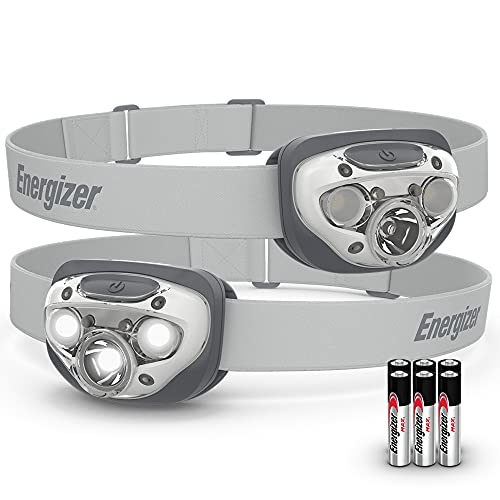 Energizer LED Headlamp PRO Check price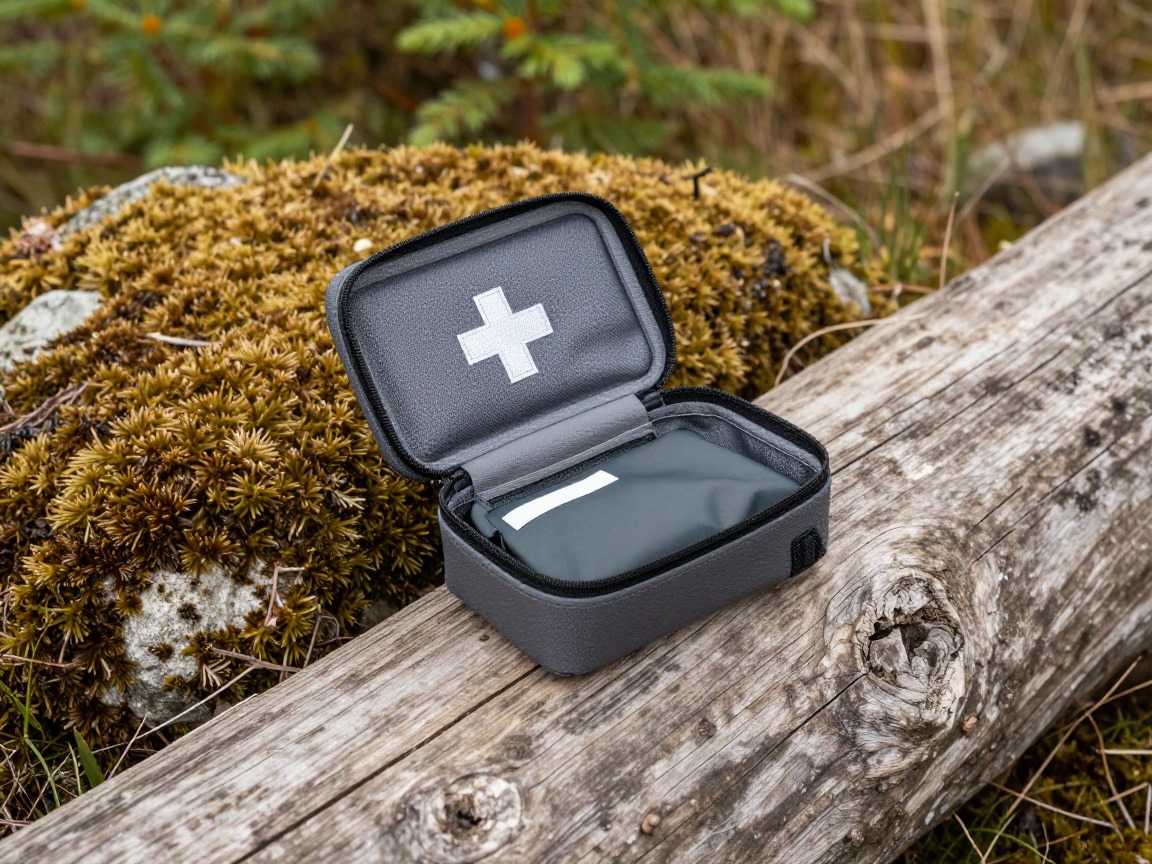
First-aid kit
A fuller kit than a weekend trip, weighted toward what compounds over days — blisters, chafing, the meds you actually use.
What to look for: Blister care, wound cleaning, your own reliable meds, and a small repair element, sized up slightly because you're further from help for longer.
 Mini First Aid Kit - 150 Piece Small Waterproof EVA Hard Shell Case Check price
  Adventure Medical Kits Ultralight/Watertight Medical Kit .5 Check price
 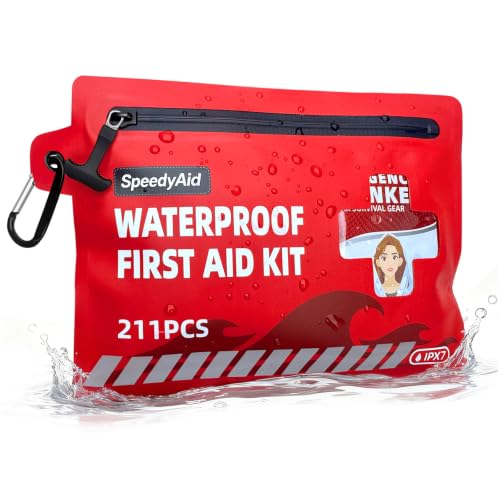 211 PCS Waterproof First Aid Kit Check price
 - Map + compass or GPS (offline)
- Sunscreen & lip balm
- Whistle
- Phone + a bigger power bank
- Trekking poles
- Satellite messenger or PLB (remote, multi-day routes)
- Fire kit
- Toilet kit — trowel, TP, waste bags (Leave No Trace)
How to adapt this setup
Closer to a long weekend: less food and fuel let some hikers stay nearer 45–55L, but keep the full system intact — don't cut shelter, sleep or safety gear.
Push past five nights and you're into thru-hike planning: a lighter base weight becomes worth real money, and food storage gets more serious.
A resupply partway through means less food per leg and a smaller pack — but plan the resupply itself as carefully as the trail.
Lead with water and sun: plan around reliable sources, carry a way to treat plenty, and lighten the sleep system — but keep a warm layer for cold nights at elevation.
A warmer bag, a higher-R pad, more insulation, and earlier, more conservative daily mileage — cold days change the pacing math as much as the gear.
Common mistakes to avoid
- Packing weekend-size food for a longer trip and running short by day four.
- Underestimating fuel and running out with dinners still to cook.
- Skipping proper food storage in bear country because 'it's just a few nights'.
- Setting a pace you'd manage fresh on day one, not day three.
- Carrying extra base weight because 'it's only a few pounds' — it's carried for days, not one.
- Not telling anyone your full route and return date, with no resupply in between.
Make it yours
Frequently asked questions
What's different about packing for a multi-day trip versus a weekend?
The core system — pack, shelter, sleep, kitchen, clothing, safety — barely changes. What changes is consumables: more food, more fuel, a bigger power bank, and food storage that matters more the longer and further you're out. Pack size grows to fit that bulk, and base weight is worth trimming harder because it's carried for days, not one.
How much food should I pack for 3–5 days backpacking?
Plan on roughly 1.5–2.5 lb of calorie-dense food per person per day, then add a spare day's margin in case you're delayed. With no resupply, count every meal before you leave rather than packing by feel.
What size backpack do I need for a multi-day trip?
Most multi-day hikers land between 55 and 65+ liters — enough for a full weekend system plus several days of food and fuel. Go bigger if you're carrying a bear canister or winter gear; go smaller only once your base weight is genuinely dialed in.
Do I need a bear canister for a multi-day trip?
It depends on where you're hiking — many parks and wilderness areas require one, and even where it's optional, proper food storage matters more the longer and deeper you're out. Check local regulations for your specific route before you go.
How many miles should I plan per day on a multi-day trip?
Plan conservatively and build in a rest or short day, especially early on — fatigue and blisters compound over consecutive days in a way a single overnight never tests. Base your pace on your slowest realistic day, not your best one.
Illustrative images show the type of gear, not specific products. Recommendations link to similar items on Amazon; we only ever link real listings and never show fabricated prices or ratings. General planning guidance, not a substitute for your own judgment or professional backcountry-safety instruction.