
The ultralight backpacking setup
Ultralight isn't about spending the most — it's about carrying the least while staying safe and comfortable. This setup walks through a light kit piece by piece: where the weight actually hides, what to trim first, and how to think about going lighter without leaving safety behind.
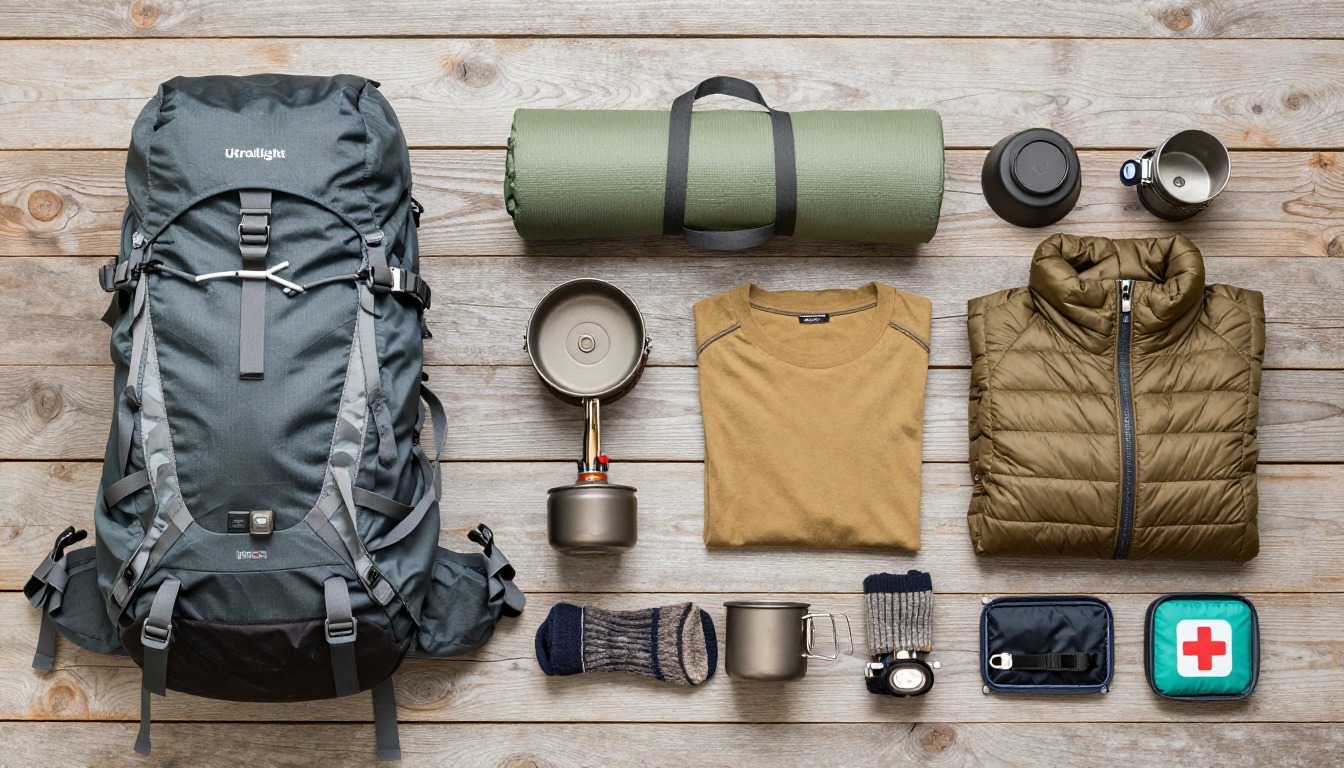
Almost all of your pack weight lives in three places — the pack, the shelter and the sleep system. Trim those 'big three' and everything else follows, because a lighter load lets you carry a smaller, frameless pack, which saves weight again. We keep the safety layer (navigation, first aid, insulation, water treatment) fully intact — ultralight means cutting redundancy and bulk, never cutting the things that keep you out of trouble.
Hikers who've done a few overnights and want to move farther with less strain. It's not the place to start as a total beginner — a little extra comfort and margin is worth the weight while you learn — but it's a natural next step once you know what you actually use.
- Weigh everything (a cheap kitchen scale is enough) and list it — you can't cut what you don't measure.
- Attack the big three first: pack, shelter and sleep system are where the pounds are.
- Make items multi-task — trekking poles pitch the shelter, a pot is your bowl, a puffy is your pillow.
- Cut duplicates and 'just in case' items, but keep every safety essential; light is the goal, safe is the rule.
About this setup
Ultralight backpacking gets mythologized as an expensive arms race of exotic gear. It isn't. At its core it's a discipline: carry less by questioning every item, and let the savings compound. A lighter load means you can carry a smaller, frameless pack, which saves weight again, which means less strain, more miles, and more of the reason you came out here.
The weight lives where it always lives — the 'big three' of pack, shelter and sleep system. A frameless or minimal-frame pack, a trekking-pole tent or tarp (you're carrying the poles anyway), and a down quilt with a light pad will typically halve those three versus a traditional kit. That's where to spend your attention first; trimming ounces off small items matters far less.
The one rule that never bends: light is the goal, safe is the constraint. Ultralight trims redundancy, bulk and 'just in case' duplicates — it never trims navigation, insulation, first aid or the ability to treat water. Done right, going light makes you safer, not less: a comfortable, unstrained hiker makes better decisions than an exhausted one buried under a heavy pack.
The pack
With a lighter load you don't need a heavy, over-built pack — a minimal 40–55 L frameless or light-frame pack carries a sensible ultralight kit comfortably.
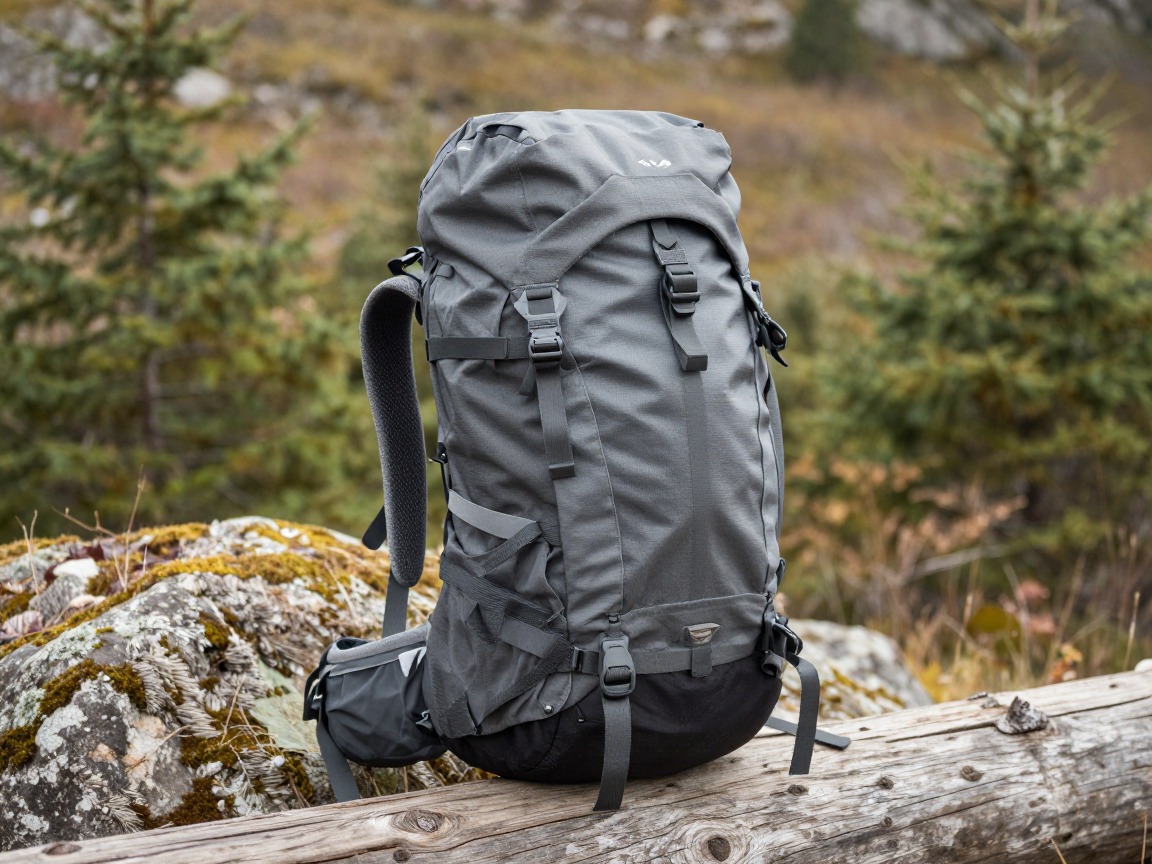
Lightweight pack
A minimal 40–55 L pack with less padding and frame — it weighs little precisely because it's carrying less. Load it well and it still rides comfortably.
What to look for: Once your kit is light, a 40–55 L frameless or minimal-frame pack (roughly 1–2 lb) carries it comfortably. Match capacity to your compressed kit — an oversized pack just invites you to fill it.
 WoneNice 50L Check price
  Teton 55L Scout Internal Frame Backpack for Hiking Check price
 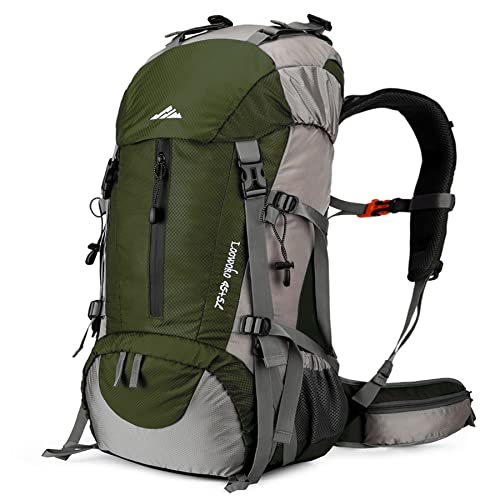 Loowoko 50L Hiking Backpack with Rain Cover for Both Men & Women Check price
 - A lightweight pack liner (instead of a heavier rain cover)
Shelter
Shelter is one of the big three. A trekking-pole tent or a tarp shaves serious weight over a freestanding tent.
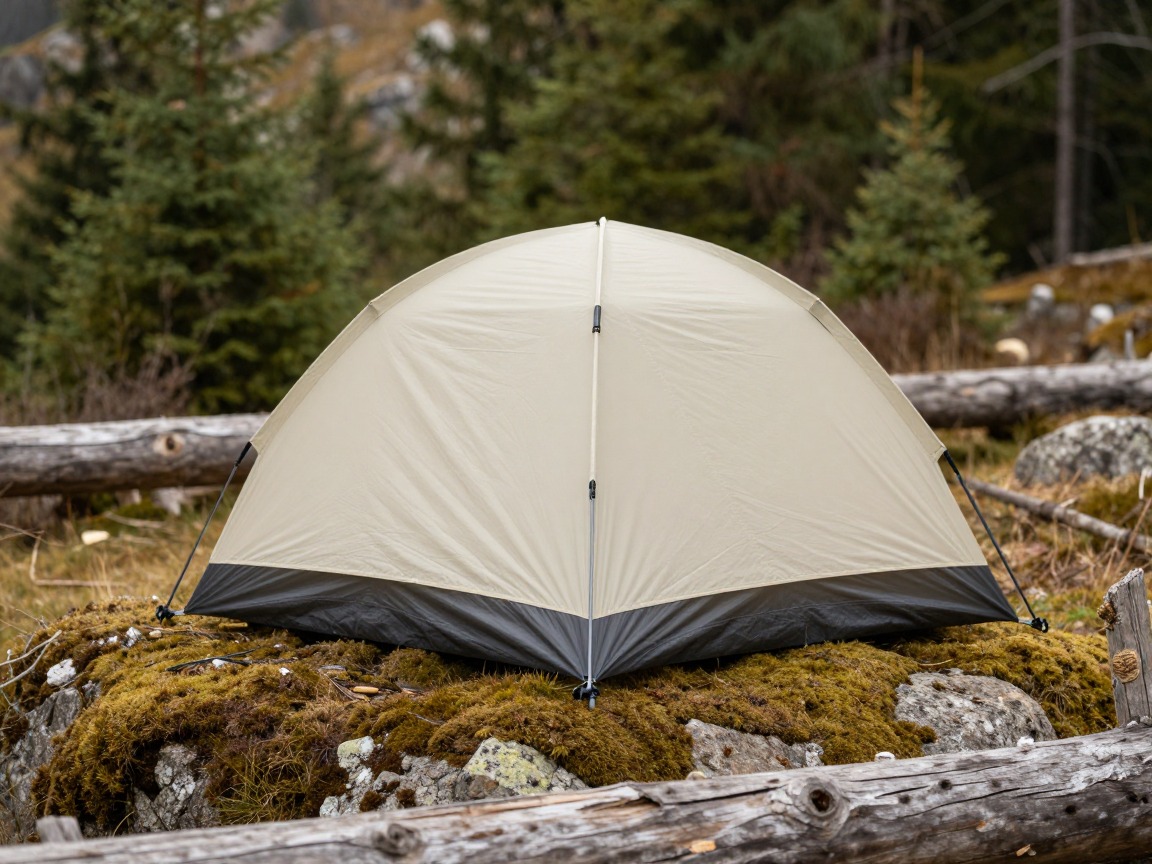
Ultralight shelter
A trekking-pole-supported tent or tarp drops the poles (you're already carrying them) and often a pound or more versus a freestanding tent.
What to look for: A trekking-pole tent or tarp drops dedicated poles and often a pound-plus versus freestanding. Weigh the trade: less bug protection and a steeper pitch-learning curve for real weight savings.
 Night Cat 2-Persons Backpacking Tent: Waterproof Lightweight Camping Check price
  BISINNA 2/4 Person Camping Tent Lightweight Waterproof Backpacking T Check price
  Forceatt Tent for 2 Person is Waterproof and Windproof Check price
 - Stakes & guylines
- Trekking poles double as tent poles
Sleep system
The other big weight saving. A down quilt and a light pad keep you warm for a fraction of the weight of a bulky bag.
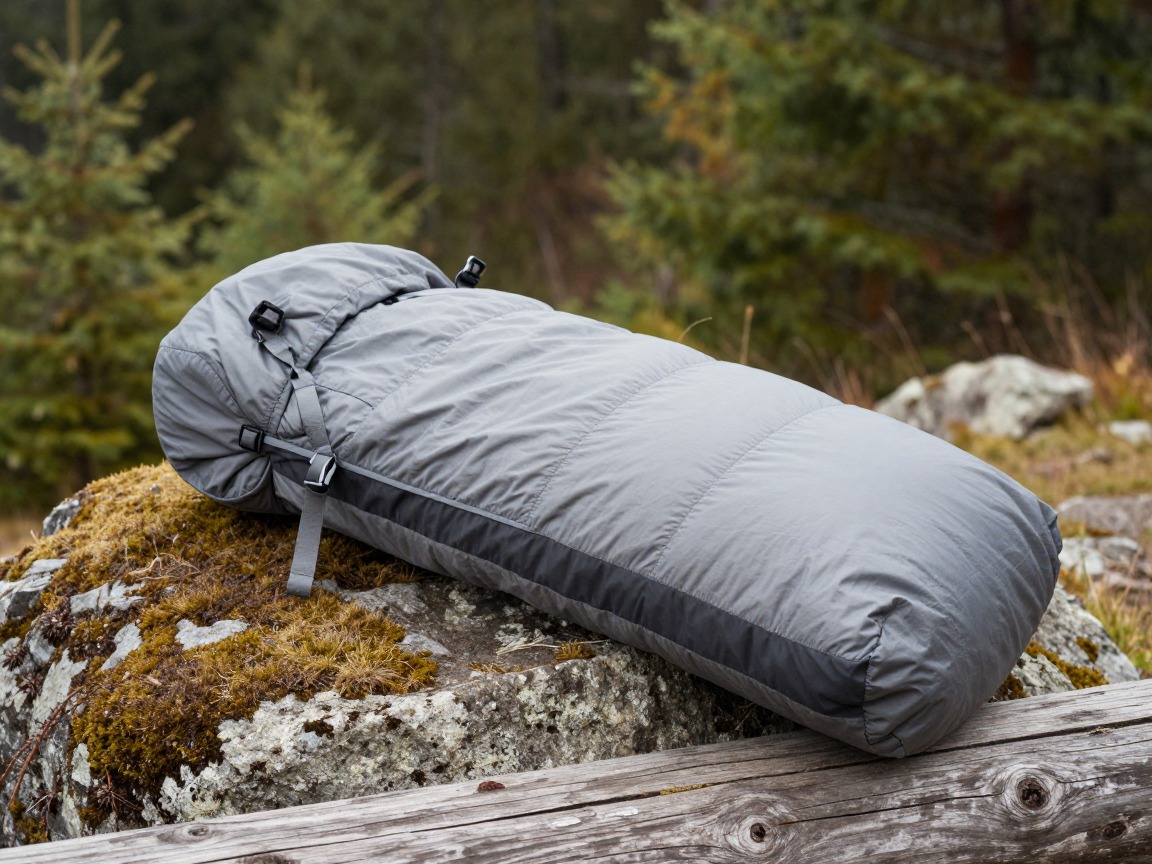
Quilt or light bag
A down quilt saves weight and packs tiny; rate it a little below your expected low so you can still sleep warm.
What to look for: A down quilt saves weight over a hooded bag by ditching the crushed-flat back insulation. Choose fill power and temperature rating honestly — a quilt you're cold in isn't light, it's a mistake.
 MalloMe Sleeping Bags for Adults Cold Weather & Warm - Backpacking C Check price
 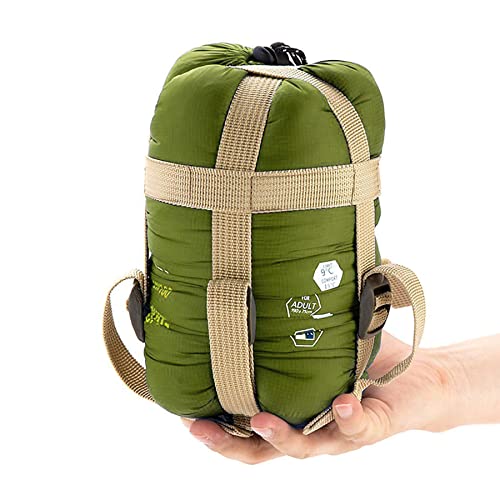 ECOOPRO Portable Check price
  Teton Trailhead Check price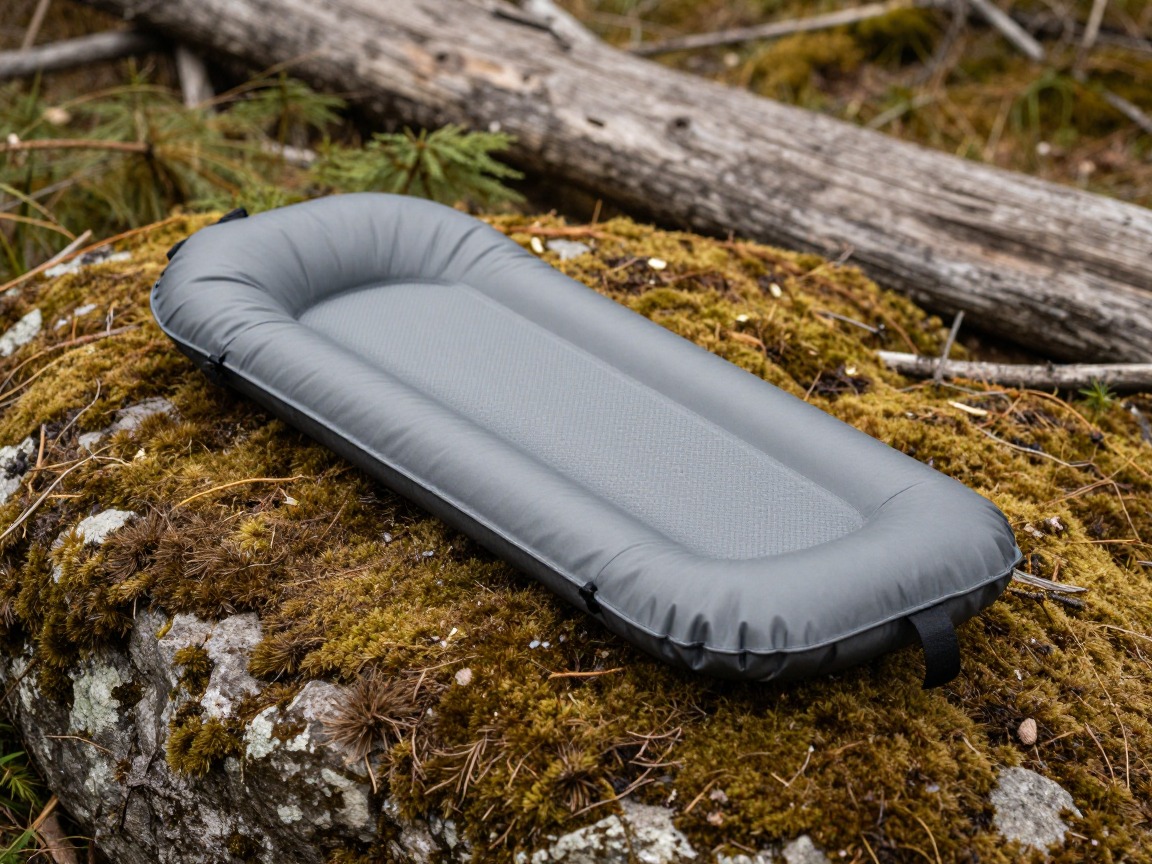
Light sleeping pad
A light inflatable (or a closed-cell foam pad) with enough insulation for the ground — warmth from below matters as much as your quilt.
What to look for: A light inflatable with adequate R-value, or a torso-length closed-cell foam pad for the ultralight purist. Warmth from the ground up matters as much as your quilt — don't under-insulate to save grams.
 FUN PAC Camping Sleeping Pad Check price
  Gear Doctors® Ether 17.5oz Ultralight Camping Sleeping Pad Check price
  Oramoose 4in Ultralight Camping Sleeping Pad with Pillow and Foot Pu Check price
 - A puffy jacket stuffed in a sack makes your pillow
Kitchen & water
Cooking systems get light fast. A tiny canister stove and one titanium pot cover hot meals; some ultralighters skip cooking entirely.
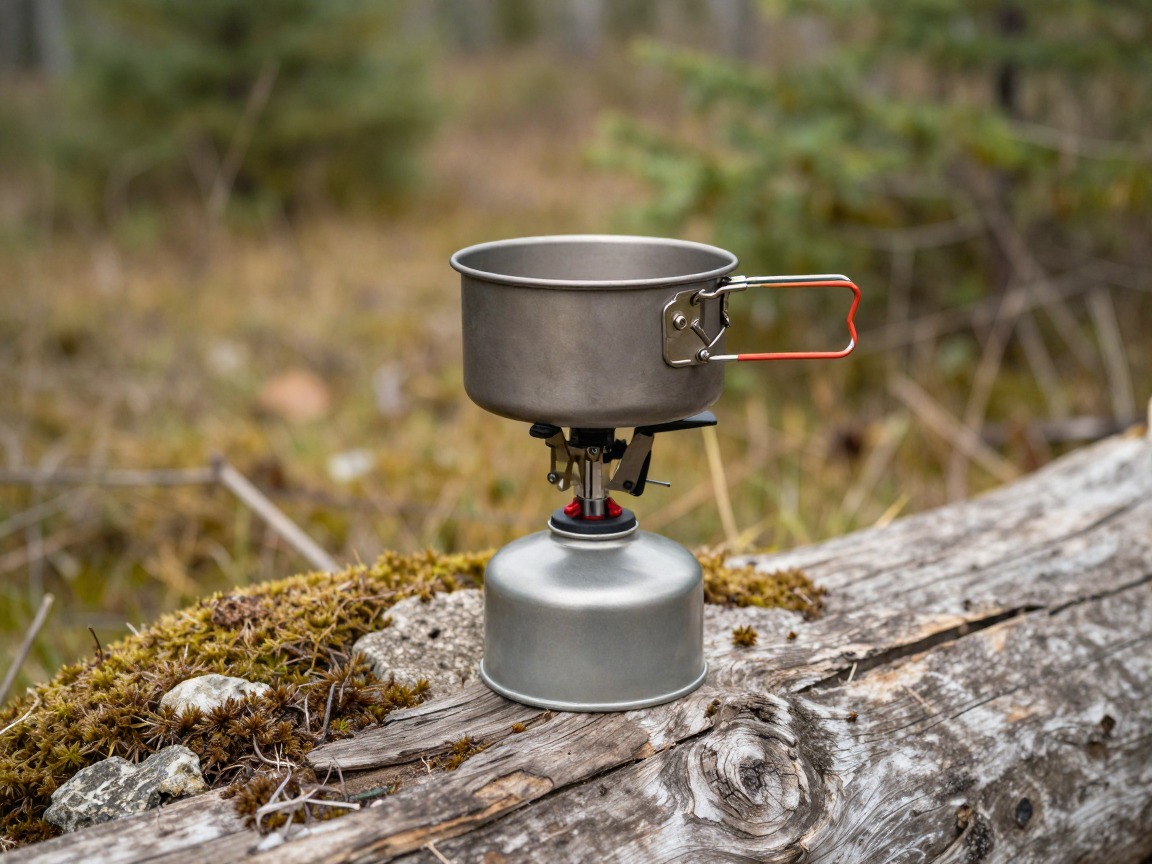
Micro stove
A tiny canister stove boils water for meals and hot drinks and weighs almost nothing — or go stoveless and cold-soak to drop it entirely.
What to look for: A tiny canister stove (a couple of ounces) covers hot meals, or go stoveless and cold-soak to drop the stove, pot and fuel entirely. Decide based on how much a hot dinner matters to you.
 AOTU Portable Camping Stoves Backpacking Stove with Piezo Ignition S Check price
  MSR PocketRocket 2 Ultralight Camping and Backpacking Stove Check price
  Fire-Maple Greenpeak 1 Camping Stove with Piezo Ignition Portable Ga Check price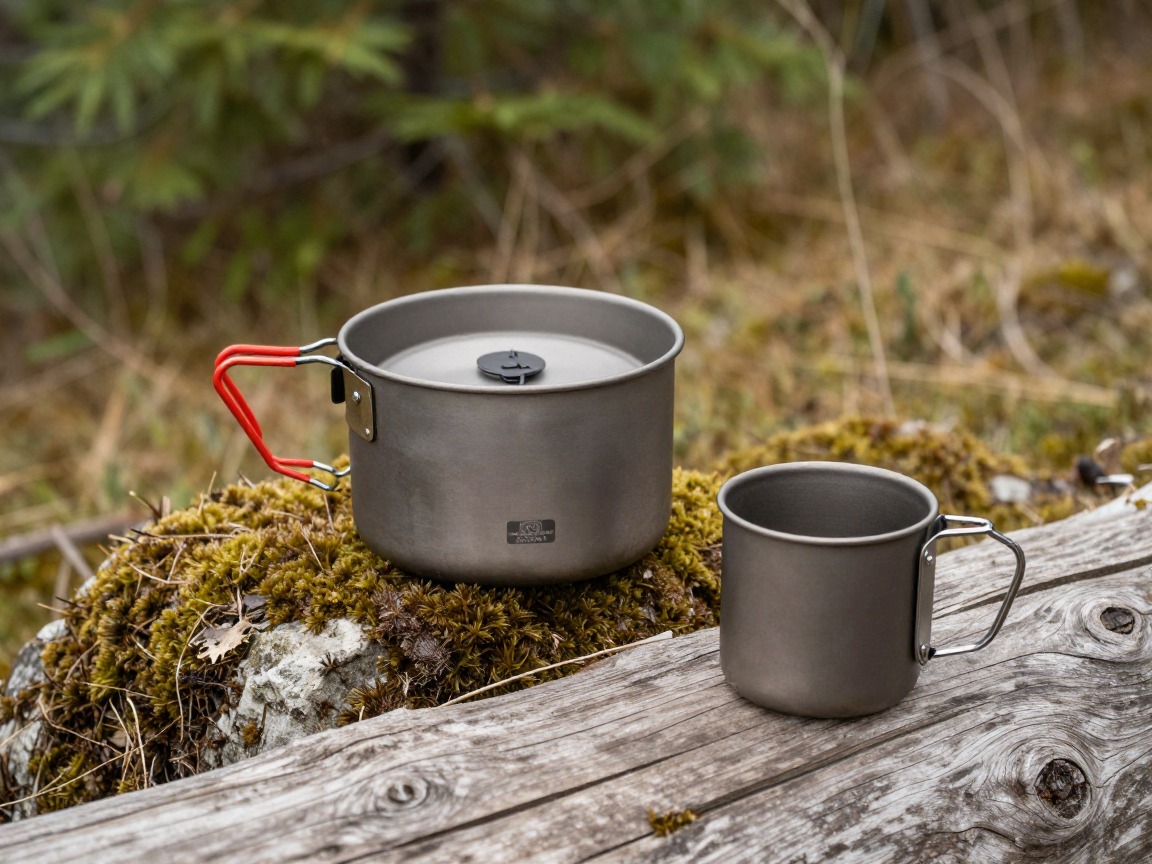
Titanium pot & mug
One light titanium pot doubles as your bowl and mug; that's the whole kitchen for one person.
What to look for: One small titanium pot doubling as mug and bowl — 550–750 ml is plenty for boil-in-bag and freezer-bag meals. If you cold-soak, a screw-top jar replaces it.
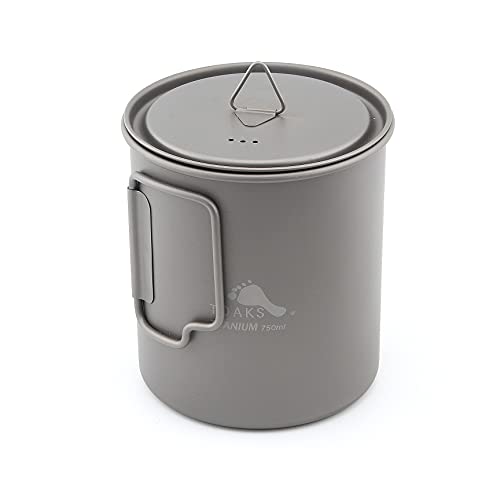 TOAKS Titanium 750ml Pot Check price
  TOAKS Titanium 750ml Pot with Bail Handle for Ultralight Camping Check price
  TOAKS Titanium 1100ml Pot with Pan Check price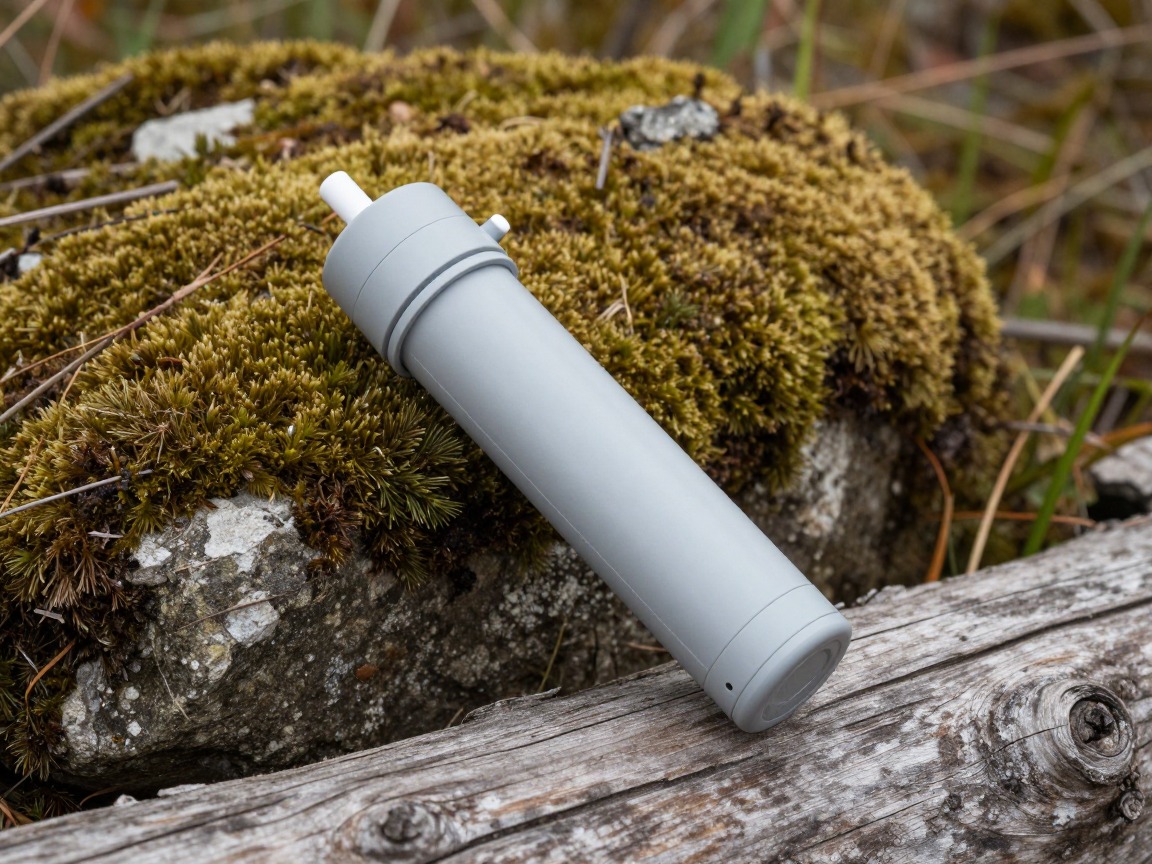
Lightweight filter
A squeeze filter is light, fast and reliable — pair it with a smart water plan so you carry only what you need between sources.
What to look for: A light squeeze filter with a smart water plan — carry only what you need between reliable sources rather than hauling liters 'just in case'. Know your route's water so you can carry less.
 Sawyer Squeeze Water Filtration System Check price
  Sawyer Products SP128 Mini Water Filtration System Check price
  LifeStraw Personal Water Filter for Hiking Check price
 - Small fuel canister
- Long-handled spoon
- Lighter
Clothing & layers
Wear one, carry one. A tight layering system handles the range without packing spare outfits you'll never wear.
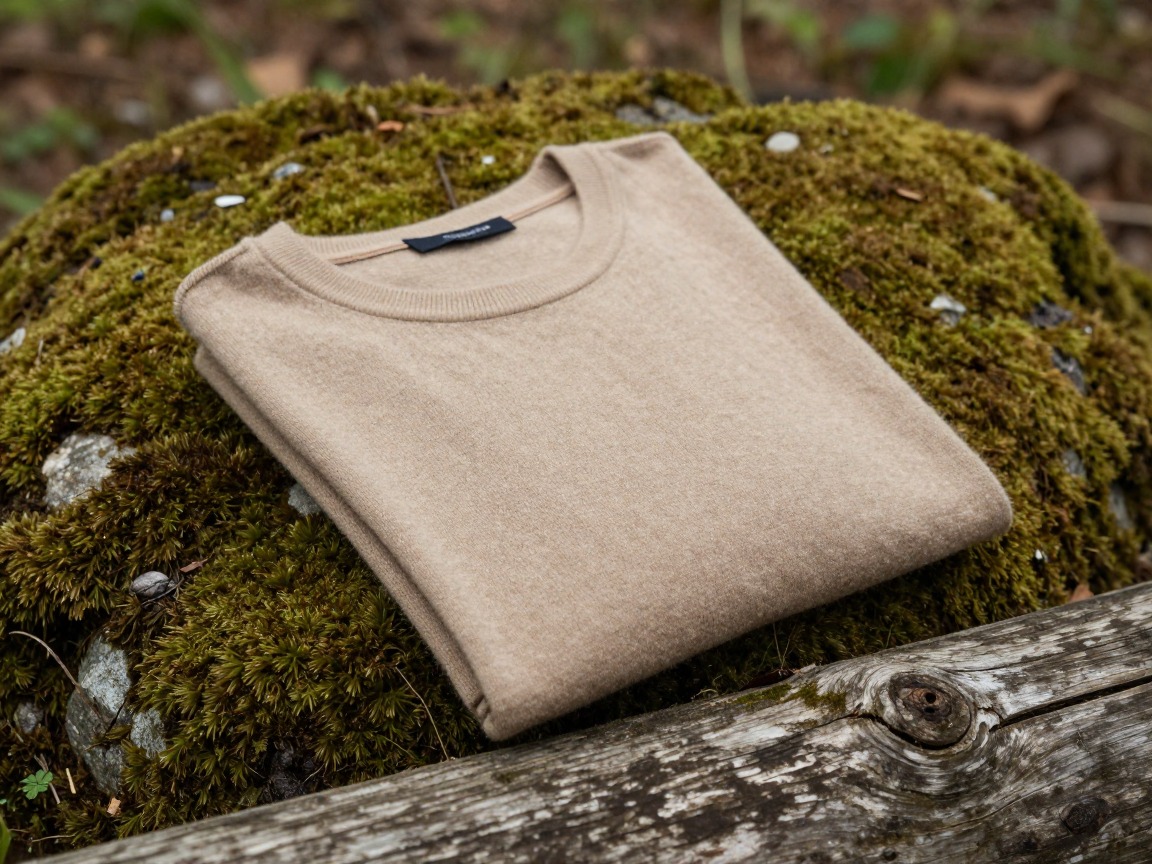
Base layer
Light merino or synthetic against the skin manages sweat over multiple days and resists odor, so you carry fewer spares.
What to look for: A single light merino or synthetic layer that resists odor over days, so you carry no spares. Sun hoodies pull double duty as sun protection and a base layer.
 100% Merino Wool Base Layer Men Set - Thermal Underwear for Men Long Check price
  Merino.tech Merino Wool Base Layer Women Set - Heavyweight Check price
  100% Merino Wool Base Layer Men Set - Thermal Long Underwear with Ba Check price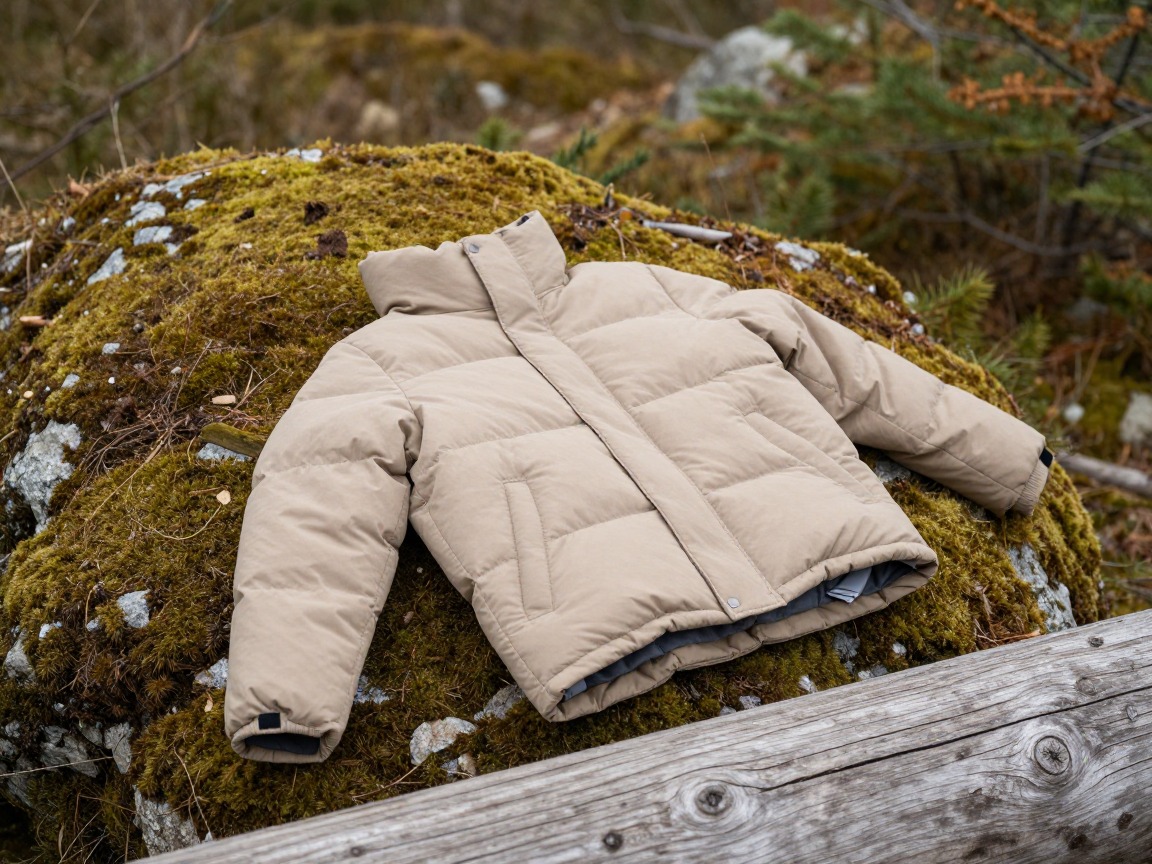
Puffy
A packable down jacket is your camp warmth and emergency layer; down gives the most warmth for the least weight.
What to look for: A high-fill-power down puffy gives the most warmth per ounce and doubles as your pillow. Rate it for camp lows, not trail highs — it's your emergency warmth too.
 Outdoor Ventures Women's Packable Lightweight Puffer Jacket with Hoo Check price
  Amazon Essentials Women's Lightweight Long-Sleeve Water-Resistant Pa Check price
  Outdoor Ventures Women's Packable Lightweight Puffer Jacket with Hoo Check price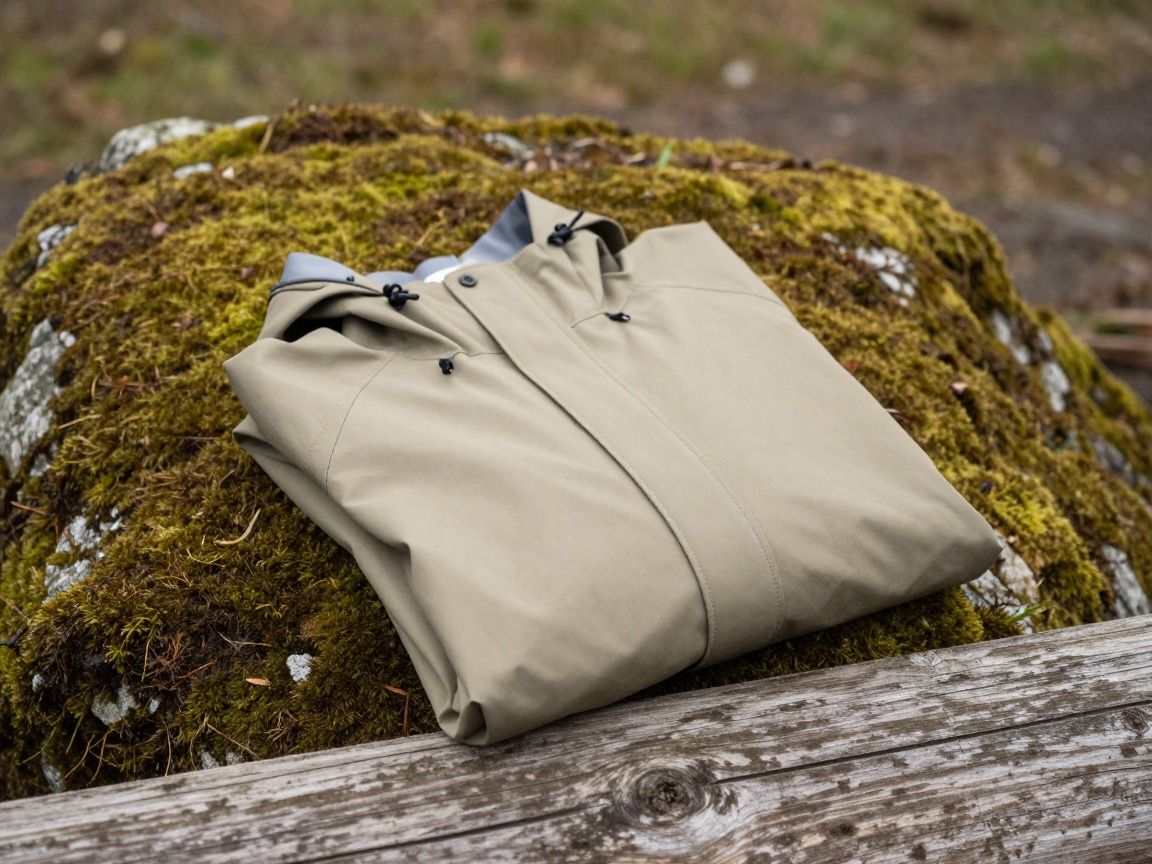
Light shell
A minimal waterproof-breathable shell blocks rain and wind without the weight of a heavy hardshell.
What to look for: A minimal waterproof-breathable shell (or, for some, a poncho-tarp that does double duty). Prioritize weight and a functional hood over heavy, feature-laden hardshells.
 UIQUR Mens Rain Jacket Raincoat Waterproof Windbreaker Black L Check price
  COOFANDY Men's Waterproof Hiking Travel Shell Breathable Rain Jacket Check price
  Columbia Womens Arcadia II Waterproof Rain Jacket Check price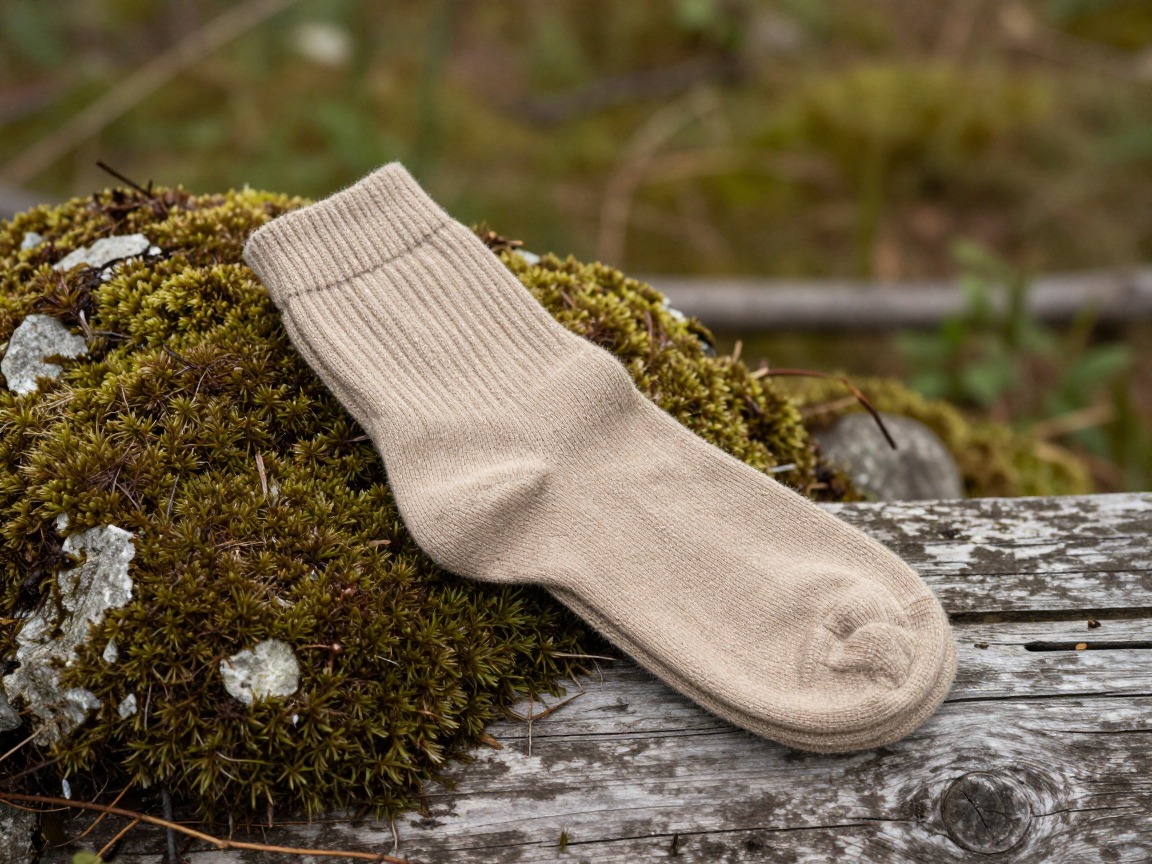
Socks
One pair worn, one spare — quality wool socks that dry overnight mean you don't need a drawer full.
What to look for: One pair worn, one light spare that dries overnight — quality wool that recovers means you don't need a drawer of them. Rinse and rotate rather than carry more.
 Alvada Merino Wool Hiking Socks Thermal Warm Crew Winter Boot Sock F Check price
  DANISH ENDURANCE Merino Wool Socks for Men & Women Check price
  innotree 3 Pack Men's Merino Wool Hiking Socks Check price
 - Light warm hat
- Sun hat & sunglasses
Navigation, light & safety
This is the layer you don't cut. Keep it minimal, but keep all of it.
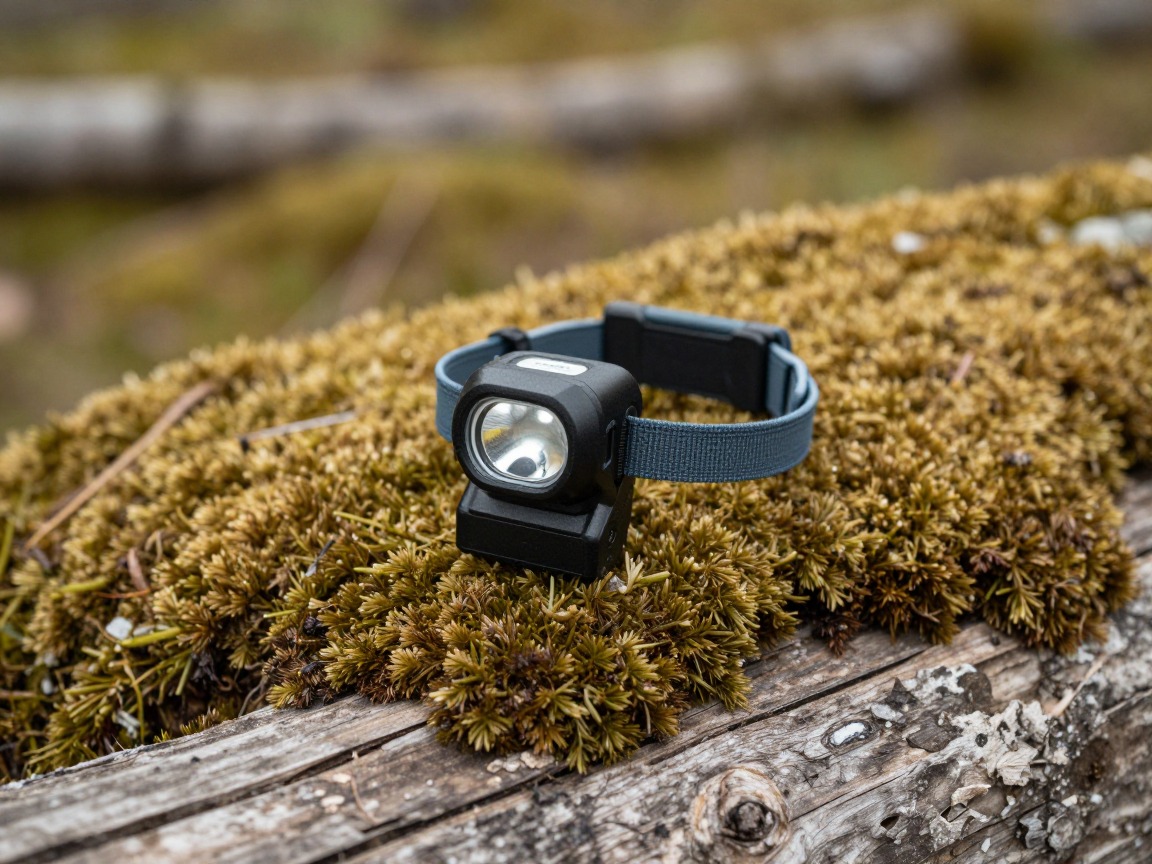
Tiny headlamp
A small rechargeable headlamp for camp and early starts — grams here, but never skip a light.
What to look for: A sub-ounce rechargeable headlamp is plenty for camp and the odd early start. This is grams you keep — a light is never where you go ultralight.
 LHKNL Headlamp Flashlight Check price
 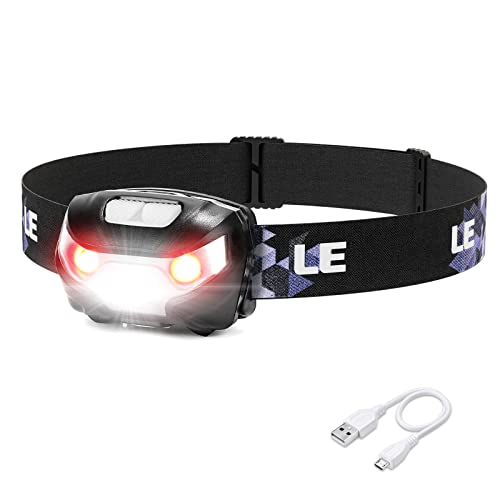 Lepro LED Headlamp Rechargeable IPX4 Waterproof Headlight 5 Modes - Check price
 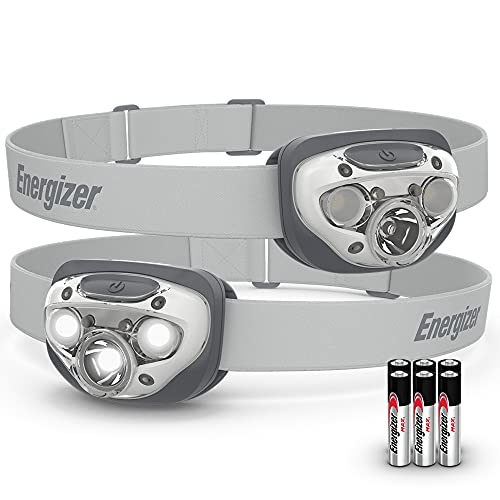 Energizer LED Headlamp PRO Check price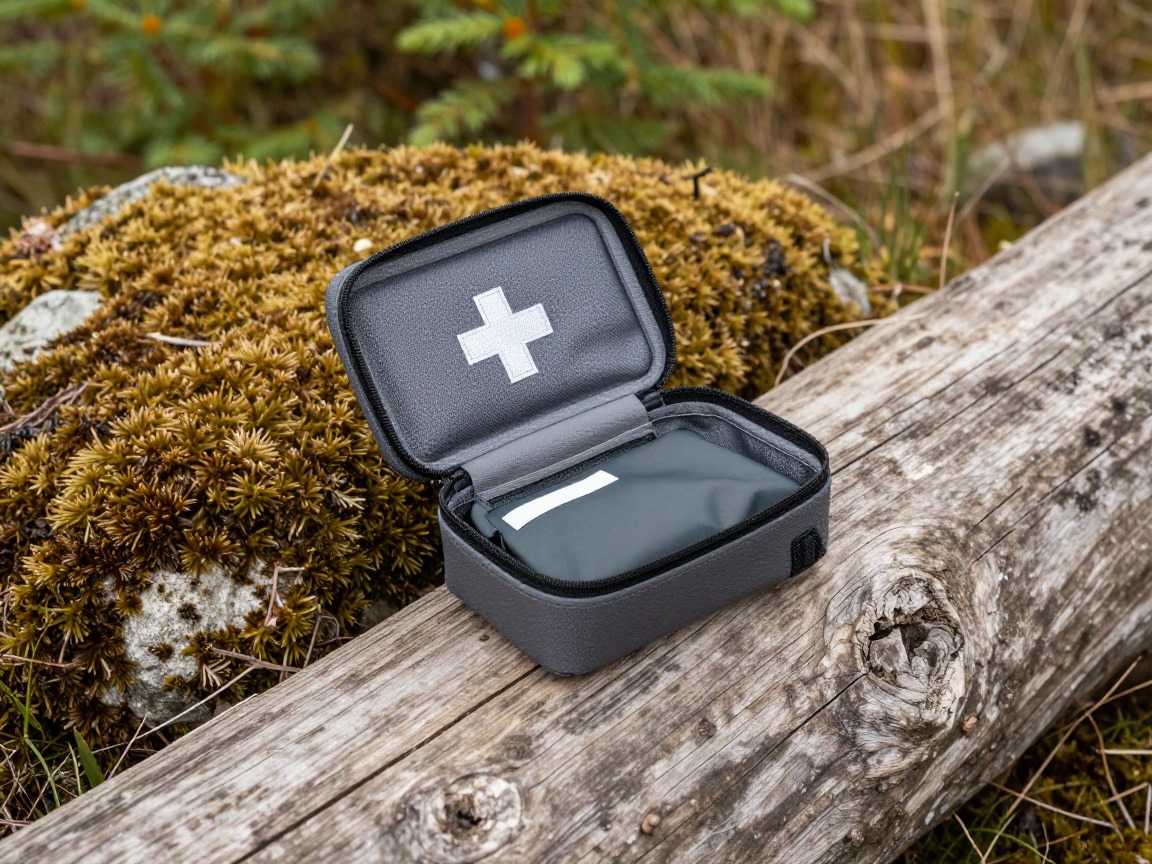
Minimal first-aid kit
A pared-down but complete kit — blister care, meds, the basics — plus the knowledge to use it.
What to look for: A deliberately minimal but complete kit: blister care, a few key meds, wound closure, and the knowledge to improvise the rest from gear you already carry. Minimal, never absent.
 Mini First Aid Kit - 150 Piece Small Waterproof EVA Hard Shell Case Check price
  Adventure Medical Kits Ultralight/Watertight Medical Kit .5 Check price
 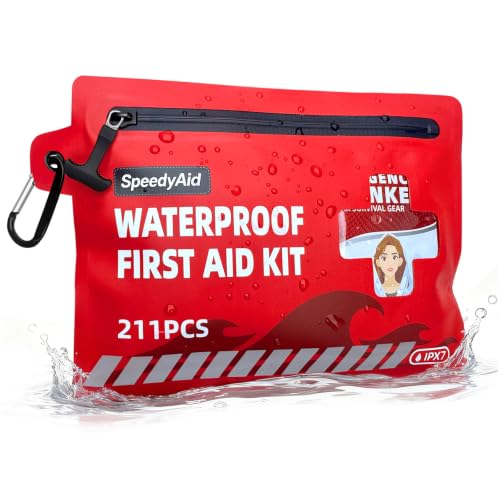 211 PCS Waterproof First Aid Kit Check price
 - Phone with offline maps + a paper backup
- Compass
- Whistle
- Power bank
- Fire kit
- Emergency shelter/bivy
How to adapt this setup
Don't buy all-new. Weigh what you own, cut the big three first as you replace items, and borrow or rent before committing to expensive ultralight gear you might not like.
Most of the savings are in technique and the big three, not boutique brands. A frameless pack, a tarp or budget trekking-pole tent, and a value quilt get you most of the way for far less.
Ultralight has limits — as temperatures drop you add insulation, a warmer quilt and a higher-R pad, and the base weight rightly climbs. Never trade a safe night's sleep for a lighter number.
Over many days the weight that grows is food, so ultralight pays off most on long trails: a lighter base weight means you can carry more days of food without your total pack weight becoming punishing.
Common mistakes to avoid
- Chasing grams on small items while ignoring a heavy pack, tent and sleep system.
- Buying an expensive ultralight kit before you know what you actually use.
- Under-insulating the sleep system to hit a number, then shivering all night.
- Cutting genuine safety gear — navigation, first aid, insulation, water treatment.
- Taking a frameless pack overloaded past its comfortable capacity, so it carries badly.
- Going stoveless or shelterless on a trip where you're not ready for it, and being miserable.
Make it yours
Frequently asked questions
What is a good base weight for ultralight backpacking?
The common definition of ultralight is a base weight — everything but food, water and fuel — under 10 lb, with 'lightweight' around 10–20 lb. The exact number matters less than the approach: cut the big three, keep safety intact, and land at a weight that lets you enjoy the miles.
Is ultralight backpacking expensive?
It can be, but it doesn't have to be. Most of the weight savings come from technique and from cutting the big three, not from buying the most exotic gear. A frameless pack, a tarp or budget trekking-pole tent and a value down quilt capture the majority of the benefit affordably.
Is ultralight backpacking safe?
Done properly, going light makes you safer, not less — an unstrained hiker makes better decisions and moves more efficiently. The key is that ultralight trims redundancy and bulk, never the essentials: you still carry navigation, insulation, first aid and water treatment.
Should a beginner start with ultralight gear?
Usually no. A little extra comfort and margin is worth the weight while you learn what you actually use and how your body handles nights out. Do a few trips, note what you never touch, and go lighter deliberately from there.
What's the fastest way to cut backpacking weight?
Weigh everything, then attack the big three — pack, shelter and sleep system — because that's where the pounds are. Swapping a heavy tent for a trekking-pole shelter or a bulky bag for a down quilt saves more than trimming every small item combined.
Illustrative images show the type of gear, not specific products. Recommendations link to similar items on Amazon; we only ever link real listings and never show fabricated prices or ratings. General planning guidance, not a substitute for your own judgment or professional backcountry-safety instruction.