
Inca Trail vs Salkantay Trek: Which Should You Hike?
Choose the Inca Trail if you want the classic, permit-limited approach on Inca stone with ruins along the way and a Sun Gate arrival at Machu Picchu; choose the Salkantay Trek if you want a longer, wilder walk beneath a glaciated peak with no Inca Trail permit to chase. Both are strenuous and high-altitude.
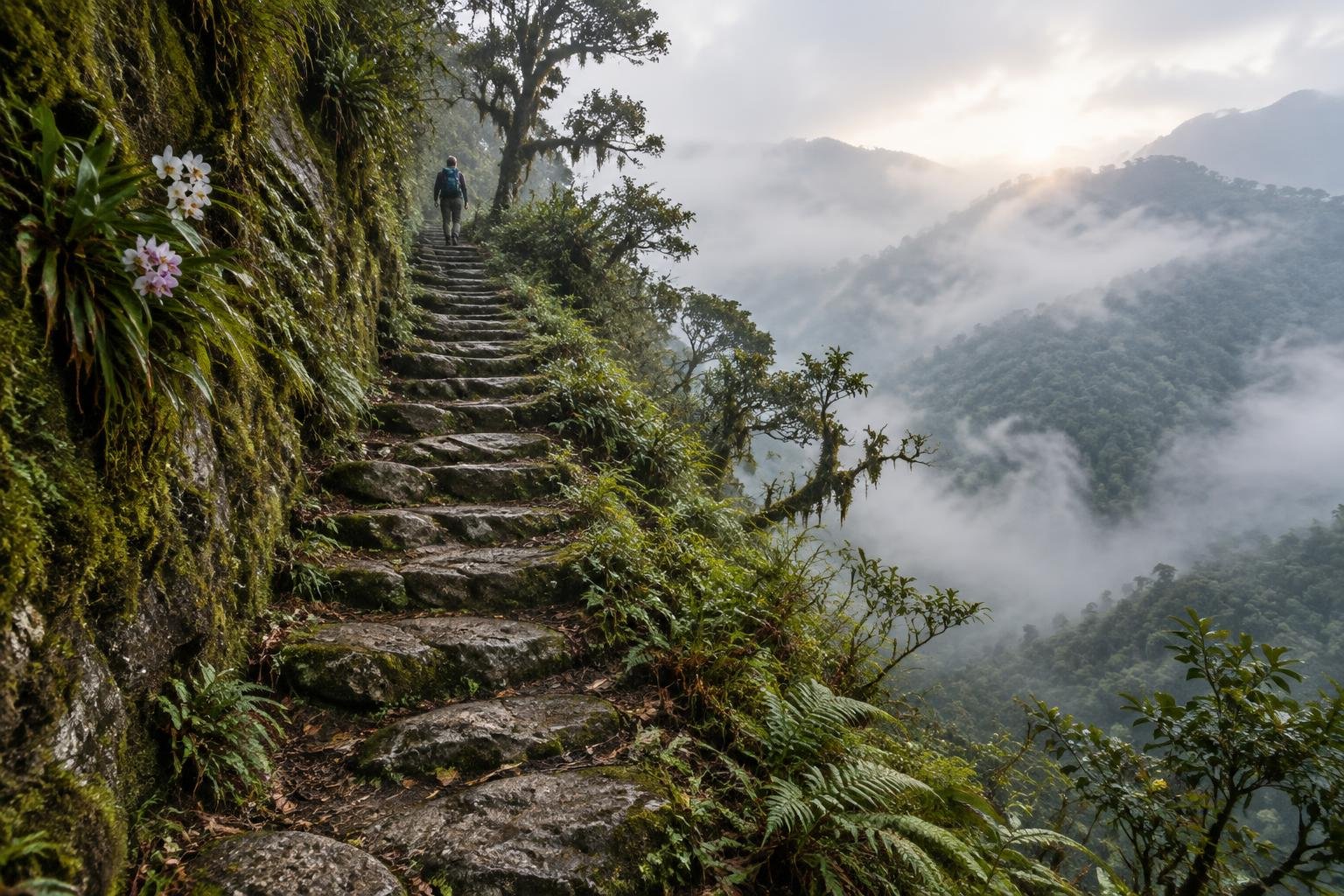
Inca Trail and Salkantay Trek at a glance
The Inca Trail is a roughly 42 km (26 mi), 4-day point-to-point trek on Inca paving that ends at the Sun Gate. The Salkantay Trek is a roughly 74 km (46 mi), 5-day point-to-point route from Mollepata/Soraypampa to Aguas Calientes. Hikers weigh them because both reach Machu Picchu from Cusco on strenuous, high-altitude routes, yet they differ in character, length and how you secure a spot.
| Inca Trail | Salkantay Trek | |
|---|---|---|
| Place | Andes · Cusco, Peru | Andes · Cusco, Peru |
| Distance | ~42 km / 26 mi, 4-day point-to-point trek | ~74 km (46 mi) total over ~5 days, point-to-point from Mollepata/Soraypampa to Aguas Calientes near Machu Picchu |
| Elevation gain | Total cumulative ascent ~2,507 m (8,225 ft) / descent ~2,937 m (9,635 ft) over the 4 days for the whole route; high point Dead Woman's Pass (Warmiwañusca) at 4,215 m (13,829 ft) | Cumulative gain of roughly 3,660 m (12,030 ft) across the trek; max altitude ~4,600 m (15,090 ft) at the Salkantay Pass |
| Difficulty | Strenuous (high-altitude pass, steep Inca stone stairs) | Strenuous / high-altitude |
| Route type | thru-hike | point-to-point |
| Official season | May to September (dry season); the trail traditionally closes in February for maintenance | May to September (dry season) |
| Managed by | Peru Ministry of Culture / SERNANP | Regional authorities |
Effort and difficulty
Both are rated strenuous. The Inca Trail covers about 42 km (26 mi) over 4 days, with ~2,507 m (8,225 ft) of ascent and a high point of 4,215 m (13,829 ft) at Dead Woman's Pass; its challenge is steep stone stairs, and day two is the hardest by a clear margin. The Salkantay covers about 74 km (46 mi) over roughly 5 days, with cumulative gain of about 3,660 m (12,030 ft) and a maximum of about 4,600 m (15,090 ft) at Salkantay Pass. The Salkantay is the bigger commitment in distance, climbing and altitude. The Inca Trail is shorter, but its stairs are relentless.
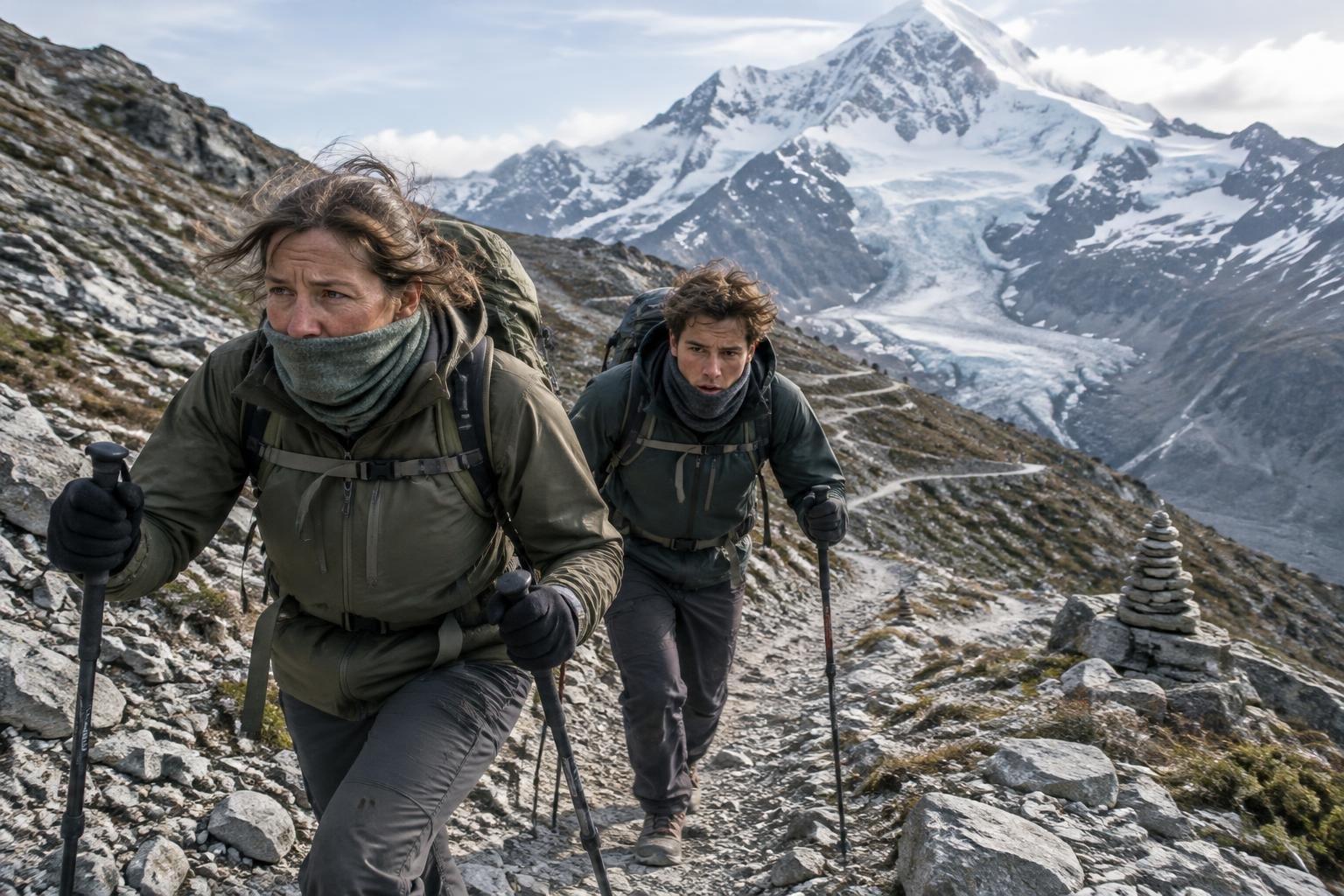
Season, permits and booking
Both list May to September, the dry season, as the best window. The Inca Trail is permit-limited and in practice booked through licensed operators; permits can sell out well ahead, and the trail traditionally closes in February for maintenance. The Salkantay does not need the limited Inca Trail permit, but you still need a timed Machu Picchu entry ticket booked ahead, and most people go with a guided operator. Rules and closures can change, so confirm current details with the managing authorities and your operator before booking flights.
Which one is right for you?
Choose Inca Trail if…
Pick the Inca Trail if the stone paving, the ruins beside the trail and arriving at the Sun Gate matter most to you, and if a shorter 4-day trip fits your schedule. It suits hikers comfortable with long flights of steep stairs and willing to plan well ahead. Because permits can sell out, it rewards early booking through a licensed operator and several acclimatization nights in Cusco beforehand.
How to hike Inca Trail to Machu PicchuChoose Salkantay Trek if…
Pick the Salkantay if you prefer big mountain scenery, varied terrain and more room in your schedule. The route runs from wide valley track to a glaciated pass, then down through cloud forest to warm valleys with coffee and fruit plots. It suits hikers who want a longer trek without an Inca Trail permit. A Humantay Lake side trip is commonly added, and the first day is built to help you acclimatize.
How to hike Salkantay TrekWhat the two have in common
Both are point-to-point treks that start near Cusco and finish near Machu Picchu, both rate as strenuous and high-altitude, and both run in the May to September dry season. Each crosses a high pass and then descends into cloud forest. Most people walk both as guided, multi-day trips with set camps and a planned daily pattern. Machu Picchu entry is timed on either route, so book that ahead too.
How your choice changes what you pack
Both treks swing from cold, thin air at the pass to warm, humid conditions lower down, so plan layers that cover a wide temperature range and rain protection for cloud-forest sections. The Salkantay's longer length and added day mean a bit more to carry or arrange, while operators on either route often handle camp logistics. Check with your operator what is provided and what you pack yourself.
Common questions
Which is harder, the Inca Trail or the Salkantay Trek?
Both are rated strenuous and high-altitude. The Salkantay is longer (about 74 km versus about 42 km), has more cumulative gain and a higher maximum altitude. The Inca Trail is shorter but known for steep stone stairs, especially on day two.
Which is better for first-time trekkers?
Neither is a beginner route. Both demand fitness and acclimatization. The Salkantay's easier first day and Humantay Lake side trip help with altitude, while the Inca Trail is shorter. Spend several nights in Cusco first either way.
Do both treks need a permit?
The Inca Trail is permit-limited and in practice booked through licensed operators, and permits can sell out well ahead. The Salkantay does not require that limited permit, but you still need a timed Machu Picchu entry ticket booked in advance.
When is the best time to hike each one?
Both list May to September, the dry season, as the best time. The Inca Trail traditionally closes in February for maintenance. Confirm current dates and rules with the managing authorities or a licensed operator before booking.
Sources
- Peru Ministry of Culture / SERNANP — machupicchu.gob.pe (official Machu Picchu site, Peru Ministry of Culture): official information for Inca Trail.
- Regional authorities — machupicchu.gob.pe (official Machu Picchu site, Peru Ministry of Culture): official information for Salkantay Trek.
Conditions, permits and access rules change without notice — confirm current information with each managing authority before you go. See our editorial policy.