
Affiliate disclosure: this page contains affiliate links. Purchases made through them may earn us a commission at no extra cost to you. See our affiliate disclosure.
In plain English
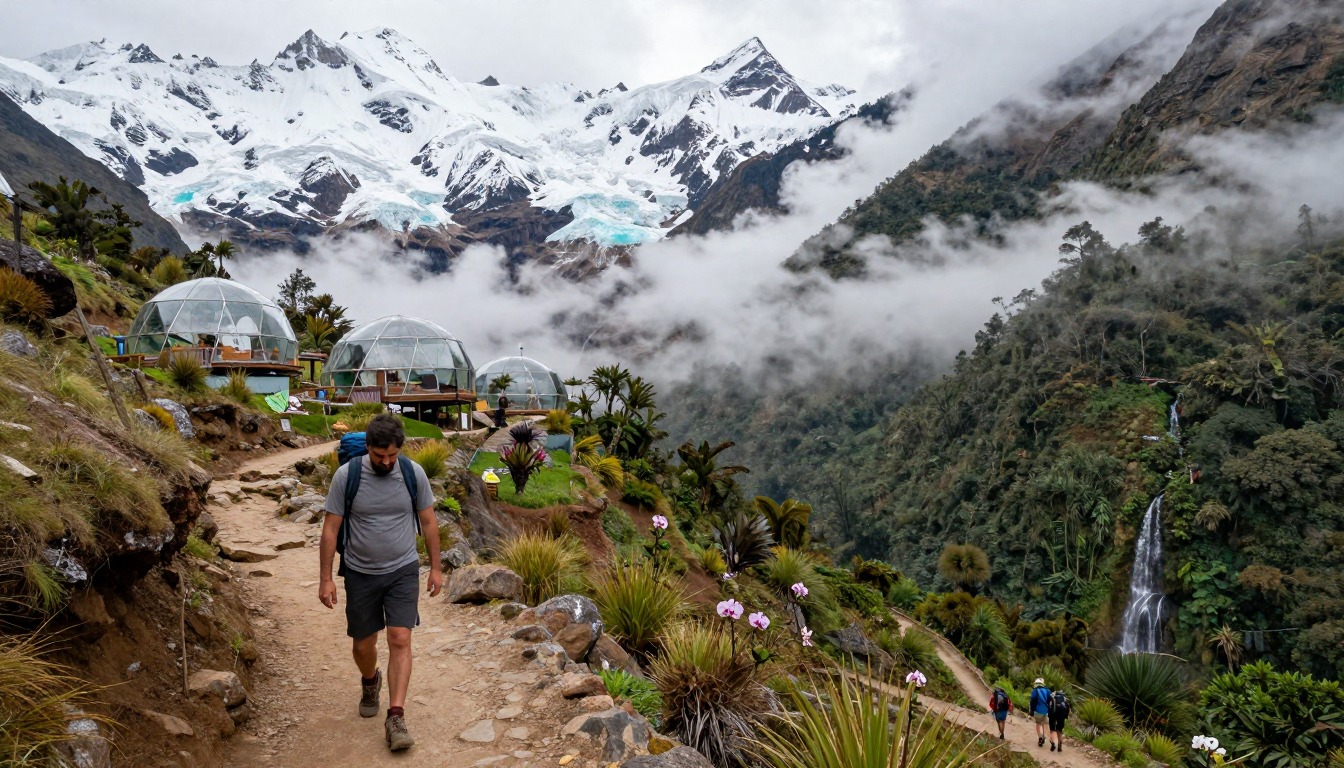
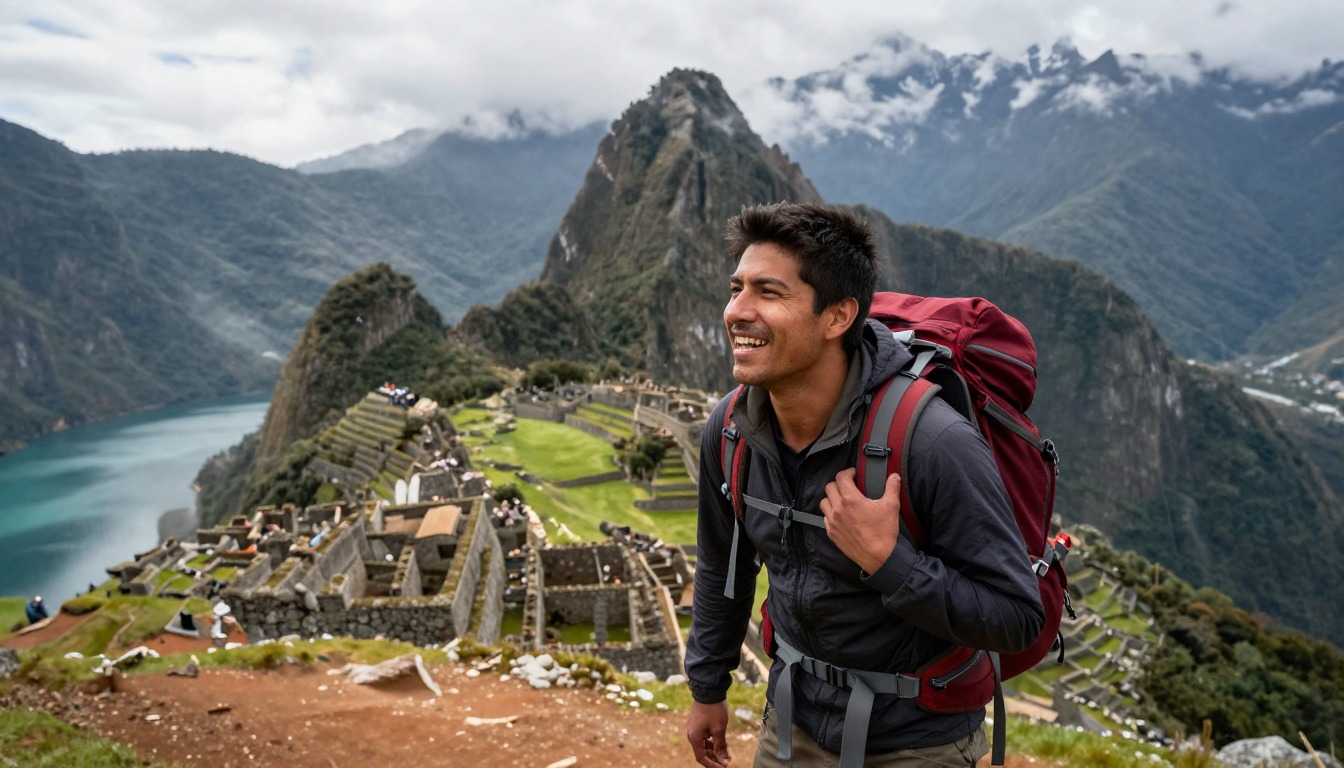
The Salkantay trek changes character almost every day. It starts in an open valley, crosses a high, cold pass under a glacier-covered mountain, then drops into steamy green forest where the air is warm and thick. You may need a wool hat one morning and a T-shirt by the end.
The reason for the fixed schedule is altitude. The day before the pass is usually short, so your body can settle into the thin air before the toughest climb. Rushing the early days is what gets people sick.
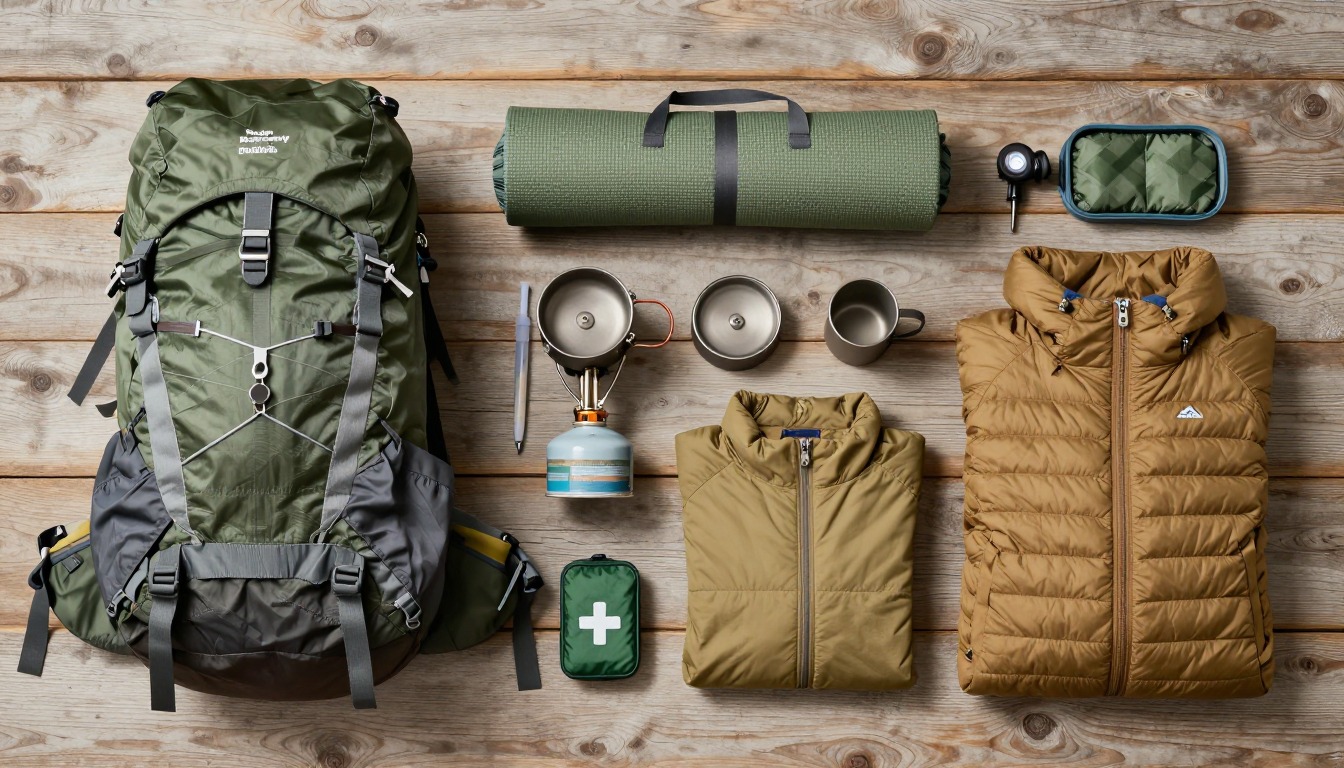
Most people go with a company that sets up camp and carries the bulk of the gear, while you carry a daypack. Pack for the whole range: warm layers for the night before the pass and light, quick-drying clothes for the finish. Mud and rain are common on the far side, so keep spare dry socks inside a waterproof bag in your pack.
What the hike is like
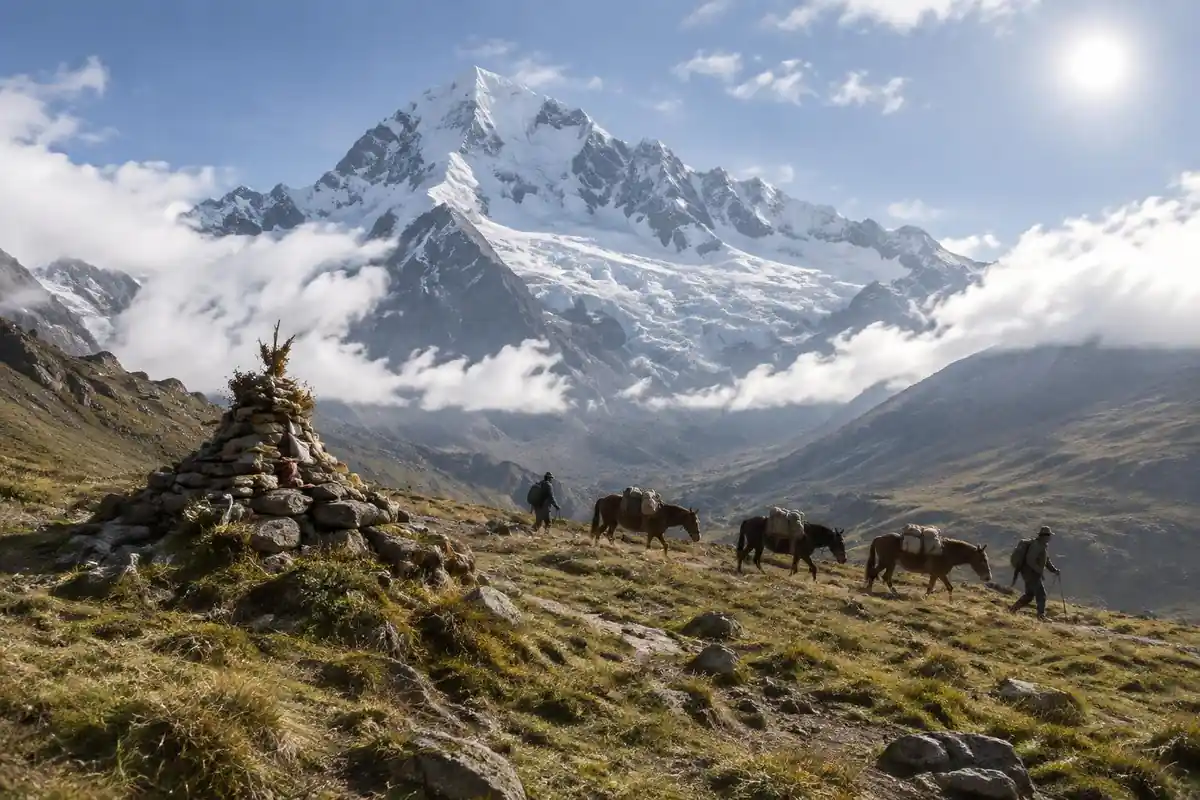
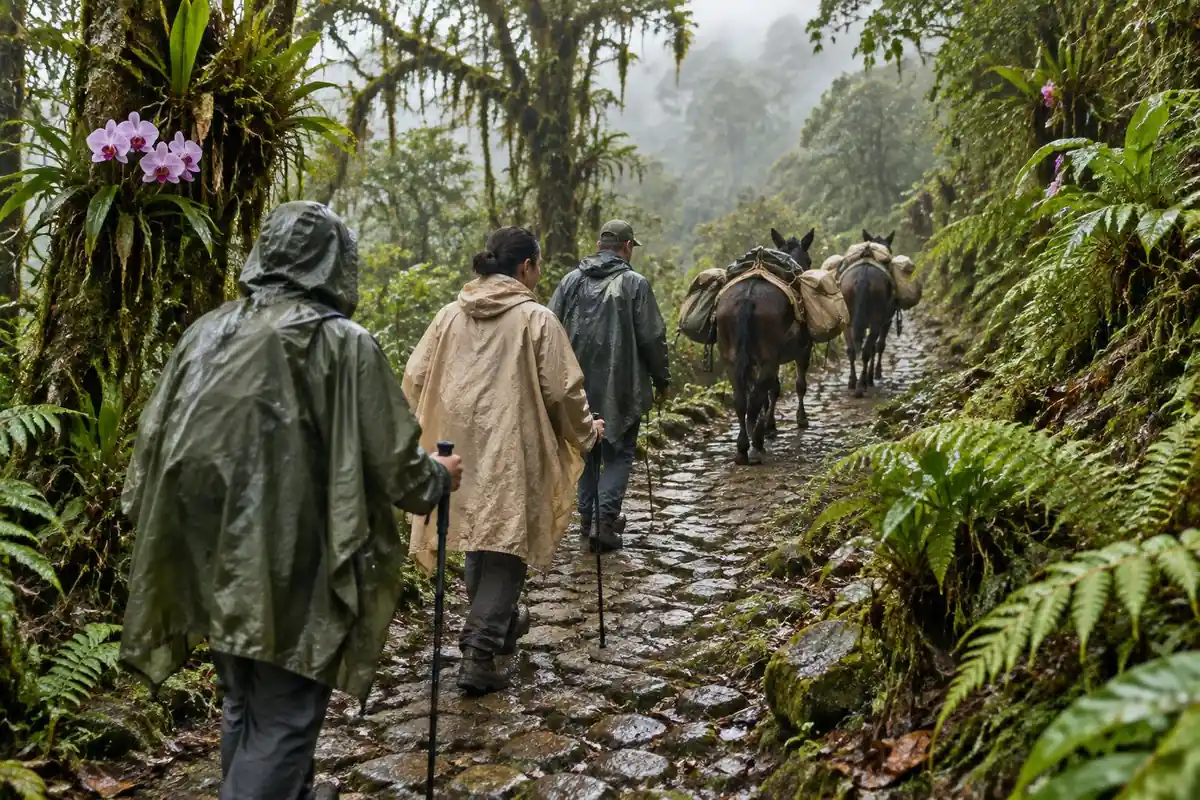
The Salkantay changes underfoot more than almost any trek of its length. It opens on wide, stony valley track climbing gently toward Soraypampa, with a steep out-and-back side trail up to Humantay Lake that most groups tack on before dinner. The big day is the pass: a long, exposed grind up moraine and loose rock into thin air beneath the glaciated bulk of Salkantay, then an even longer descent on the far side. That descent is the route's real character — the trail drops out of bare high country into cloud forest, the air thickens, the path narrows to muddy single-track between dripping vegetation, and by the last day you're walking valley tracks and old road cuttings past coffee and fruit plots in genuine heat.
How to plan the itinerary
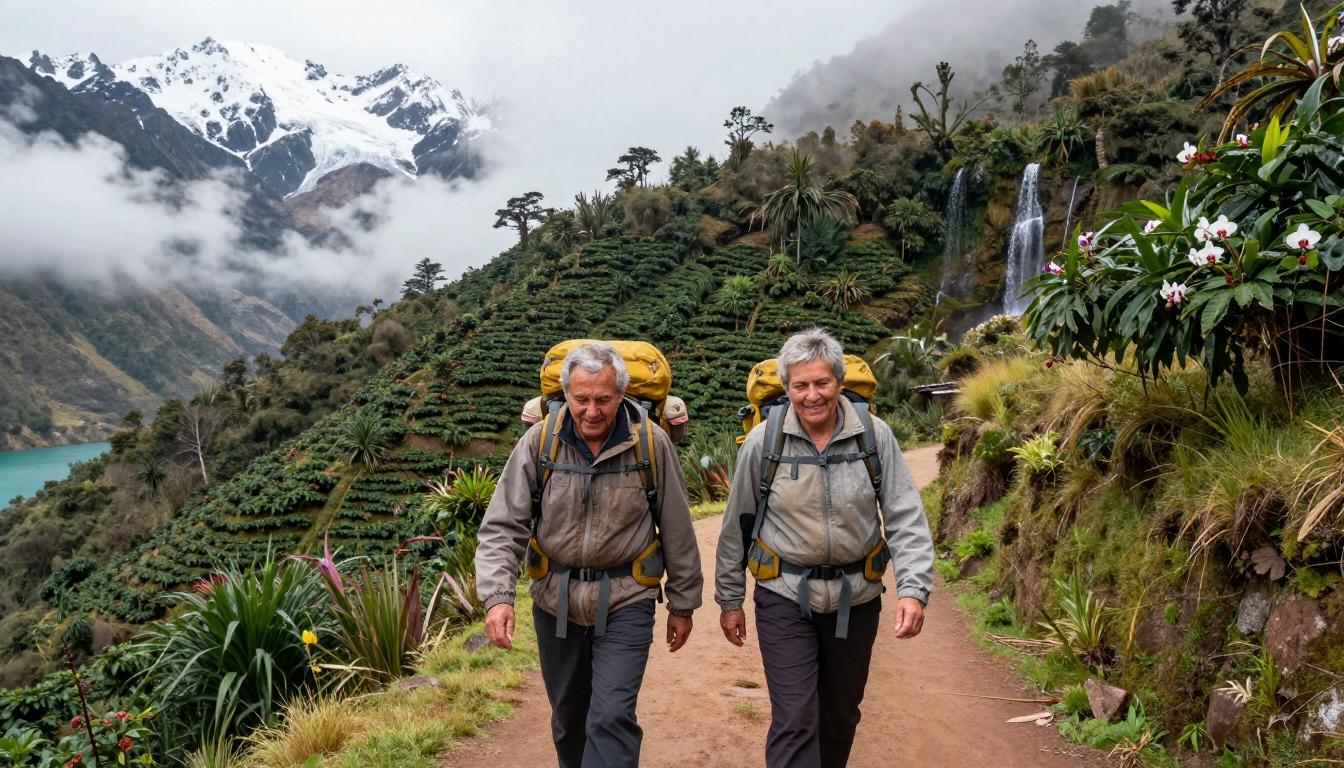
Most people walk this as a guided multi-day trip with a fixed staging pattern, and the pattern exists for good reason. An easier first day takes you up-valley to the high camp, deliberately short so you sleep high before the pass; the Humantay Lake side trip is usually slotted into that afternoon as acclimatization. The pass is tackled early the following morning, leaving the rest of that day for a long descent into warmer country. The remaining days are progressively easier and lower, finishing with a walk toward the valley floor where groups typically switch to a train or road transfer for the last leg into Aguas Calientes. Machu Picchu itself is done as a separate day after the trek, on a timed entry slot booked well in advance.
Plan this trip in 5 steps
-
Pick the right pack
Match a pack to your trip, fit and priorities.
-
Plan food & water
Calories, food weight and water for your days on trail.
-
Estimate your time
Pre-filled with this trail’s distance and climb — adjust for your pace.
Trail-specific tips
Acclimatize in Cusco before you start — arriving from sea level and walking toward a very high pass within a day or two is the mistake that ruins this trek. Start the pass morning early; the weather on that crossing is far more settled before midday. Pack for two climates in one trip, because the same day can begin below freezing and end humid enough to soak a shirt. And treat the descents seriously: the long drop off the pass punishes knees, so poles and a slow, controlled rhythm pay off. General altitude guidance is on /trail-smarts/.
Permits & rules
The Salkantay does not require the limited Inca Trail permit, but you still need a Machu Picchu entry ticket (timed, book ahead) and most people go with a guided operator. The Salkantay Pass is high — acclimatize in Cusco first.
Gear suited to this hike
Matched to the terrain and conditions here. Real products — check current price on Amazon.


Sleeping high, then going higher: how the itinerary follows altitude rules
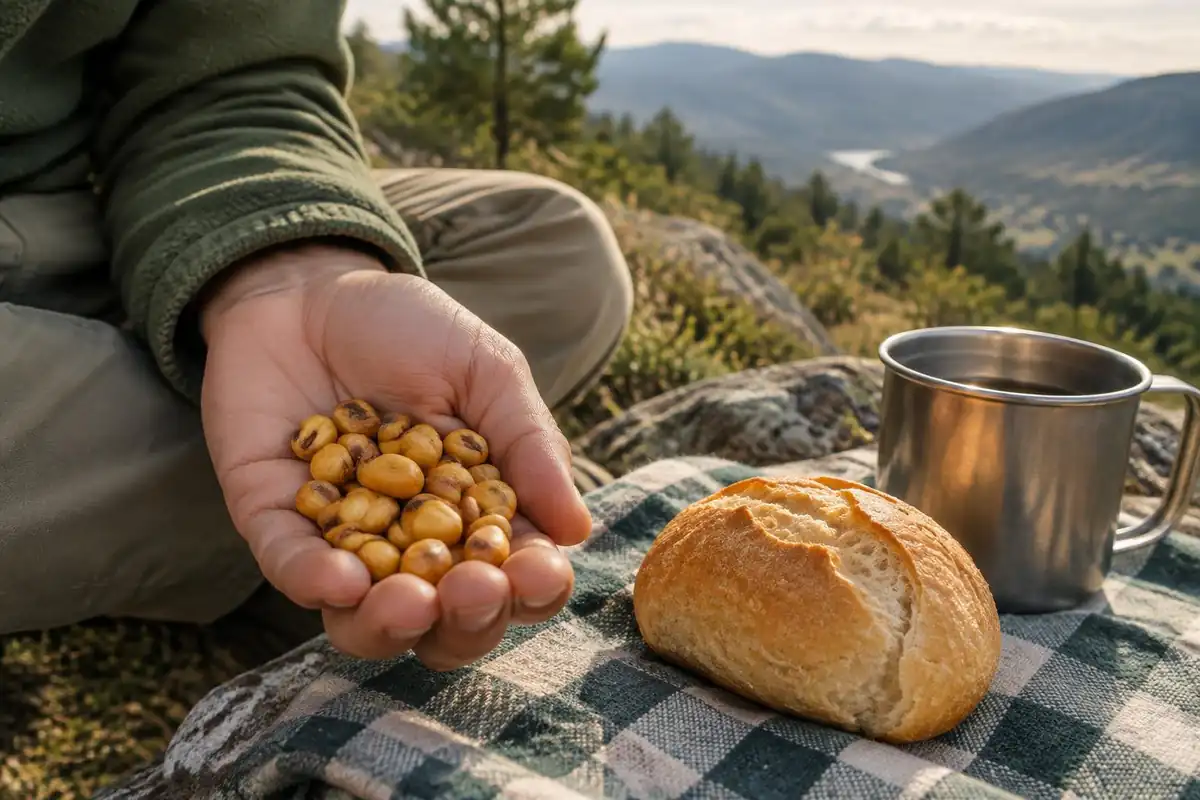
The page describes a short first day that ends at a high camp, with a side trip that acts as acclimatization. That structure matches what the CDC says about where sleeping altitude matters. Any unacclimatized person sleeping at 8,000 feet or higher is at risk of altitude illness, and physical fitness does not protect against it.1 Above about 9,850 feet the CDC advice is no more than about 1,600 feet of gain in sleeping altitude per day.1 Whether a particular operator's schedule meets that guideline depends on the exact camp heights, so ask for them.
If you arrive in the highlands from sea level, the sensible plan is to spend a day or two at altitude before you start walking. The CDC lists headache as the main symptom of acute mountain sickness, typically starting 2 to 12 hours after arrival at altitude, and says never to go higher to sleep while having symptoms.1
Two climates in one trek: cold nights, muddy descents, hot finish
The page says the high camp often drops to around or below freezing overnight. The CDC warns hypothermia can develop even above 40 degrees Fahrenheit if someone is chilled by rain, sweat or cold water, and lists hikers among the higher-risk groups.2 The lesson is to keep one set of clothes dry and reserved for camp, and to change out of damp layers when you stop.
The cloud-forest descent is the opposite problem. NIOSH says wet feet lose heat 25 times faster than dry feet and that trench foot can occur at temperatures as high as 60 degrees Fahrenheit if feet stay wet.3 The dermatology guidance on blisters points the same way: cotton soaks up moisture and can cause friction, while nylon or moisture-wicking socks help prevent blisters.4 Carry a spare pair of socks for the last long day.
Claims to confirm before you book
Two claims on the existing page have no source in our library: that the pass sits higher than anything on the classic Inca Trail, and that Machu Picchu entry uses a timed slot booked in advance. Both may well be right, but confirm them with your operator and the site manager before committing money.
One safety habit does have a source. The Park Service advises leaving a trip plan with someone who is not on the trip and setting a turnaround time you stick to.5 On a guided trek the guide handles the plan, so the useful version for you is agreeing when you would want to stop.
Common questions
Is the Salkantay harder than the Inca Trail?
Most hikers find it more demanding. The pass is generally quoted as higher than the high point of the classic Inca Trail, the descents are longer, and there's less of the stone-stair walking that route is known for. It rewards good acclimatization more than raw fitness, which is why hikers who spend a few days in Cusco first tend to enjoy it far more.
Can I hike the Salkantay independently?
It isn't permit-restricted the way the Inca Trail is, and independent trekking is possible for experienced, well-acclimatized hikers. Most people still go with an operator, because the route's staging, transfers and the Machu Picchu timing at the end are genuinely fiddly to assemble yourself, and camp logistics at altitude add real weight to your pack.
Do I need trekking poles?
They earn their place here more than on many treks. The climb to the pass is long and loose, and the descent afterward is longer still, dropping a lot of height on rough, sometimes muddy ground. Hikers who normally skip poles often wish they hadn't by the second evening. Rubber tips help on the harder-packed sections lower down.
How cold does it get at the high camp?
Cold enough to matter. The camp before the pass sits high, and temperatures drop sharply once the sun goes off the valley — and it can fall to around freezing or below overnight. Check what sleeping bag rating your operator supplies and bring a warm hat, thermals and gloves regardless of how warm the trek's later days look.
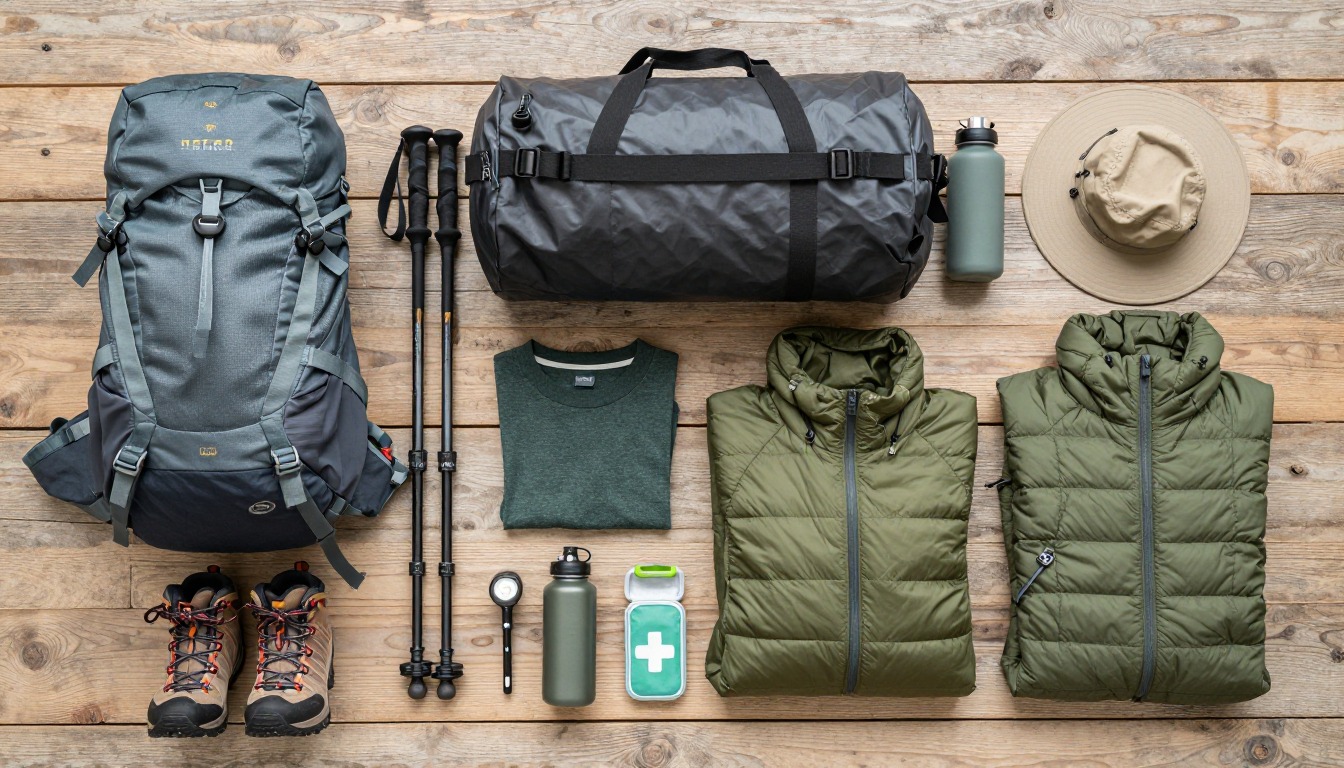
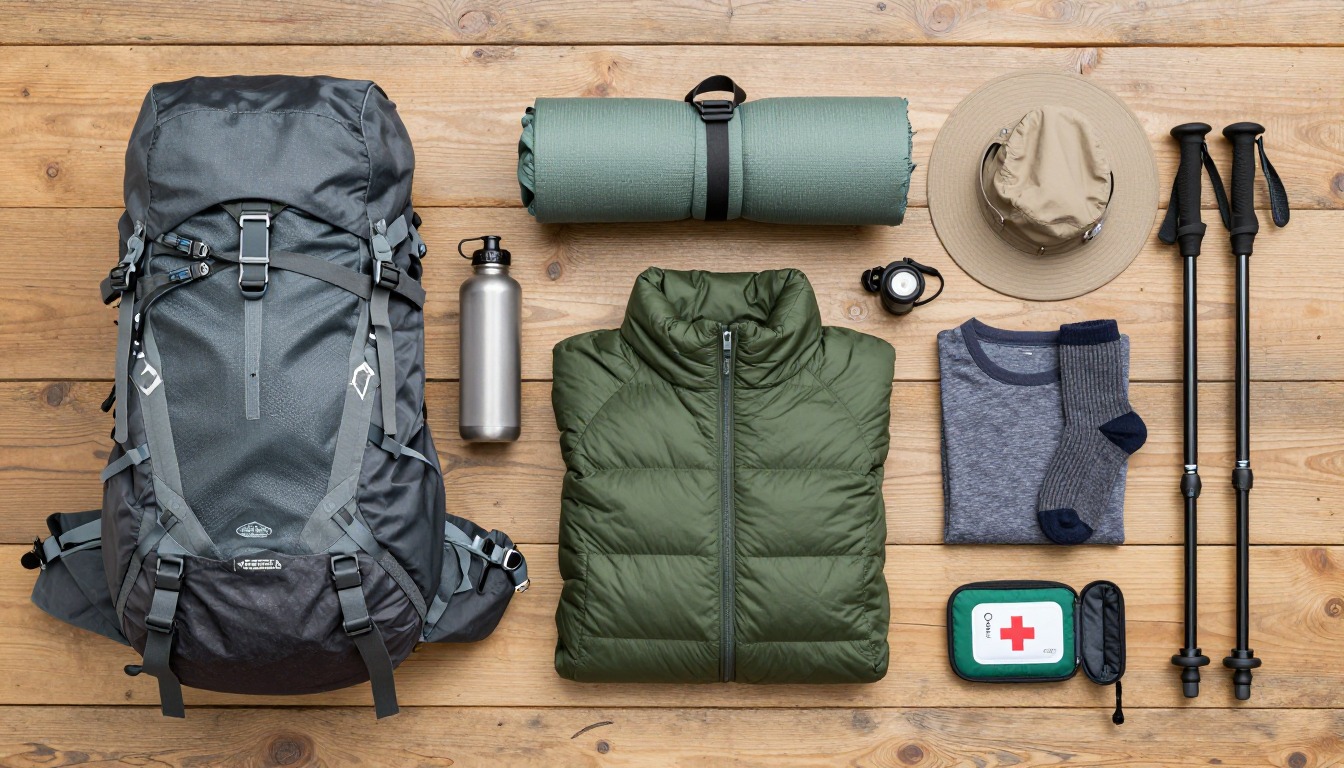
Complete gearsets for this trip
Full curated kits built for exactly this kind of hike.
Trail conditions, permits and access rules change without notice — always confirm current information on the official source above before you go. Some facts on this page are still pending owner verification and are marked accordingly. Product links and the accommodation map are affiliate links: we may earn a commission at no extra cost to you; product prices and availability are shown on Amazon, and accommodation prices on the booking site. See our affiliate disclosure.