
The Inca Trail to Machu Picchu setup
The classic Inca Trail is four days and roughly 26 miles of Incan stone steps to the Sun Gate above Machu Picchu, and by Peruvian regulation, you can't walk it without a licensed operator, a guide, and a porter crew. That crew carries the camp; you carry a light daypack for the day's walking. This setup covers both halves of that system, plus the altitude, stairs, and weather swings that make this trek its own kind of demanding.
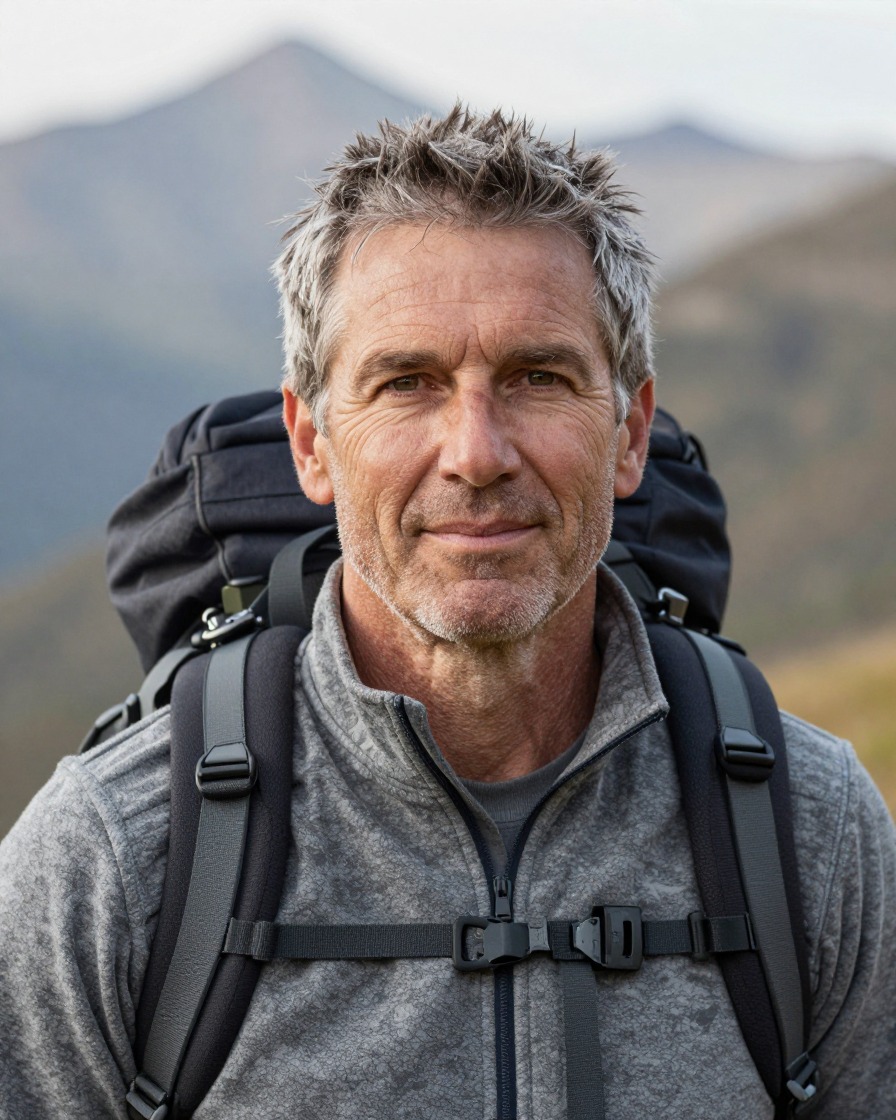
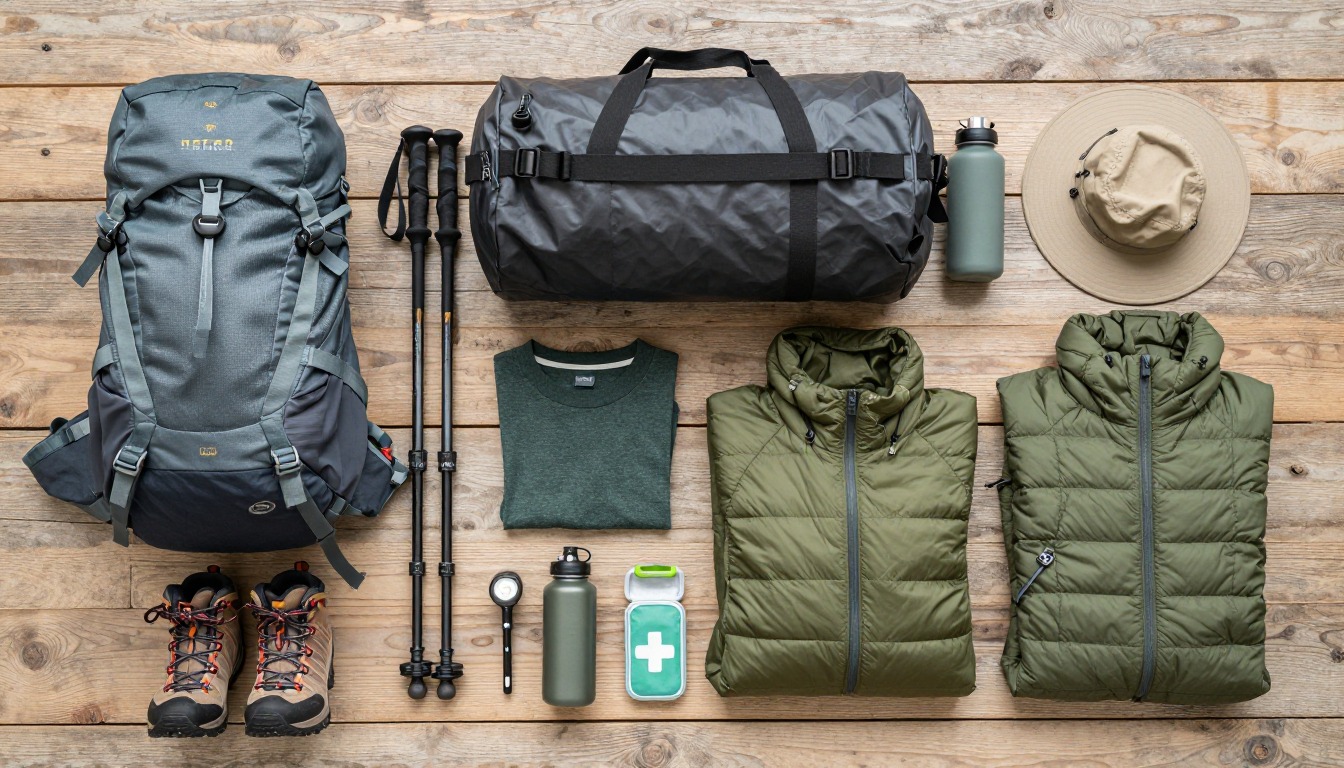
The Inca Trail is built around a rule before it's built around gear: independent trekking isn't permitted, so every trip runs through a licensed operator with a guide and a porter crew, and that crew carries almost everything communal — tents, food, cooking gear — plus a weight-limited duffel of your personal items. What's left for you to carry is a light daypack for the day itself, which means this kit is less about survival gear and more about handling four straight days of relentless stone steps, a genuine high pass, and a swing from hot midday sun to a cold camp at night.
This setup suits anyone booked on the classic four-day, three-night Inca Trail to Machu Picchu through a licensed tour operator — the standard, fully supported route with a guide, cook, and porter crew. It assumes your permit is already secured (permits sell out months ahead and are tied to your passport number) and that your operator provides the tent, communal cooking gear, and meals. Trekking an alternative route to Machu Picchu with different porter arrangements, or adding rainforest days before or after? Check your operator's specifics, or look at the hot, humid jungle trek setup for that portion.
- Confirm with your operator exactly what's provided and what's on you — the tent, meals, and porter duffel weight limit decide your daypack-versus-duffel split.
- Build your footwear and layering system around thousands of stone steps and a swing from hot days to cold, high nights, not around one 'trekking' temperature.
- Pack your duffel to the operator's weight limit and keep the daypack genuinely light — it's the one bag you carry yourself, over the pass, every day.
- Sort your documents and acclimatization plan before you fly: your original passport, your permit, and two or three days in Cusco before you start climbing.
About this setup
The classic Inca Trail runs about 26 miles from a trailhead near Km 82 of the Cusco–Machu Picchu railway, almost entirely on stone paths and staircases built centuries ago. It's walked over four days and three nights with a licensed guide, a cook, and a crew of porters who move ahead of the group each morning to have camp and a hot meal waiting. Access is tightly regulated — daily permits are capped, sell out months in advance, and are tied to the passport number you booked with — so on this trek, the paperwork matters as much as the gear.
Day two is the trek's defining test: a long, steady climb to Dead Woman's Pass (Warmiwañusca), the route's high point at roughly 13,800 feet, followed by a steep stone descent the next day that many trekkers find harder on the knees than the climb ever was. Altitude, more than fitness, is the real variable — trekkers who spend two or three days acclimatizing in Cusco, which itself sits above 11,000 feet, generally have a noticeably easier time on the pass than those who fly in and start walking the next morning.
Weather swings hard within a single day: strong sun and warm temperatures at midday, then a real chill once the sun drops behind the ridgelines at camp. Rain is a genuine possibility in the wetter months regardless of the forecast, and the trail typically closes for maintenance for part of the year — confirm current dates and conditions with your operator when you book. None of this is technical climbing, but it's a sustained physical effort at altitude, on uneven footing, for four straight days, and the kit below is built around that reality rather than around a single 'average' trail day.
The pack system
Every classic Inca Trail trip runs on the same split: porters carry a communal camp plus your weight-limited duffel, while you carry a light daypack for the day's walking.
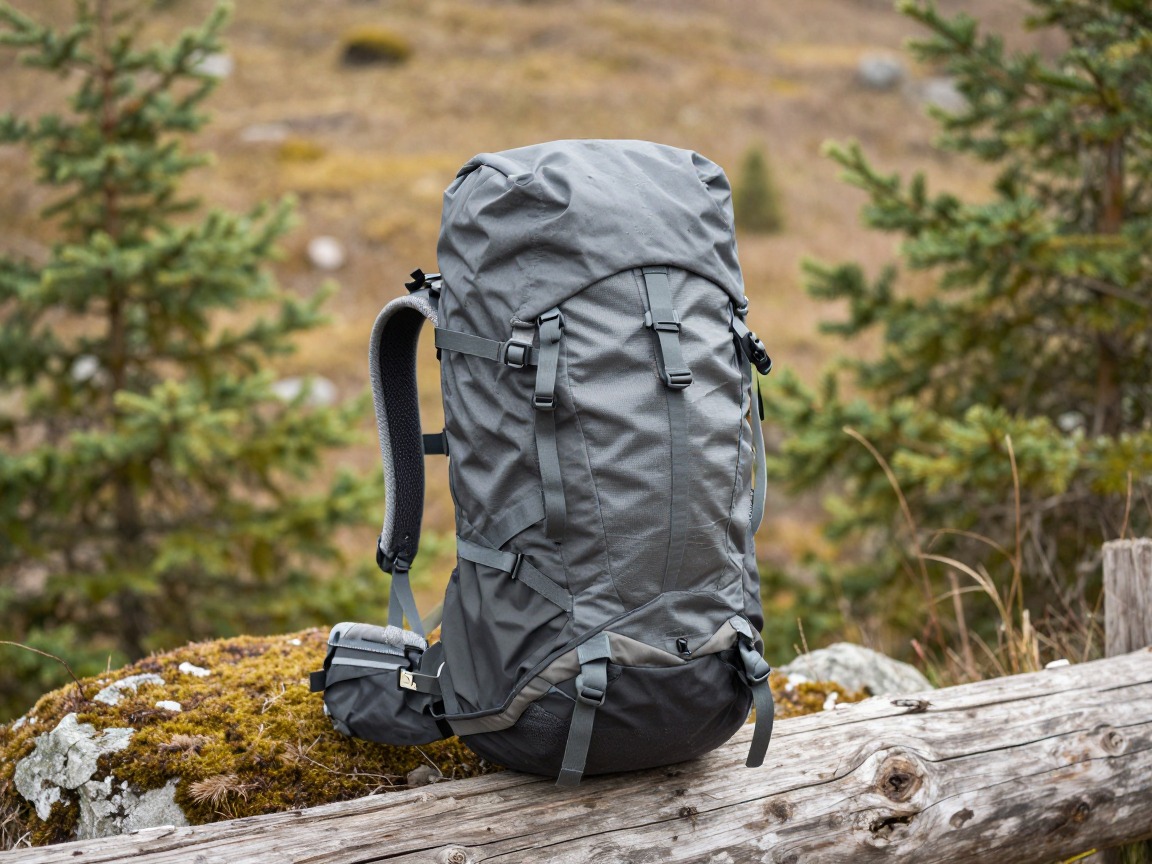
Trekking daypack (20–30L)
Carries everything you need between breakfast and camp — water, rain gear, sunscreen, camera, and your permit and passport — while your overnight gear rides separately with the porter crew.
What to look for: A real hip belt to take weight off your shoulders on the climb to Dead Woman's Pass, good ventilation for hot, exposed stretches, and enough room for a rain cover and a spare layer without needing to be any bigger.
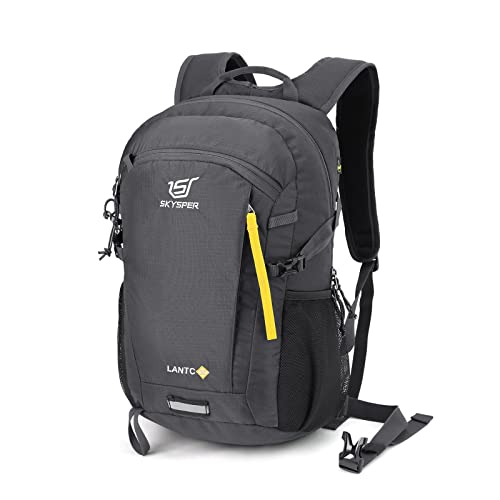 SKYSPER Small Hiking Backpack Check price
  Osprey Sportlite 20L Lightweight Hiking Backpack Check price
 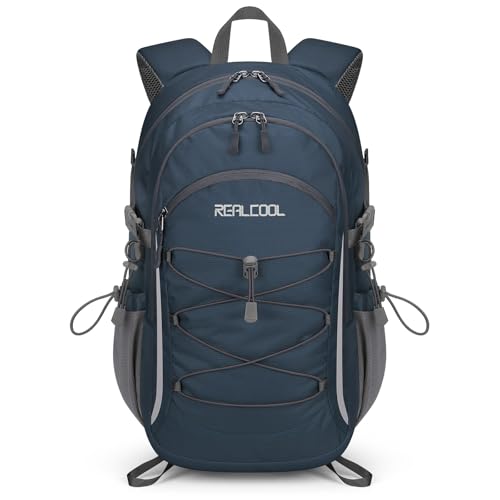 RealCool 20L Lightweight Hiking Backpack Check price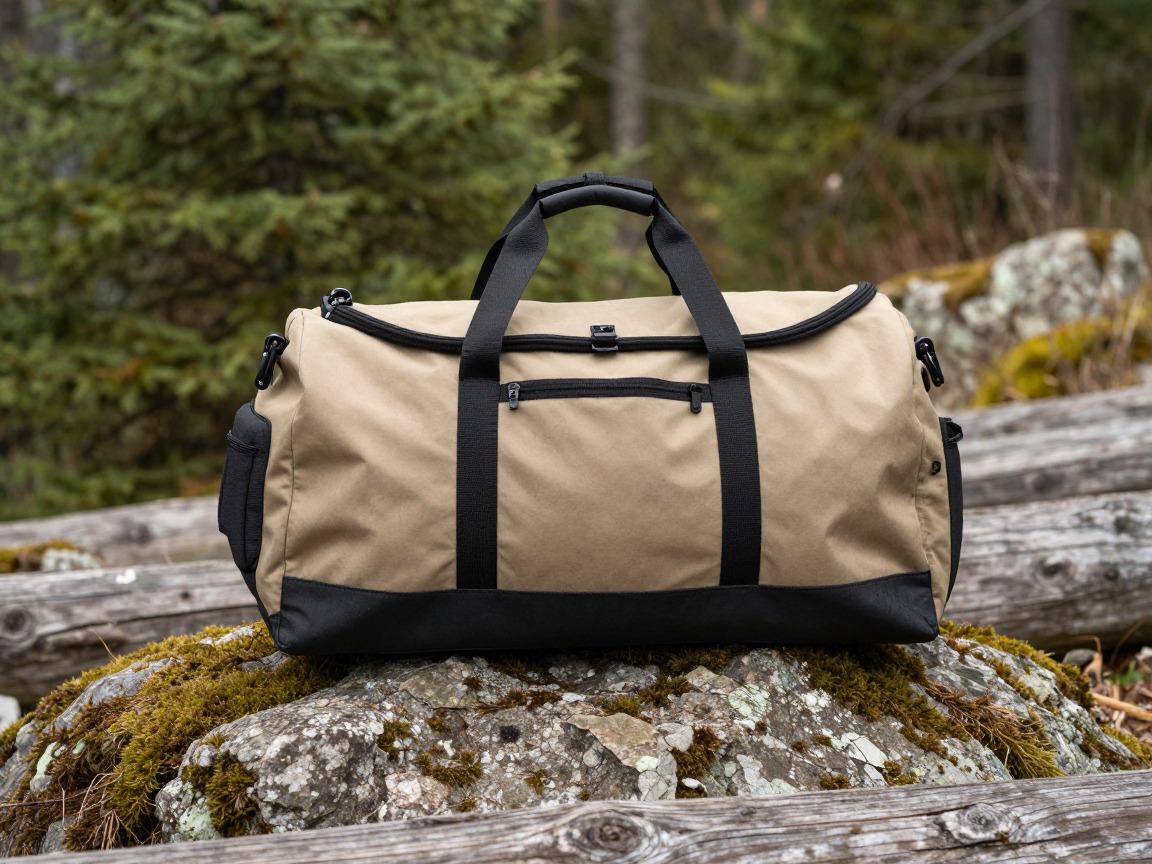
Porter duffel bag
Holds your sleeping bag, pad, and camp clothes, and travels separately with the porter crew to your operator's allowance — not on your own back.
What to look for: A tough, weather-resistant duffel that closes securely and is easy for a porter to load and carry. Confirm your operator's exact weight limit before you pack — it's regulated and enforced, not a suggestion.
 Fmeida 65L Duffle Bag Foldable Travel Duffel Bags for Men Women Trav Check price
  120L Foldable Collapsible Waterproof Travel Duffel Bag for Men and W Check price
  adidas Defender 5 Duffel Bag for Sports Check price
 - Confirm your operator's exact duffel weight limit before you pack — Peruvian regulations cap porter loads, and operators enforce it at the trailhead
- A packable rain cover or dry-bag liner for the daypack
- A small padlock for the duffel
Footwear & the stone steps
Thousands of Incan stone steps, some steep and uneven, make footwear and knee support matter here more than the mileage alone suggests.
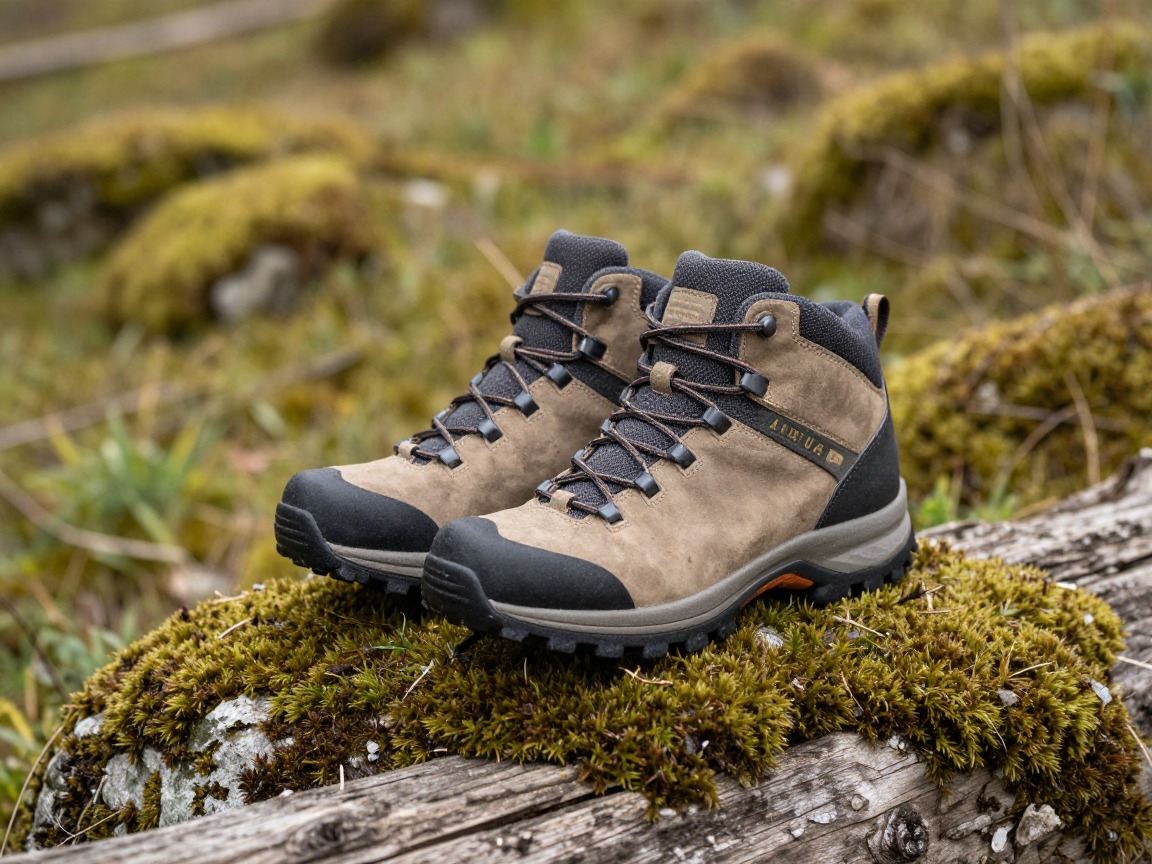
Broken-in hiking boots
The standard choice for the trail's uneven stone steps, exposed roots, and loose, gravelly sections after rain.
What to look for: Boots with real miles on them already, solid ankle support for the descents, and a fit that leaves room for feet that swell over four days of stepping down.
 Columbia Men's Transverse Waterproof Hiking Boot Check price
  NORTIV 8 Men's Ankle High Waterproof Hiking Boots Check price
  Columbia Mens Transverse Waterproof Hiking Boot Check price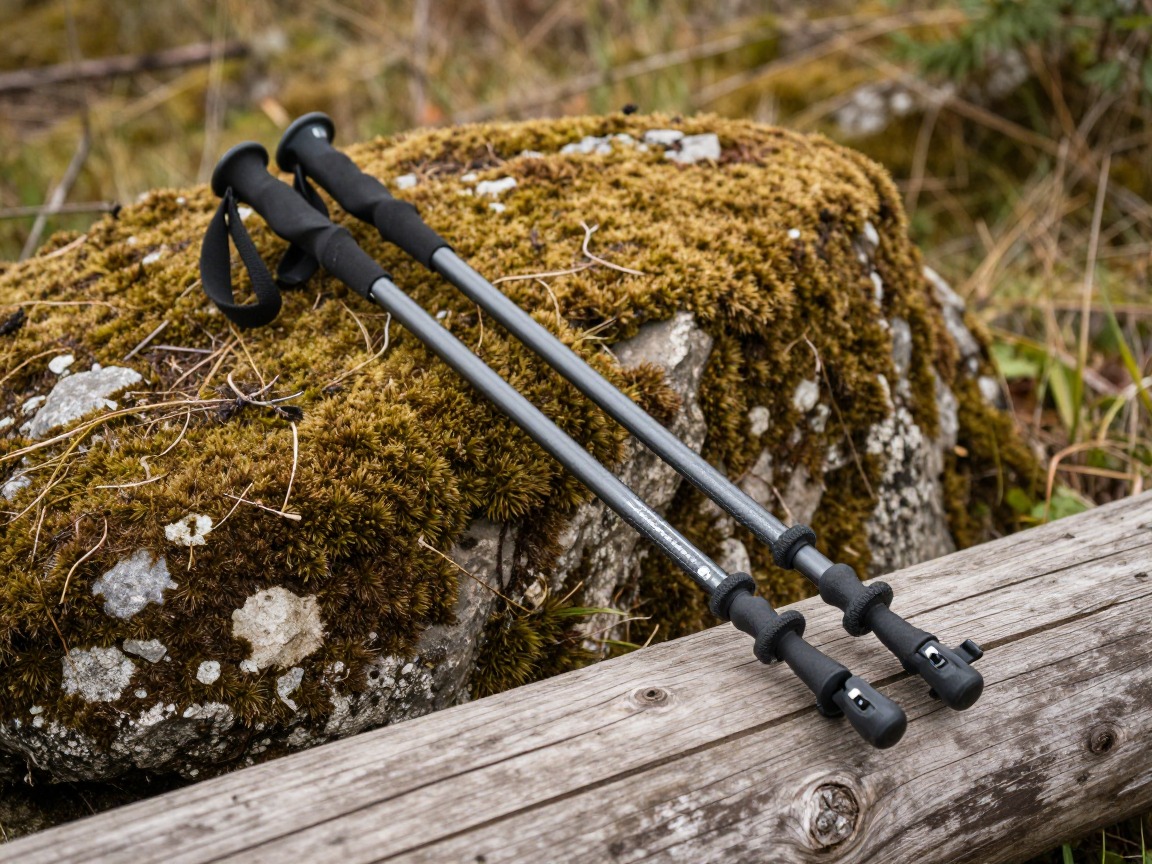
Trekking poles
Take real strain off your knees on the long stone descent from Dead Woman's Pass and the notoriously steep steps down on day three.
What to look for: Adjustable, packable poles with a comfortable grip and locks that hold under load. Check with your operator whether rubber tip covers are required on certain sections of the trail.
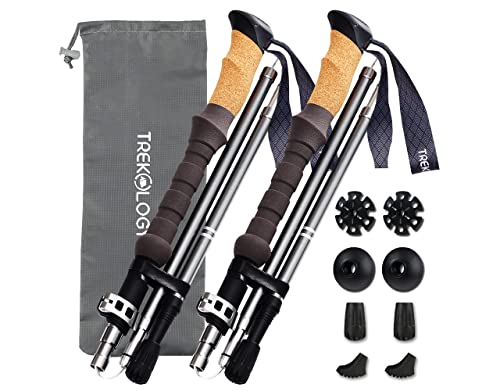 Trekology Trek-Z Cork Grip Collapsible Lightweight Hiking Trekking P Check price
 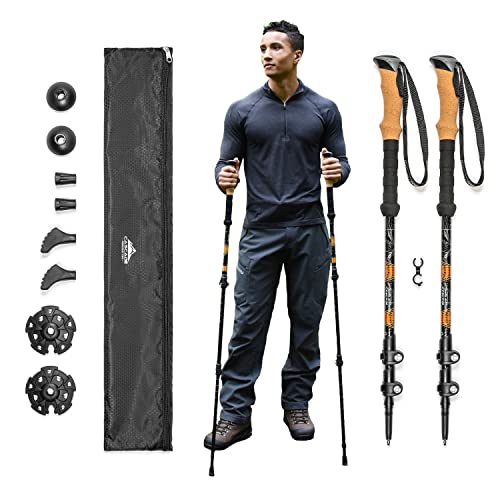 Cascade Mountain Tech Trekking Poles Check price
 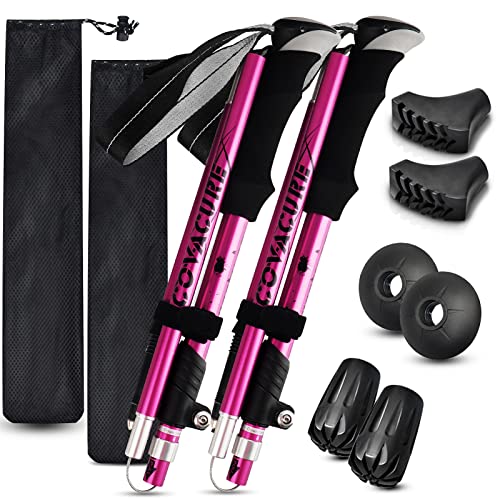 covacure Hiking Poles Check price
 - Wool hiking socks (never cotton), plus a spare pair
- Gaiters if you're trekking in the wetter months
- Lightweight camp shoes or sandals to give your feet a break each evening
Clothing & layering
The Inca Trail swings from strong midday sun to a genuinely cold camp within a few hours, so the layering system has to cover both ends without adding real weight to the duffel.
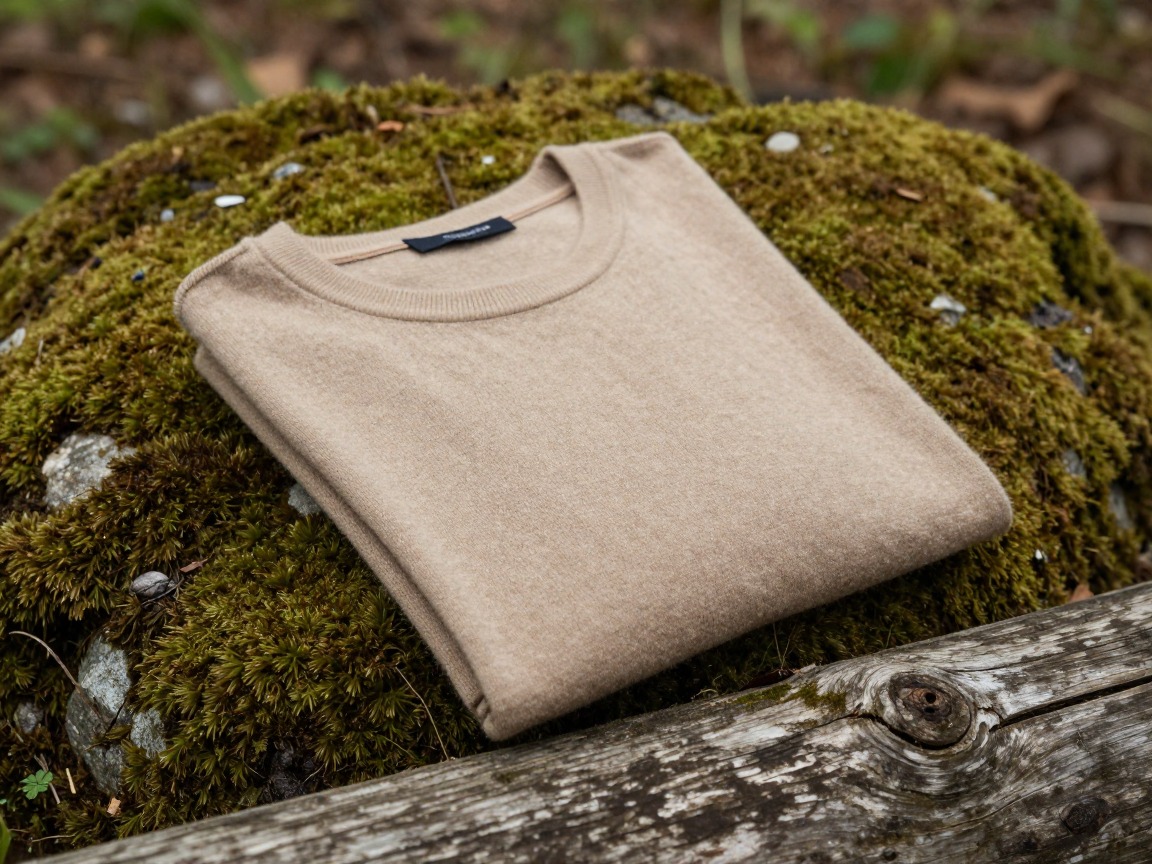
Quick-dry hiking shirt
Worn most days of the trek, wicking sweat on the climb to the pass while resisting odor since there's no laundry along the route.
What to look for: Merino or a synthetic blend, breathable for the exposed, sunny stretches, with a spare to rotate while one dries at camp.
 100% Merino Wool Base Layer Men Set - Thermal Underwear for Men Long Check price
  Merino.tech Merino Wool Base Layer Women Set - Heavyweight Check price
  100% Merino Wool Base Layer Men Set - Thermal Long Underwear with Ba Check price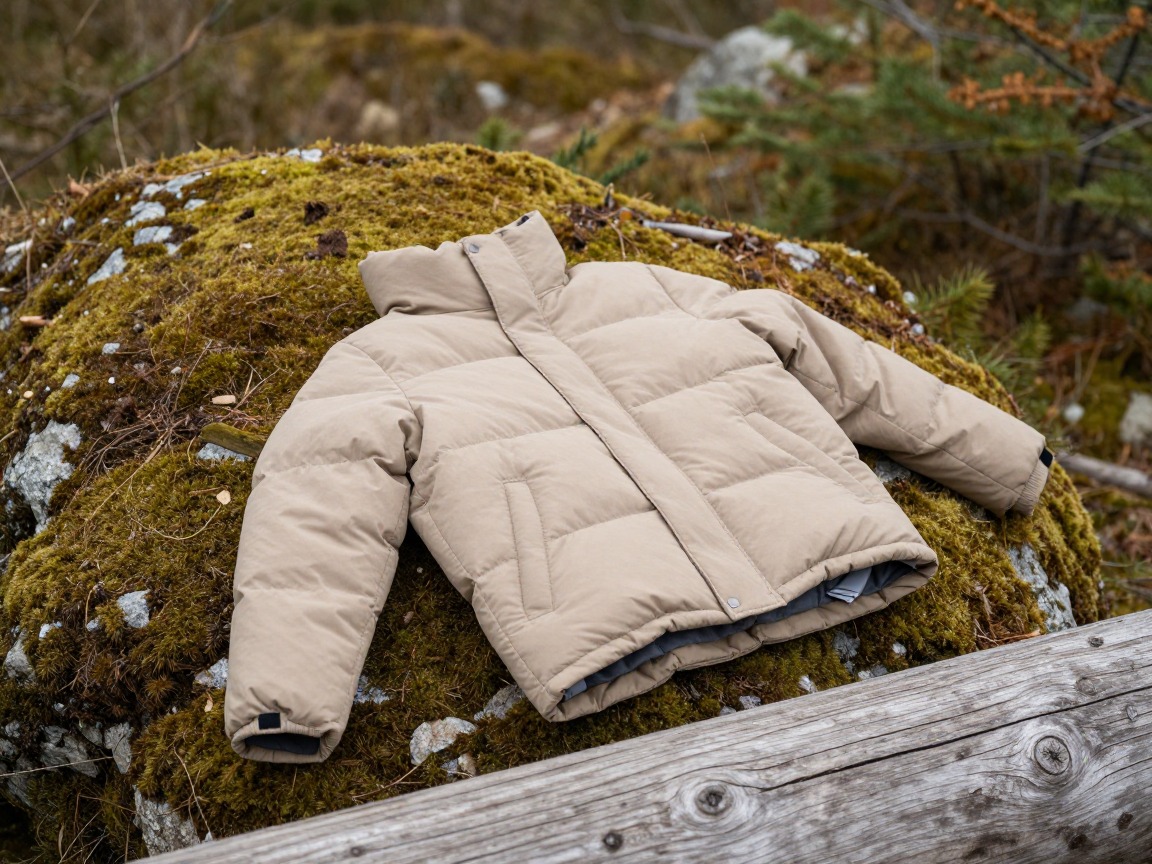
Insulated jacket
Your main source of warmth once the sun drops at camp, especially the night after Dead Woman's Pass, which sits well above 13,000 feet.
What to look for: A packable down or synthetic jacket that compresses small in the duffel but adds real warmth for cold, high-altitude evenings.
 Outdoor Ventures Women's Packable Lightweight Puffer Jacket with Hoo Check price
  Amazon Essentials Women's Lightweight Long-Sleeve Water-Resistant Pa Check price
  Outdoor Ventures Women's Packable Lightweight Puffer Jacket with Hoo Check price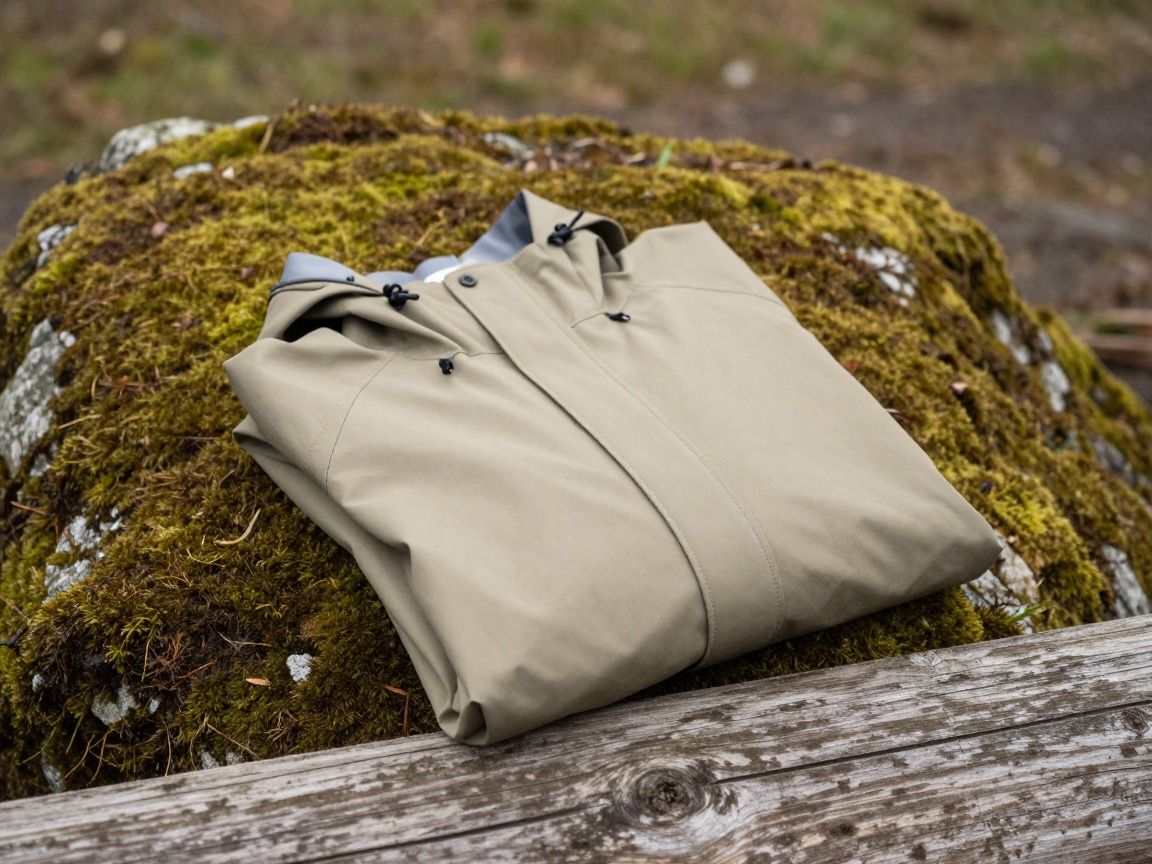
Waterproof rain shell
Worth carrying regardless of season — mountain weather changes fast, and a wet, cold, windy stretch on an exposed ridge is miserable without one.
What to look for: Genuinely waterproof, not just water-resistant, packable enough to live in the daypack every day, with a hood that fits over a warm hat.
 UIQUR Mens Rain Jacket Raincoat Waterproof Windbreaker Black L Check price
  COOFANDY Men's Waterproof Hiking Travel Shell Breathable Rain Jacket Check price
  Columbia Womens Arcadia II Waterproof Rain Jacket Check price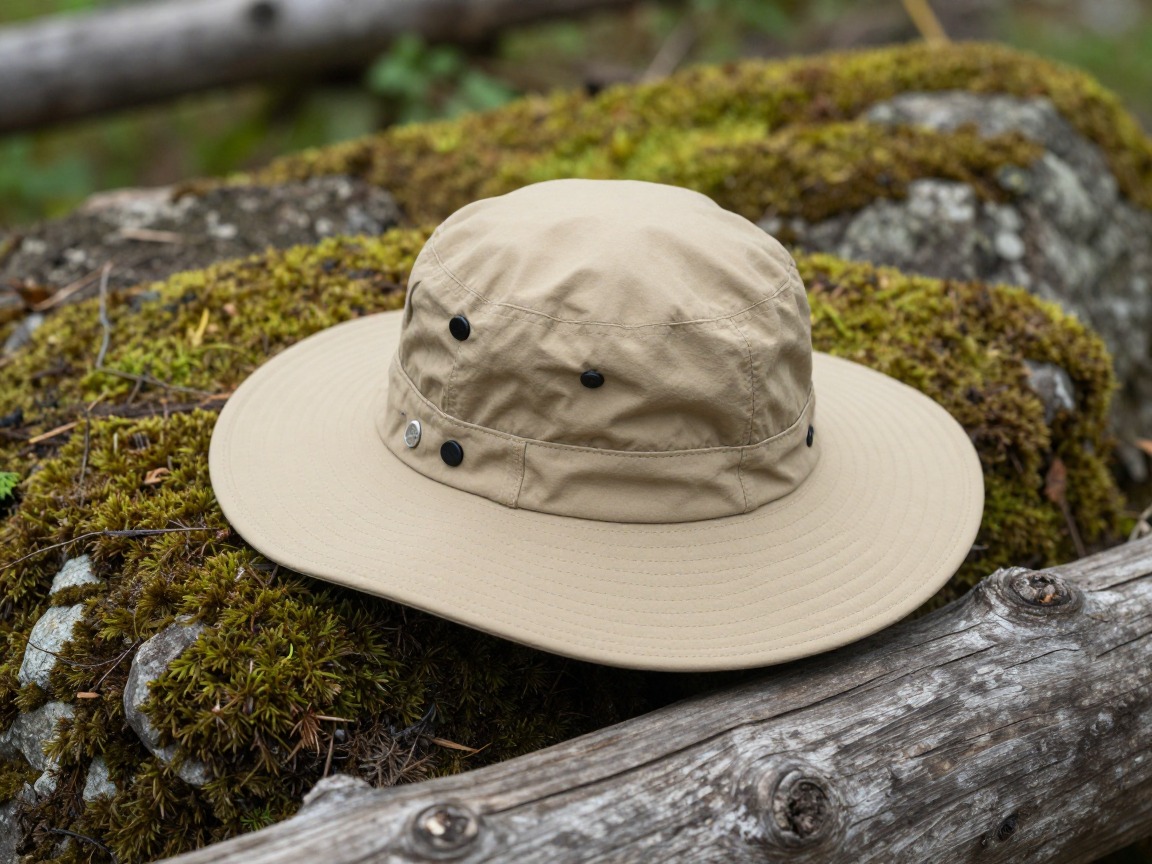
Sun hat & eye protection
High-altitude sun is stronger than it feels, especially on the exposed sections between camps.
What to look for: A brimmed hat that shades your face and neck, sunglasses rated for strong glare, and a high-SPF sunscreen reapplied through the day.
 FURTALK Womens Sun Hat with Ponytail Hole Beach Hiking Summer Wide B Check price
 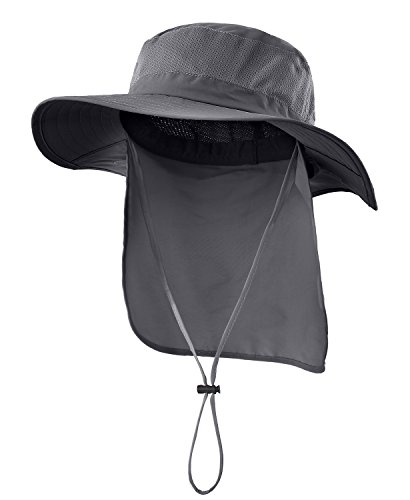 Home Prefer Outdoor UPF50+ Mesh Sun Hat Wide Brim Fishing Hat with N Check price
  FURTALK Sun Hats for Men Fishing Hat UPF Protection Wide Brim Bucket Check price
 - Warm hat and liner gloves for camp mornings and the pass
- Lightweight trekking pants and a change of camp clothes
- Buff or bandana for trail dust and sun
- Swimsuit if your itinerary includes the hot springs at Aguas Calientes afterward
Hydration
Hard climbing at altitude burns through fluids fast, and staying ahead of dehydration is one of the simplest things you control on this trail.
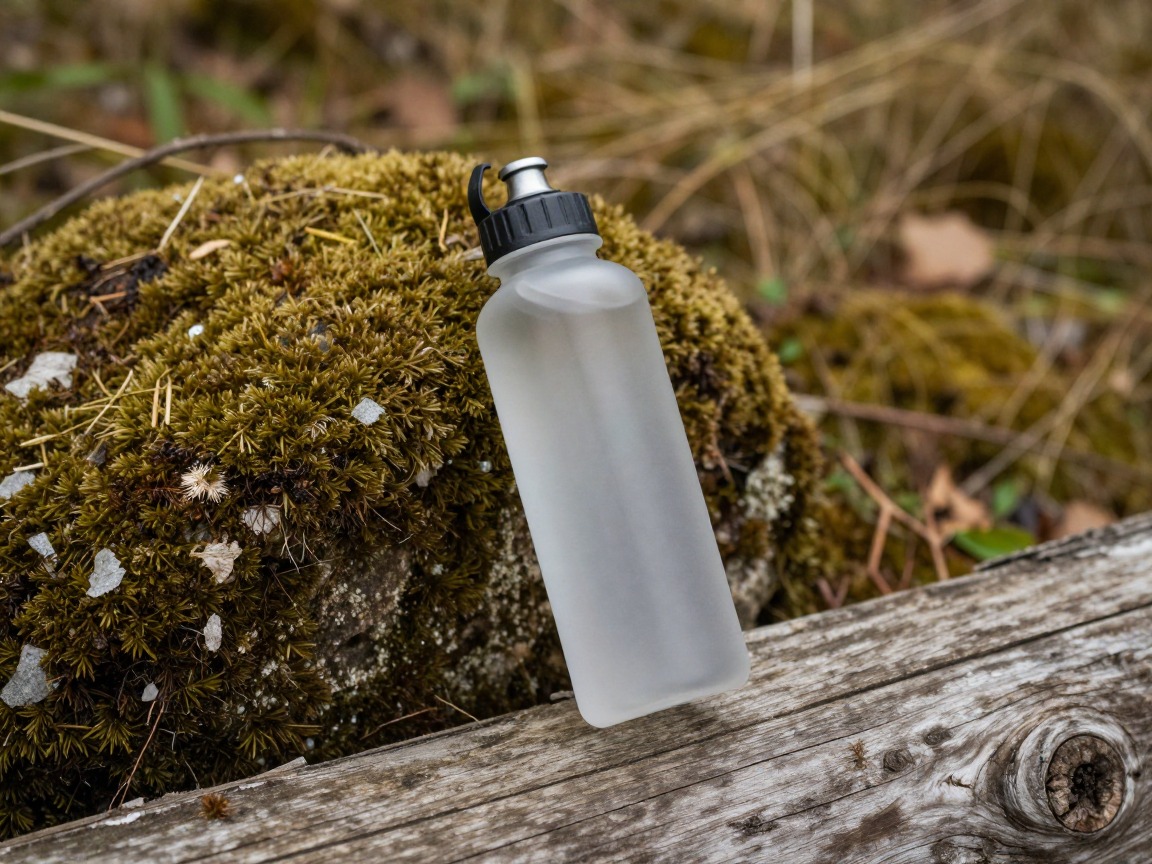
Water bottle(s)
Your everyday water supply, refilled at camp from water your crew boils or treats — confirm your operator's exact arrangement before you go.
What to look for: A tough, wide-mouth bottle that's quick to refill at camp and easy to drop electrolyte tabs into; carry at least two liters of capacity for the long climbing day.
 Nalgene 32 oz Wide Mouth Water Bottle Check price
  Nalgene 32 oz Wide Mouth Water Bottle Check price
  Nalgene 32 oz Wide Mouth Water Bottle Check price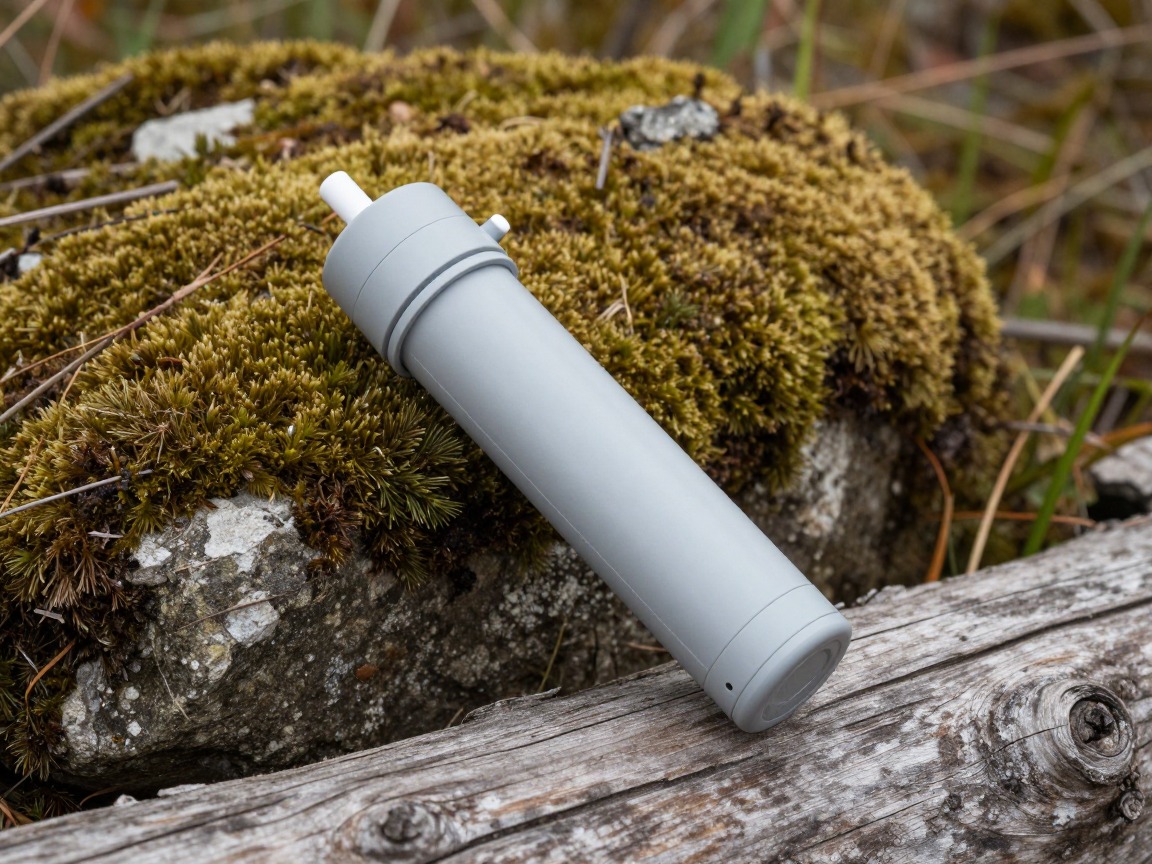
Water filter or purification backup
Most operators boil or treat drinking water for the group, but a personal filter or tablets are a reliable backup between refills or before your crew catches up.
What to look for: A lightweight filter that handles cold, high-altitude water, or purification tablets as a compact, no-fuss backup.
 Sawyer Squeeze Water Filtration System Check price
  Sawyer Products SP128 Mini Water Filtration System Check price
  LifeStraw Personal Water Filter for Hiking Check price
 - Electrolyte tabs or a rehydration mix for the climbing days
Documents, light & safety
Between the permit system, the altitude, and a trail that runs for days between road access, this section matters as much as anything else you pack.
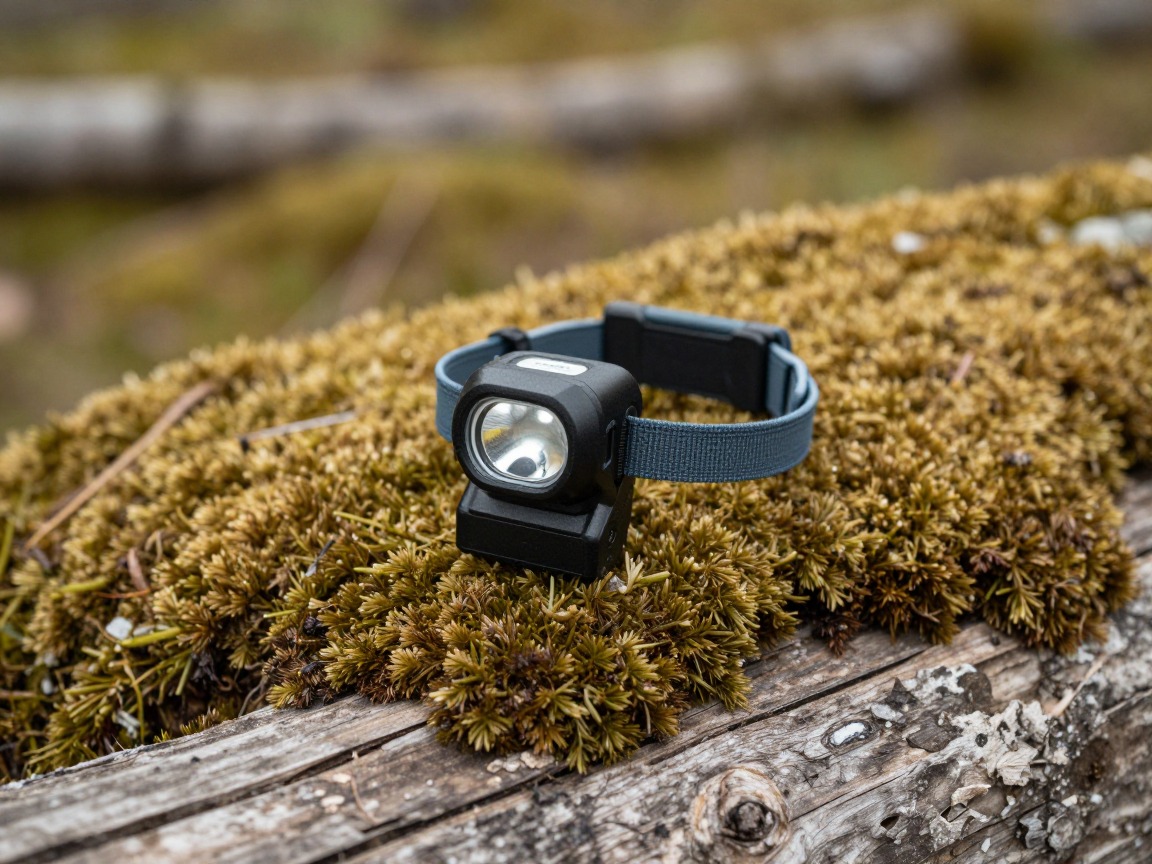
Headlamp
Used for pre-dawn starts — many groups leave camp before sunrise to reach the Sun Gate early — and for a camp with no electricity after dark.
What to look for: Bright enough for an early trail start, a dim or red mode that won't wake your tent-mate, and battery life for several nights with no way to recharge.
 LHKNL Headlamp Flashlight Check price
 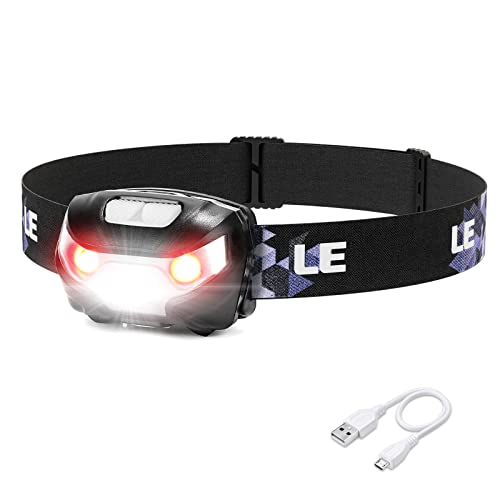 Lepro LED Headlamp Rechargeable IPX4 Waterproof Headlight 5 Modes - Check price
 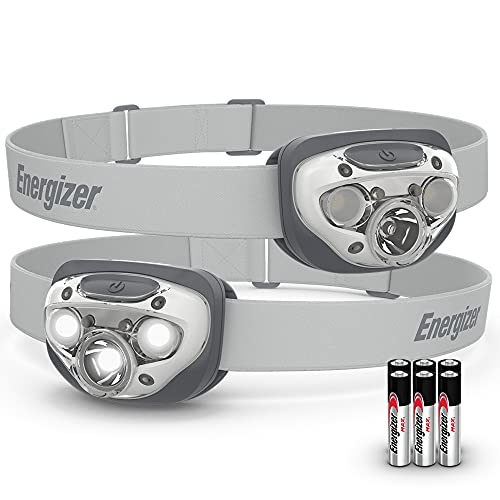 Energizer LED Headlamp PRO Check price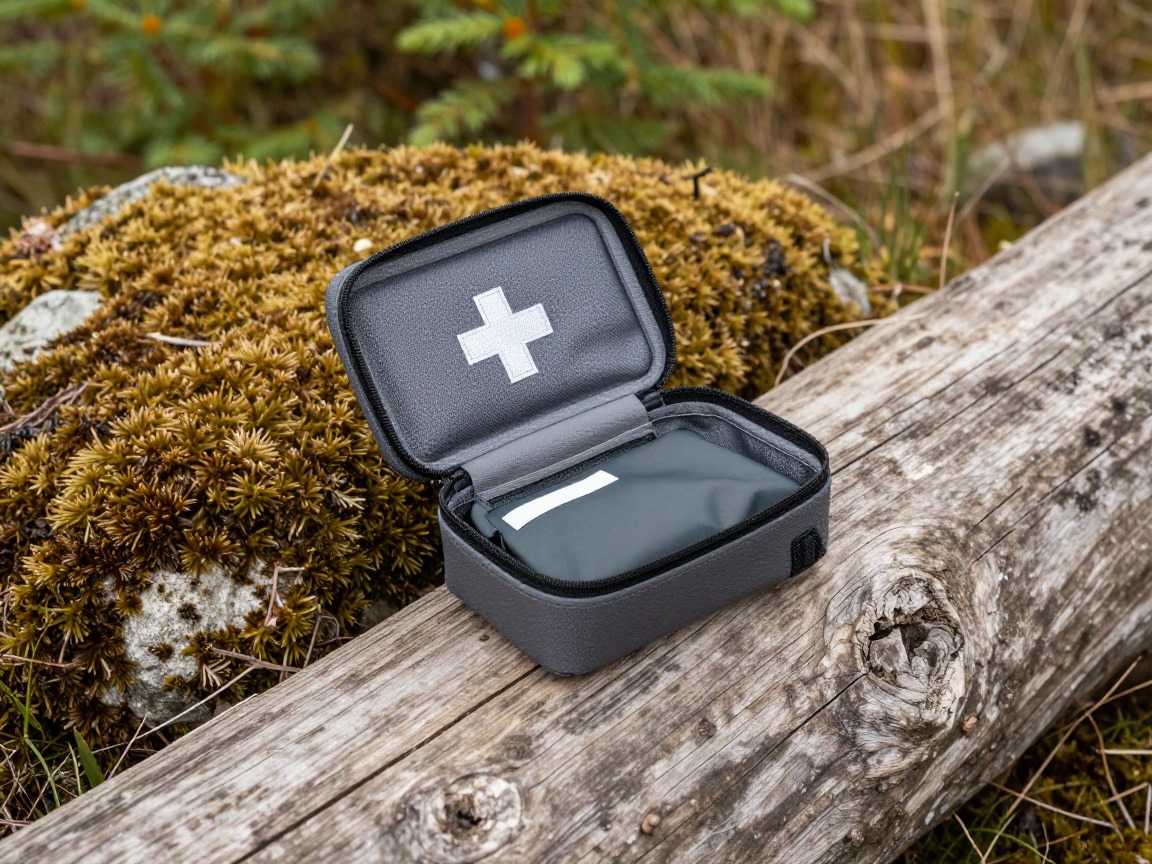
First-aid & blister kit
A kit built for a multi-day trail with no road access, covering blisters and minor cuts, alongside your own regular medication and anything discussed with your doctor beforehand.
What to look for: Blister care and basic wound supplies as the priority, plus your own prescriptions. Talk to your doctor about altitude well before you fly — acclimatizing properly matters more than any single item in this kit.
 Mini First Aid Kit - 150 Piece Small Waterproof EVA Hard Shell Case Check price
  Adventure Medical Kits Ultralight/Watertight Medical Kit .5 Check price
 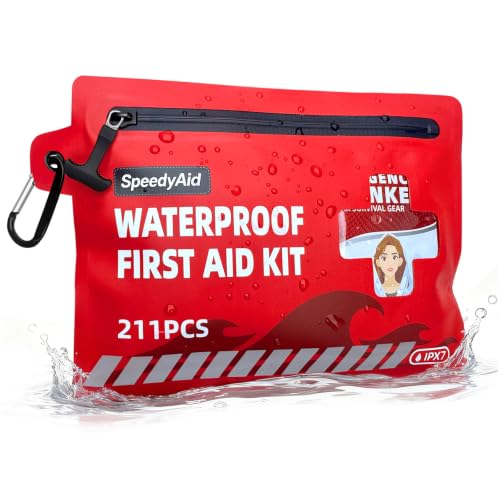 211 PCS Waterproof First Aid Kit Check price
 - Your original passport (the one used to book) — checkpoints along the trail and the Machu Picchu entrance check it against your permit, and copies generally aren't accepted
- Your trekking permit or entrance confirmation from your operator
- Cash in small bills for tips, snacks, and bathroom stops along the route
- Travel insurance that covers trekking at altitude
- Any altitude medication discussed with your doctor beforehand
How to adapt this setup
If you're trekking when rain is more likely, add a full rain cover for the daypack, gaiters, and a dry bag for camera gear and electronics inside the duffel.
Book two or three extra days in Cusco before the trail starts — it sits above 11,000 feet, and arriving straight from sea level makes Dead Woman's Pass far harder than it needs to be.
If your itinerary camps close to Dead Woman's Pass, lean toward the warmer end of what your operator offers for a sleeping bag, and add liner gloves and a warm hat you actually trust.
Trekking the Salkantay, Lares, or a shorter one-day Inca Trail instead? The daypack and layering system here still applies, but confirm what your specific route's porters, mules, or transport carry.
Adding rainforest days before or after the trek changes the kit substantially — look at the hot, humid jungle trek setup for that portion of the trip.
Common mistakes to avoid
- Skipping acclimatization days in Cusco and flying straight into a four-day trek at altitude.
- Overpacking the duffel past your operator's weight limit and leaving the porter crew to sort it out at the trailhead.
- Breaking in new boots on the trail itself instead of on training hikes beforehand.
- Forgetting that copies of your passport generally aren't accepted — you need the original you used to book the permit.
- Packing for one climate when the Inca Trail asks for both — strong midday sun and a genuinely cold camp on the same day.
- Underestimating the descent — the stone steps down from Dead Woman's Pass are often harder on the knees than the climb up.
Make it yours
Frequently asked questions
Can I hike the Inca Trail without a guide or tour operator?
No. Regulations require every Inca Trail trekker to book through a licensed tour operator with a guide and porter crew — independent or unguided trekking isn't permitted on this route, and permits are issued to operators on your behalf, not sold to individuals directly.
How much can my porter-carried duffel weigh?
Your tour operator sets and enforces a specific per-trekker weight limit, and overall porter loads are regulated. Confirm the exact number with your operator before you pack, and treat it as a hard limit rather than a guideline — it's checked at the trailhead.
How high is Dead Woman's Pass, and how hard is it?
Dead Woman's Pass (Warmiwañusca) sits at roughly 13,800 feet and is the trek's high point, usually reached on day two. It's a long, steady climb rather than a technical one, but altitude makes it feel harder than the distance suggests — acclimatizing in Cusco beforehand helps significantly.
Do I need my passport on the trail itself?
Yes. Checkpoints along the Inca Trail and the entrance at Machu Picchu check your original passport against your permit, and the number has to match the one used when you booked — bring the same physical passport, not a copy.
What's the weather actually like on the Inca Trail?
Expect strong sun and warm temperatures at midday, then a real drop once the sun sets at camp, especially near Dead Woman's Pass. Rain is possible in the wetter months regardless of forecast, so a genuine rain shell is worth carrying every day, not just when clouds look likely.
Illustrative images show the type of gear, not specific products. Recommendations link to similar items on Amazon; we only ever link real listings and never show fabricated prices or ratings. General planning guidance, not a substitute for your own judgment or professional backcountry-safety instruction.