

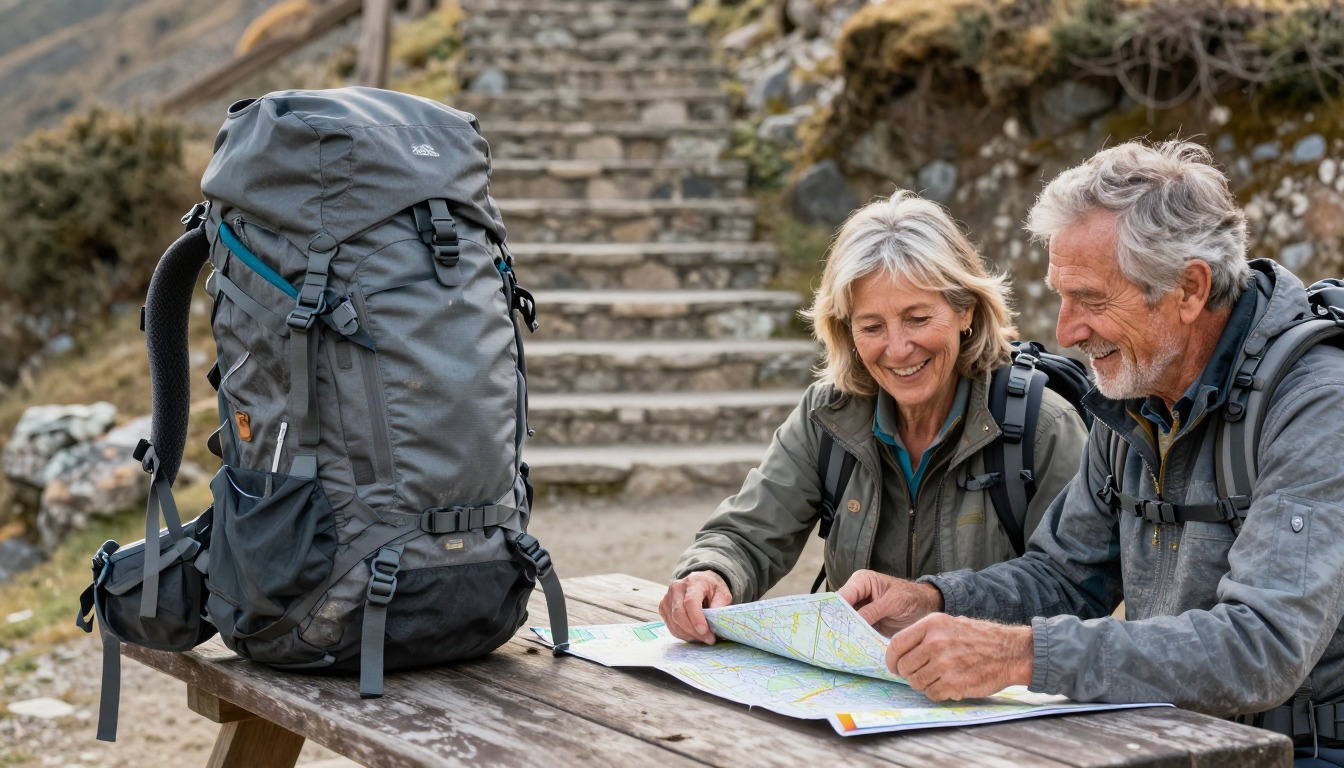


A budget hiking backpack is worth it when it's sized correctly for the hiker's torso and matched to the trip length it will actually carry, since price doesn't change the basic mechanics of how a hipbelt and frame transfer load to the hips.
What do you actually lose by buying cheap?
Buying a cheap pack means accepting heavier fabric (typically 400–600D versus 100–210D on premium packs), fixed rather than adjustable torso sizing, and a flat foam back panel instead of ventilated mesh. None of these affect whether the pack carries weight safely — they affect comfort refinements like empty pack weight and how warm the back runs on a hot climb.
When does spending more actually pay off?
Spending more pays off for frequent, long-distance or hot-climate hikers, since lighter fabric and better ventilation compound in value over many miles and many trips. Weight savings that feel marginal on a single day hike become meaningful on a multi-day trip carried for dozens of hours total.
Who is best served by a budget pack?
Beginners still learning their hiking habits, occasional day hikers, and anyone on a firm budget are typically well served by a correctly fitted budget pack, since overspending on features that won't get used wastes money without adding real trail benefit. A well-reviewed value pack from a brand like TETON Sports, ALPS Mountaineering or REI Co-op's budget line covers the fundamentals — frame, hipbelt, and durable fabric — that determine whether a pack works.
The one thing price doesn't fix
No price point fixes a poor fit. A $300 pack sized wrong for a hiker's torso carries worse than a correctly fitted $80 pack, since load transfer depends on the hipbelt sitting on the hip bones and the frame matching torso length — not on how much the pack cost. Measuring torso length before comparing prices avoids the most common budget-backpack mistake: buying by price or brand name instead of by fit.