




A well-built hiking backpack typically lasts several years of regular use, and many hold up through an entire thru-hike's 2,000-plus miles when a hiker chooses the right fabric weight for the terrain and looks after high-wear points along the way. Lifespan depends more on trail conditions and pack care than on price, since a mid-range nylon pack maintained well can outlast a premium ultralight pack pushed past its designed load range.
How long do hiking backpacks actually last?
A hiking backpack used for weekend and multi-day trips typically lasts 5 to 10 years or longer with normal care, while a pack carried daily on a multi-month thru-hike sees that same wear compressed into a single season, though most packs still complete a full 2,000-plus mile trail without failing structurally. The gap between these numbers comes down to use frequency, not a difference in build quality — the same pack model wears at roughly the same rate per mile whether those miles happen over one season or ten years.
What wears out first on a hiking backpack?
Zippers, hipbelt buckles, and high-abrasion contact points — the bottom panel, side pockets, and shoulder-strap seams — wear out first on most hiking backpacks, typically well before the main fabric body fails outright. Common early failure points include:
- Zipper sliders and teeth, especially on packs opened and closed many times a day.
- Hipbelt and sternum-strap buckles, which see repeated flexing and occasional impact.
- Mesh side pockets, which stretch and tear from repeated bottle insertion and brush contact.
- Bottom-panel fabric, worn from being set down on rock and dirt at every break.
- Stitching at load-lifter and hipbelt attachment points, which carries repeated tension.
How does trail terrain affect pack lifespan?
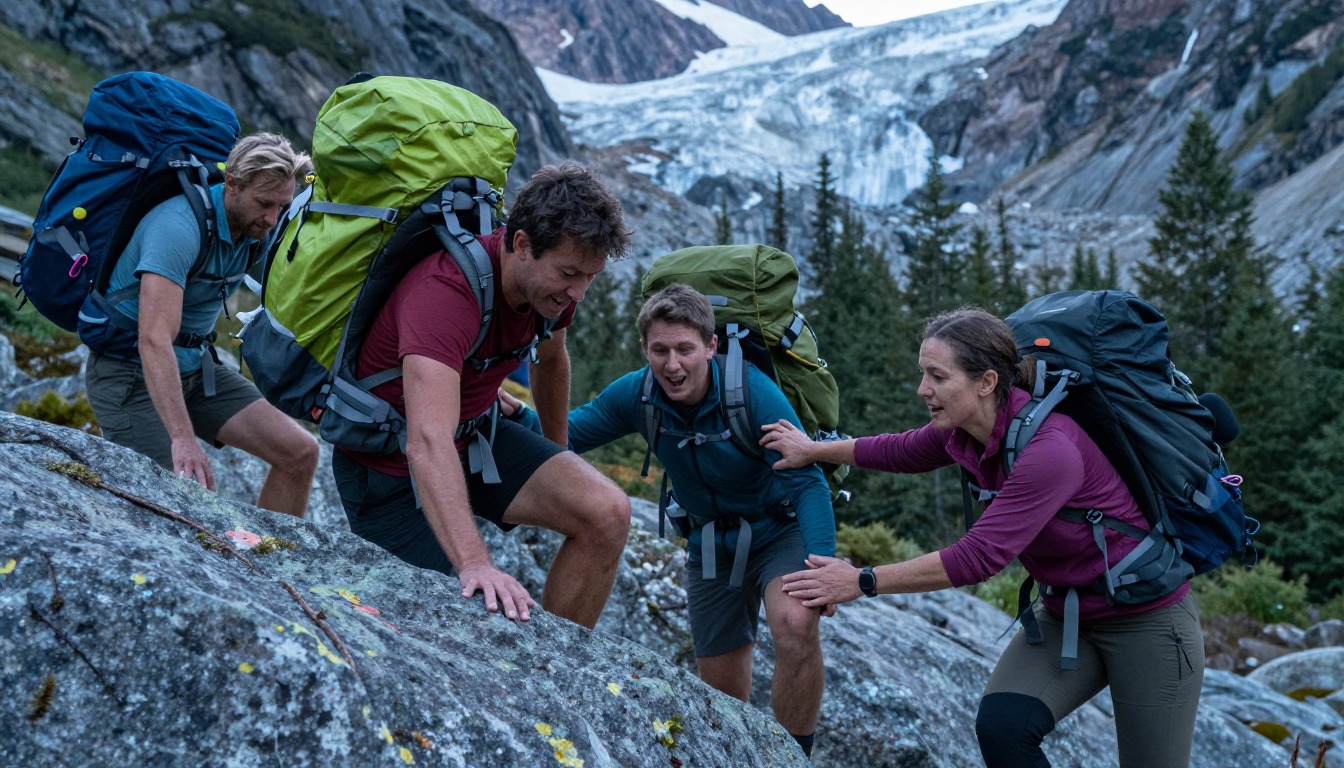
Abrasive terrain — granite scrambling, dense brush, and repeated rain exposure — shortens a pack's usable life faster than mileage alone, and different fabrics respond differently to each stress. Granite sections common in the Sierra Nevada wear down face fabric through repeated rock contact; dense brush found in parts of New England and the Pacific Northwest snags external pockets and straps; desert dust and sand common on southern stretches of the Pacific Crest Trail and Continental Divide Trail work into zippers over time. Robic nylon in the 100 to 210 denier range generally resists rock and brush abrasion better than Dyneema Composite Fabric, which is lighter and fully waterproof but less forgiving of repeated sharp contact.
Does a lighter pack wear out faster than a heavier one?
Not inherently — fabric denier and how closely a pack is loaded to its rated maximum matter more than its overall weight class. An ultralight pack carried well within its rated load wears at a similar rate to a heavier traditional pack carried within its own range; the bigger factor in premature wear is overloading a pack well past what its frame or fabric was designed to carry, which strains stitching and seams regardless of pack weight.
How do you extend a thru-hiking pack's lifespan?
Extending a pack's lifespan on a long trail comes down to a few consistent habits: staying within the pack's rated load range, avoiding dragging it over rock instead of setting it down, rinsing dirt and salt out of the fabric during town stops, and patching small holes with repair tape as soon as they appear rather than letting them grow. Using a pack liner or dry bags on a nylon pack, instead of relying on the face fabric alone, also keeps repeated wet-dry cycles from breaking down waterproof coatings as quickly. Storing the pack loosely, rather than compressed in a stuff sack, between trips also helps foam back panels and mesh pockets keep their shape over years of seasonal use.