

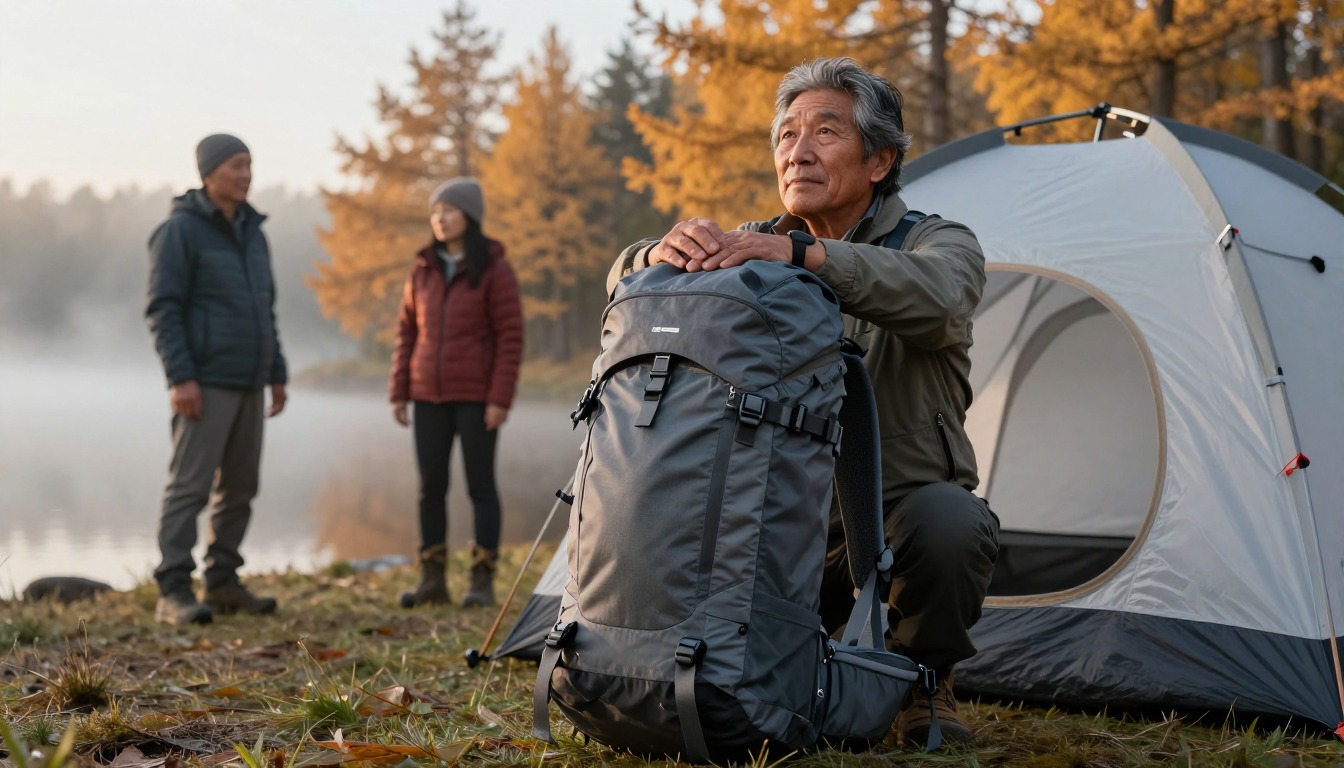


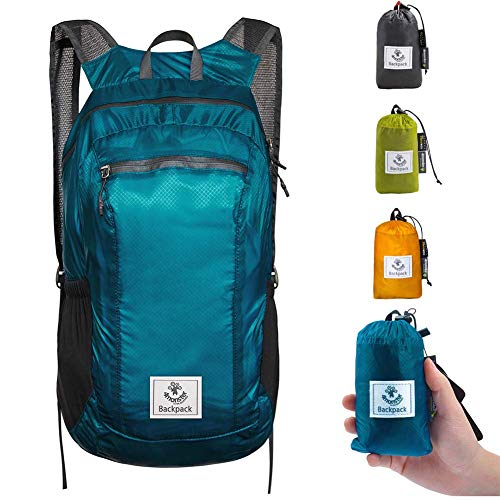


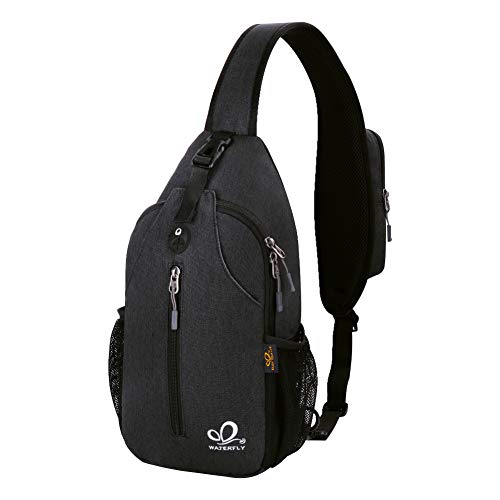
A convertible travel-hiking pack is a backpack whose hipbelt and shoulder straps zip away into a rear panel pocket, letting the same pack switch between a strap-free case for transit and a supported trail pack for day hikes, without swapping bags between the two uses.
What makes a backpack "convertible" for travel?
A pack earns the "convertible" label when its harness — hipbelt, shoulder straps, and often the sternum strap — fully retracts behind a zippered rear panel, leaving a flat, strap-free back that won't snag on a bus rack, a luggage carousel, or an overhead bin latch. Some models extend the idea further with a detachable daypack that clips to the front panel and comes off for day hikes or city sightseeing while the main pack stays locked in a hostel or hotel room.
The zip-away pocket typically sits behind a semi-rigid backpanel, so the retracted straps don't press into a traveler's back when the pack is carried briefly by its top or side handle like a duffel. Lockable zipper pulls on the main compartment are common on this format, letting a pack meet basic TSA-style lock requirements at check-in counters and hostel storage rooms.
Do convertible packs sacrifice trail comfort?
Convertible packs use a lighter suspension than dedicated backpacking packs, so a fully loaded convertible pack carries noticeably less comfortably on a multi-hour hike than a purpose-built trekking pack, even though both may share a similar liter count. The tradeoff exists because the frame in most convertible packs is a single removable framesheet or a pair of light stays rather than the fuller perimeter frame used on packs built for the 45–55L multi-day category.
For day hikes of a few hours at a travel destination — a coastal trail, a national park loop, a day trip out of a base city — this lighter suspension is rarely a problem, since the pack is carrying a partial load of water, a rain shell, and snacks rather than a full multi-day kit. The gap becomes noticeable on longer, more heavily loaded hikes, which is why travelers planning a multi-day trek as part of a bigger trip often pack a separate lightweight daypack instead of relying on the convertible pack's trail mode for serious mileage.
How does a zip-away harness work?
The hipbelt and shoulder straps attach to the pack body on the same webbing and buckle hardware used on any framed backpack, but a zippered flap on the rear panel folds them flat and encloses them when not in use, rather than requiring the straps to be removed entirely. Because the harness never fully detaches, there are no loose parts to lose in transit, and switching between transit mode and trail mode takes seconds rather than requiring tools or spare hardware.
Some packs pair the zip-away harness with a stiffer internal framesheet that also acts as a laptop or document divider, which is one reason convertible packs often double as the base for a hiking backpack with a laptop compartment aimed at combined work-and-travel trips.
When does a detachable daypack make sense?
A detachable daypack earns its place on a convertible travel-hiking setup when a trip includes both multi-city travel and day hikes, since it lets a traveler leave the heavier main pack locked at a hotel and carry only the daypack — typically 10 to 20 liters — on a trailhead shuttle or city walking tour. Detachable daypacks usually clip to the front compression straps or a dedicated panel of the main pack, so the two pieces travel as one unit through airports and bus stations.
The main tradeoff is weight and complexity: a detachable daypack adds fabric, zippers, and straps that a traveler carrying only a single-pack setup doesn't need, so this feature matters most for trips that genuinely mix multi-day travel with standalone day hikes, rather than short weekend trips where a single pack covers both roles well enough on its own.