

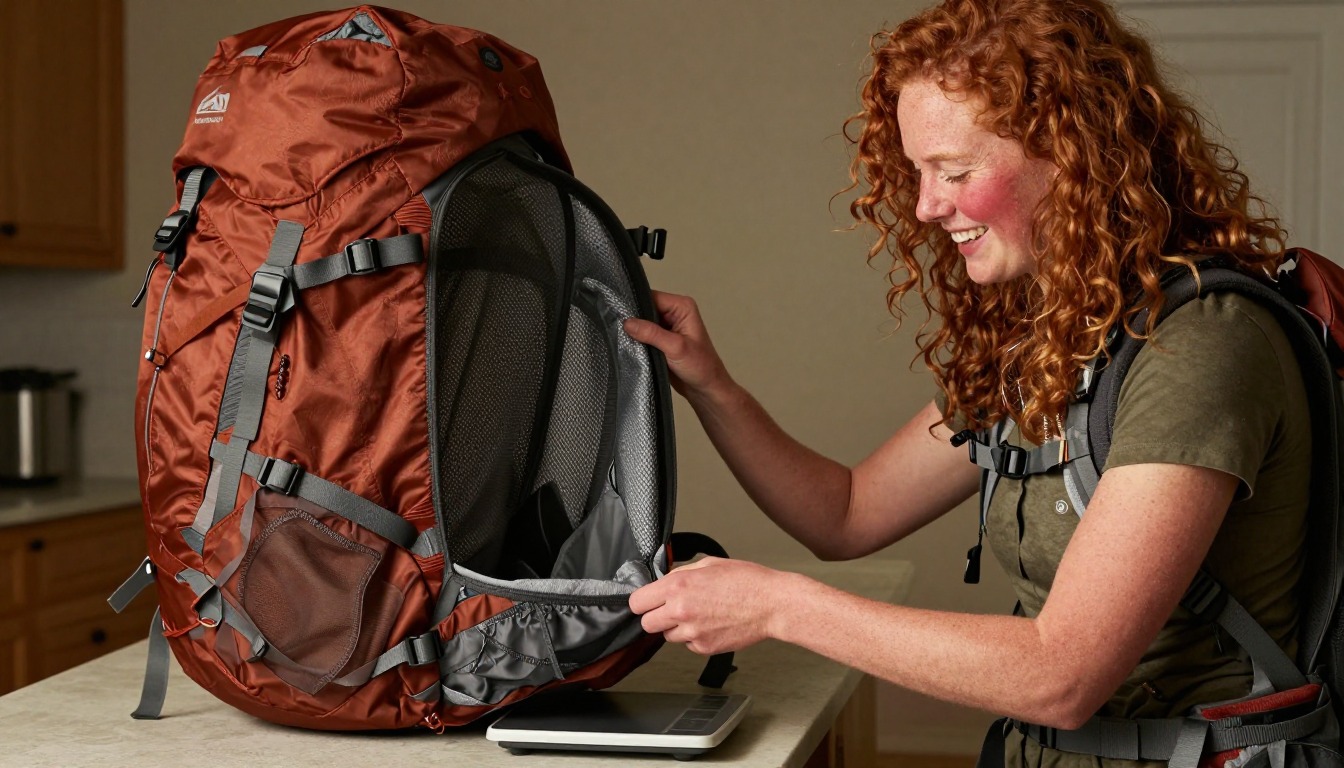


Backcountry hunting pack size depends on hunt length and expected pack-out weight, not just how many nights you'll spend in the field. A day or scouting hunt only needs 25 to 50 liters, while a multi-day backcountry hunt for elk or other big game needs 65 to 105 liters plus a frame rated well above your base kit weight to handle meat.
How pack size scales with hunt length and game size
A day hunt near a trailhead needs enough room for water, layers, a first-aid kit and calling or optics gear — typically 25 to 50 liters on an internal frame or frameless pack, similar to a standard day-hiking setup. A multi-day backcountry hunt needs room for a full overnight kit plus a meat shelf, which pushes most packs into the 65 to 105-liter range. Hunters planning multiple pack-out trips for a single animal, especially elk, often size up further to a dedicated meat-hauler or expedition frame at 105 liters or more.
- Day/scouting hunt: 25–50L, frame rated to roughly 40 lbs
- Multi-day backcountry hunt: 65–105L, frame rated to 60–100 lbs loaded
- Meat-hauler/expedition setup: 105L+, frame rated to 100–150+ lbs per trip
Why frame capacity matters as much as liters
Two hunting packs with the same liter figure can have very different rated load capacities, since that number depends on frame material, hipbelt construction and whether the frame is internal, external or hybrid. A pack sized correctly in liters but under-rated for load can still be miserable to carry once it's loaded with 80 or more pounds of meat, because the frame and hipbelt — not the fabric volume — are what actually transfer that weight off the shoulders.
Torso fit follows the same rule as any backpacking pack: measure from the C7 vertebra to the iliac crest and match that figure to the pack's adjustment range, since a mis-sized frame concentrates extra weight on the shoulders instead of the hips exactly when the load is heaviest.