

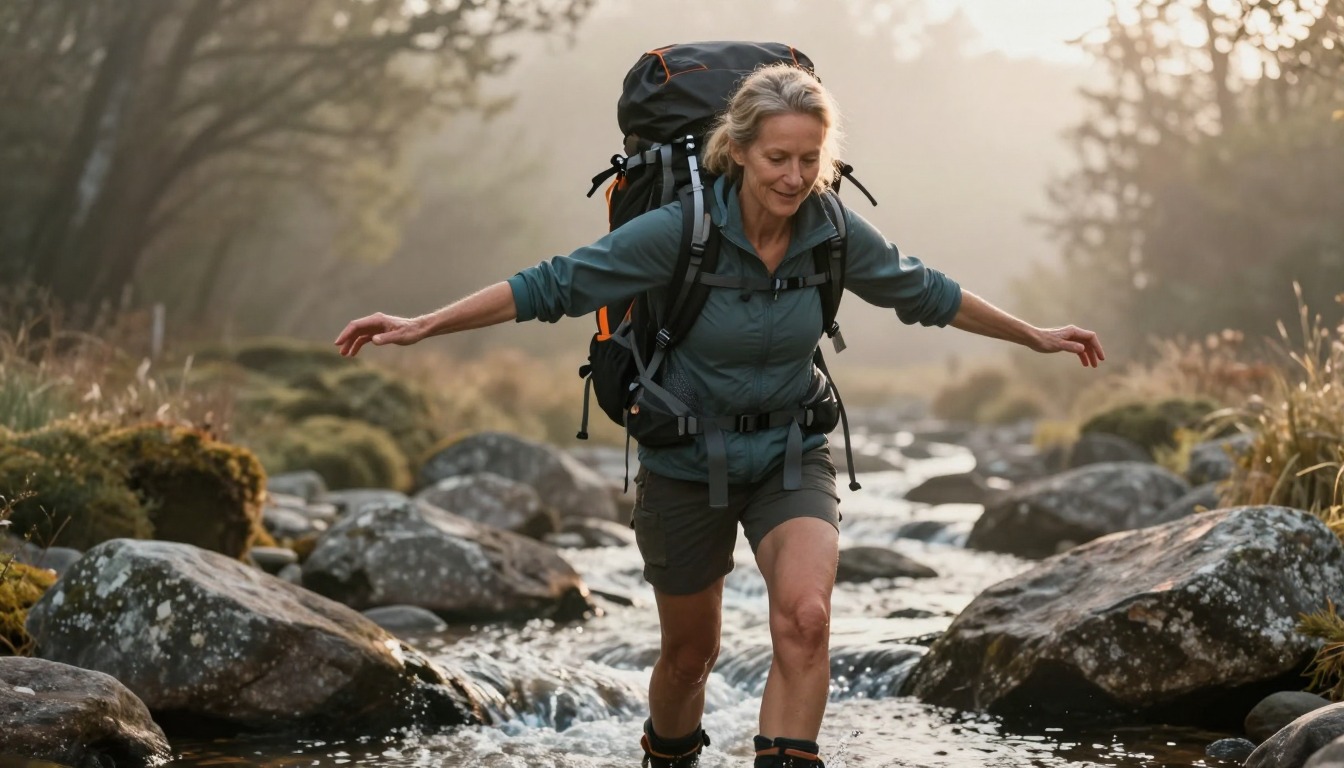


A mountaineering pack should generally run 35 to 50 liters for a one-to-three-day alpine climb, 20 to 35 liters for a single-day scramble or summit push, and 50 to 75 liters for multi-day glacier travel or an expedition approach. Size follows the objective, not a fixed trip-length rule, because a mountaineering trip's gear load depends more on what technical equipment and camp system a route demands than on how many days it takes.
Why objective matters more than trip length
A two-day alpine climb with a bivy might need less capacity than a one-day glacier approach to a high camp, because the glacier approach carries a full tent and sleeping system while the alpine climb might rely on a light bivy sack and a stripped-down kit. Matching pack size to what actually needs to be carried — not to the number of days on the calendar — avoids buying a pack that's oversized for the technical sections where a slim profile matters most.
Typical sizes by objective
| Objective | Typical Size |
|---|---|
| Single-day scramble or summit push | 20–35L |
| 1–3 day alpine climb | 35–50L |
| Multi-day glacier travel or expedition approach | 50–75L |
| Ski mountaineering | 30–45L |
What to do if a trip spans two categories
Many mountaineering objectives combine a longer approach with a stripped-down summit push, which is why so many mountaineering packs are built with a removable lid and frame — the same pack covers the approach at full capacity, then sheds weight for the technical push, rather than requiring two separate packs. Climbers unsure which size to choose should generally size for the approach day, since a pack that's slightly large on summit day can still be compressed and stripped, while a pack that's too small on the approach can't expand to fit a full camp kit.