

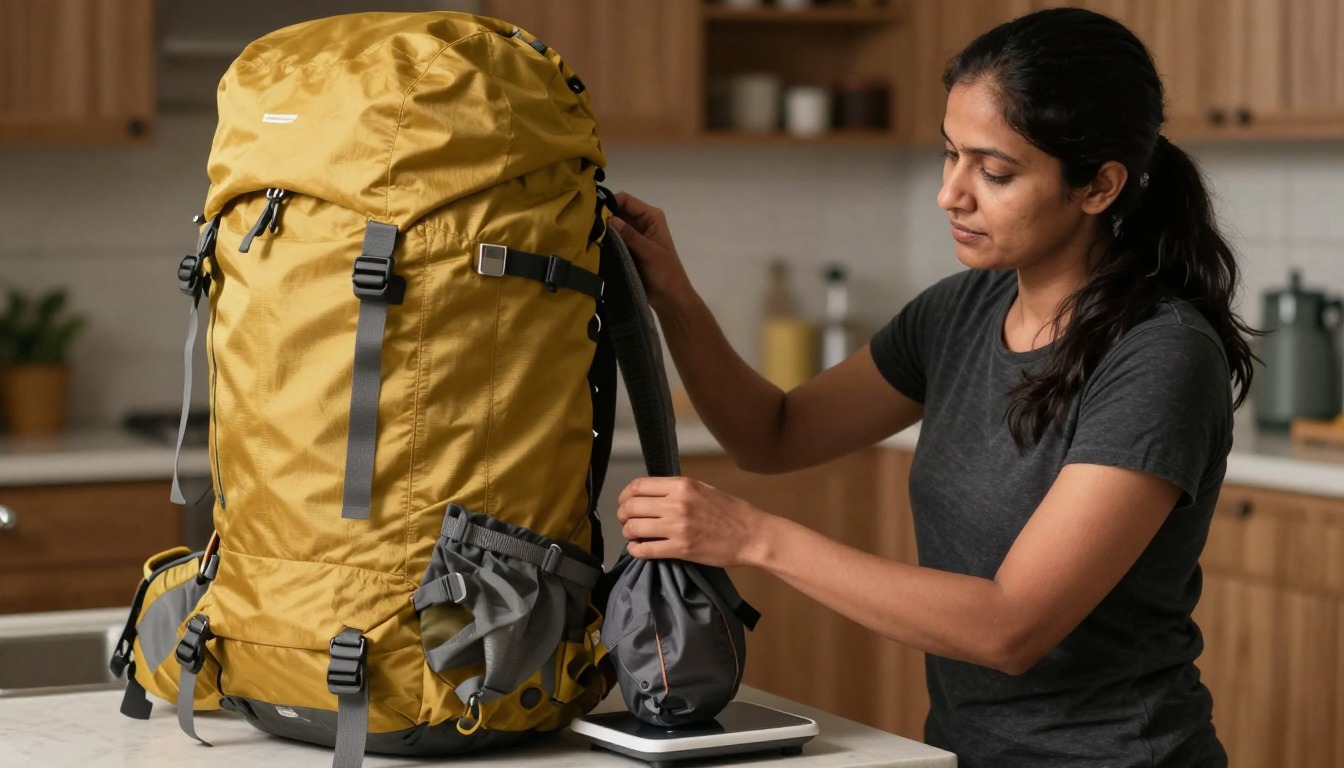


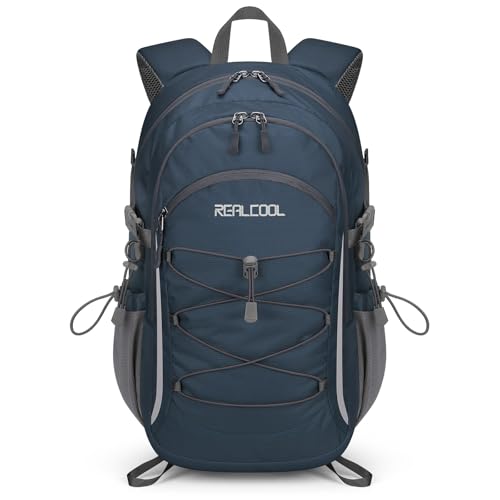


A hut-to-hut packing strategy starts from the standard overnight hike packing list, then removes everything tied to shelter, cooking, and multi-day food, since staffed huts supply those on the route. What's left is a shorter, lighter list built around layers, safety items, and personal comfort rather than self-sufficiency.
What's different about a hut-to-hut packing list?
A hut-to-hut packing list differs from a standard overnight hiking packing list mainly in what it removes: no tent, no sleeping bag, no stove and cookware, and no multi-day food supply, since huts along the route provide beds, meals, and often water. What remains is closer to a long day-hike list repeated over several days.
That shift changes how you think about packing order and priorities. On a standard backpacking trip, the heaviest, bulkiest items, shelter, sleep system, and food, dictate pack size and how everything else fits around them. On a hut-to-hut trip, those anchor items are gone, so the packing list is driven instead by weather variability, hut-specific requirements, and how many days you're stringing together between resupply or laundry opportunities.
What should go in a hut-to-hut pack?
A hut-to-hut pack should hold a rain shell, an insulating layer, a headlamp, a basic first-aid kit, a map or guidebook, and enough snacks and water for each day's walking, plus items specific to the hut network, such as a sleeping bag liner or cash for hut fees.
- Weather protection — a waterproof or water-resistant shell and one warm layer, since alpine and mountain weather shifts quickly.
- Navigation and safety — a map or guidebook, headlamp, and small first-aid kit, even though huts are staffed.
- Hut-specific items — a sleeping bag liner where required, earplugs for dorm rooms, and camp shoes if boots come off indoors.
- Daily food and water — trail snacks and a water bottle or reservoir for the walking portion of each day, not multi-day meals.
- Payment — cash or a card for hut fees, meals, and drinks, since not every hut accepts every payment method.
What can you leave at home?
Leave behind a tent or tarp shelter, a full sleeping bag, a stove and fuel, cookware, and more than a day's worth of food, since huts along the route supply beds, hot meals, and often potable water. A bear canister is also unnecessary on most hut networks.
| Standard Overnight List | Hut-to-Hut Equivalent |
|---|---|
| Tent or tarp shelter | Not needed — hut provides shelter |
| Full sleeping bag | Sleeping bag liner (often required) |
| Stove, fuel, cookware | Not needed — meals served at hut |
| Multi-day food supply | One day's snacks between huts |
| Water filter | Optional, for trailside sources only |
| Bear canister | Not needed |
How much should a hut-to-hut pack weigh?
A fully loaded hut-to-hut pack typically weighs well under the roughly 20%-of-bodyweight guideline used for standard backpacking, since the heaviest gear categories, shelter, sleep system, and food, are largely removed from the list. Most hikers carry closer to what a long day hike requires, plus a few overnight extras.
That lighter load also changes what kind of suspension the pack needs. A hipbelt still carries the majority of a loaded pack's weight, roughly 80% on a well-fitted pack, but a hut-to-hut load rarely needs the heavier internal frame built for a 45–55L multi-day pack. A day-hiking-style pack with a lighter frame or perimeter wire, and a well-ventilated back panel, generally carries a hut-to-hut load comfortably.
How should you organize the pack?
Pack the rain shell and insulating layer near the top or in a quick-access pocket, since weather on hut-to-hut routes, especially above treeline, can change faster than the terrain suggests. Keep the sleeping bag liner, camp shoes, and any hut-specific items lower in the pack, since they're only needed once you reach each hut for the night.