

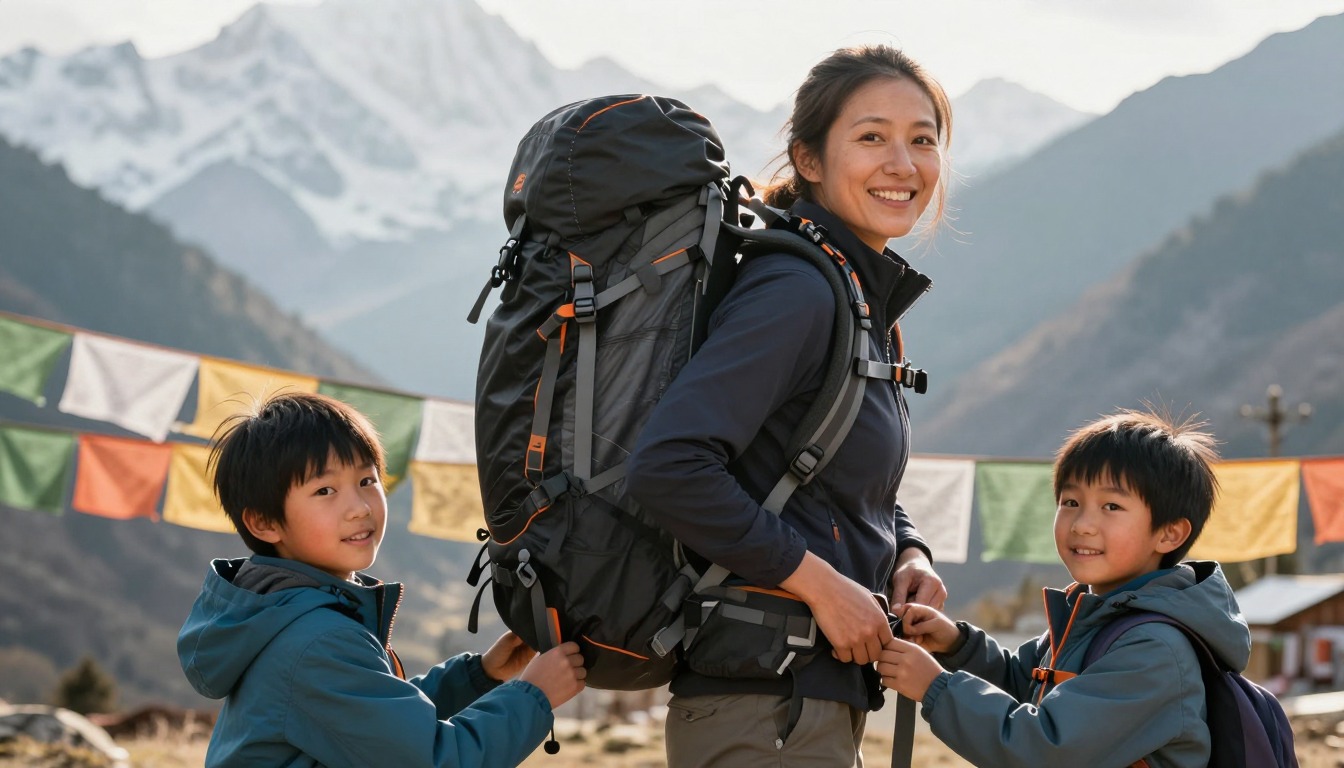


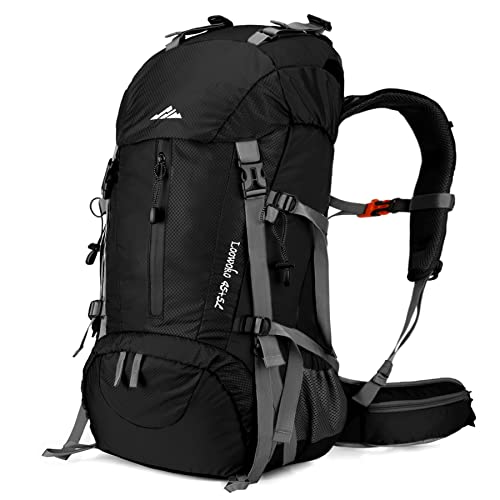


An overnight pack is sized for one to two nights of food and fuel, typically 35–55L, while a multi-day pack is built for three or more nights, typically 55–65L or larger, with a sturdier suspension to carry the added food weight. The core gear list barely changes between the two; food and fuel volume is what actually shifts.
What's the real difference between overnight and multi-day packs?
The frame and fabric on a multi-day pack usually carry more load-bearing structure — aluminum stays or a perimeter wire frame built for a heavier sustained carry — than a lighter-leaning overnight pack designed around one or two nights of food. Shelter, sleep system, and clothing stay almost identical between the two trip types. Food is the variable: at roughly 1.5 to 2.5 lbs per person per day, three extra nights on trail can add 5 to 7 lbs and several liters of volume before any other gear changes.
When does a one-night pack become too small?
A 35–45L overnight pack becomes too small once a trip stretches past two or three nights, since food and fuel for each added day take up volume that a smaller pack's compression straps can't fully absorb once cinched down. Bear-canister trips and cold-weather layers push that limit even sooner, because a rigid canister and bulky insulation don't compress the way soft goods do.
How much more volume does multi-day backpacking actually need?
Each additional night on trail typically adds a few hundred milliliters to roughly a liter of usable pack volume once food, fuel, and any extra layers are accounted for, which is why packs built for four-plus nights commonly run 55–65L rather than the 35–55L range used for overnight and weekend trips.
| Trip Length | Typical Pack Volume | Typical Total Weight |
|---|---|---|
| 1 night | 35–45L | 20–28 lbs |
| 2 nights | 45–55L | 25–33 lbs |
| 3–4 nights | 50–60L | 28–38 lbs |
| 5+ nights | 55–65L+ | 32–45 lbs |
Should you buy one pack for both overnight and multi-day trips?
Hikers whose trips genuinely span both categories face a real trade-off, not an easy answer. A single 55–60L pack loaded lighter for a one-night trip avoids buying two packs, but it means carrying a heavier empty pack and a larger frame on every short trip, including the ones that didn't need the extra room. Owning a dedicated 35–45L overnight pack alongside a larger pack built for multi-day backpacking matches each pack to its trip, at the cost of owning two. For hikers who backpack only a handful of times a year, renting or borrowing extra capacity for the occasional longer trip, while keeping a well-fitted overnight pack for the majority of one- and two-night outings, is often the more practical middle ground.
How to tell which side of the line your next trip falls on
Count nights first, then check for anything that adds bulk regardless of night count: a bear canister, a winter-rated bag, or shared group gear like a stove or water filter. A two-night weekend trip with a standard three-season kit stays comfortably in overnight-pack territory. A three-night trip, or any trip requiring a bear canister, is usually the point where the best backpacks for overnight hiking are no longer the right search — it's time to look at packs sized for multi-day backpacking instead.
Does frame type change along with volume?
Frame type shifts gradually rather than at a single cutoff. Overnight packs at 35–45L range from minimalist frameless designs to standard internal frames, since a light one-night load doesn't demand heavy load support. Multi-day packs at 55L and up are almost always internal-frame, using aluminum stays or a perimeter wire frame, because sustained food weight over several days needs a hipbelt and frame built to transfer that load consistently rather than just on the first day. A pack that feels adequate carrying a light one-night load can feel noticeably undersupported once loaded for four or five nights, even if its liter count technically fits the gear.