
Hut-to-Hut & Lodge Hiking: Complete Guide
Comprehensive technical analysis of sizing, materials, installation requirements, and manufacturer standards for hut-to-hut & lodge hiking.

Recommended Products
See the full ranking →


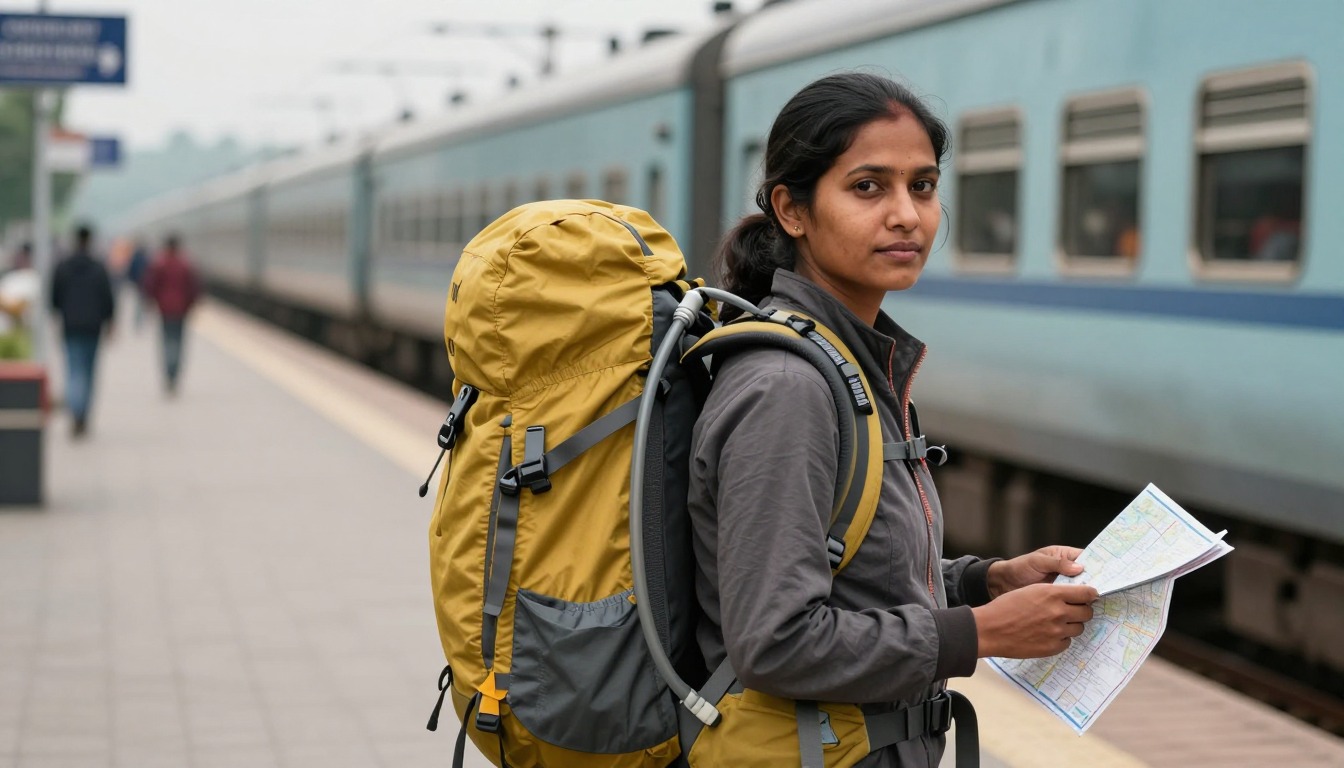
A hut-to-hut pack is a lighter multi-day backpack that skips the shelter and cook system carried on serviced-hut routes. On a hut-to-hut trip, staffed huts, refuges, or backcountry lodges provide a bed and meals each night, so the pack only needs to hold personal gear, layers, and a day's worth of snacks and water rather than a tent, sleeping bag, stove, and several days of food. That shorter gear list is why hut-to-hut packs sit closer in size to a large day-hiking backpack than to a standard multi-day backpacking pack, even on trips that last a week or more. Fit and comfort still matter as much as they do on any overnight trip.
Hut-to-hut hiking is multi-day hiking along a route where staffed huts, refuges, or backcountry lodges provide a bed and meals each night, so hikers don't carry a tent, sleeping bag, stove, or multiple days of food. Only personal gear and daily essentials move between huts, similar to hiking a long trail one day-hike at a time.
Hut-to-hut networks are best known in the European Alps, where routes like the Tour du Mont Blanc and the Dolomites' Alta Via trails link a chain of staffed rifugios or huts a day's walk apart, each offering dorm beds, hot meals, and running water. The US has smaller-scale equivalents, including the Appalachian Mountain Club's hut system in New Hampshire's White Mountains and backcountry lodges in some national parks, where reservations, set meal times, and shared dorm-style sleeping are standard. Hut-to-hut hiking differs from standard multi-day backpacking and thru-hiking in one core way: the hiker never sets up camp or cooks a full meal in the field, which removes the heaviest and bulkiest items from the pack. That's a different planning problem from multi-day backpacking or thru-hiking, where self-sufficiency every night drives pack size and weight.
A hut-to-hut pack typically runs 25 to 40 liters, since it skips a tent, sleeping bag, and cook system. Single-day hut hikes with a light layer list fit in a 20 to 30-liter daypack-style pack, while multi-day hut tours carrying a few clothing changes and a rain shell usually need closer to 30 to 40 liters.
Even without shelter and cook gear, pack volume still depends on trip length and how many hut-to-hut days you're stringing together, plus how much dedicated space you want for camera gear, extra layers, or a change of clothes for the evening. Torso length and hipbelt fit matter just as much at this smaller size as they do on a full 50L backpacking pack; a pack with the wrong torso length rides poorly no matter how light the load is.
| Trip Type | Typical Pack Size | What Fills It |
|---|---|---|
| Single hut-to-hut day | 20–30L | Rain shell, snacks, water, layers |
| 3–5 night hut tour | 30–40L | Above, plus a clothing change, liner, toiletries |
| Standard multi-day backpacking | 45–55L | Tent, sleeping bag, stove, multi-day food |
Because the size band overlaps with a large day-hiking backpack, many hut-to-hut hikers reach for the same packs covered under 25–35L packs, or even daypacks under 25L, rather than a dedicated overnight pack built around a heavier standard gear list.
Hut-to-hut hikers skip a tent or tarp shelter, a full sleeping bag, a stove and cook system, and a multi-day food supply, since huts provide beds, meals, and often potable water. Many hut networks also make a bear canister and heavy insulated layers unnecessary, since the hut itself is the overnight shelter.
Comparing a hut-to-hut list against a standard overnight hiking packing list shows how much weight and volume the hut network removes:
- Shelter — no tent, tarp, or stakes; the hut is the shelter.
- Sleep system — no full sleeping bag in most cases; many huts instead require a lightweight sleeping bag liner for hygiene.
- Cooking — no stove, fuel, or cookware; meals are served or purchased at the hut.
- Food — no multi-day food supply; pack only trail snacks and water for the walking portion of each day.
- Water treatment — often reduced, though a filter or purification tablets are still worth carrying for water sources between huts.
- Bear canister — not needed on hut routes, since food isn't stored or cooked in the backcountry.
Packing for hut-to-hut routes prioritizes a rain shell, an insulating layer, a headlamp, basic toiletries, a sleeping bag liner where huts require one, and cash or a card for hut fees and meals, since the shelter and food itself are provided. Lightweight camp shoes are useful at huts that ask guests to remove hiking boots indoors.
Ventilated day-hiking packs in the 30–40L range, such as the Osprey Stratos and Sirrus, the Osprey Kyte and Kestrel, the Gregory Zulu and Jade, and the Deuter Speed Lite, suit hut-to-hut trips well, since the days are about daily comfort and quick access rather than heavy load carrying. Hikers combining a hut tour with international travel often pair one of these packs with the kind of crossover gear covered under travel and hiking hybrid packs.
Go Deeper
Detailed companion guides for hut-to-hut & lodge hiking.
Best Hut-To-Hut Hiking Backpacks
Buyer's guide: best backpack for hut to hut hiking.
Hut-to-Hut Packing Strategy
How a hut-to-hut packing strategy differs from a standard overnight hiking packing list — what to pack, what to skip, and how much it should weigh.
Day-Hiking Backpacks
Related backpacks by activity guide.
Overnight & Weekend Backpacking
Related backpacks by activity guide.