

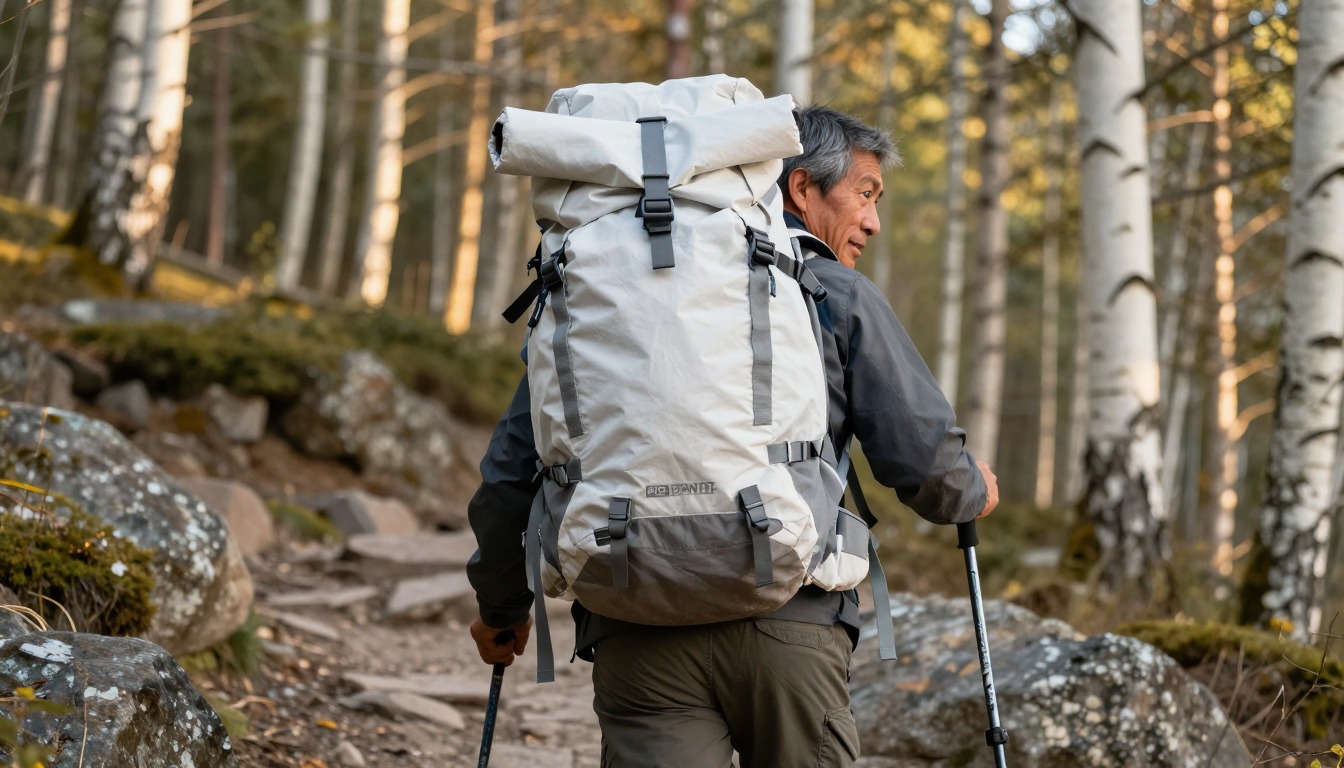


Kelty backpacks are worth it for hikers who want an internal-frame pack with a genuinely adjustable suspension, built by a brand with decades of frame-design history, without paying premium-brand prices.
What do you get for the lower price?
Buying a Kelty pack over a premium equivalent means accepting heavier mid-weight fabric, a narrower size-tuning range, and less ventilated back panels rather than trampoline mesh. None of these trade-offs affect basic load-carrying safety — a correctly fitted Kelty pack still lets the hipbelt carry roughly 80% of total weight, following the same 20%-of-bodyweight load guideline that applies across every hiking-backpack brand.
Where does Kelty's history matter?
Kelty's history matters because the brand's founder, Dick Kelty, is widely credited with popularizing the external-frame backpack in the 1950s, a design shift that shaped how modern hiking packs distribute load. That heritage doesn't make current Kelty packs inherently better than competitors, but it does mean the brand has decades of frame-design experience behind its current internal-frame lines like the Coyote and Asher.
Who gets the most value from a Kelty pack?
Hikers planning multi-day or extended trips, who want an adjustable torso suspension without paying premium prices, get the clearest value from Kelty's current lineup. Occasional day hikers or hikers needing only a small daypack are usually better served looking elsewhere, since Kelty's core backpacking lines are sized for multi-day loads rather than single-day use.
How does Kelty compare to an even cheaper option like TETON Sports?
TETON Sports typically prices below Kelty while offering similar internal-frame construction and adjustable straps, making it a reasonable alternative for the tightest budgets or a first pack meant to test whether backpacking becomes a regular habit. Kelty generally offers a longer track record and a broader support and repair history, which can matter for hikers planning to keep and use a pack for many years.
A hiker deciding between Kelty, TETON, and premium brands should prioritize correct torso fit and realistic capacity needs first, since no brand's suspension design fixes a pack that's the wrong size for the trip or the hiker.