

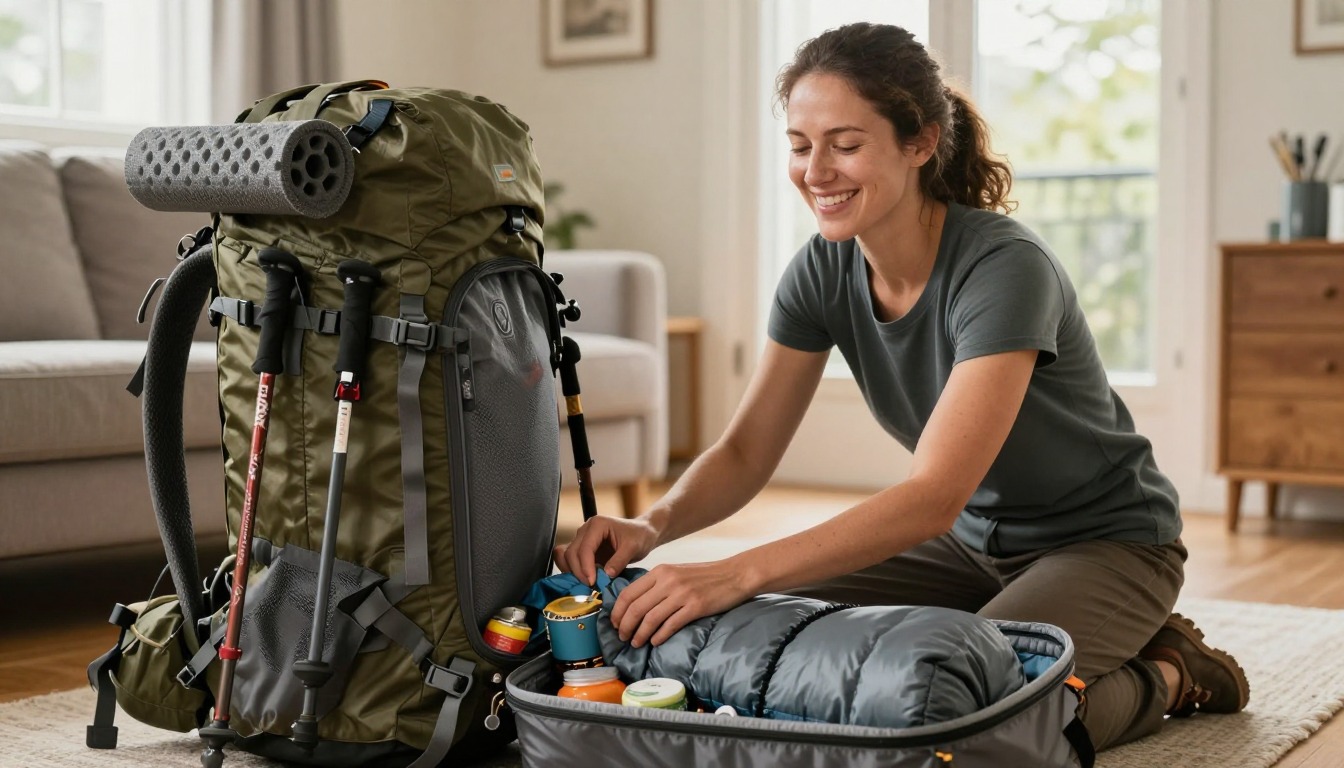


An REI Co-op backpack is worth it when a hiker values solid, field-tested suspension design at a price below comparable boutique brands, and doesn't mind buying primarily through REI's own stores and website rather than across multiple retailers.
What do you get for the lower price?
REI Co-op packs use broadly similar frame and suspension concepts to premium brands like Osprey and Gregory — an adjustable torso system, a padded hipbelt designed to carry most of the load, and an internal frame — at pricing that generally sits below those brands' equivalents. The savings come from REI's in-house design and distribution model rather than from cutting basic load-carrying performance.
What's the trade-off?
The main trade-off is availability rather than quality: REI Co-op gear is sold almost exclusively through REI, so it can't be compared side-by-side across other outdoor retailers or picked up secondhand as easily as more widely distributed brands. Model-specific trade-offs also apply — the Flash line saves weight with a roll-top closure and lighter frame, while the Traverse line adds weight for more structure and storage, so "worth it" depends partly on which model matches the trip.
Does REI's return policy change the calculation?
Yes, for co-op members. REI backs most gear, including its own Co-op packs, with a member satisfaction guarantee allowing returns within a set window — historically about a year — with proof of purchase, plus a smaller return window for non-members. Combined with the annual member dividend, this support structure lowers the risk of buying the wrong size or model on a first purchase compared to a standard 30-day retail return window.