

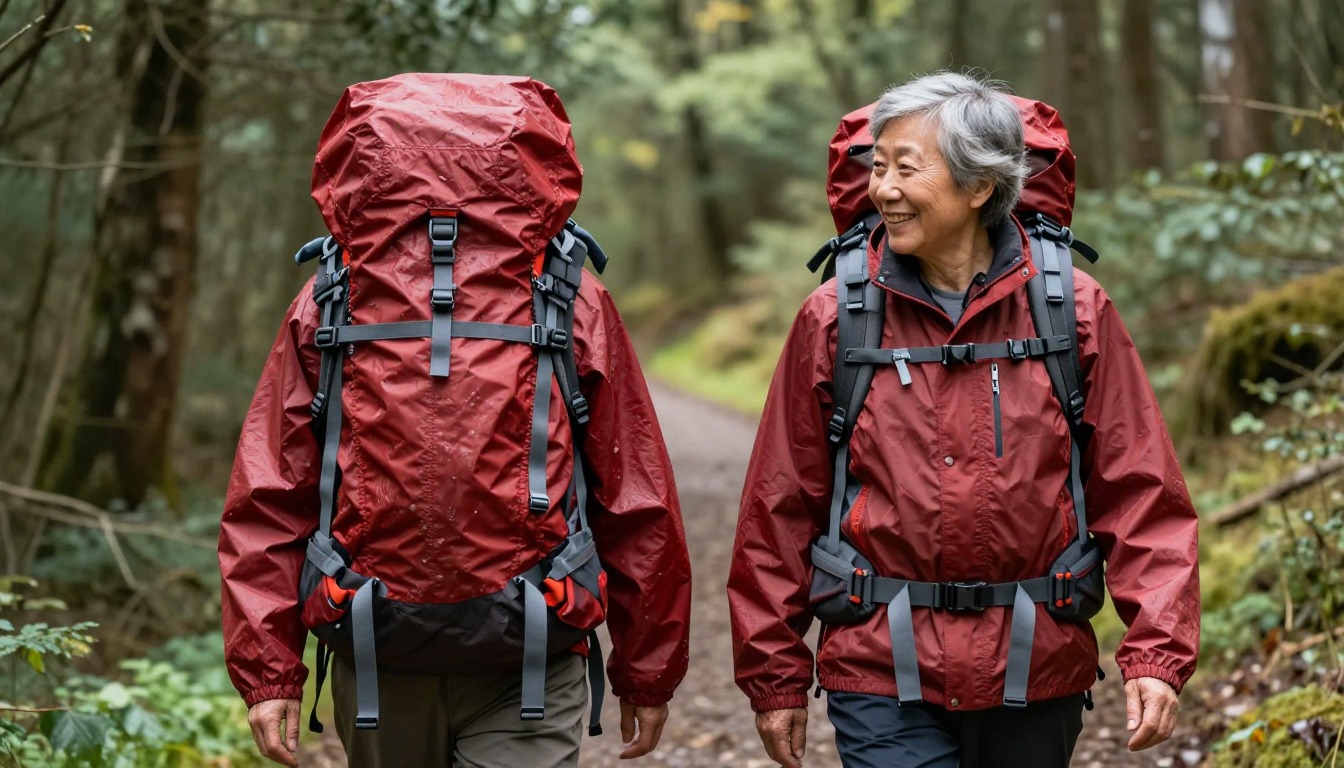


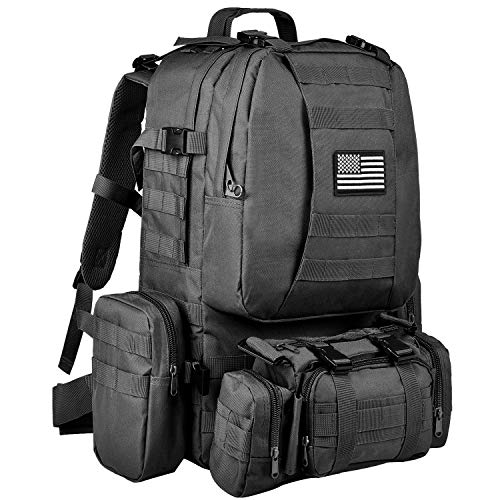


A backpack's brain is the top lid pocket, positioned above the main compartment and usually the last thing packed before a hike. The name comes from its position at the top of the pack, mirroring a head sitting above a body, and its role storing small items a hiker needs to reach quickly.
What does "brain" mean on a backpack?
A backpack's brain is the top lid pocket, positioned above the main compartment and typically the last section packed before setting out. It earns the name from sitting at the top of the pack the way a head sits above a body, and it holds items a hiker needs to reach fast.
The brain sits above the main compartment, either sewn permanently in place or attached with straps and side-release buckles that let it detach. On packs where the brain is fixed, it still floats slightly on straps to accommodate an overstuffed main compartment underneath. On packs where the brain detaches, it usually does so via two or four buckles connecting it to the pack body.
Not every hiking backpack has a brain. Roll-top ultralight packs, including many models from Hyperlite Mountain Gear and Gossamer Gear, replace the brain with a simple roll-top closure and rely on a large stretch front pocket instead. This trade-off saves weight and simplifies the pack's design, though it moves some storage responsibility onto the front pocket and side pockets.
What do hikers keep in the brain?
Hikers typically keep small, frequently needed items in the brain: a first-aid kit, a headlamp, sunscreen, a map or permit, snacks, and sometimes a rain cover for the whole pack. Items that need to be reached quickly, without digging into the main compartment, belong in the brain rather than deeper storage.
A dedicated key clip or small zippered mesh pocket inside the brain is common on many packs, keeping keys, a wallet, or a phone from sliding around loose with bulkier items like a first-aid kit. Some brains include a separate pocket specifically sized for a rain cover, which stores the cover compressed and ready without taking up space meant for other gear.
Packing the brain last, right before closing up at the trailhead, is a common habit among experienced backpackers, since it means the most recently needed items end up on top and most accessible.
Is a detachable brain worth it?
A detachable brain is worth it for hikers who use it as a lumbar pack or summit pack on day trips from a basecamp, since the feature adds real function beyond storage. For hikers who never remove the brain from the main pack, the extra straps and buckles mostly add weight without adding benefit.
Packs like the Osprey Aether and Ariel AG series and the Gregory Baltoro and Deva build their detachable brain to clip directly onto the hipbelt or a separate waist strap, turning it into a functional lumbar pack for day hikes from camp. This design suits basecamp trips, peak-bagging from a high camp, and multi-day trips where a hiker wants the option to explore without the full loaded pack.
Hikers focused on minimizing weight, including most thru-hikers and fastpackers, often prefer a fixed or absent brain instead. A fixed brain saves the weight of the detachment hardware while still providing top storage, and a pack with no brain at all, relying on a roll-top closure and a stretch front pocket for organization, saves the most weight of the three options.
Weight difference between the three approaches is usually modest but real. A detachable brain with its waist strap and buckles typically adds several ounces over a simple fixed lid, and dropping the lid entirely in favor of a roll-top closure saves close to that same amount again, which matters most on trips measured in hundreds of trail miles rather than a single weekend.