





Internal-frame and external-frame backpacks split on where the structure sits relative to your back, and that single difference cascades into balance, ventilation, and load-hauling capability. Choosing between them comes down to terrain and what you're carrying, not one frame being universally better.
Which frame type balances better on uneven terrain?
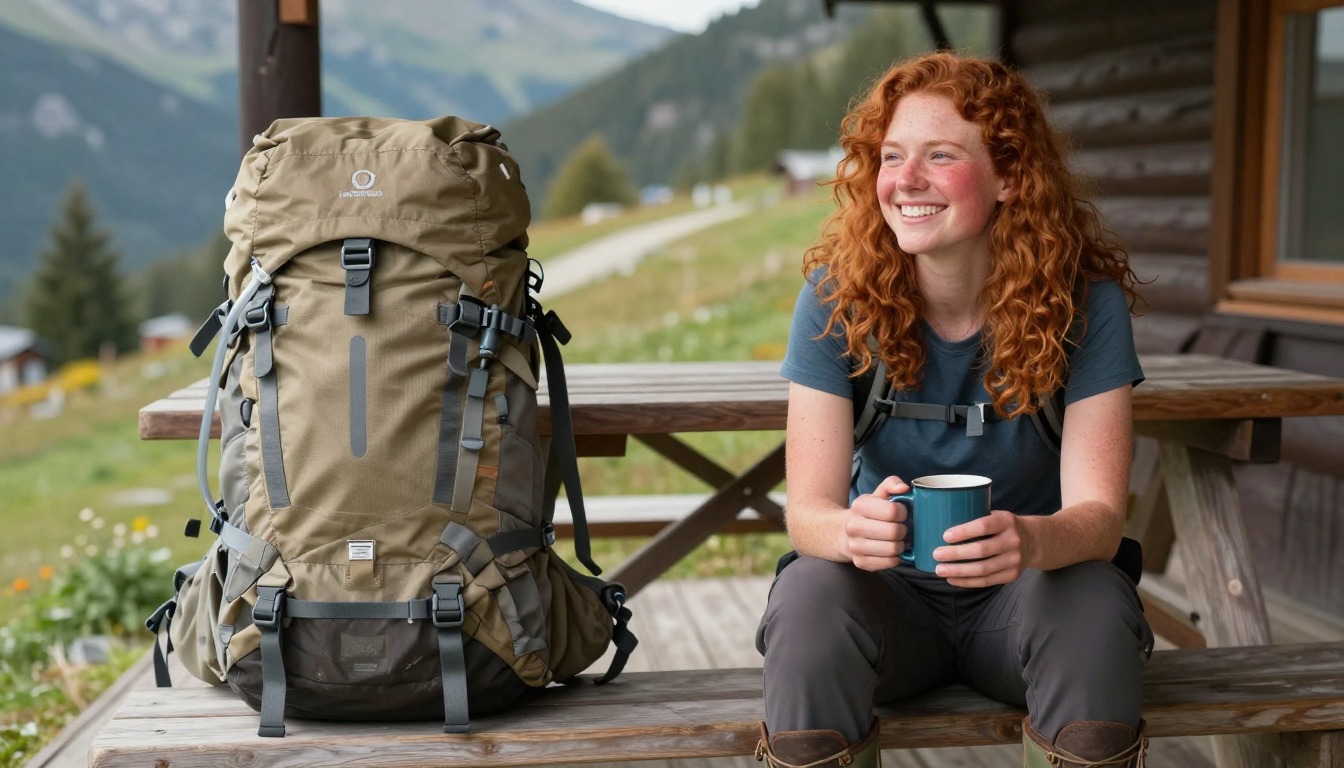
Internal-frame packs balance better on uneven terrain because their stays sit close to the spine, keeping the load's center of gravity near the hiker's own center of gravity. On talus fields, stream crossings, exposed ridgelines and brushy off-trail routes, a pack that moves with the hiker's body rather than swinging on a rigid external frame reduces the chance of a stumble turning into a fall.
External-frame packs sit higher and farther from the back, which raises the load's center of gravity and makes the pack more prone to shifting side to side on technical terrain. The rigid frame can also catch on low branches or rock features in tight terrain, an issue internal-frame packs mostly avoid because their profile stays narrow and close to the body.
Which frame type carries heavy or irregular loads better?
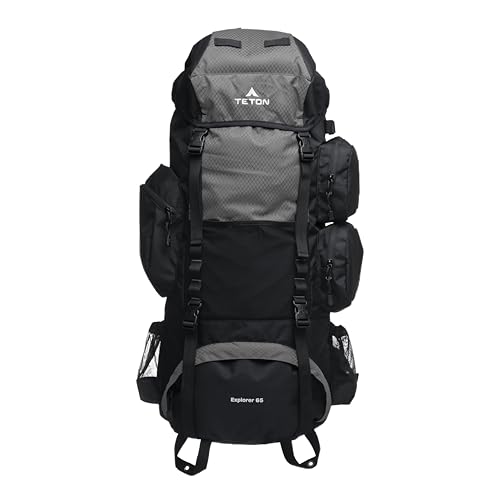
External-frame packs generally handle heavy or irregular loads better because the rigid tube frame provides a stable platform independent of the pack bag's shape. Hunters hauling a game quarter, campers moving a cooler, or anyone strapping an oddly shaped item to the outside of the pack benefit from a frame that holds its shape regardless of what's lashed to it.
Internal-frame packs can carry substantial weight too — reinforced expedition and hauling packs from brands like Gregory and Mystery Ranch are built to carry loads comparable to external-frame packs — but they distribute that weight through a frame sheet and stays embedded in a soft pack body, which handles a well-packed, evenly distributed load better than an odd-shaped one lashed to the outside.
Which frame type has better back ventilation?
External-frame packs offer better back ventilation because the rigid frame holds the pack bag away from the hiker's back, leaving a gap for air to move through. On hot-weather hikes, this gap noticeably reduces the sweaty-back feeling that comes with a pack pressed flush against you for hours.
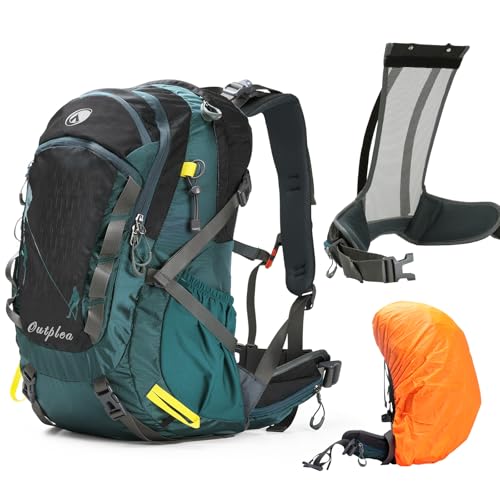
Internal-frame packs sit closer to the back by design, which limits airflow, but many modern models close some of that gap with a tensioned mesh back panel — Osprey's Anti-Gravity suspension and Gregory's suspended mesh systems are examples — that holds the pack body slightly off the back similar in effect to an external frame, without giving up the internal frame's balance advantage.
Is one frame type lighter than the other?
Internal-frame packs are typically lighter than external-frame packs of similar capacity, since aluminum stays and a frame sheet embedded in a fitted pack body generally weigh less than a full external tube frame plus the pack bag that hangs from it. Empty weights commonly run roughly 3 to 5 pounds for internal-frame packs versus roughly 4 to 6 pounds for external-frame packs in comparable capacities, though specific models vary with materials and features.
Can you find a hybrid of the two?
A small number of packs blend elements of both frame types, most often by exposing part of a rigid frame for load-hauling strength while keeping the pack body close to the back for balance — a design approach common in hunting- and expedition-focused packs that need to haul heavy, irregular loads without sacrificing off-trail stability. These hybrids remain a niche category next to the mainstream internal-frame pack and the traditional external-frame pack.
Which frame type should a beginner hiker choose?
A beginner hiker doing day hikes and standard weekend backpacking trips should choose an internal-frame pack, since it's the versatile default that performs well on both maintained trails and rougher terrain without specialized knowledge of load-hauling technique. External-frame packs reward a narrower use case — hauling heavy, irregular loads on established trails — that most new hikers won't encounter until they take up activities like backcountry hunting or heavy-gear group camping.