




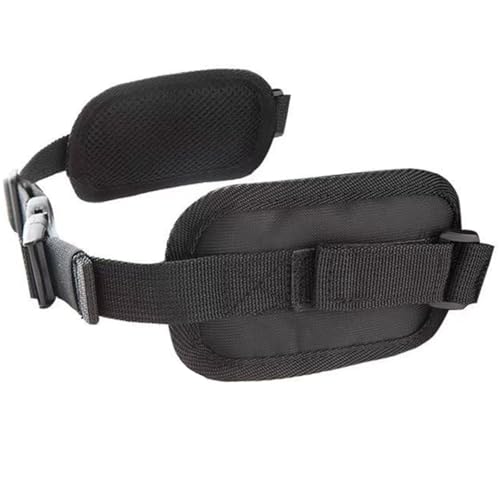
Measuring hip size for a backpack means finding the circumference around the iliac crest — the bony ridge at the top of the pelvis — not around the waistline or belly, since that ridge is where a hipbelt actually rests and transfers load. Getting this measurement right, separately from torso length, is what lets a hipbelt sit correctly and do its job of carrying the bulk of a loaded pack's weight.
How do I measure my hip size for a backpack?
Wrap a soft tape measure around the top of the hip bones, roughly level with the belly button on most people, and read the circumference where the tape sits snugly without compressing skin. This is different from a clothing hip measurement, which is usually taken around the widest point of the hips and glutes lower down. Take the measurement standing upright, wearing normal hiking layers, and note the number in inches, since most US backpack brands size hipbelts in inches rather than centimeters.
Where exactly is the iliac crest?
The iliac crest is the ridge you can feel by placing your hands on your hips with thumbs forward — it's the bony edge just below where a belt buckle typically sits, not the softer tissue below it. Finding it precisely matters because a hipbelt positioned even an inch too high or too low changes how much weight transfers to the skeleton versus how much stays on the shoulders or slides down onto the thighs.
A quick way to locate it: stand straight, press fingers into your side just above your hip pockets, and slide down until you feel a distinct bony edge. That edge — not the belt line of your pants — is where the top of a hipbelt's padding should sit once buckled.
How do hipbelt size charts work?
Backpack brands typically publish hipbelt size charts as inch ranges tied to labels like small, medium, and large, and a hiker matches their measured hip circumference to the range that contains it. These charts are separate from the pack's torso-length sizing, which is usually listed alongside as its own set of ranges. A useful habit: measure both torso length and hip circumference before shopping, then check both numbers against a brand's chart rather than assuming a shirt or pant size will translate.
| Measurement | What it determines | Typical range labels |
|---|---|---|
| Torso length (C7 to iliac crest) | Back-panel size | XS/S/M/L or numeric inches |
| Hip circumference (around iliac crest) | Hipbelt size | S/M/L or numeric inches |
| Waist (clothing size) | Not used for pack fit | N/A |
What if my torso and hip sizes don't match?
If your torso length and hip circumference fall into different relative size categories — a long torso with a smaller hip circumference, for example — look for a pack with interchangeable or swappable hipbelts, since those let the back panel and belt be sized independently. Packs with a single fixed hipbelt sewn to one size range force a compromise, which can leave the belt riding slightly high, low, or loose even when the torso fit is correct.
Some brands address this with adjustable hipbelt wings that slide along a webbing track, giving a moderate range of fit without needing a fully swappable belt. This works for hikers whose torso and hip measurements are close but not identical; it doesn't fully substitute for a swappable system when the mismatch is significant. Trying a pack on with a loaded weight close to a real trip load is the most reliable way to confirm fit, since an empty pack's hipbelt can feel correct even when it wouldn't transfer load properly once loaded.