




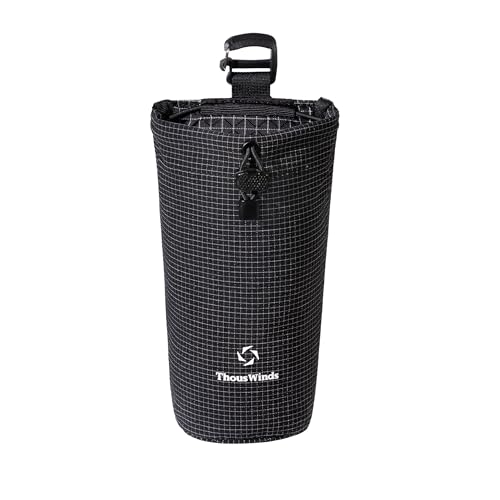

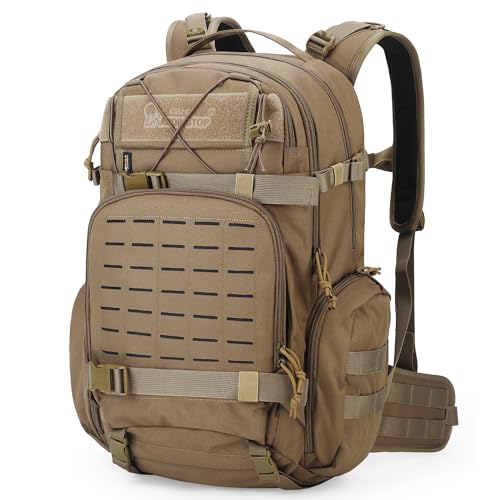

Dyneema, nylon, and Cordura solve the same problem — keeping gear contained and protected — with different trade-offs between weight, cost, and toughness, and the right choice depends on which of those three a hiker is least willing to compromise on.
How is Dyneema Composite Fabric built?
Dyneema Composite Fabric (DCF) is a laminate, not a woven textile: a grid of ultra-high-molecular-weight polyethylene (UHMWPE) fibers is sandwiched between thin polyester film layers and bonded with adhesive, rather than woven on a loom like nylon or Cordura. That construction is why DCF doesn't stretch under load and doesn't absorb water — the fiber grid carries tension in straight lines instead of the interlocking over-under pattern a woven fabric uses, and the polyethylene fiber itself is naturally hydrophobic. It's also why a sharp puncture is DCF's main weak point: a woven fabric's crossing threads help contain a small cut, while a laminate can propagate a tear from a puncture point if the film delaminates. Newer hybrid Dyneema fabrics, sold under names like Ultra, address this by weaving a Dyneema-fiber grid into a face fabric (often nylon or polyester) rather than laminating a pure fiber grid between films, trading a small weight increase for a more sewable, more puncture-tolerant face.
What makes Cordura different from standard nylon?
Cordura is a branded family of nylon-based fabrics engineered specifically for abrasion resistance, using higher-tenacity yarns and denser weaves than typical off-the-shelf nylon at the same denier. It's most often nylon 6,6, though Cordura also produces polyester and recycled-content variants for pack makers prioritizing sustainability claims over the exact fiber. Because it's a performance tier within nylon rather than a separate material class, a Cordura panel and a standard nylon panel share the same basic water behavior — both absorb a small amount of moisture into the fiber and rely on a PU or silicone coating for rain resistance. The difference shows up in wear: a Cordura pack bottom dragged over granite for a season shows measurably less fuzzing and thread-breakage than a standard nylon bottom of the same denier, which is why many otherwise-nylon packs use Cordura selectively on the base and lower side panels rather than the whole body.
Why does DCF cost more than nylon or Cordura?
DCF costs more because the lamination process and the UHMWPE fiber itself are more expensive to produce than woven nylon, and pack makers that use it — Hyperlite Mountain Gear, Zpacks, Mountain Laurel Designs — typically build in smaller batches with more hand-sewing than mass-market nylon pack manufacturing allows. The fabric's own material cost, combined with lower production volume, keeps DCF packs at a premium price tier relative to comparable-capacity nylon or Cordura packs. That premium buys weight savings that matter most to hikers already optimizing a low base weight — thru-hikers and fastpackers — and matters less to a weekend hiker for whom an extra half-pound of pack weight is a rounding error against total pack weight.
Which fabric should most hikers choose?
Standard nylon suits hikers who want a durable, widely available, moderately priced pack and don't need to shave every ounce; it's the default for a reason, and most reputable pack brands have refined their nylon builds over years of iteration. Cordura suits hikers who bushwhack, scramble, or otherwise abrade their pack against rock and brush regularly and want extra life in the high-wear zones without switching fabric families entirely. DCF suits hikers already counting ounces elsewhere in their kit — typically those with a sub-15-pound base weight — who are willing to pay a premium and handle their gear carefully to avoid puncture damage. None of the three is objectively "best"; each answers a different question about what a hiker is optimizing for on a given trip.