

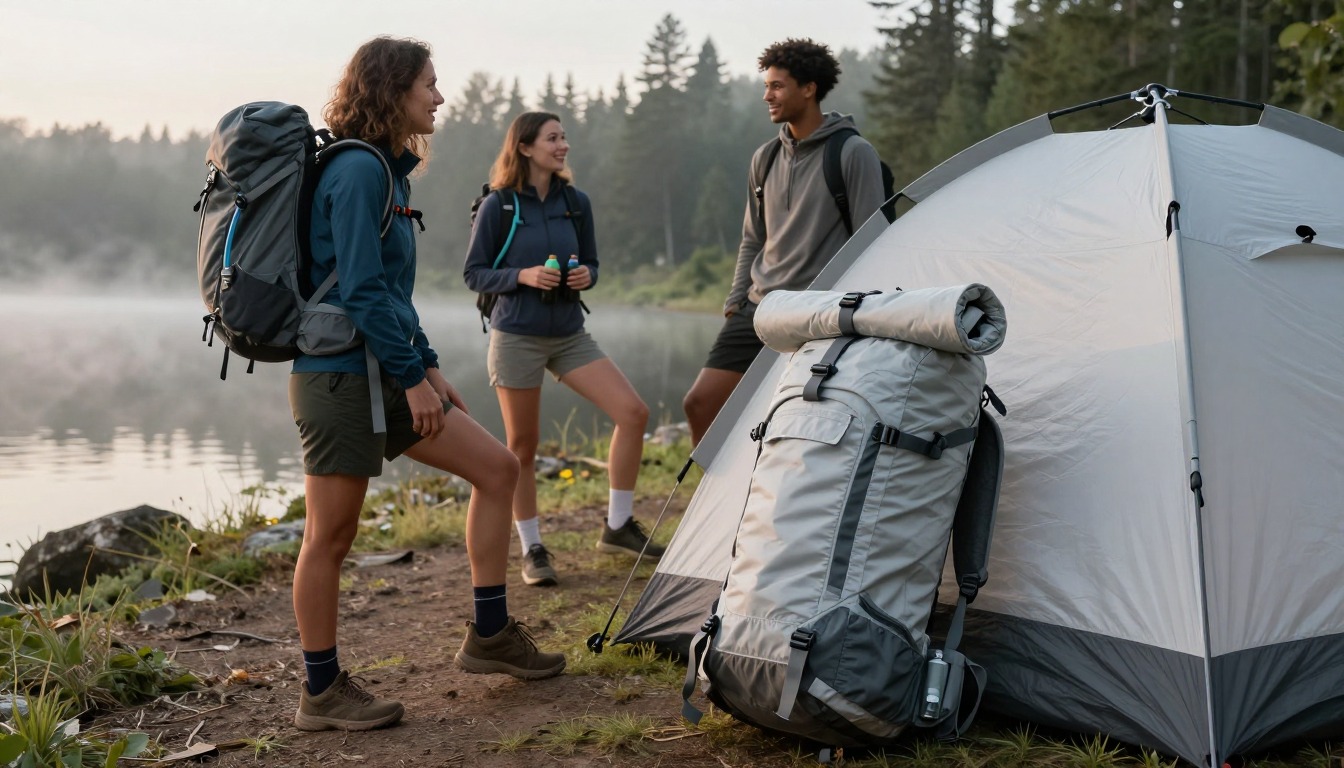

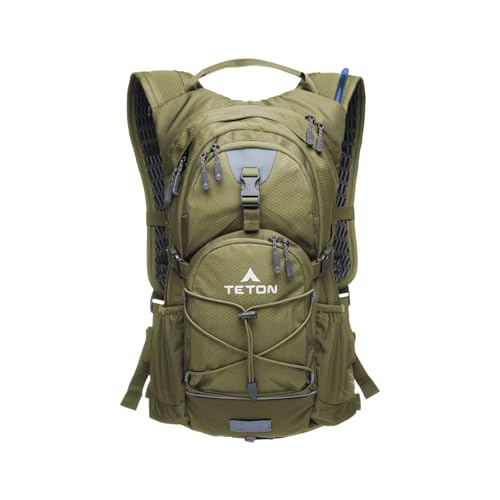

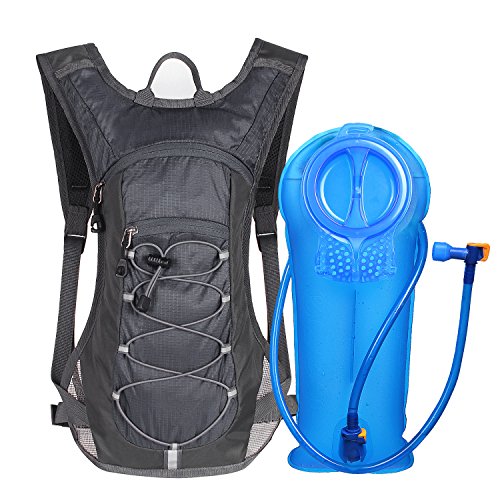


A hydration bladder suits hikers who want hands-free sipping on the move, while water bottles suit hikers who want fast refills and a clear view of how much water is left. The right pick depends on trip pace, terrain, and how often the route crosses a water source.
Hydration bladder or water bottles: which is better for hiking?
Neither system is better outright — a bladder wins for continuous movement and technical terrain where stopping is inconvenient, while bottles win for short hikes, frequent refills, and simple gear that's easy to check at a glance. Many hikers run both: a reservoir for steady sipping plus one bottle as backup or for mixing electrolytes.
A bladder's drink tube and bite valve let a hiker take small, frequent sips without breaking stride, which keeps hydration steady rather than encouraging the large, infrequent gulps that happen when digging a bottle out of a pocket. That steady intake pattern matters most on long climbs or exposed sections where stopping costs time or breaks momentum on a scramble.
Bottles, by contrast, are simpler mechanically — there's no hose to route, no bite valve to maintain, and no risk of a reservoir leaking inside the main compartment. A hiker can also mix a sports drink or electrolyte tablet in a bottle far more easily than in a bladder, since bladders are harder to clean thoroughly and manufacturers generally advise against sugary or flavored mixes that can breed bacteria in the bag.
How much weight does a hydration bladder add?
A hydration bladder itself, empty, typically weighs 130 to 180 grams (about 4.5 to 6.5 ounces) including the hose and bite valve, which is roughly comparable to one empty hard-sided water bottle. The real weight difference shows up when full: a 3-liter reservoir holds about 6.6 pounds of water, the same weight as three 1-liter bottles, so total carried weight is nearly identical between the two systems at equal volume.
Where the systems diverge is in how that weight sits on the body. A reservoir centered in a rear sleeve keeps water weight close to the spine and evenly distributed. Bottles carried in side pockets sit slightly off-center and, if only one side is full, can create a mild side-to-side imbalance — a reason many hikers alternate which pocket they refill from first.
Can you use both a bladder and bottles on the same pack?
Yes — most hiking backpacks with a hydration sleeve also include at least one or two mesh side or hipbelt bottle pockets, so combining both systems is standard rather than an exception. A common setup pairs a 2-liter reservoir for steady sipping with one 1-liter bottle held in reserve or dedicated to electrolyte mixes and filtered water.
- Reservoir: primary hydration for continuous sipping on the move
- Side or hipbelt bottle: backup supply, electrolyte mixing, or quick access without opening the pack
- Front or shoulder-strap bottle pocket: fastest access for a quick sip while walking
Which is easier to clean and maintain on trail?
Bottles are easier to clean and maintain: a wide-mouth bottle can be scrubbed with a brush and rinsed in seconds, while a bladder's narrow hose and bite valve need a dedicated cleaning kit or repeated flushing to prevent mold and buildup after multi-day use. Reservoirs left even slightly damp inside a warm pack are prone to developing an off taste or mildew smell within a few days.
Multi-day hikers who carry a reservoir generally rinse it each evening, hang it to air-dry when possible, and periodically run a diluted cleaning solution through the hose. Bottle-only setups avoid that maintenance step entirely, which is one reason ultralight and fastpacking setups often favor bottles over a full bladder system.