
Best Cordura Backpack
Best Cordura Backpack, ranked from aggregated owner ratings and reviews, not first-hand testing. Real pros, cons, and who each pick is best for.

Affiliate disclosure: this page contains affiliate links. Purchases made through them may earn us a commission at no extra cost to you. See our affiliate disclosure.
In plain English
Cordura is a brand name for tough fabric, most often a kind of nylon. You'll see it on packs meant to be dragged over rocks, thrown in truck beds or pushed through thick brush.
A number with a D, like 500D or 1000D, usually appears next to the name. That number describes how thick and heavy the threads are. Bigger numbers mean heavier threads, which usually means a heavier, stiffer fabric, a bit like the difference between a T-shirt and canvas work pants.
Tough fabric is not the same as waterproof fabric. Cordura keeps out scrapes, not rain. Whether your gear stays dry depends on the coating on the inside of the fabric, how the seams are sewn and whether you use a rain cover or a waterproof liner bag.

Our Top 3 Picks
Quick Comparison
| Shell | Extras | Buy | ||||
|---|---|---|---|---|---|---|
| 1 | Mardingtop 35L Molle Tactical Military Backpack for Men,Cordura BackpackTop Overall Pick | 35 L | 3.5 lb | 915D Cordura nylon | Hydration | View |
| 2 | Mardingtop 30L Molle Military BackpackBest Hydration Pack | 5–30 L | 3.3 lb | 915D Cordura nylon | Hydration | View |
Choosing the best Cordura backpack means understanding that "Cordura" describes a family of abrasion-resistant nylon fabrics, not one fixed specification, so two Cordura packs can differ meaningfully in weight, denier, and where the fabric is actually used on the pack.
What makes a fabric "Cordura" rather than just nylon?
Cordura is a branded fabric family, most commonly built on nylon 6,6, engineered with higher-tenacity yarns and tighter, more consistent weaves than generic off-the-shelf nylon at a comparable denier. The brand licenses its fabric to pack manufacturers, so a Cordura label indicates the fabric passed a specific durability standard rather than describing a single weight or weave. Some Cordura fabrics are ripstop (with a reinforcing grid thread), others are plain weave; some are pure nylon 6,6, others blend in recycled content or polyester. Checking the specific Cordura variant a pack uses matters more than trusting the name alone.
Full-body Cordura vs. Cordura reinforcement panels
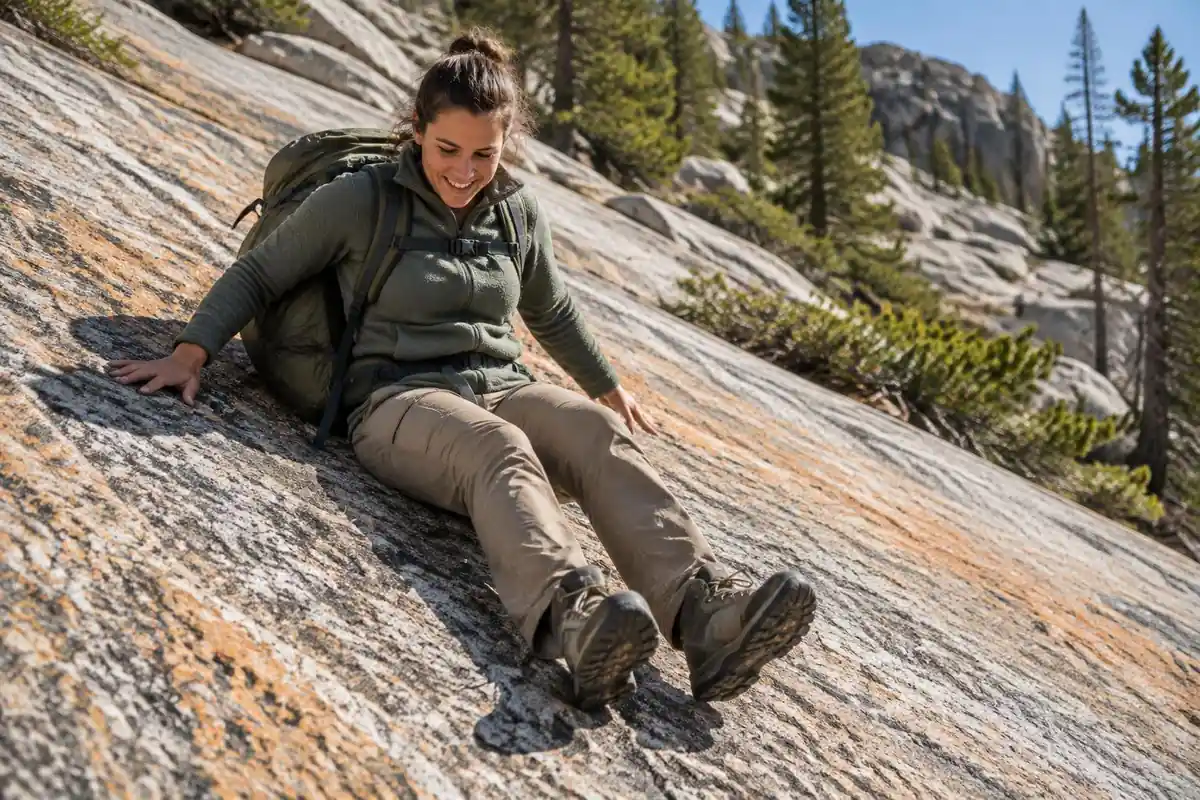
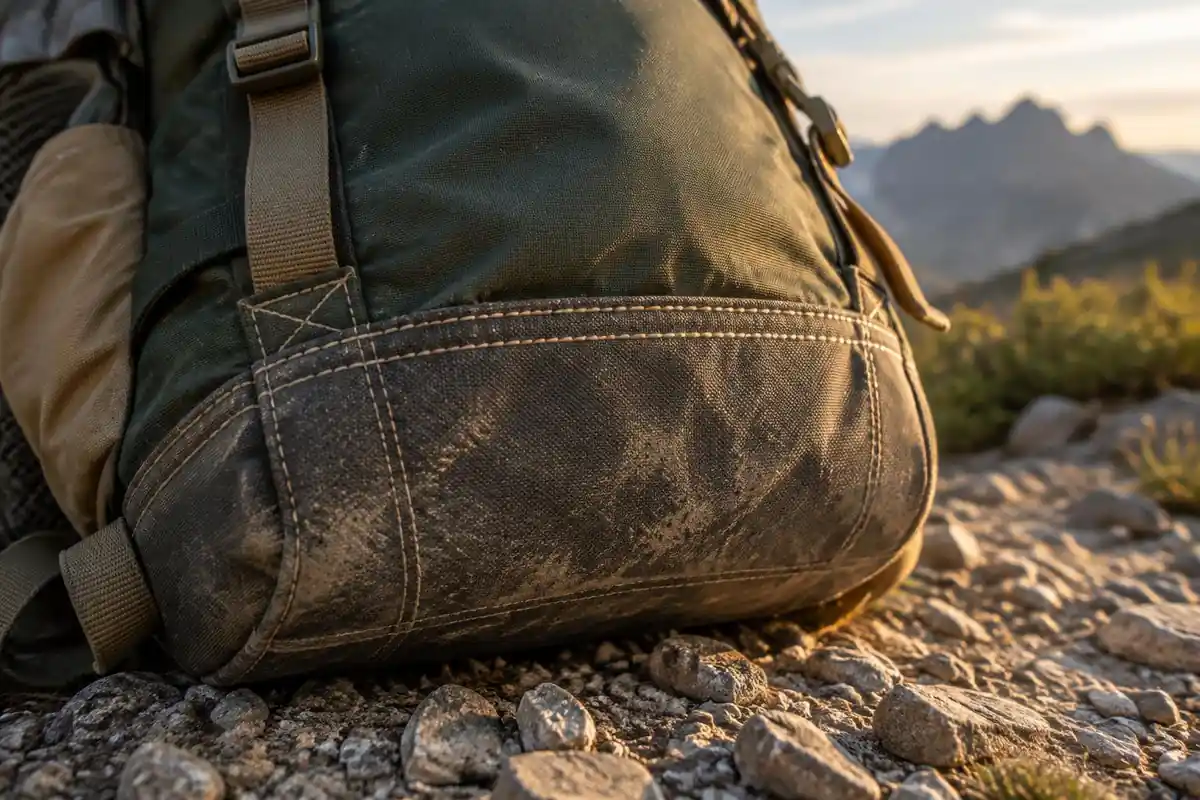
Some packs build the entire body from Cordura, prioritizing durability everywhere over minimizing weight. Others use standard nylon for the main body and add Cordura only at high-wear points — the pack bottom, lower side panels, and areas near buckles and straps that see the most friction — as a middle ground between weight and toughness. A full-Cordura pack costs more and weighs more than the same design in standard nylon, so the reinforcement-panel approach is common on packs where keeping overall weight down still matters, while full-body Cordura shows up more on packs built for bushwhacking, hunting, or heavy-load carrying where durability everywhere outweighs weight concerns.
How does Cordura compare to a coated standard nylon?
Cordura and standard nylon share the same basic water behavior — both fibers absorb a small amount of moisture and rely on a PU or silicone coating for rain resistance — so choosing Cordura doesn't improve waterproofing over standard nylon at the same denier and coating. The difference is abrasion resistance: a Cordura panel dragged over rock or brush repeatedly shows less fuzzing, thread-breakage, and pilling than a standard nylon panel of the same denier, because of the higher-tenacity yarn and tighter weave. If waterproofing is the priority rather than abrasion resistance, the coating and seam construction matter more than whether the base fabric is Cordura or standard nylon.
Who should choose Cordura over nylon or Dyneema?
Cordura suits hikers who regularly abrade their pack against rock, brush, or gear — scramblers, off-trail bushwhackers, hunters dragging packs through timber, and anyone loading a pack against a truck bed or cave wall repeatedly — and who want that extra durability without paying the premium or accepting the puncture sensitivity of DCF. It's a reasonable middle ground between low-cost standard nylon and premium Dyneema: heavier than DCF, but tougher against scuffing and scraping, and typically far less expensive.
What should you compare before buying a Cordura pack?
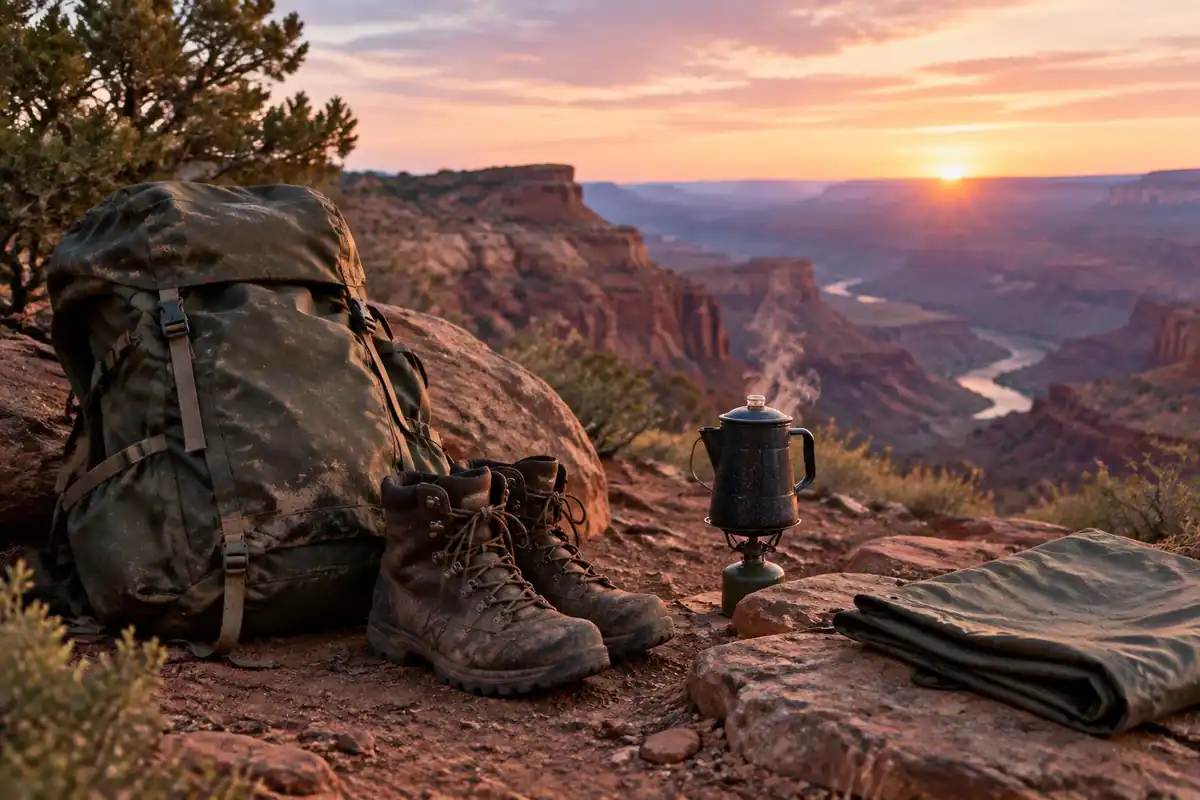
Check these details across specific models rather than assuming all "Cordura" packs are equivalent:
- Where Cordura is used — full body vs. high-wear panels only
- Denier — typically 420D to 1000D+ on Cordura reinforcement zones
- Weave — ripstop grid present or absent
- Coating — PU or silicone finish for water resistance, since Cordura itself doesn't add waterproofing
- Overall pack weight — full-Cordura builds run heavier than nylon-body packs with Cordura reinforcement only
Full Ranking, Reviewed
Best for Cordura backpacks
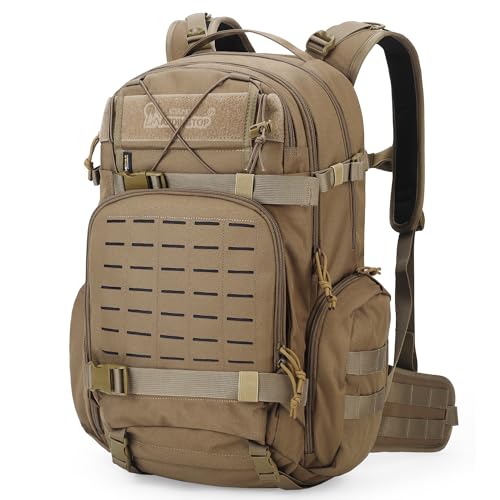
- 35 L capacity
- 915D Cordura nylon shell
- 3.5 lb empty
- Hydration-ready
- Cordura Backpack
- Set up to carry a reservoir for hands-free sipping
- Padded hip belt shifts load onto your hips, not your shoulders
- Empty weight (3.5 lb) runs above ultralight rivals.
Verdict: This 35 L hiking pack pairs room for a bladder with real hip-belt support, making it our overall pick for Cordura Backpacks.

Best for Cordura backpacks
- 5–30 L capacity
- 915D Cordura nylon shell
- 3.3 lb empty
- Hydration-ready
- Cordura Material
- Hydration sleeve keeps water within easy reach
- Laptop sleeve makes it useful well beyond the trail
- At 3.3 lb it is heavier than the lightest packs in its class before you load it.
Verdict: This 5–30 L hiking pack offers room for a bladder, making it a strong option for Cordura Backpacks.
Denier, tenacity and what the label tells you
US Customs defines denier as the weight in grams of 9,000 meters of yarn, and a higher denier number means a heavier yarn.1 So a 915D tag describes how heavy the yarn is, not how well the finished fabric resists scraping. Weave, coating and yarn strength all matter too. US tariff rules call a single nylon or polyester yarn high-tenacity when its tenacity exceeds 60 cN/tex,1 and under US labeling rules nylon is defined as a manufactured fiber made from a long-chain synthetic polyamide.2
The page's more specific statements, that Cordura is usually nylon 6,6 and that the label means a fabric passed a set durability standard, come from the brand's program and were not verified by the sources behind this page. Treat them as the brand's framing and ask the pack maker for the exact fabric spec.
Cordura among the other tough fabrics
Cordura is not the only branded high-strength nylon on hiking packs. Granite Gear's Crown3 60 uses Robic high-tenacity nylon in 100D and 210D,3 and ULA's Circuit also uses Robic nylon.4 These lighter deniers show that a high-tenacity yarn can be used to save weight rather than to build a heavy, bombproof panel.
Comparisons across brands are mostly makers' claims. Challenge Sailcloth says its ULTRA 100 fabric has double the tear strength of 500d 8oz Cordura at under 3 oz,5 but tear strength is not abrasion resistance, and the claim comes from the rival fabric's maker. The sources behind this page include no neutral head-to-head abrasion test, so choose by use: heavy denier where the pack will be dragged and scraped, lighter fabrics where weight matters more.
Keeping a heavy nylon pack water-resistant and clean
The page is right that Cordura itself doesn't waterproof a pack. Rain resistance comes from coatings and finishes. Nikwax describes DWR as an invisible water-repellent finish that makes water bead up and roll off, and warns that normal laundry detergents leave a water-attracting residue on outdoor fabrics.6 Deuter suggests a simple test: drop water on the fabric, and if it soaks in rather than beading, it is time to re-waterproof.7
Cleaning advice varies by brand. Deuter says never to machine wash a pack because abrasion stresses the fabric and its PU coating,7 while ULA permits a top-loader or agitatorless washer if you remove the pack before the spin cycle.8 Follow your pack maker's instructions. On coatings, California's AB 1817 explicitly lists backpacks as textile articles and, from January 1, 2025, bars new ones containing regulated PFAS from being made, distributed or sold in the state.9
Frequently Asked Questions
Is Cordura better than regular nylon for hiking packs?
Cordura offers better abrasion resistance than standard nylon at a comparable denier, which matters if you regularly scrape your pack against rock or brush. For water resistance and general use without heavy abrasion, standard nylon performs similarly and usually costs less.
Does a Cordura pack weigh more than a nylon pack?
A full-Cordura pack typically weighs somewhat more than an equivalent nylon pack, since Cordura's higher-tenacity yarns and tighter weave add some heft. Packs that use Cordura only on high-wear panels, with standard nylon elsewhere, keep most of the weight savings while still reinforcing the areas that wear fastest.
Is Cordura more durable than Dyneema Composite Fabric?
It depends on the failure mode. Cordura generally tolerates sharp punctures and scuffing better because its woven structure contains small cuts, while DCF resists stretching and tearing along its fiber grid better but is more vulnerable to a single sharp puncture point.
Related Buying Guides
Planning a hiking trip? Compare hotels, lodges and guesthouses.
Book on Booking.com Book on AgodaAffiliate links: we may earn a commission at no extra cost to you.