




Choosing between a top-loading, panel-loading, or roll-top backpack comes down to how much you value full-pack visibility against how much weight and water resistance you're willing to trade for it.
What's the practical difference between top-load and panel-load packs?
A top-load pack opens through one cinched opening at the top, forcing a hiker to pack in reverse order of when items are needed. A panel-load pack unzips the entire main compartment at once, letting a hiker see and reach every item without digging. The practical difference shows up most when something needed mid-hike was packed near the bottom.
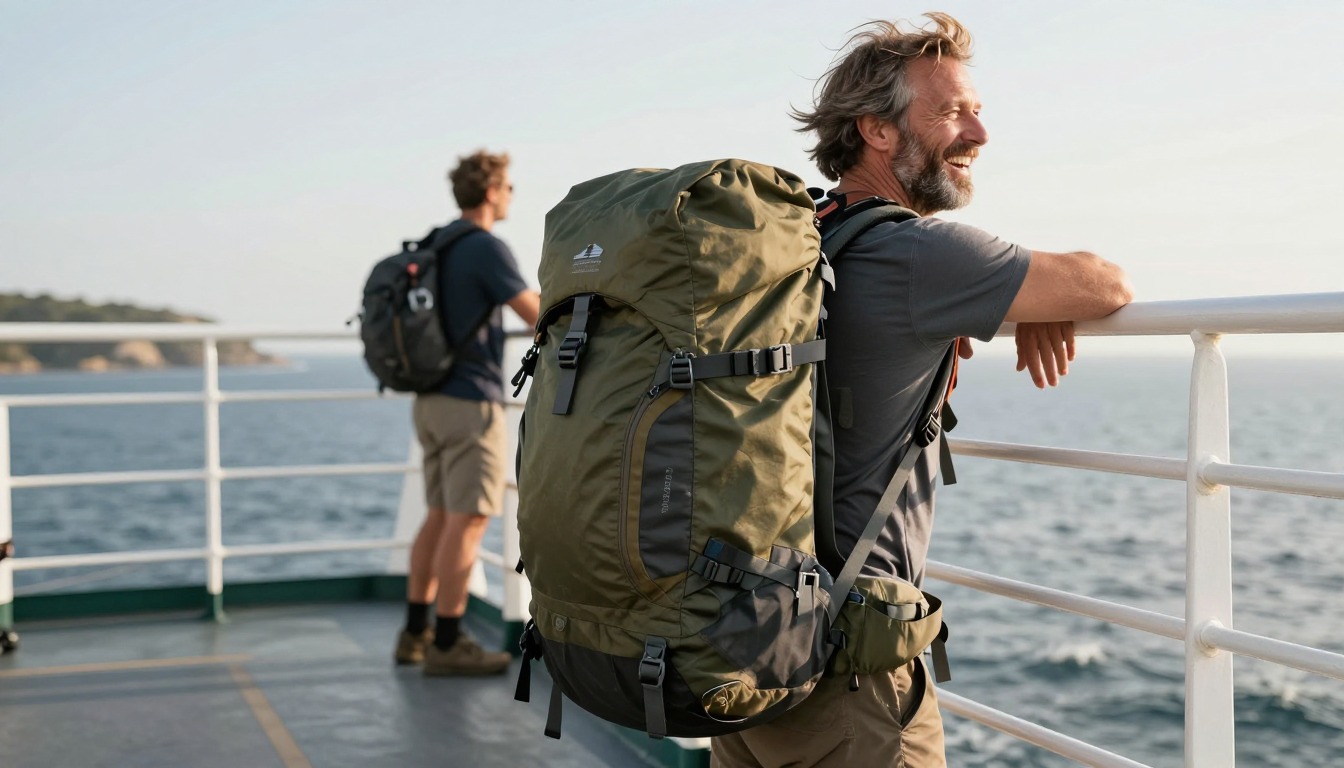
Top-loading packs rely on a floating lid — a separate pocketed flap secured by adjustable straps that rides on top of the load. As the pack empties over a trip, the lid straps cinch down to keep the profile compact, a feature panel-load packs don't need since there's no drawstring collar to manage. That floating lid typically holds a small zippered pocket ideal for a map, headlamp, or first-aid kit — items needed regardless of how full the main compartment is.
What is "front-loading," and is it different from panel-loading?
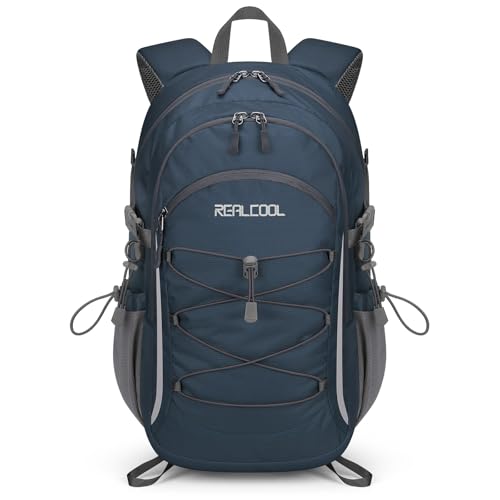
"Front-loading" and "panel-loading" describe the same basic mechanism — a zipper that opens the main compartment for direct access — but the terms sometimes distinguish zipper shape. A U-shaped zip opens three sides of a rectangular panel and folds it down like a flap, common on travel packs. A full-wrap zip circles nearly the entire pack body, opening it almost like a clamshell, more common on technical travel packs and some hunting packs that need maximum access for field-dressed gear.
A J-shaped zip is a smaller variant, opening only enough to reach the top two-thirds of the main compartment rather than the full body — a middle ground between a top-loader's single opening and a full panel-loader's total access. Brands aren't fully consistent with these terms, so the zipper's actual shape and coverage area matter more than which label a listing uses.
How much weight does a panel-load zipper add?
A full-length panel zipper typically adds a few ounces over a plain drawstring closure, from the zipper itself, its backing tape, and any storm flap sewn over it for water resistance. That's a small difference on its own, but it compounds with the heavier fabric and backing many panel-load packs use to support a zipper running the length of the pack body, which is one reason ultralight packs favor roll-tops and simple drawstring tops instead.
Zippers also introduce a failure point that a drawstring or roll-top doesn't share: a jammed slider, a torn zipper pull, or fabric caught in the teeth can compromise access mid-trip, though a stuck zipper is usually workable in the field while a torn drawstring cord is a quicker fix. Neither failure mode is common on quality packs, but it's a real trade-off between the two systems.
Which style suits which kind of trip?
| Trip type | Best-suited access style | Why |
|---|---|---|
| Multi-day backpacking, standard trail | Top-load | Lighter, weather-resistant collar, lid pocket for essentials |
| Air travel, hostel-to-hostel trips | Panel-load | Full visibility for packing/repacking, security-check friendly |
| Ultralight thru-hiking | Roll-top | Lowest weight, adjustable volume, near-dry-bag sealing |
| Hunting or photography, frequent full-pack access | Panel-load or J-zip | Reaching gear anywhere in the pack without unpacking everything |
| Wet climates, stream-heavy routes | Roll-top or top-load with a storm-flap zipper | Fewer or better-sealed openings resist water |
Packs built for a single dominant use case tend to commit fully to one access style, while general-purpose packs sometimes hedge with a hybrid — a top-loading body with a zippered lower sleeping-bag compartment, for instance, which pairs a light main closure with targeted panel-style access exactly where it's most useful. Deciding between the two ultimately comes down to whether a hiker packs and unpacks the full bag often, in which case panel access saves real time, or packs once per day and mostly needs a handful of items on the move, where a lighter top-load or roll-top closure gives up little in practice.