
Best Rain Cover For Backpack
Best Rain Cover For Backpack, ranked from aggregated owner ratings and reviews, not first-hand testing. Real pros, cons, and who each pick is best for.

Affiliate disclosure: this page contains affiliate links. Purchases made through them may earn us a commission at no extra cost to you. See our affiliate disclosure.
In plain English
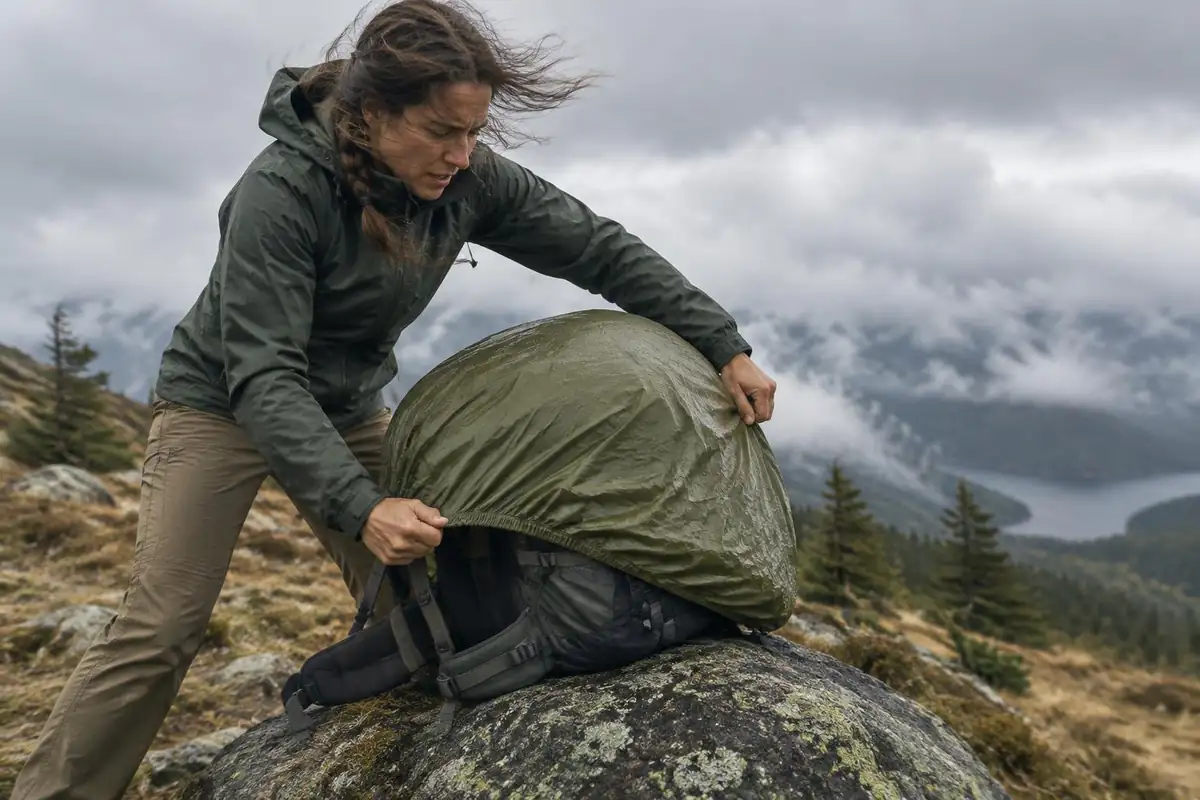
A backpack rain cover is like a shower cap for your pack. It is a stretchy, waterproof hood that pulls over the back and sides of the pack and holds on with an elastic edge. It stops the pack's fabric from soaking up rain, which keeps the pack from getting heavy and keeps the outside pockets drier.
It cannot cover the side of the pack that touches your back, because the shoulder straps and hip belt are in the way. Rain running down your back can still reach the pack there. That is why many hikers also put a waterproof bag inside the pack.
When you shop, match the cover to your pack's size in liters, and look for a cord or strap that tightens the edge so wind cannot flip it off. Bright colors help other people see you, which matters most in hunting season.
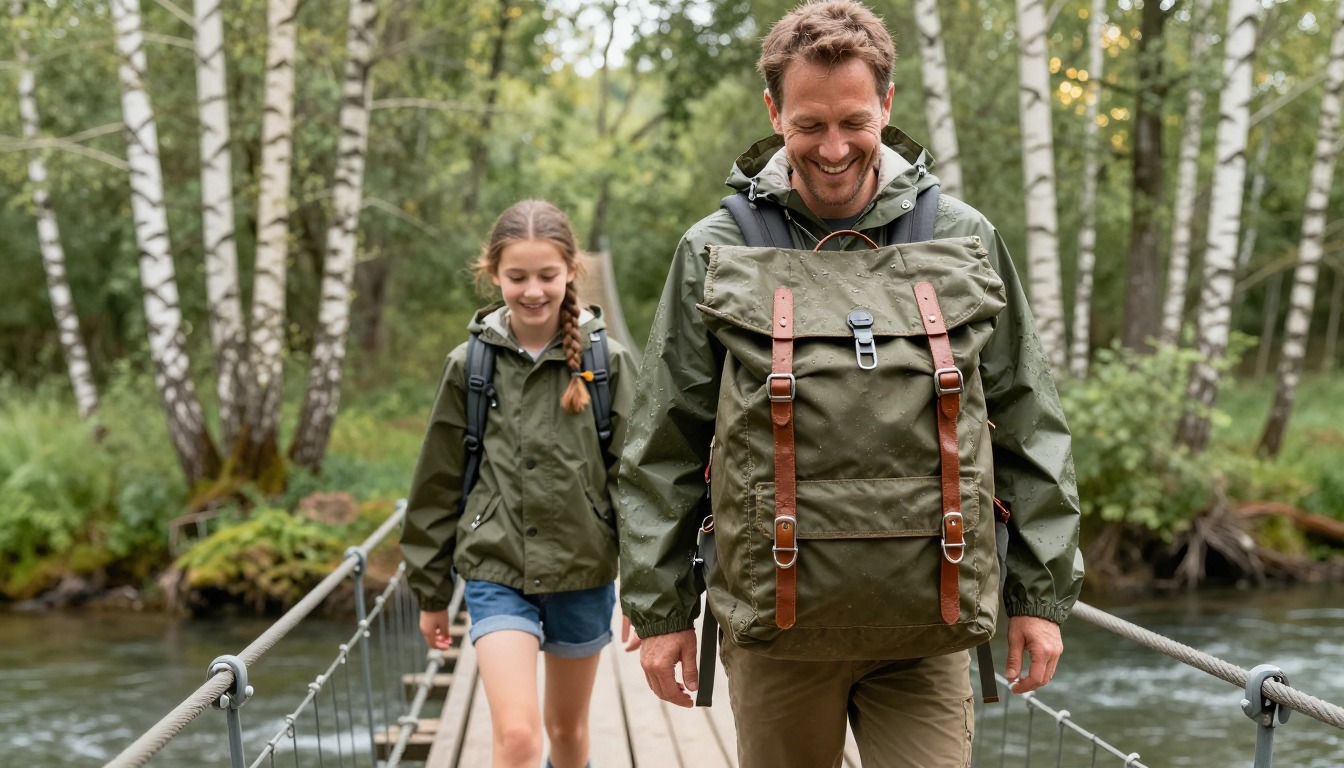
Our Top 3 Picks
Quick Comparison
| Shell | Extras | Buy | ||||
|---|---|---|---|---|---|---|
| 1 | Joy Walker Backpack Rain CoverTop Overall Pick | 25 L | — | — | Rain cover | View |
| 2 | LAMA Waterproof Rain Cover for BackpackBest Value | 30–40 L | — | Nylon | Rain cover | View |
| 3 | Frelaxy Waterproof Backpack Rain CoverAlso Great | — | — | Nylon | Rain cover | View |
| 4 | LAMA 2 Pack Waterproof Rain Cover for BackpackSolid Alternative | 30–40 L | — | Nylon | Rain cover | View |
Choosing a rain cover for a hiking backpack starts with matching it to the pack's capacity band, then narrowing by hem and cinch design, fabric weight, and color or visibility needs.
What size rain cover do I need?
Match the rain cover to the pack's stated liter capacity using the manufacturer's capacity band — typically small for roughly 15–35L daypacks and weekend packs, medium for 35–55L multi-day packs, large for 55–75L extended-trip packs, and extra-large for 75L-plus expedition loads. Hikers who regularly lash a sleeping pad, wet-gear sack, or extra layers to the outside of the pack should size up one band so the cover still stretches fully closed over that bulk. A cover that's too small leaves the base and hipbelt exposed; one that's too large flaps in wind and is more likely to blow off or snag on brush.
What hem and closure design holds up best in wind?
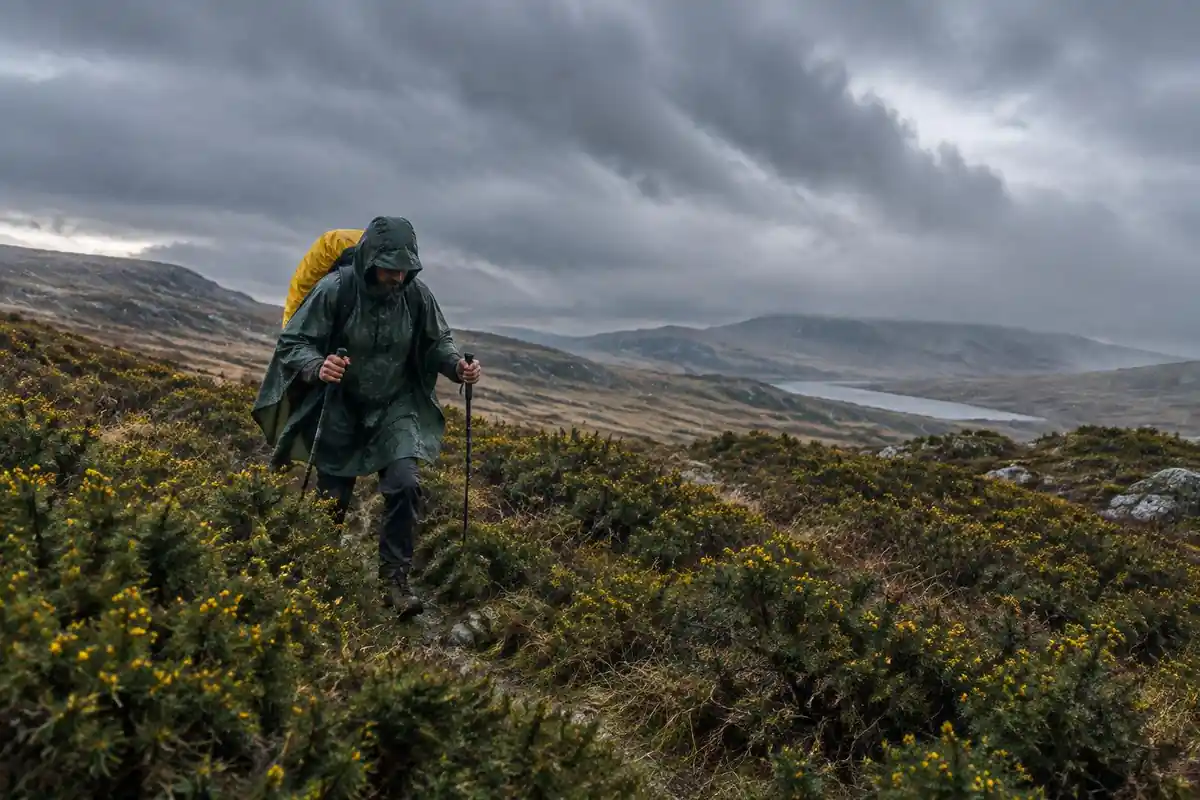
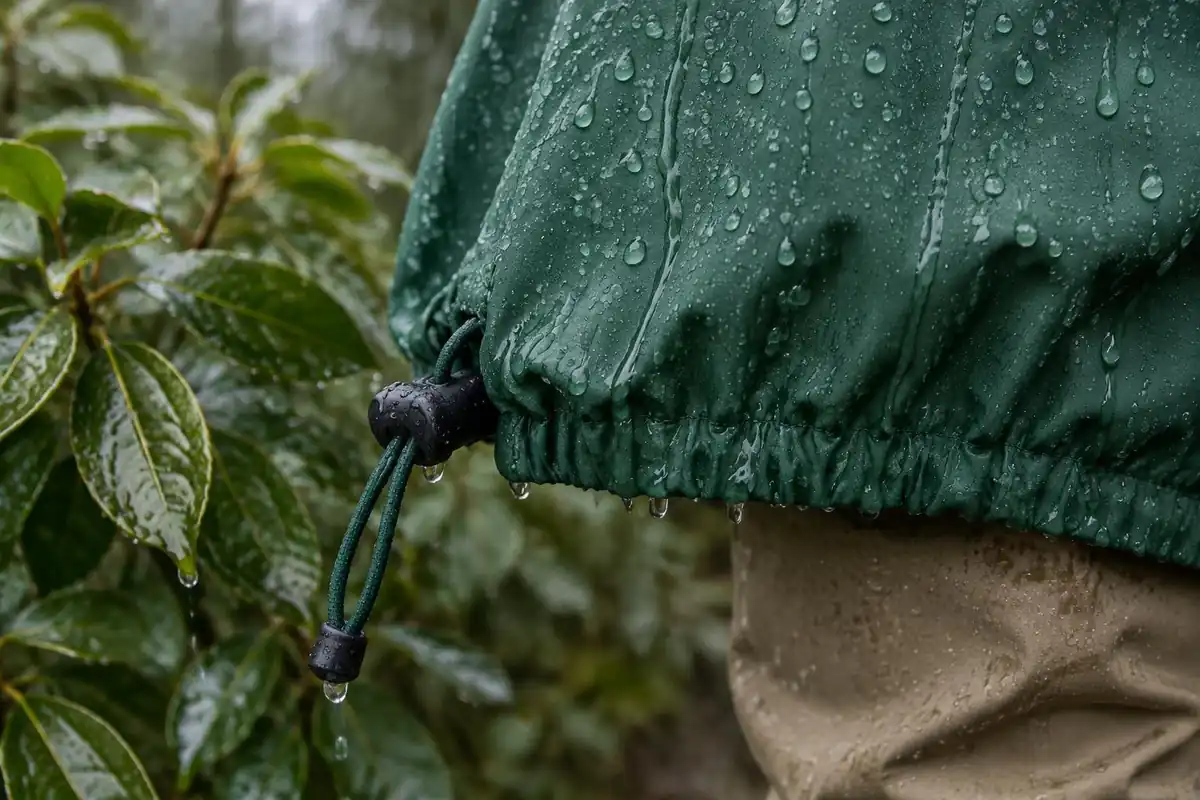
The hem and closure matter more than most buyers expect, since wind — not just rain volume — is what causes most cover failures. Look for an elastic hem paired with a drawcord or cinch strap near the shoulder-strap gap, which is the main point wind gets under a loose cover. A cover with only a plain elastic edge and no secondary cinch is more prone to flipping in gusts on exposed ridgelines and passes, exactly where rain covers are asked to perform hardest.
What fabric weight should I choose?
Rain cover fabric ranges from very light, packable silnylon or similar coated nylon to heavier, more abrasion-resistant fabrics. The table below lays out the trade-off.
| Fabric Weight | Typical Trait | Best Suited For |
|---|---|---|
| Ultralight coated nylon | Packs very small, lowest weight, less abrasion resistance | Ultralight hikers prioritizing pack weight over cover lifespan |
| Mid-weight coated nylon | Balance of packed size and durability | Most three-season backpackers |
| Heavier reinforced fabric | Bulkier and heavier, resists tearing on brush and rock | Bushwhacking, off-trail routes, frequent use over many seasons |
Does color matter on a rain cover?
Color is a safety and visibility choice as much as an aesthetic one: bright colors such as orange or yellow make a hiker more visible to other trail users and, in hunting season, to hunters, while covers in muted greens or grays blend in for hikers who prefer a lower profile. Neither color affects waterproofing performance, so the choice comes down to where and when the pack will be used.
Should the cover attach to the pack?
Some covers include a small clip or bungee that tethers the cover to a pack strap or loop, which keeps a wind-caught cover from blowing away entirely even if it lifts off the pack body. Hikers who hike frequently in exposed, windy terrain get more practical value from a tethered cover than from the small weight savings of an untethered one.
Full Ranking, Reviewed
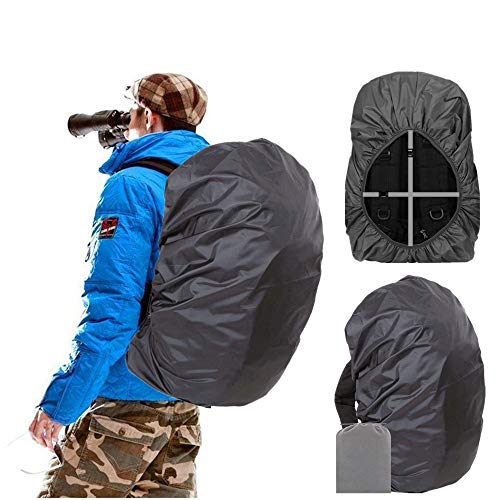
Best for Rain Covers for backpacks
- 25 L capacity
- Rain cover included
- High-level waterproof
- Includes a rain cover for sudden downpours
- Waterproof build keeps contents dry through real weather
- Check the size and colour options on the live listing, as availability shifts.
Verdict: This 25 L hiking pack offers a bundled rain cover, making it a strong choice for Rain Covers for Backpacks.

Best for Rain Covers for backpacks
- 30–40 L capacity
- Nylon shell
- Rain cover included
- Rain Cover for Backpack
- Includes a rain cover for sudden downpours
- Reflective accents add visibility in low light
- The 30–40 L size is a versatile in-betweener rather than a specialist at either end.
Verdict: This 30–40 L hiking pack offers a bundled rain cover, making it a strong option for Rain Covers for Backpacks.
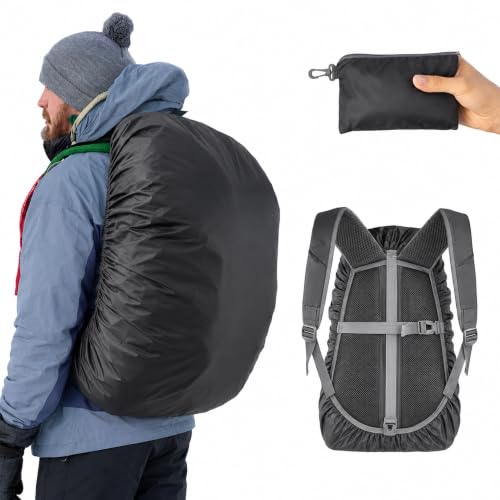
Best for Rain Covers for backpacks
- Nylon shell
- Rain cover included
- Double the Lifespan
- Packs an integrated rain cover to keep gear dry
- Waterproof build keeps contents dry through real weather
- Colours and exact capacity options change often on Amazon — confirm the current variant on the listing before buying.
Verdict: This hiking pack offers a bundled rain cover, making it well worth a look for Rain Covers for Backpacks.

Best for Rain Covers for backpacks
- 30–40 L capacity
- Nylon shell
- Rain cover included
- Rain Cover for Backpack
- Includes a rain cover for sudden downpours
- Reflective accents add visibility in low light
- The 30–40 L size is a versatile in-betweener rather than a specialist at either end.
Verdict: This 30–40 L hiking pack offers a bundled rain cover, making it a strong option for Rain Covers for Backpacks.
What a cover does well, and where it falls short
Most pack fabrics have a waterproof interior coating, yet REI notes that water can still seep through seams and zippers.1 Deuter says sustained downpours can let moisture through zippers and seams even on waterproof fabric, and it suggests a rain cover for hiking packs.2 A cover's job is to keep those zippers, seams and outer pockets out of the rain, and to stop the pack body from absorbing water and gaining weight during a long wet day.
Its weak spots are the back panel and wind. REI says waterproof stuff sacks inside the pack are an alternative to a rain cover and can work better in wind.1 Deuter, for its part, favors dry bags inside the pack for alpine use because they keep straps accessible.2 So the choice is not really either-or: a cover handles steady rain on trail, and an inner liner or dry bags protect the sleeping bag and dry clothes when a gust lifts the cover or rain runs down your back.
Some packs build one in. Teton says its Scout packs include an integrated rain cover,3 and REI says its Traverse 60 includes a raincover,4 which is why the page suggests checking the included accessories first.
Fabric, coatings and how long a cover lasts
Waterproof fabrics are often rated by hydrostatic head, the height of water column the fabric withstands; if water breaks through at 1 meter, the rating is 1,000 mm.5 That figure describes the fabric, not the elastic hem or the open back, so a high number does not make a cover a sealed system.
Sun is the hidden wear factor. Nikwax says UV exposure destroys water repellency and reduces fabric tear strength,6 and a rain cover spends more time in direct sun than almost any other gear because it rides on the outside of the pack. Storing it out of the sun when not in use helps. Coatings are also changing: Osprey says the raincover included with its Atmos AG 65 uses a PFC/PFAS-free DWR,7 part of a wider shift as state laws restrict PFAS in textiles; California's law, for example, explicitly lists backpacks as textile articles.8
Color: visibility, hunting season and search
The page treats color as a safety choice, and official sources back that up in specific settings. Missouri's Mark Twain National Forest tells hikers to wear hunter orange visible from all directions and to cover their backpack with orange, and to avoid white or tan in deer season.9 Indiana's Hoosier National Forest warns that blue and red can resemble a turkey's head in spring season and recommends blaze orange in all major firearm seasons.10 Rules differ by state: Pennsylvania says hikers are not required to wear orange,11 and Colorado advises, but does not require, other recreationists to wear fluorescent orange or pink.12
Outside hunting season, bright colors still help if something goes wrong. The National Park Service notes that bright clothing makes you easier for search and rescue to see.13 A bright cover is an easy way to add that visibility to the largest thing you carry.
Frequently Asked Questions
Do all hiking backpacks need a separate rain cover, or do some come with one built in?
Some backpacks ship with an integrated rain cover stored in a bottom pocket, while most do not and require a separately purchased cover matched to the pack's capacity. Check the pack's included-accessories list before buying a standalone cover to avoid duplicating one already built in.
How do I know if a rain cover fits my pack correctly?
A correctly fitted cover stretches fully over the loaded pack, including the base near the hipbelt, without gaping loosely or straining at the seams. Match the cover's stated capacity band to the pack's liters, and size up one band if gear is regularly lashed to the outside.
Related Buying Guides
Planning a hiking trip? Compare hotels, lodges and guesthouses.
Book on Booking.com Book on AgodaAffiliate links: we may earn a commission at no extra cost to you.