

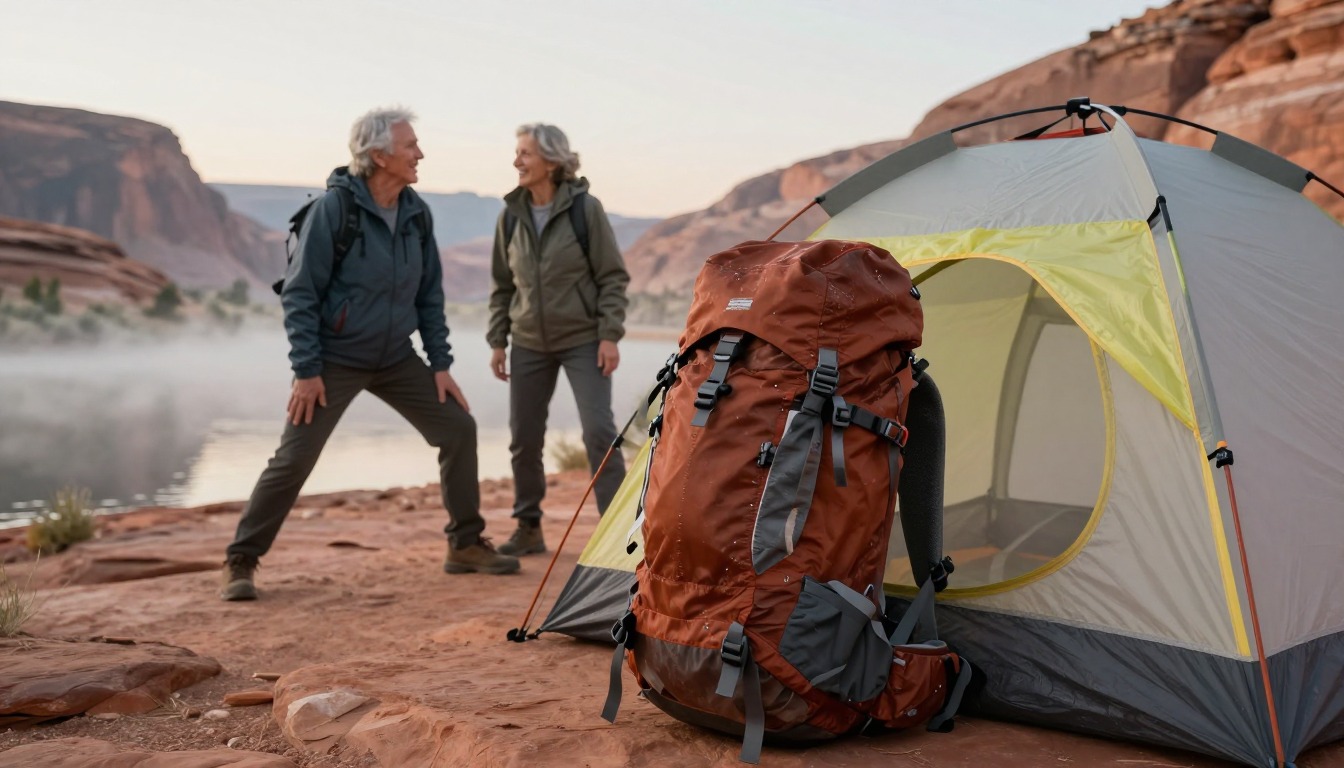

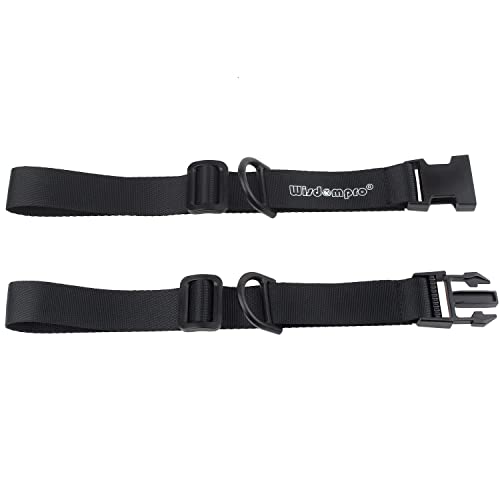

The most dependable way to keep gear dry doesn't rely on the pack itself being waterproof, since no hiking backpack shell fully is.
The core method: a pack liner
Line the entire main compartment with a heavy-duty bag before adding any gear, then twist or roll the top shut and fold it over before closing the pack. A thick trash compactor bag works for most trips; a purpose-built roll-top liner from a brand like Sea to Summit holds up to more repeated use. Because the seal is on the inside, it doesn't matter whether the pack's own seams or zippers leak.
Add a rain cover for the outside
A rain cover, pulled over the loaded pack before rain starts, protects the shell fabric and anything strapped to the outside — a sleeping pad, wet jacket, or trekking poles in a side pocket. It can't cover the back panel against a hiker's back, which is why it works best paired with a liner rather than used alone.
Double up on electronics
- Phones and GPS units: a dedicated waterproof pouch with a roll-top or clip seal, kept accessible in a hip-belt pocket
- Cameras and battery packs: a zip-top freezer bag placed inside the main pack liner
- Everything else: inside the liner by default — exterior pockets, even zippered ones, are the least protected part of any pack
Reproof the shell periodically
A DWR treatment on the face fabric, renewed when water stops beading and starts soaking in, slows how fast the shell itself gets wet and heavy — a smaller factor than the liner and cover, but part of a complete system.