

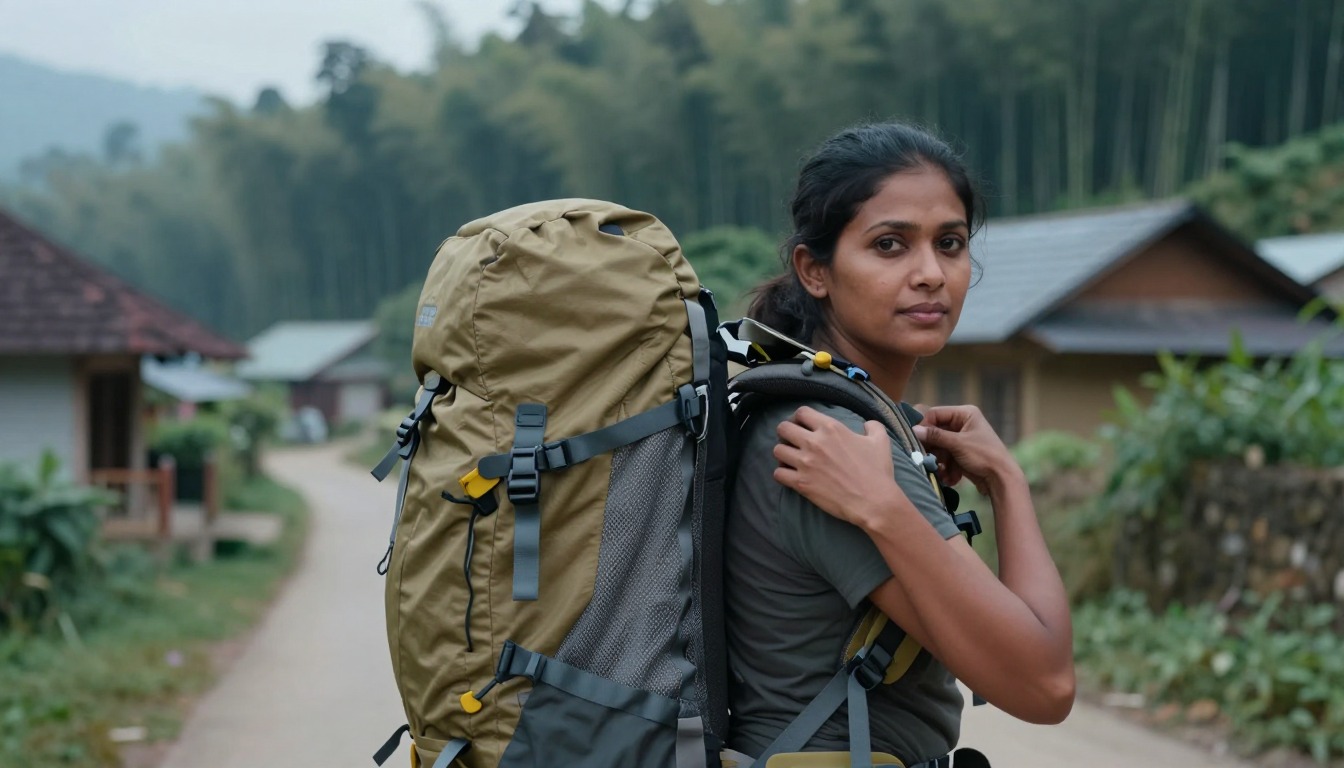

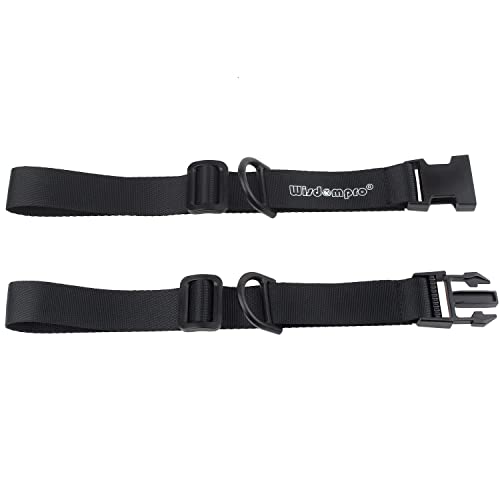

A tent attaches to a hiking backpack most securely by dividing it into two parts — the soft tent body and fly go outside, the rigid poles and stakes go inside — rather than lashing the entire tent, poles included, to the outside of the pack.
Why split the tent instead of carrying it whole?
Tent poles are rigid and can bend or snap if lashed externally and knocked against rocks, tree trunks, or a pack frame during a fall or a tight squeeze between boulders. Packing poles inside, standing upright along the frame or laid flat against the back panel, protects them the same way a pack protects any other fragile gear. The tent body and fly, by contrast, are flexible fabric that tolerates compression and exterior straps without damage.
Steps for lashing the tent body outside
Where should a wet tent go?
A wet tent should ride outside the pack, sealed in its own stuff sack or a dry bag, rather than inside the main compartment where it can soak a sleeping bag, spare clothing, or other gear. Some hikers keep a dedicated "wet sack" just for a rained-on fly, separate from the sack used to store the tent when dry.
Does tent placement affect pack balance?
Yes — a tent lashed high and close to the back panel, such as under the lid, keeps its weight near the pack's center of gravity, while a tent stuffed loose above the frame's support raises that center and can make the pack feel unstable on uneven terrain. On group trips, splitting a tent between two hikers — one carrying the body and fly, the other the poles and footprint — reduces both weight and bulk per person while achieving the same balance benefit for each pack.