



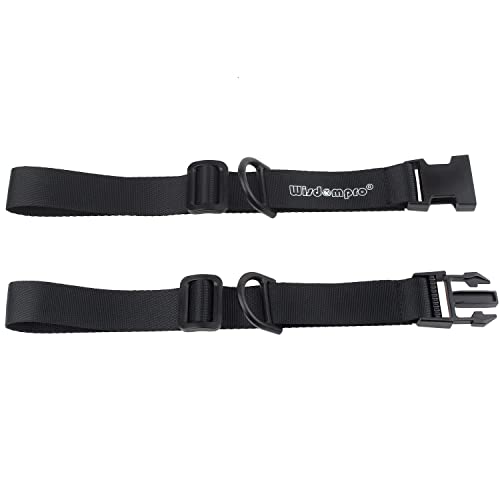

Compression sacks save real, measurable space, but only on gear that has air to lose in the first place. A drawstring closes the sack around the contents, then external straps cinch the whole package smaller by forcing out the air trapped inside down or synthetic insulation.
Which items see the biggest space savings?
Sleeping bags and quilts see the biggest reduction, since their loft is built from trapped air by design. A puffy jacket compresses similarly well for the same reason. Folded clothing compresses less dramatically, since fabric alone doesn't trap as much air as insulation fill does.
What doesn't compress at all?
| Gear type | Compresses well | Compresses poorly |
|---|---|---|
| Down or synthetic sleeping bag | Yes | — |
| Insulated puffy jacket | Yes | — |
| Folded clothing | Somewhat | — |
| Cook pot, stove, tent poles | — | No, rigid shape |
| Water filter, electronics | — | No, fixed volume |
Rigid and semi-rigid gear holds its shape no matter how tight the straps pull, so packing that gear in a compression sack adds hardware weight without any volume payoff.
Is there a downside to compressing gear?
The main downside shows up in storage, not on the trail. Leaving a sleeping bag compressed for weeks or months between trips breaks down its loft faster than storing it loose or hung, which is why long-term backpack and gear storage calls for taking insulated items out of their compression sack once a trip ends. Used only during a trip, compression sacks cause no lasting damage to fill or fabric.