By Marcus Hale, Lead Pack Research Editor · Published September 14, 2026, 6:03 PM ET · Updated September 29, 2026, 6:16 PM ET
Direct Answer
Most broken backpack zippers are a splayed slider, not broken teeth — squeeze the slider gently with pliers to re-tighten its grip on the coil, or replace it with a slider matched to the zipper's coil number. If teeth or coil sections are missing, the zipper tape needs full replacement at a repair shop rather than a slider fix.
In plain English
A zipper has three parts: two rows of teeth sewn onto fabric strips, and a small sliding piece that you pull. The slider works like a clamp. As it moves, it squeezes the two rows of teeth together so they lock.
Most of the time, when a backpack zipper stops closing, the teeth are fine. The slider has just worn and loosened, so it no longer squeezes hard enough. That is good news, because a slider can often be pinched back into shape or swapped for a new one.
If the teeth themselves are broken or missing, or the fabric strip has torn away from the pack, that is a bigger job. It needs sewing a new zipper in, which is best left to a repair shop or the pack's maker.
A backpack zipper that won't stay closed is a slider problem in most cases. The slider — the part you pull — has two channels that squeeze the zipper coil together as it passes through; over time or with force, those channels spread apart and stop gripping.
Fixing a splayed slider
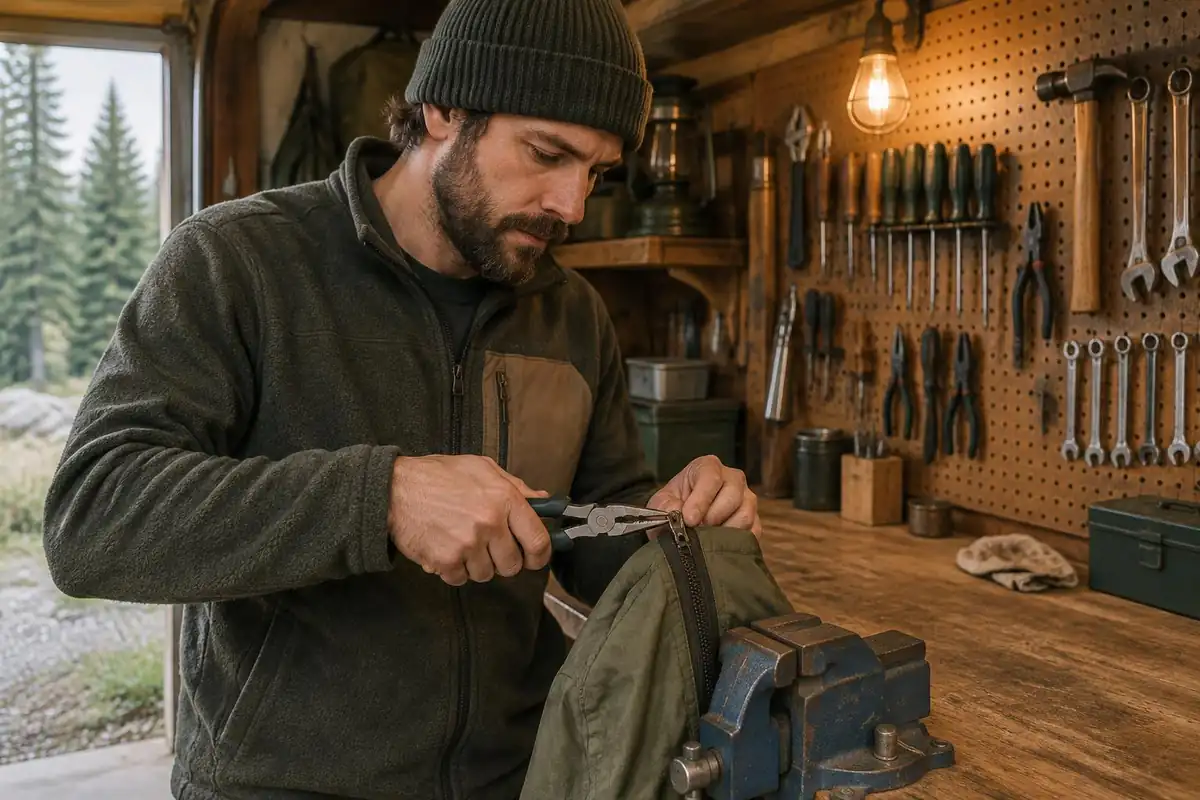
Use flat-nose pliers to gently squeeze the top and bottom of the slider body back toward each other, then test the zipper by running it closed. This works on a slider that's spread slightly but still intact. If the slider still won't grip after squeezing, it needs replacing — sold as a standalone part sized to the zipper's coil number (commonly #5, #8, or #10 on packs, marked on the original slider or teeth).
When the fix is bigger than the slider
Missing or bent coil teeth, or a zipper tape torn away from the fabric, aren't slider problems and won't respond to pliers. These need the zipper replaced by a gear repair service, since it involves unpicking and re-sewing the zipper tape into the panel — not something most home kits can do cleanly.
A dragging or sticking zipper
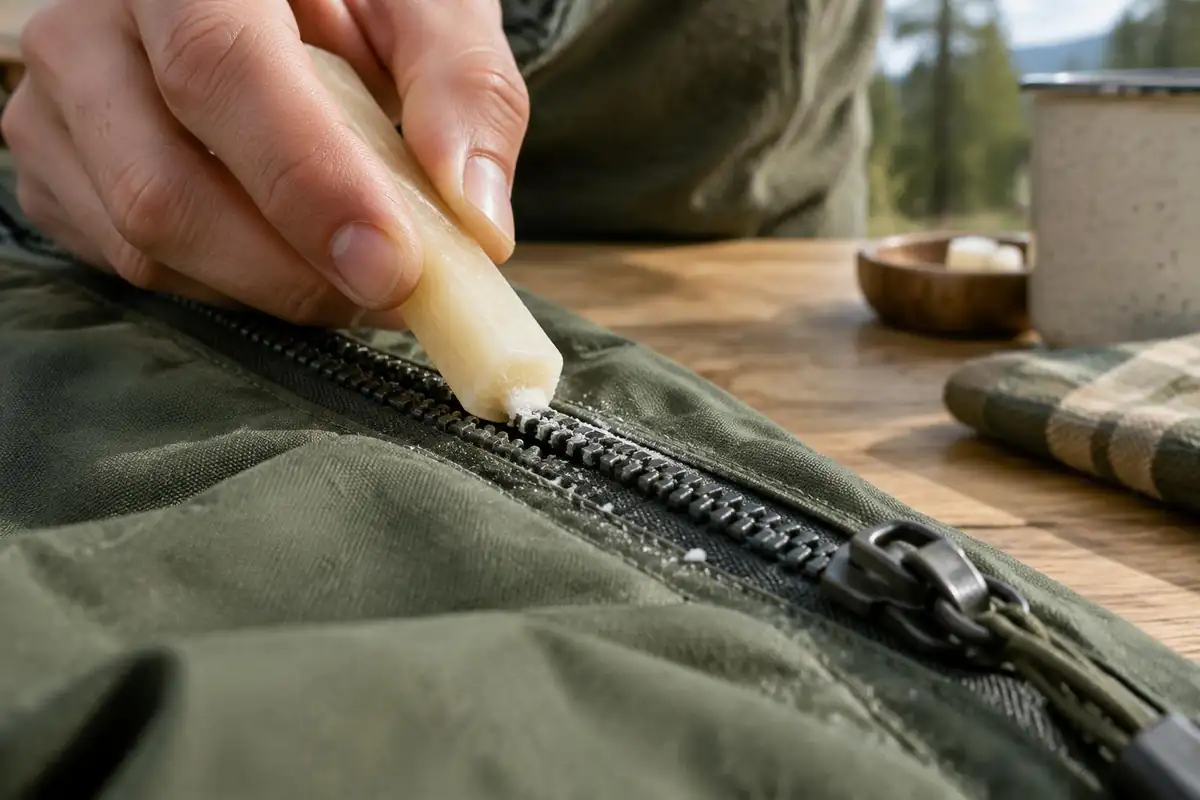
A zipper that still closes but drags or sticks partway usually just needs lubrication rather than a slider swap. Clean the coil, then apply a zipper lubricant made for the purpose, which REI suggests for sticking zippers, and run the slider back and forth a few times to work it in. Don't scrub the zipper hard, since many have water-resistant coatings.
Field workaround
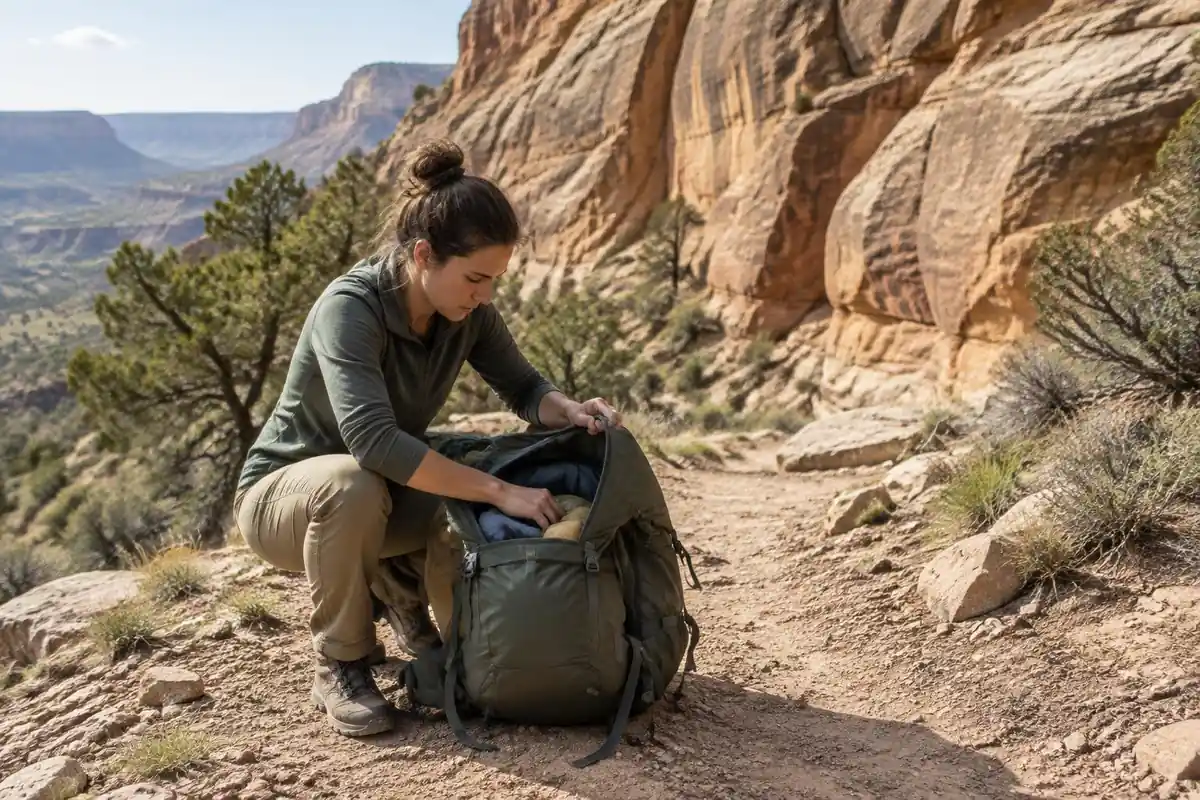
If a zipper fails completely mid-trip, thread a cord, mini carabiner, or paracord pull through the remaining slider's pull hole to keep using it, or run a strip of tough tape like Gorilla Tape across the opening and pin the fabric closed on either side until you're off trail. Neither fix restores normal use of the pocket, but both keep contents secure long enough to finish the trip and make a proper repair at home.
Why the slider fails before the teeth
The slider is the part under the most stress. Every time you pull a zipper around a curve on an overstuffed pack, the slider is pried open a little. After enough cycles it spreads and stops pressing the teeth together. Squeezing it gently with pliers can restore the grip, but go in small steps; squeezing too hard can crack a slider or make it jam.
This page lists common coil sizes for replacement sliders. Those numbers are industry convention rather than something our sources confirm, so the safest approach is to read the size marked on your existing slider or take the pack to a repairer.
Many pack zippers are coated to resist water. REI says not to scrub zippers because many have water-resistant coatings,1 and even so, Deuter notes that sustained downpours can let moisture through zippers and seams.2 A coated zipper is water-resistant, not a seal.
Cleaning and lubricating a sticky zipper
Grit is the usual cause of a dragging zipper. Rinse it with clean water and a soft cloth rather than a stiff brush; Gregory warns that heavy brushing can damage fabric coatings.3 For a zipper that still sticks, REI suggests a zipper lubricant.1 Wax, soap and pencil graphite are well-known home substitutes for a zipper lubricant, but they come from general practice rather than a maker's guidance.
Repair services and warranties
Replacing a full zipper means unpicking and resewing seams, so it is worth checking what the pack's maker offers first. Osprey states it will repair or replace a bag for any damage at no cost, regardless of when it was made.4 Deuter offers a lifetime repair service for incidental damage where repair is possible, although its warranty excludes normal wear and tear.5 ULA repairs accident and wear damage for a fee,6 and Gossamer Gear refers professional repairs to Rugged Thread in Bend, Oregon, at a discount.7
Other warranties are narrower. Gregory's guarantee excludes abusive use and normal wear and tear,8 and a zipper that has simply worn out from years of use may fall into that category. Ask before you pay a third party, because an outside repair can affect later warranty claims.
Looking for Complete Category Guidance?
Explore our complete, evidence-based master guide for Care, Repair & Accessories.