By Marcus Hale, Lead Pack Research Editor · Published September 14, 2026, 6:03 PM ET
Direct Answer
Some hiking backpacks include a rain cover, but many don't. Coverage varies by brand and model — some pack lines ship a sized cover as standard, others sell one as a separate accessory, and budget packs frequently include neither. Always check the specific model's included-accessories list before assuming one is in the box.
Affiliate disclosure: this page contains affiliate links. Purchases made through them may earn us a commission at no extra cost to you. See our affiliate disclosure.
In plain English
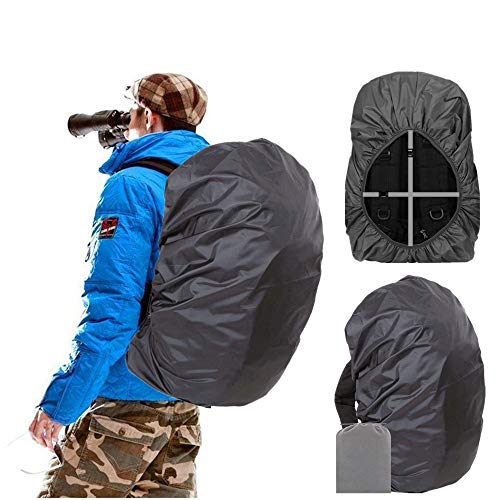
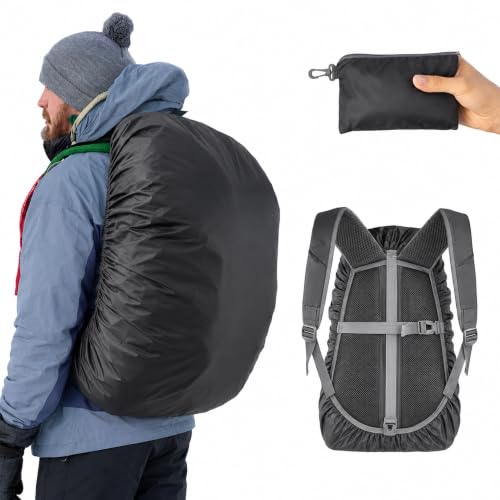
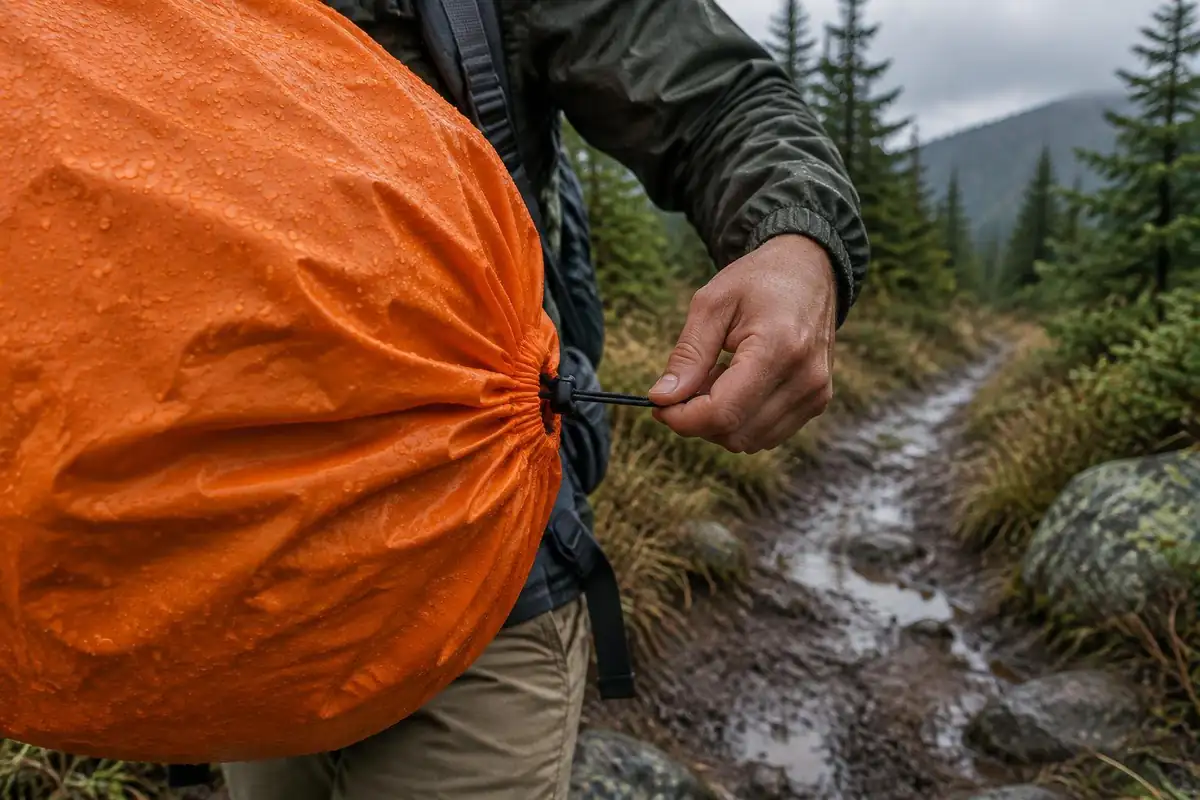
A rain cover is a stretchy, waterproof hood that pulls over the outside of your backpack, a bit like a shower cap for your pack. Some packs come with one tucked into a small pocket at the bottom. Others don't, and you have to buy one separately in the right size.
There is no simple rule for which packs include one. It depends on the brand, the model and even the year it was made. The only sure way to know is to read the list of what comes in the box for the exact pack you are looking at.
If your pack has no cover, don't worry too much. A big waterproof bag inside the pack, called a liner, protects your gear even better, because rain can still sneak in around the edges of a cover.
Whether a rain cover comes included depends entirely on the specific pack and brand rather than being a standard feature across hiking backpacks generally.
Why coverage is inconsistent
Some pack makers build a rain cover into the price of mid-range and premium hiking packs, stowing it in a dedicated bottom pocket that's easy to reach without unpacking the main compartment. Others treat it as an accessory sold separately, sized to match each pack's specific volume rather than a one-size-fits-all design. Budget and entry-level packs are the least likely to include one at all, since it adds cost to the base price.
What to check before a trip
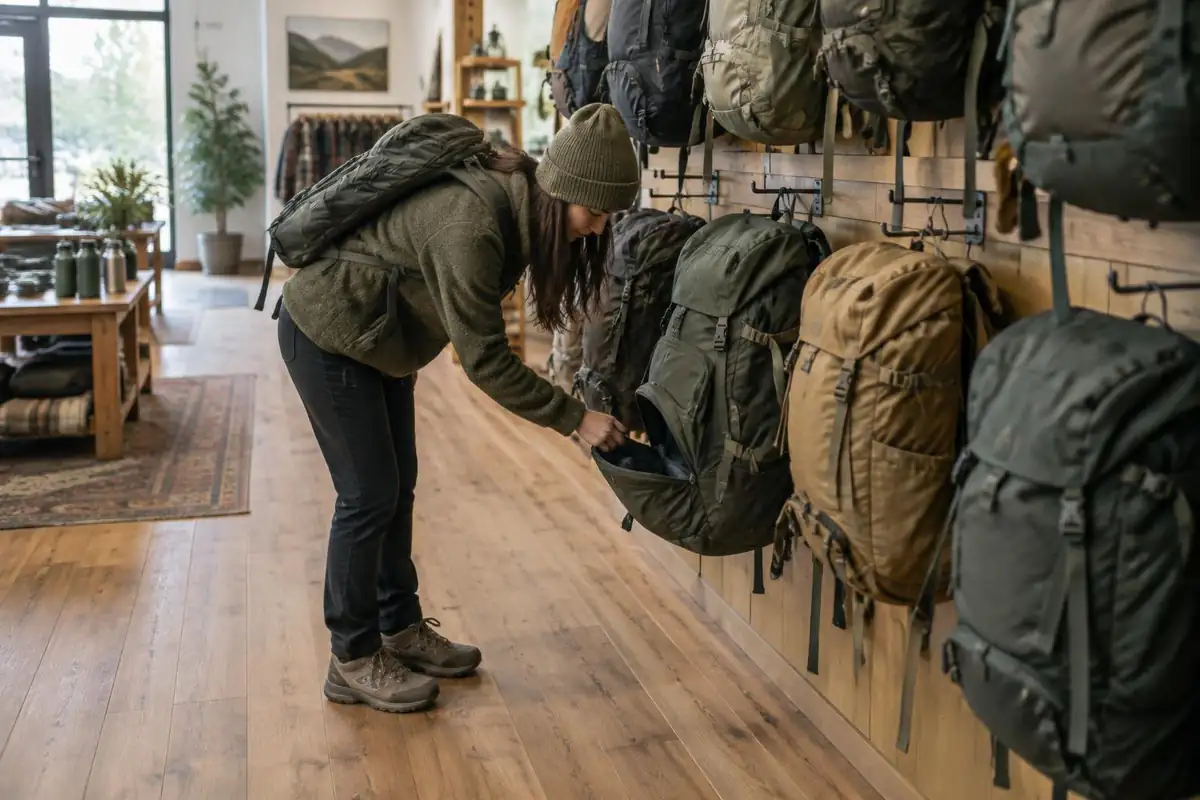
Before assuming a pack has built-in rain protection, check the specific model's spec sheet or included-accessories list, since even packs within the same brand's lineup vary widely — a flagship backpacking pack might include a cover while a simpler daypack in the same range doesn't, and a past model year's inclusion doesn't guarantee the current version still ships with one.
Included: stored in a dedicated pocket, usually sized specifically to that pack's volume
Sold separately: must be matched to the pack's liter rating when buying, since an undersized cover won't stretch over a full load
Not offered: some packs have no matching rain cover option at all, making a pack liner more important as the primary defense
If no cover is included
A pack liner works independently of whether a rain cover is included, since it protects the contents rather than the shell — making it the more essential of the two pieces of gear if only one is available on a given trip.
What maker listings actually show
Across the pack pages in our research, an included cover shows up at several price levels. Osprey says the Atmos AG 65 comes with a raincover that uses PFC/PFAS-free DWR and bluesign approved materials.1 REI lists a raincover as included with its Traverse 60.2 TETON says its Scout comes with an integrated rain cover.3
That last example is worth noting because this page suggests budget and entry-level packs are the least likely to include one. TETON states its aim is quality gear at a fraction of the expected price,4 yet it still includes a cover. The honest summary is that inclusion varies model by model, and price alone won't tell you.
Cover or liner: what each can and can't do
A cover shields the outside of the pack, which keeps the fabric from soaking up water and getting heavier, and protects items strapped on the outside. It can't seal the back panel, and wind can lift it. REI notes that waterproof stuff sacks inside the pack are an alternative to a rain cover and can work better in wind.5 Deuter splits the difference by use: it suggests dry bags inside the pack for alpine use, where a cover would block access to straps, and a rain cover for hiking packs.6
Because water can seep through seams and zippers even on coated pack fabric,5 the inside layer is the one that actually keeps gear dry in a long storm. A cover is a useful second layer, not a substitute.
Looking after a cover
Rain covers rely on the same water-repellent finish as pack fabric, and it wears off. Deuter's test works for covers too: drop water on the fabric, and if it soaks in instead of beading, it needs re-waterproofing.6 Dry the cover fully before packing it back into its pocket, and store it out of the sun, since Nikwax says UV exposure destroys water repellency and reduces tear strength.7
Looking for Complete Category Guidance?
Explore our complete, evidence-based master guide for Care, Repair & Accessories.