Care, Repair & Accessories Questions, Answered
19 researched, fact-checked answers to the questions hikers ask most about care, repair & accessories.
Affiliate disclosure: this page contains affiliate links. Purchases made through them may earn us a commission at no extra cost to you. See our affiliate disclosure.
In plain English
Backpacks last longer with a little care, a lot like a good pair of leather shoes. Wipe off dirt after a trip, wash the sweaty parts now and then, and let everything dry fully before you put it away. A pack stored damp can grow mold, the fuzzy spots you see on old bread.
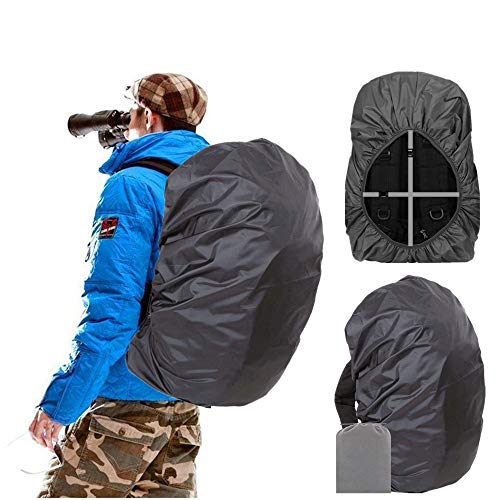
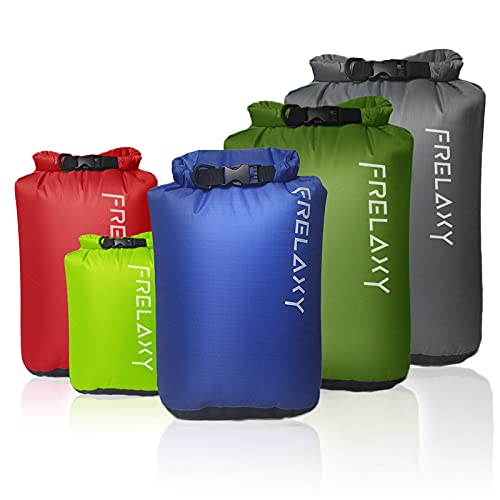
Most packs are water-resistant, not waterproof. Light rain rolls off, but in a long storm water sneaks in through seams and zippers. That is why hikers put a waterproof bag inside the pack or a cover over it.
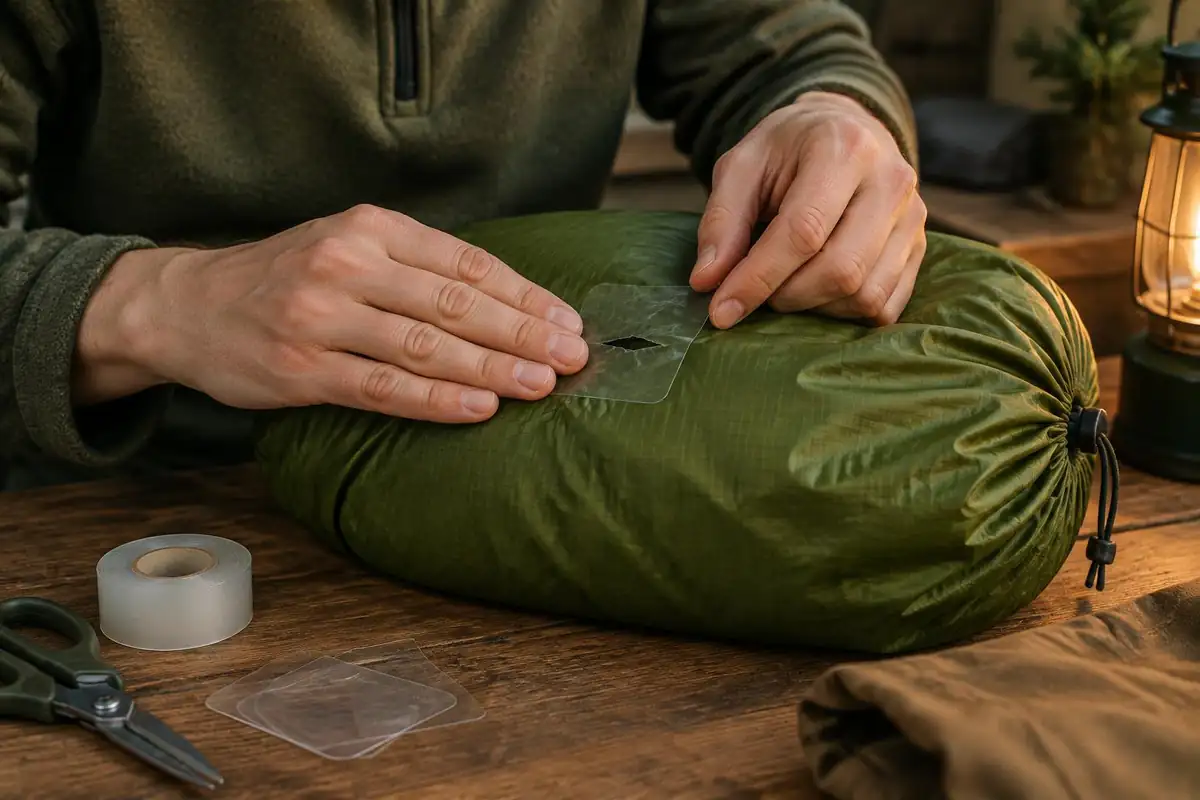
Small repairs are easy. Sticky fabric patches fix little holes, and strong thread fixes many strap problems. For drinking water, there is no single right amount to carry. It depends on heat, effort and your body, so plan ahead, carry a margin, and drink when you are thirsty.

Washing and drying: what the makers actually say
There is no single rule for washing. REI's general advice is never to machine wash or machine dry a pack, and to follow the maker's instructions first.1 Deuter says never machine wash, because abrasion stresses the fabric and its coating, and suggests lukewarm water with pH-neutral soap.9 Gregory rules out washers, dryers, detergents and solvents.5 Osprey suggests a bathtub or large sink with mild, soapy warm water.3 ULA is the exception: it allows a top-loader or agitatorless washer, taking the pack out before the spin cycle.2
On drying, the makers agree. Gregory says air dry away from heat and direct sunlight with pockets open; Osprey says out of direct sunlight in a well-ventilated area; REI and ULA say shade or indoors because UV degrades fabric.5,3,1,2 Some mold guides suggest brief direct sun to kill spores. None of the pack makers checked recommend that, and the UV evidence points the other way; the vinegar solutions some suggest are also not in these sources. The part everyone agrees on is drying fully and storing the pack in a dry, well-ventilated place.9
Reproofing without heat
Deuter's test for when to reproof is simple: drop water on the fabric, and if it soaks in instead of beading, re-waterproof it.9 Nikwax says to clean the gear first, spray evenly on clean, wet fabric, then air dry only.4 It also warns that normal laundry detergents leave a water-attracting residue on outdoor fabrics.10 Some reproofing guides suggest curing with a low dryer cycle or a warm iron. That instruction appears on some clothing products, but for packs Nikwax says air dry, Gregory says a dryer can damage protective coatings, and ULA says never use a dryer.5,2
The chemistry is shifting. EPA lists stain and water repellents on fabrics as a PFAS source, and California's law names backpacks as textile articles covered by its PFAS limits.11,12
How much water to carry
The half-liter-per-hour figure in the water answer is a rule of thumb for mild conditions. Real needs vary widely. The CDC Yellow Book notes sweat rates can reach a liter an hour, and Grand Canyon rangers say hikers in heat can lose one to two quarts an hour.6,13 The American College of Sports Medicine suggests weighing yourself before and after exercise to estimate your own sweat rate.14 NIOSH's figure of a cup every 15–20 minutes, and no more than six cups an hour, is workplace heat guidance, not a hiking rule.15
More is not always better. The Yellow Book warns that forcing water when not thirsty raises the risk of hyponatremia, low blood sodium, which affects recreational hikers too.6 Every liter also weighs about 1 kg.16 If you plan to refill from streams, the CDC says most portable filters remove parasites but not viruses or bacteria, so check what your treatment method covers.17
Repairs that hold
For tape patches, GEAR AID says to clean the area with isopropyl alcohol, round the corners, overlap the damage by at least half an inch, and patch both sides of large holes; the adhesive reaches full strength in 24 hours and bonds best between 50 and 104°F.8 Silicone-coated fabric needs a silicone sealant such as Seam Grip SIL, because silicone only bonds to silicone.7 For sticky zippers, REI advises a zipper lubricant rather than scrubbing, since many zippers have water-resistant coatings.1
Relevant Products